




Pinion Gear: Small but Mighty in the Global Machinery Landscape
Ever wondered how vast industries around the world manage to transmit power so seamlessly? A pinion gear, though small and often overlooked, is a fundamental element in countless machines and systems globally. Understanding this tiny cog’s role might seem trivial at first, but it actually opens a window into engineering efficiency, global trade logistics, and sustainable development.
Pinion gears help convert rotational motion and force in everything from cars and robotics to wind turbines and heavy industrial machinery. Their reliability and precise design mean the difference between performance and breakdown, between safety and hazard. As we increasingly lean on tech and automation worldwide, the demand and innovation around pinion gears grow accordingly—a ripple effect felt from manufacturing floors in Germany to remote construction sites in Africa.
Mini takeaway: Pinion gears are crucial though often unseen components enabling the mechanical backbone of modern society.
The Worldwide Significance of Pinion Gears in Industry
Industrial manufacturing, which accounts for a hefty 16% of global GDP according to the World Bank, depends heavily on efficient power transmission. Within this ecosystem, the pinion gear serves as the critical meshing partner to larger gears, facilitating movement and torque conversion essential to machinery operation.
The International Organization for Standardization (ISO) has several standards dedicated to gear manufacturing and quality, underscoring their global industrial importance. From automotive production lines to aerospace, a faulty pinion gear can cause costly downtime and safety risks.
In the context of emerging economies, where infrastructure is rapidly developing, the availability of quality pinion gear solutions tackles engineering challenges posed by rough terrains and heavy loads. In sectors like renewable energy, these tiny gears facilitate innovations in wind turbines and solar trackers.
The current challenge? Balancing cost, durability, and precision, especially as industries push for sustainable materials and smarter designs without sacrificing reliability.
Mini takeaway: Pinion gears not only power machines but also drive economic stability and innovation worldwide.
What Exactly Is a Pinion Gear?
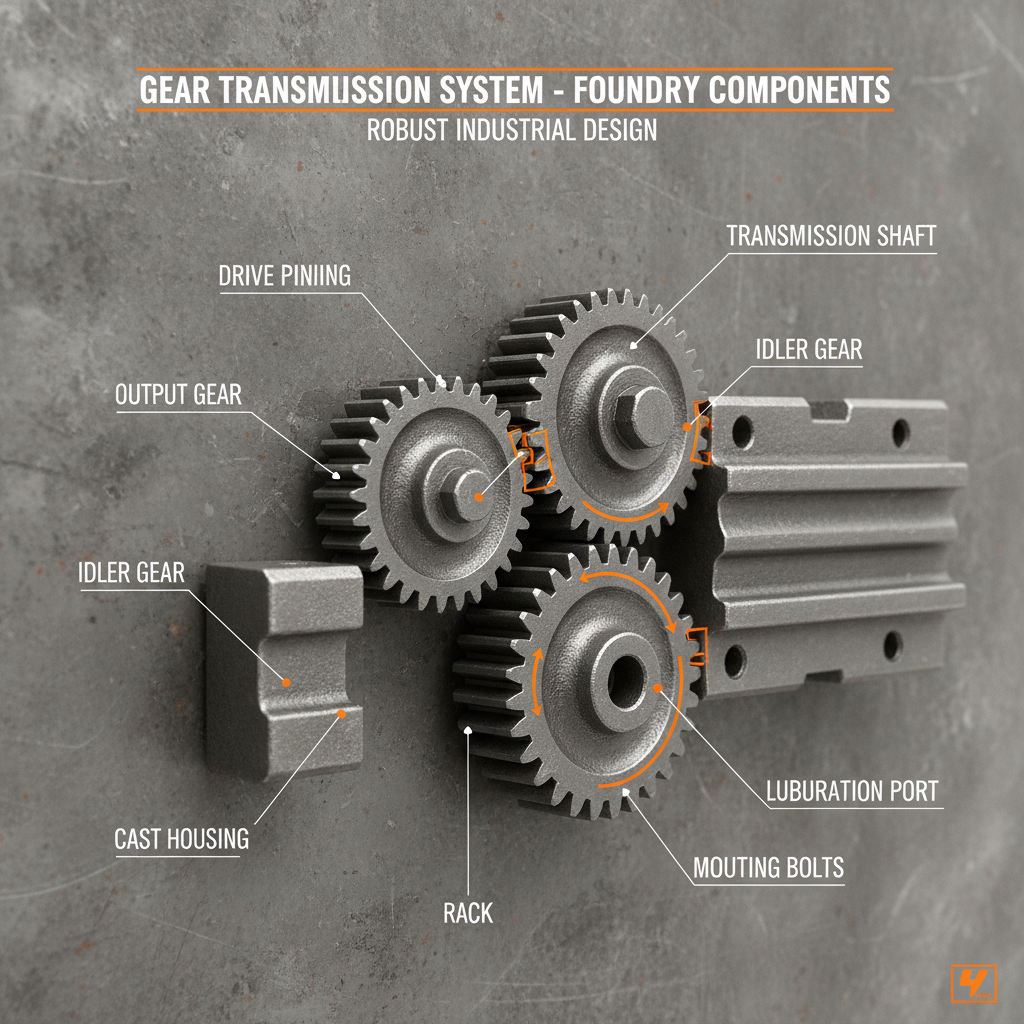
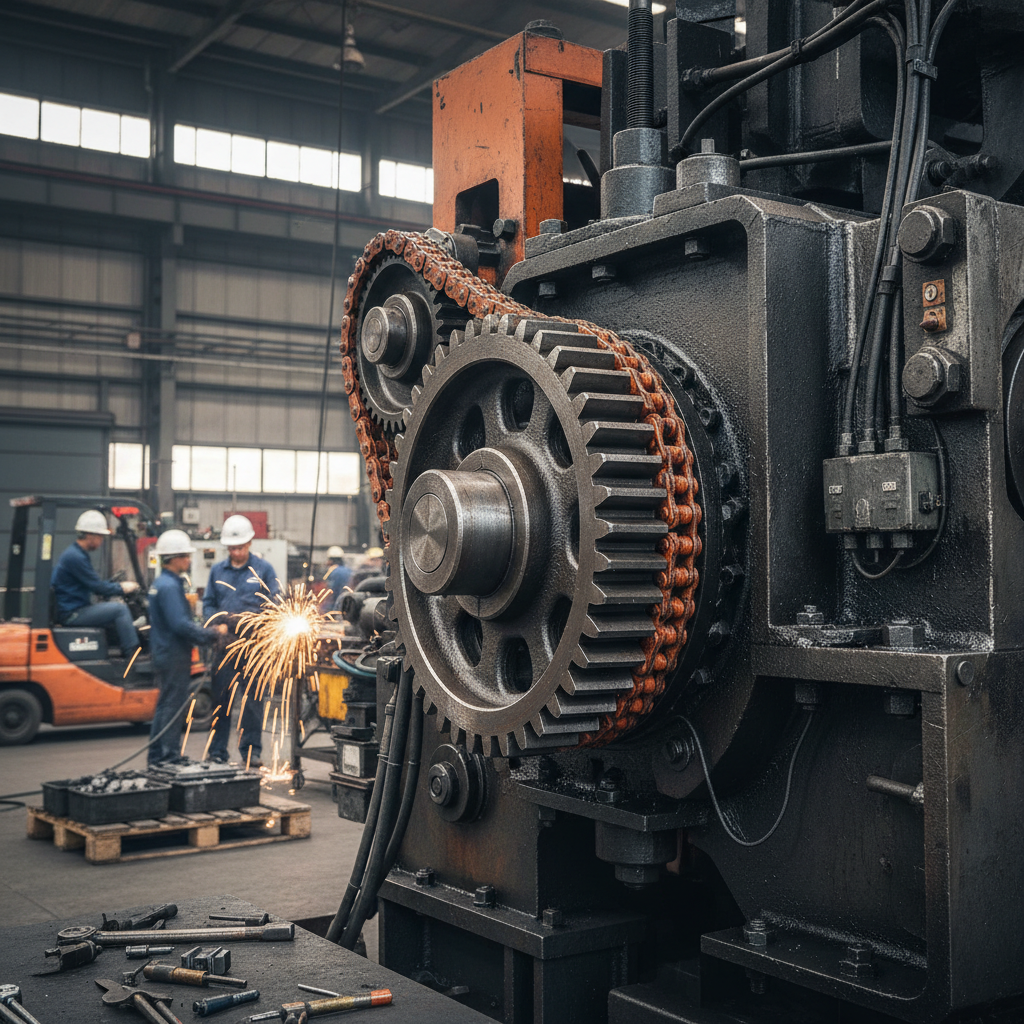
At its simplest, a pinion gear is the smaller gear meshing with a larger gear (often called the “gear wheel”) in a mechanical system. By engaging with the bigger gear, the pinion changes the speed, torque, and direction of motion.
Think of a bicycle’s smallest gear next to the bigger ones on the rear wheel — that’s a real-life pinion gear example. In industry, they are usually cylindrical and can have straight-cut or helical teeth depending on the application.
Pinion gears are everywhere — embedded within car steering assemblies, elevators, industrial conveyors, and even humanitarian aid equipment like water pumps. Their precision and reliability speak to how human innovation continually aims to improve fundamental engineering components.
Mini takeaway: Pinion gears are essentially small, vital cogs in the mechanical dance of power and motion.
Pinion Gear Fundamentals: Key Aspects You Should Know
1. Durability
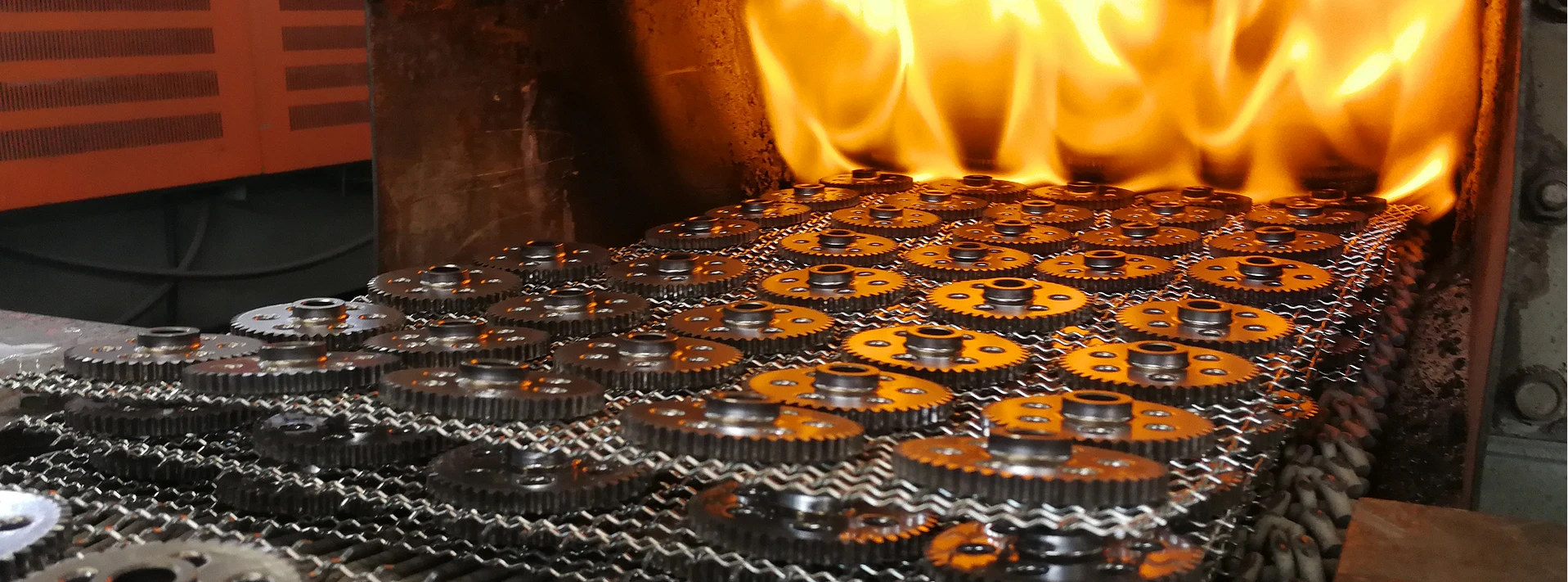
Pinion gears often endure relentless forces and friction, so materials like alloy steel with surface-hardening treatments are common. Durability means less downtime and fewer replacements in critical machinery.
2. Precision Engineering
The tooth profile and pitch must be engineered to exact standards. A tiny mismatch might cause noisy operation or mechanical failure, which many engineers say can be avoided with proper design and quality control.
3. Load Capacity
Depending on the application, pinion gears can be designed for light-duty roles (like robotics) or heavy-duty applications (like mining equipment). Knowing the expected load ensures the gear withstands operation stress without fatigue.
4. Scalability & Customization
Whether you need a tiny pinion gear for a micro-machine or a large one for industrial conveyors, manufacturers offer a range of sizes and custom tooth profiles optimized for specific motions and torque ratios.
5. Cost Efficiency
The balance between price and quality can be tricky. Advances in production, such as precision casting and CNC machining, have improved affordability while maintaining robust standards.
6. Compatibility & Integration
Pinion gears don’t work alone. Their shape and size must perfectly mesh with mating gears and systems like shafts and bearings, making integration vital for smooth operations.
Mini takeaway: Durability, precision, and customization are at the core of effective pinion gear application.
Real-World Use Cases and Global Deployment
Pinion gears have a hand in many industries and regions:
- Automotive: Fundamental to steering racks worldwide, from German luxury sedans to Indian motos.
- Renewable Energy: In wind turbines, pinion gears convert rotor motion into electricity generation, critical in Europe and North America.
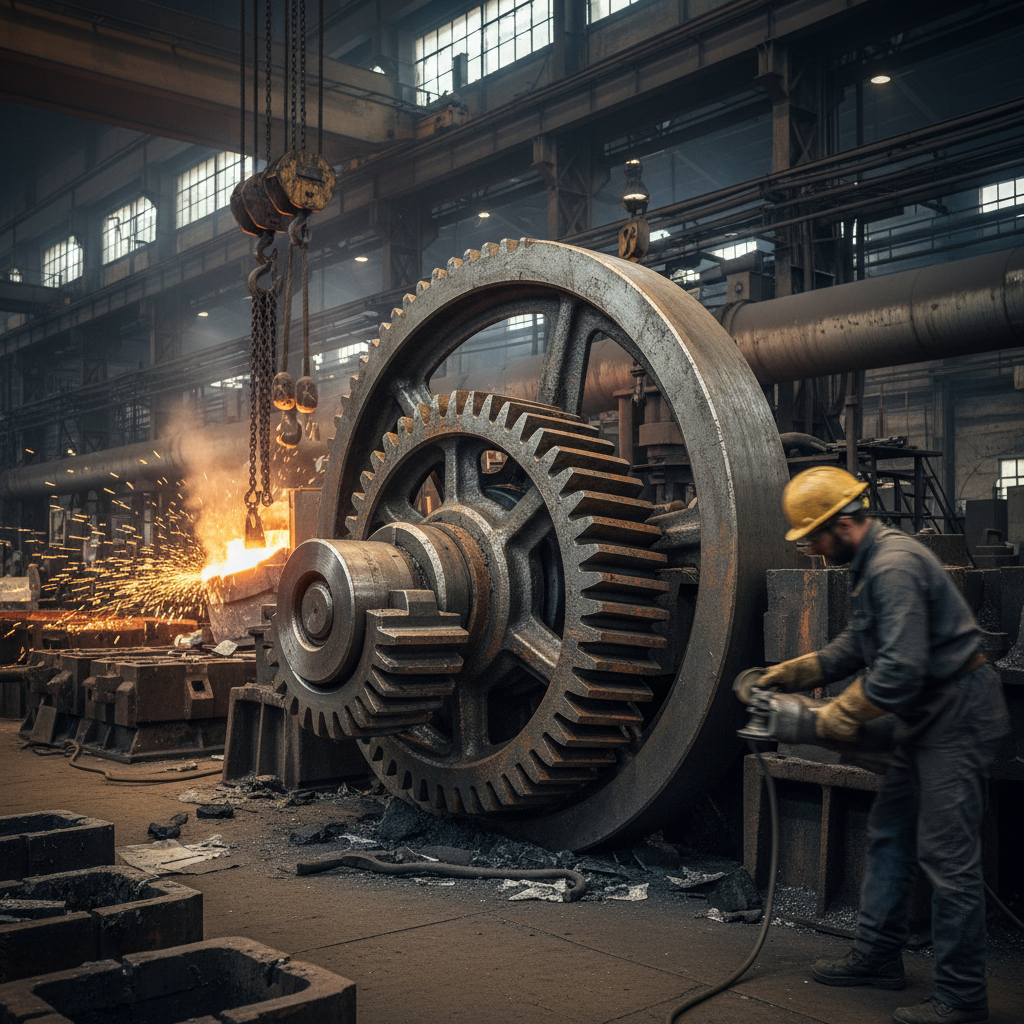
- Heavy Industries: Mining and manufacturing sites use robust pinions in conveyor systems — especially in Australia and South Africa.
- Disaster Relief Equipment: In post-earthquake or flood zones—say Haiti or Philippines—portable machines loaded with pinion gears ensure water pumps and generators keep working.
- Agriculture: Tractors and seed planters rely on these gears in regions like Brazil and Sub-Saharan Africa for food security.
Oddly enough, pinion gears link these disparate industries and geographies through their universal mechanical language.
Mini takeaway: Whether in a workshop or a remote disaster zone, pinion gear technology underpins critical machinery.
Advantages and the Lasting Value of Pinion Gears
The benefits stretch beyond simple mechanics:
- Reliability: Consistent performance safeguards human lives and expensive machinery.
- Cost Savings: Their long service life reduces maintenance budgets, often a blessing for developing regions.
- Sustainability: Innovations in materials and lubricants lower environmental footprints.
- Innovation Catalyst: Sophisticated pinion gear designs enable cutting-edge machinery in robotics and automation.
- Social Impact: They contribute indirectly to safety, dignity, and economic empowerment by enabling essential services.
It’s fascinating how such a small component affects so many aspects of modern life.
Mini takeaway: Pinion gears deliver a blend of economic, environmental, and social returns, often invisible but deeply felt.
Looking Ahead: Future Trends and Innovations in Pinion Gears
What’s next? The pinion gear sector is riding waves of innovation:
- Composite Materials: Carbon fiber blends for lightweight, high-strength gears especially in aerospace.
- Digital Design & Manufacturing: Simulation software allows perfect tooth designs cutting prototyping times.
- Green Manufacturing: Using less energy and waste in gear production aligns with global sustainability goals.
- Smart Gears: Integration of sensors to monitor gear health in real time, enhancing predictive maintenance.
- Automation: Automated assembly aligns with Industry 4.0 trends for safer, efficient factories worldwide.
Pinion gear evolution mirrors the march of technology itself — ever faster, smarter and greener.
Mini takeaway: The future pinion gear is not just a gear; it's a data-empowered, eco-friendly machine element.
Challenges with Pinion Gears and Innovative Solutions
Challenges persist, though:
- Material Fatigue: Constant stress leads to cracks; ongoing advances in metallurgy help but can be costly.
- Noise and Vibration: Improper alignment or design causes wear; engineers increasingly use helical gears and advanced lubrication.
- Cost vs. Quality: Lower-cost gears risk early failure. Partnering with trusted vendors ensures reliability.
- Supply Chain Complexity: Global sourcing can delay production; digital inventory tracking is easing logistical headaches.
Expertise combined with tech innovation is enabling better solutions for pinion gear issues — a bit of patience plus precision usually wins out.
Mini takeaway: Smart design and material advances continue to push pinion gear reliability higher despite old challenges.
Pinion Gear FAQ: What People Want to Know
- Q: How do I choose the right pinion gear for my machine?
- A: Consider load requirements, gear ratio, material compatibility, and precision needed. Consulting manufacturers or online spec sheets can help refine your choice.
- Q: Why do pinion gears sometimes make noise?
- Noise typically results from misalignment, wear, or insufficient lubrication. Regular maintenance and using helical gears can reduce this issue.
- Q: Can pinion gears be custom-made?
- Absolutely. Many suppliers offer customization in tooth geometry, size, and material to suit specific industrial applications.
- Q: Are pinion gears expensive to maintain?
- With proper design and lubrication, maintenance costs are low. However, using low-quality gears might lead to premature replacements and higher expenses.
- Q: Where can I buy reliable pinion gears globally?
- Reputable manufacturers are located worldwide, notably in Germany, Japan, and the USA. Online industrial marketplaces also provide access, with options for consultation.
Pinion Gear Technical Specifications
| Specification | Typical Value | Notes |
|---|---|---|
| Material | Alloy Steel (4140), Carbon Steel | Heat-treated for hardness |
| Mode of Teeth | Spur or Helical | Depends on noise/vibration needs |
| Pitch Diameter | Varies: 10 mm to 300 mm | Depends on application |
| Pressure Angle | 20°-25° | Affects tooth strength |
| Hardness (HRC) | 55-62 | Critical for wear resistance |
Comparing Leading Pinion Gear Vendors
| Feature / Vendor | GearMasters Inc. | PrecisionGears Ltd. | EcoDrive Solutions |
|---|---|---|---|
| Material Options | Standard Alloy Steel, Custom | Alloy Steel + Advanced Composites | Recycled Steel, Biopolymer Options |
| Customization | Full, includes tooth profile | Highly detailed CAD modeling | Focus on eco-friendly designs |
| Delivery Speed | 2-4 weeks | 3-5 weeks | Variable, depends on materials |
| Pricing | Mid-range | Premium | Competitive eco pricing |
| Sustainability Focus | Moderate, limited recycling | Active R&D on green tech | High, core philosophy |
If you’d like to dive deeper into pinion gear technicalities or even explore gear assemblies, check out our detailed guides and product listings at pinion gear.
Wrapping it Up: The Small Gear with a Big Future
So, what’s the final takeaway? The humble pinion gear is both an enduring classic and a frontier of innovation. Its small size masks its immense role in powering industries, advancing technology, and supporting sustainability efforts worldwide. Gearing up with the right pinion gear is not just a technical choice; it’s a smart business and social decision.
Whether you’re an engineer, procurement manager, or simply a mechanical enthusiast, remembering the value behind these little mechanical dynamos can make all the difference.
Want to explore quality pinion gear solutions? Visit our online hub at pinion gear and start powering your projects with precision.