






Small Metal Gears: Tiny Components, Huge Global Impact
If you pause for a moment and think about the countless machines that power our modern lives, from watches to industrial robots, you’ll find that small metal gears play an often invisible but vital role. These modest mechanical components transmit power and motion in everything — from medical devices to automotive transmissions. Their significance can’t be overstated, especially as industries grow more automated and miniaturized around the globe.
Why should we care about small metal gears on a large scale? For one, they enable precision and reliability in machines used worldwide, supporting everything from manufacturing and transport to humanitarian aid equipment. Understanding their design, applications, and trends offers insights into how intricate engineering quietly fuels global infrastructure and emergent technologies.
Mini takeaway: Small metal gears may be tiny, but their contribution to industrial efficiency and global technology advancement is enormous — a fact too often overlooked.
Why Do Small Metal Gears Matter Globally?
Let’s place these little mechanical marvels in a global context. According to ISO standards, gears are critical components in industrial automation, which affects over two billion workers worldwide. Economies rely on manufacturing sectors where precise small gears enhance machine performance and longevity, which again impacts productivity and reliability.
But there’s more: many developing regions depend on equipment involving small metal gears for critical infrastructure — think water pumps or energy-efficient farming machinery. The World Bank notes that improving machinery durability boosts regional economies by reducing repair costs and downtime.
The challenge is that producing small metal gears with precise tolerances and materials isn’t trivial, especially when trying to balance cost, weight, and durability. As industries push for lighter, stronger, and more compact machinery, gear manufacturers face increasing pressure to innovate — which is why understanding these gears is more pressing than ever.
What Exactly Are Small Metal Gears?
Put simply, small metal gears are compact toothed wheels made primarily from metals like steel, brass, or stainless alloys. They mesh with other gears to transmit torque and alter rotational speeds or directions.
Their 'small' size can vary — generally, diameters under 50 mm, sometimes even smaller in specialized applications. These gears bring power transmission to tight or precise spaces, often where larger gears just won’t fit or wouldn’t deliver the accuracy required.
In modern industry, they’re the unsung heroes inside everything from small metal gears-based servo motors powering robotics to durable components within energy meters and agricultural machinery — meeting both high-tech and humanitarian needs.
Core Factors That Make Small Metal Gears Tick
1. Material & Durability
The choice of metal impacts strength, wear resistance, and corrosion tolerance. Hardened steel gears provide longevity in high-stress settings, while brass or bronze might be preferred where noise reduction or lubrication compatibility is critical.
2. Precision Engineering
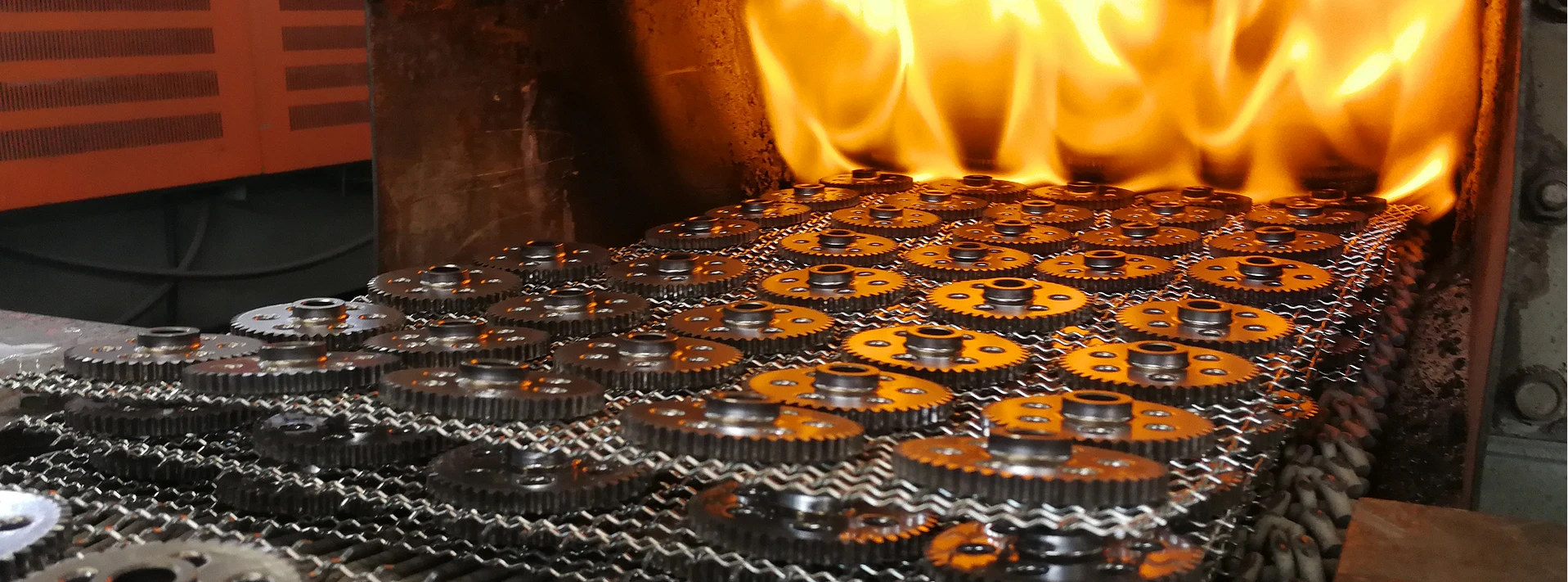
Manufacturing these gears requires tight tolerances — often within microns — to ensure smooth, efficient power transfer and minimize backlash. Processes like CNC machining, powder metallurgy, and sintering play key roles here.
3. Scalability & Customization
Small metal gears suit a range of industries with varied specs. Manufacturers often tailor tooth profiles, coatings, and materials to client needs, balancing cost with performance for each use case.
4. Cost Efficiency
Mass production techniques such as powder metallurgy allow economies of scale, reducing price per unit without compromising on quality. This makes these gears accessible across sectors big and small.
5. Environmental Compatibility
With demand growing for sustainable products, materials and processes that reduce environmental impact — like low-energy sintering or recyclable metals — are gaining traction.
Mini takeaway: The secret of effective small metal gears lies within a careful marriage of materials, precision, scalability, cost, and eco-conscious manufacturing.
Where Are Small Metal Gears Used Around the World?
- Medical Devices: High-precision surgical instruments and prosthetics use small gears for reliable movements.
- Automotive Industry: Gearboxes and steering systems demand miniature gears with high fatigue strength.
- Agriculture: In developing countries, durable pumps or machinery use these components to improve efficiency and crop yields.
- Consumer Electronics: From printers to drones, small metal gears translate electric motor motion into precise movements.
- Humanitarian Aid Equipment: For example, solar-powered water pumps for remote areas depend on these gears for efficient energy transfer.
Regions such as Southeast Asia and sub-Saharan Africa are increasingly manufacturing or importing machinery that incorporate these gears — modernizing industries and improving quality of life.
Product Specification Table: Typical Small Metal Gear Features
| Parameter | Typical Range/Value | Remarks |
|---|---|---|
| Material | Steel, Brass, Stainless Steel | Depends on application and wear resistance needs |
| Module (Pitch) | 0.1–2 mm | Determines gear tooth size |
| Diameter | 5–50 mm | Small gears for compact assemblies |
| Hardness | HV 400–700 | Hardened surfaces for wear resistance |
| Manufacturing | Powder Metallurgy, CNC, Sintering | Varies by required precision |
How Do Vendors Compare in Small Metal Gear Manufacturing?
| Feature | Vendor A | Vendor B | Vendor C |
|---|---|---|---|
| Material Options | Steel, Brass, Bronze | Steel, Stainless Steel | Custom alloys |
| Precision Level (μm) | ±5 | ±3 | ±2 |
| Eco-Friendly Processes | Yes | No | Limited |
| Customization Capability | High | Medium | High |
| Average Lead Time | 4 weeks | 2 weeks | 5 weeks |
Why Choose Small Metal Gears? The Long View
Small metal gears deliver a bundle of benefits beyond their size:
- Cost Efficiency: Their durability reduces repair and replacement expenses.
- Reliability: Tight engineering standards ensure consistency in performance.
- Sustainability: Many manufacturers are moving towards eco-friendlier materials and processes.
- Social Impact: They improve machinery that supports livelihoods and access to critical services worldwide.
- Innovation Driver: The demand for miniaturized, precise components fuels advancements in engineering techniques.
Frankly, owning or manufacturing top-quality small metal gears can inspire trust — a feeling many engineers say is priceless in today’s fast-moving industrial landscape.
Looking Ahead: What’s Next For Small Metal Gears?
Emerging trends like additive manufacturing (3D metal printing) and advanced composite coatings hint at a future where small metal gears will be lighter, stronger, and easier to produce in limited runs. Digital transformation impacts quality control and design optimization, making development cycles faster.
Moreover, as green initiatives push harder, expect more gears made with recycled metals or through lower-carbon footprint production methods. There’s also a growing push for "smart" gears integrated with sensors monitoring wear or performance in real time, a game-changer for predictive maintenance.
Common Challenges — And How The Industry Tackles Them
Challenges include:
- Manufacturing Precision: Achieving highly accurate teeth in tiny sizes requires advanced, costly equipment.
- Material Limitations: Balancing hardness and toughness is tricky, especially under variable loads.
- Cost Constraints: High-quality gear production can be expensive at small scales.
However, innovations like powder metallurgy and automated inspection systems help reduce costs and improve quality. Collaborative R&D between OEMs and gear manufacturers speeds up tailor-made solutions.
FAQs: Small Metal Gears Explained
- What materials are best for small metal gears used in high-precision applications?
- Typically, hardened steel alloys are preferred for their durability and wear resistance, but brass or bronze can be used when quieter operation is important. The choice depends on load, environment, and required lifespan.
- How do manufacturing processes like sintering improve gear production?
- Sintering compacts metal powders into precise shapes, reducing waste and allowing complex geometries. It’s efficient for mass production and achieves repeatable quality, which helps keep costs down.
- Are small metal gears recyclable or eco-friendly?
- Yes, most metal gears are recyclable due to their metallic nature. Furthermore, many companies now use recycled metals and energy-efficient production techniques to reduce environmental impact.
- How can small metal gears be customized for specific industries?
- Customization comes through material selection, tooth profile changes, coatings, and precision level adjustments, balancing performance with cost based on individual project needs.
- What industries are driving the demand for smaller, more precise metal gears?
- Automotive, robotics, medical devices, and renewable energy industries all require more compact, reliable gearing solutions to meet technological advancements and space constraints.
Wrapping it up — Why Small Metal Gears Deserve Your Attention
In essence, these tiny components quietly underpin a vast array of devices crucial to daily life and industry worldwide. Their precise manufacture and thoughtful material choices enable machinery that’s efficient, durable, and increasingly sustainable.
If you need reliable, precision-engineered small metal gears for your projects, exploring leading suppliers and their technologies is key. Visit our website to discover how our products can meet your exact needs and help power your innovations.
References:









