




Understanding Sector Gear: The Unsung Hero of Modern Industry
At first glance, the term sector gear might not evoke the sort of excitement that pops up with, say, AI or green energy. But if you work in machinery, manufacturing, or even disaster relief logistics, you know these components quietly underpin a ton of heavy-duty operations worldwide. Their clever design not only improves operational efficiency but also addresses critical challenges in space, cost, and durability. Learning about sector gears isn't just industrial curiosity; it’s a glimpse into a foundational element that powers sector-specific machines everywhere.
Global Importance: Why Sector Gears Matter Across Industries
The global machinery market is booming, and with that, so is the demand for reliable components that balance strength with precision. According to the International Organization for Standardization (ISO), the gear industry is seeing steady growth, partly driven by the industrial automation wave and infrastructure projects in developing regions.
Sector gears—arc-shaped gear segments with teeth on their curved edge—excel in tight spaces where full gears can’t fit or aren’t necessary. They’re a smart solution for large rotating parts found in cranes, excavators, and even solar trackers. Yet, they also address a sticky problem: how to provide robust rotation control in machines without marshaling too much space or cost for a full gear assembly. It’s this precise intervention that has won sector gears favor globally, particularly in places where industrial infrastructure is still evolving but demands reliability.
Quick takeaway: Sector gears are pivotal in optimizing large-scale mechanical motion, especially where size and cost constraints are tough to overcome globally.
What Is a Sector Gear?
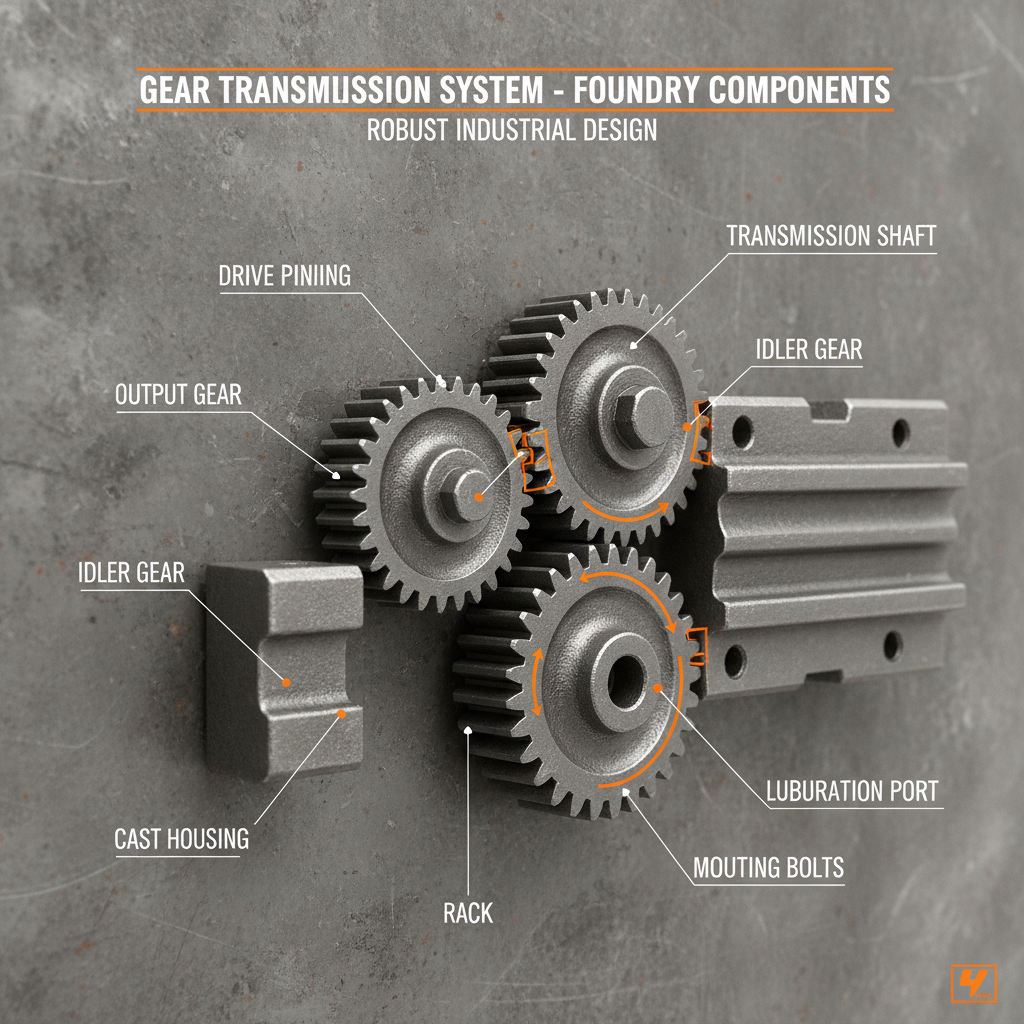
Simply put, a sector gear is a partial gear — like a slice cut out of a full circular gear. By focusing on the section really needed, they reduce weight and material waste while still transmitting torque efficiently. This makes them ideal for systems that rotate through limited angles instead of spinning full circles.
We see their usage often where machinery needs to move precisely across an arc or sector of its possible range, such as in steering mechanisms, elevator platforms, or satellite dishes. The design cleverly balances mechanical strength with tailored application-specific motion, making them invaluable in both high-tech and humanitarian sectors.
Core Components and Features of Sector Gears
1. Material Quality and Durability
Sector gears are typically manufactured from hardened steels or alloys designed to withstand heavy loads and resist wear. This ensures longevity under continuous operation — think conveyor cranes hoisting tons of cargo daily.
2. Precision Machining
The teeth profile and pitch must be cut with great accuracy to mesh perfectly with pinions, avoiding failure or excessive noise in sensitive environments like industrial facilities or renewable energy plants.
3. Size and Weight Optimization
One big reason for their popularity is the material savings and weight reduction compared to full gears. This leads to lighter equipment, which in turn can lower energy usage and increase scalability.
4. Customization & Scalability
Since different applications require different sectors (e.g., 60°, 90°, or 120° arcs), manufacturers often tailor sector gears to fit unique machine requirements — think of it as bespoke gearing.
5. Cost Efficiency
By reducing raw material usage and simplifying installation processes, sector gears represent a cost-effective alternative to full circular gears, a pressing concern for industries on tight budgets.
Mini takeaway: Durability and tailored sizing are key strengths of sector gears, which explains their adaptability in diverse industries.
Real-World Applications of Sector Gears
Sector gears quietly support industry sectors from construction to energy. For instance, in post-disaster relief, cranes with sector gears enable quick deployment of heavy supplies where space and timing are critical. In remote mining operations across Africa and Australia, they help drive excavators without adding unnecessary bulk or weight to mobile machinery.
In solar energy farms, sector gear assemblies help rotate solar panels precisely toward the sun, which optimizes power generation. Manufacturers in Europe and Asia have also embraced this technology for robotic arms and factory automation setups.
One interesting note: NGOs working in humanitarian logistics often source specialized sector gears for container-based facilities — those modular structures used during emergencies — to facilitate easy movement and setup.
Advantages and Lasting Impact
- Cost Savings: Less raw material and easier installation directly translate to budget-friendly projects.
- Space Efficiency: Their partial construction means machines can be more compact without sacrificing performance.
- Reliability: Strong materials and precision machining ensure consistent, long-term service.
- Sustainability: Lighter equipment reduces energy and maintenance footprints, aligning with global efforts to lower industrial environmental impact.
- Safety and Trust: By powering dependable machinery, sector gears contribute to safer work environments and build trust globally.
Product Specification Table for a Typical Sector Gear
| Specification | Value / Range |
|---|---|
| Material | Alloy Steel Q345/42CrMo4 |
| Surface Treatment | Case Hardened, Nitride, or Heat Treated |
| Arc Length | 60° - 180° |
| Module (Tooth size) | 2 mm to 16 mm |
| Max Load Capacity | Up to 150 kN |
| Weight Range | 10 kg to 250 kg (depending on size) |
Vendor Comparison: Leading Sector Gear Manufacturers
| Supplier | Customization Options | Delivery Speed | Price Range | Notable Clients |
|---|---|---|---|---|
| JSS Sintering | Full bespoke sector arcs | 3-4 weeks | Mid-range | Construction, Renewable Energy |
| GearTech Corp | Standard arcs only | 2 weeks | Budget | Mining, Agriculture |
| Precision Gears Ltd. | Semi-custom | 4-5 weeks | Premium | Aerospace, Robotics |
Looking Ahead: Innovations in Sector Gear Technology
The future of sector gears is tightly linked with materials science and digital manufacturing. We’re seeing a push toward lighter composites with heat resistance, driven by the need for higher energy efficiency and sustainability — a nod to global climate goals. Integration with IoT sensors is another promising frontier; self-monitoring gears could alert maintenance teams before failure, saving costly downtime.
Automation and 3D metal printing are also reshaping how custom sector gears are produced, enabling faster prototyping and out-of-the-box design possibilities. This is especially critical in sectors demanding rapid deployment and adaptability, such as disaster relief or evolving renewable energy infrastructure.
Common Challenges and Practical Solutions
Even though sector gears are practical, they’re not without complications. One hurdle is ensuring proper tooth engagement under heavy alternating loads — misalignment can cause noise, wear, or, worse, failure. Many engineers say advanced heat treatments and stricter quality control protocols have helped minimize these issues.
Customization lead times and costs can also be a barrier, but modular design approaches and digital simulation tools are cutting these down significantly — fostering better communication between designers and end users early in the process.
FAQ: Your Questions on Sector Gear Answered
Q1: How does a sector gear differ from a conventional gear?
A sector gear represents just a segment of a full gear wheel, designed to transfer rotational motion over a limited angle rather than continuous rotation. This makes it perfect for applications requiring partial rotation or where space constraints exist.
Q2: What industries benefit most from using sector gears?
Industries like construction, mining, renewable energy, and even humanitarian logistics benefit because sector gears combine strength, efficiency, and cost-effectiveness tailored to specific rotational needs.
Q3: Can sector gears be custom made for unique machine designs?
Absolutely. Many manufacturers, including sector gear suppliers, offer bespoke options that cater to particular angles, tooth profiles, and materials suited to your project requirements.
Q4: How long do sector gears typically last in severe working conditions?
With the right material and surface treatment, sector gears can last years in tough environments, but regular maintenance and alignment checks are critical to extending their service life.
Q5: How do I ensure a smooth supply chain if I’m sourcing internationally?
Work with reputable vendors known for consistent quality and delivery records. Also, consider designers that provide thorough documentation and after-sales support to ease customs and installation processes.
In Conclusion: Why Sector Gears Are a Timeless Solution
Long story short, sector gears may not grab headlines, but they’re a key piece of the industrial puzzle. Their smart use of material, adaptability, and reliable performance make them a favorite across a spectrum of machinery and industries — from the dusty mines of Australia to solar farms in Europe. For anyone building or maintaining machines that need partial rotation with a punch of durability, sector gears are definitely worth a close look.
If you want to explore tailored sector gear solutions, visit our website at https://www.jssintering.com. You might be surprised how much difference the right gear slice can make.