




The Unsung Hero of Mechanical Power: Why Gear Couplings Matter Globally
Gear couplings might not be the flashiest element of mechanical engineering, but their role in keeping industries humming worldwide is quietly significant. In simplest terms, gear couplings connect two shafts to transmit torque while accommodating slight misalignments. From manufacturing plants in Europe to hydroelectric turbines in South America, their global footprint is vast. Understanding these nifty devices unlocks the door to appreciating modern machinery’s reliability and efficiency — and why even a small fault here could ripple into bigger operational setbacks or safety issues.
Globally, power transmission losses and unexpected downtimes exact billions in lost revenue annually (ISO reports confirm the impact). Gear couplings directly address this by enhancing shaft alignment tolerance and boosting torque capacity — a crucial factor that resonates across sectors, from heavy industry to infrastructure rebuilding efforts.
Gear Couplings Explained: What Are They and Why Should You Care?
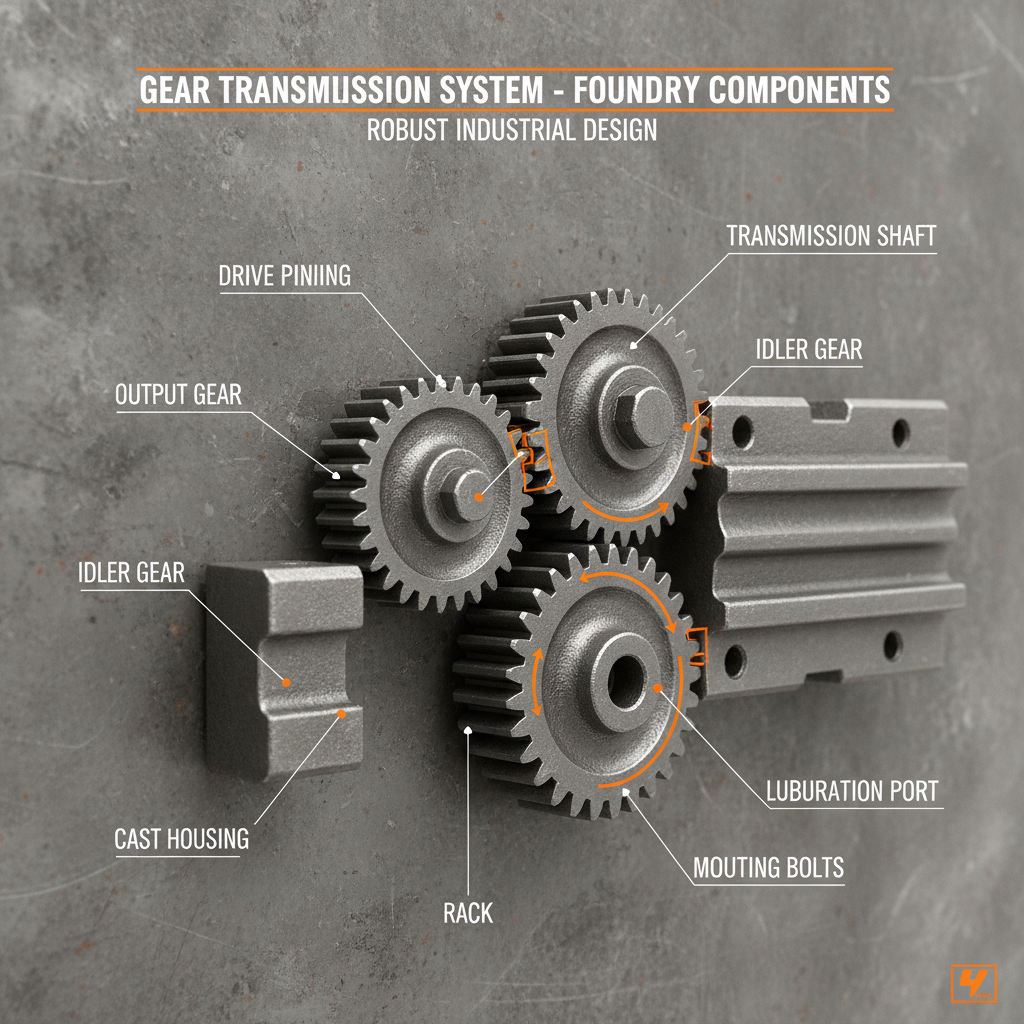
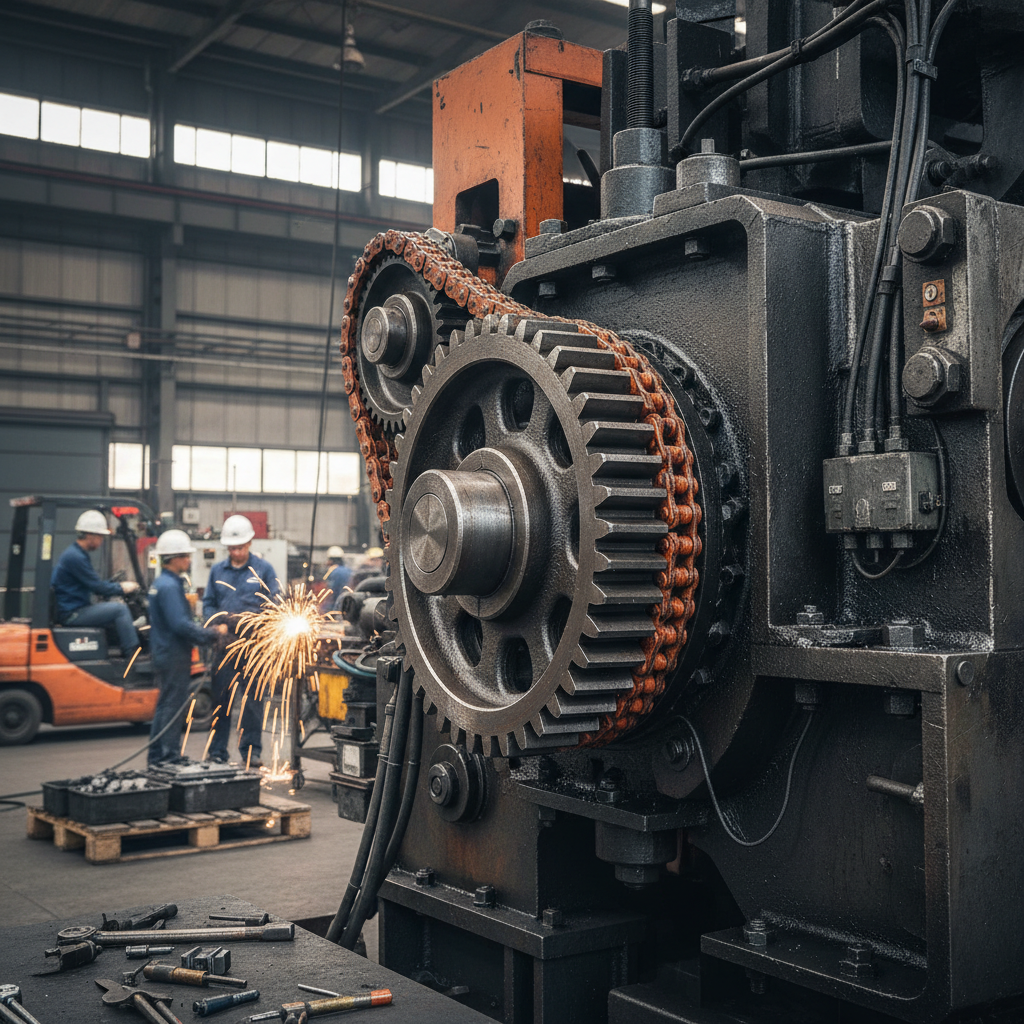
In a nutshell, a gear coupling is a mechanical device that connects two rotating shafts to transmit torque when their alignment isn't perfectly straight. Imagine two bicycle gears meshing but enclosed inside a heavy-duty housing that also lets the shafts tilt or shift slightly without breaking anything. This flexibility lets machines work smoothly even under intense stress or thermal expansion, which can cause microscopic bends or shifts.
The connection between gear couplings and modern industry is profound. As production scales up and machinery becomes complex, the demand for components that ensure both durability and flexibility ramps up. Gear couplings bridge this exact gap by minimizing downtime and prolonging equipment life — quite literally acting as the silent guardian against drivetrain chaos.
Core Components and Key Features Making Gear Couplings Effective
1. Durability
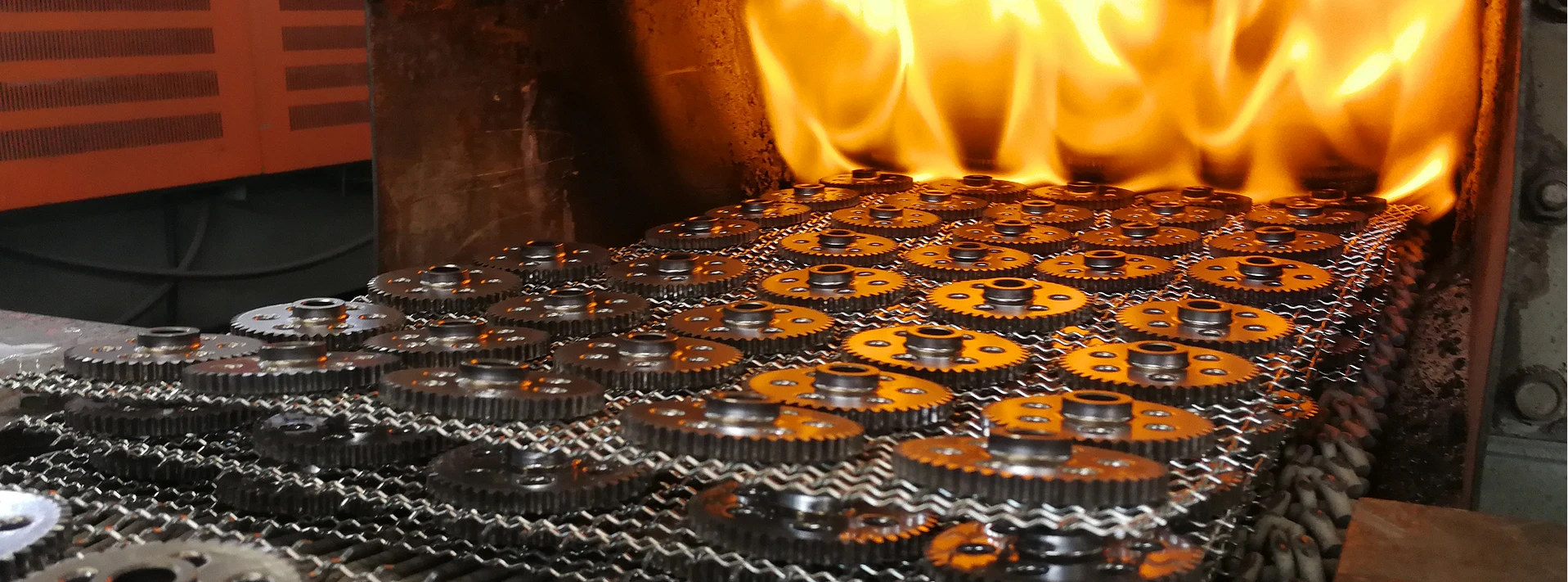
Many engineers remark on the extraordinary longevity of gear couplings when built with high-grade alloys and precision teeth machining. This strength means fewer replacements and less frequent maintenance — a real money saver over time.
2. Misalignment Tolerance
One of the key virtues of gear couplings is the ability to handle angular, parallel, and axial misalignment — roughly up to a few degrees or millimeters, depending on the design. Without this, machines risk excessive vibration and wear.
3. Torque Capacity
Gear couplings come in a wide range of torque ratings, from a few hundred Nm to several thousand, suiting everything from small conveyors to giant mining equipment drives.
4. Lubrication and Sealing
Proper sealing prevents contamination ingress and ensures lubrication longevity — crucial for performance. Many modern designs come with sealed-for-life gear couplings, though others require periodic greasing.
5. Cost Efficiency
Differing from more complex coupling types, gear couplings offer a robust balance between efficiency and upfront cost, especially valuable when downtime is expensive.
| Specification | Typical Range / Value | Notes |
|---|---|---|
| Torque Capacity | 500 - 10,000 Nm | Varies by size and material |
| Misalignment Tolerance | Up to 3° angular, 1.5 mm axial | Allows minor shaft deflections |
| Material | Alloy Steel, Stainless Steel | Depending on environmental needs |
| Lubrication Type | Grease / Oil (sealed variants available) | Impacts maintenance cycles |
| Operating Temperature | -30°C to +120°C | Varies with seals and materials |
Real-World Applications Putting Gear Couplings to Work
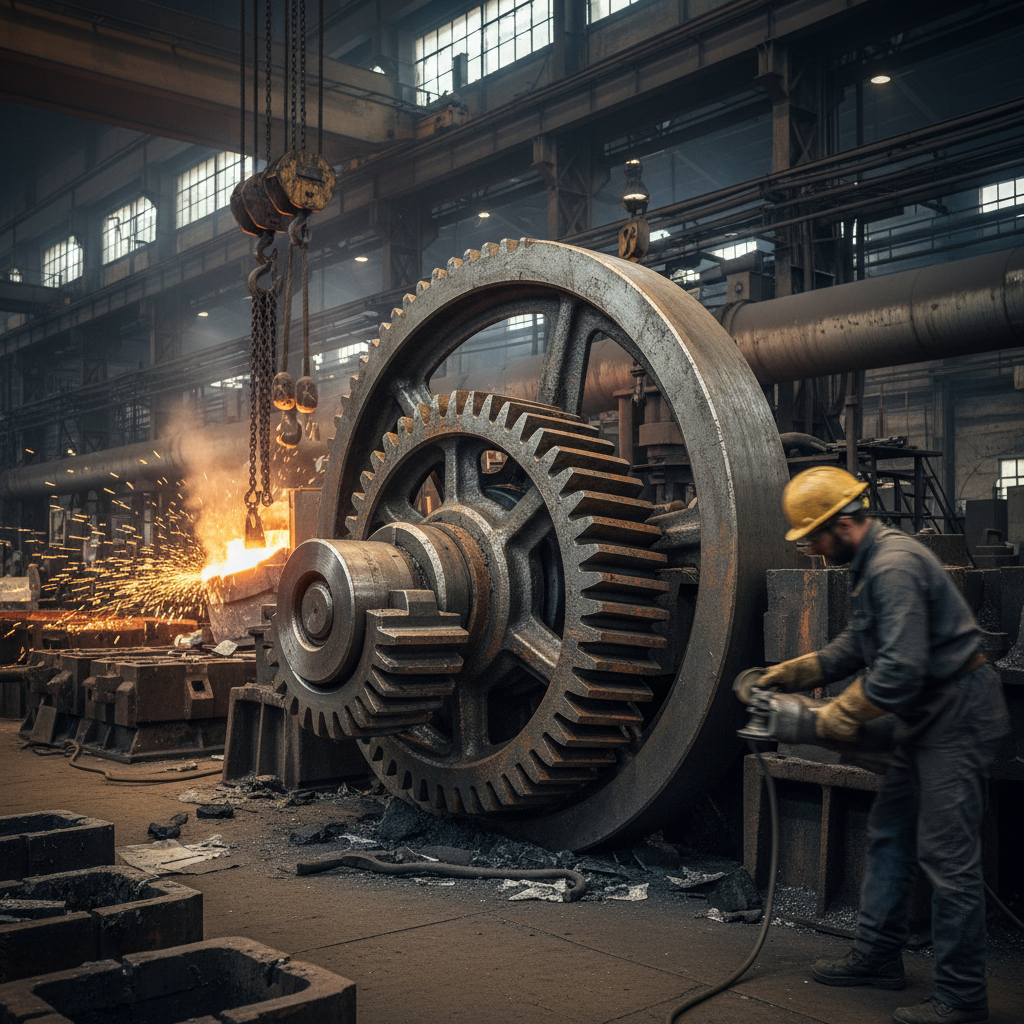
Gear couplings find themselves in surprisingly diverse settings. In energy sectors, like wind turbines and large hydro plants, they bridge power converters and rotors, tolerating wind gust-induced vibrations. Heavy industries across Asia, such as steel mills and paper plants, leverage gear couplings because they... bear unpredictable stresses and frequent temperature swings. It's odd but fascinating to see how humanitarian projects in remote areas — think mobile water purification systems or portable relief generators — also integrate gear couplings to ensure reliability where maintenance is patchy.
For instance, the International Renewable Energy Agency highlights that expanding renewable infrastructure in Africa alone has increased the demand for durable couplings by roughly 15% yearly. Infrastructural resilience becomes critical when electrical grids strain under increasing urbanization.
Benefits Beyond the Specs: Why Choosing the Right Gear Coupling Pays Off
- Cost Savings: Higher durability means fewer replacements and less downtime — which equals big savings in industrial operations.
- Sustainability: Longer life and sometimes recyclable materials contribute to greener manufacturing and less waste.
- Safety: Reduces risk of mechanical failure and accidents, which builds confidence among operators and stakeholders.
- Trust & Innovation: Reliable torque transmission fosters innovation by letting engineers design more efficient machines without safety trade-offs.
Many industrial operators have told me they simply 'can't afford to skimp' on quality couplings, especially when dealing with hazardous or mission-critical environments. It's a question of not just money but dignity in labor and pride in reliable machinery.
The Road Ahead: Trends and Innovations in Gear Couplings
Advances in materials science — like enhanced alloys and polymer coatings — are pushing gear couplings to endure even harsher conditions while remaining lightweight. Furthermore, "smart" couplings embedded with sensors are starting to deliver real-time data on torque, temperature, and wear to predictive maintenance platforms — a game changer in reducing unplanned shutdowns.
The rise of green energy has also ramped up demand for couplings that accommodate variable speeds and fluctuating loads, especially in wind and tidal turbines. Digital transformation in heavy industry means these couplings will soon fit seamlessly into the Internet of Things (IoT) ecosystem.
Challenges That Still Need Solving
Despite their strengths, gear couplings aren't perfect. Misalignment beyond design limits can still trigger wear, and in harsh, dirty environments, lubrication failure remains a threat. Manufacturers and engineers often wrestle with maintenance access in cramped setups too.
However, thanks to ongoing R&D, solutions like self-lubricating materials and modular designs that snap into place are emerging. Some vendors even offer custom gearbox-coupling combos tailored to specific industrial challenges, reducing installation headaches.
| Vendor | Product Range | Special Features | Typical Applications | Price Tier |
|---|---|---|---|---|
| HelicalTech Inc. | 250 Nm - 8,000 Nm | Sealed-for-life option, sensor integration | Wind turbines, conveyors | Mid-High |
| PowerLink Couplings | 500 Nm - 15,000 Nm | Modular design, easy maintenance | Mining, heavy industry | High |
| EcoSyn Couplings | 100 Nm - 3,000 Nm | Recyclable materials, low-maintenance | Light manufacturing, agricultural machines | Budget-Friendly |
FAQs About Gear Couplings
- How do gear couplings differ from other types of couplings?
- Gear couplings uniquely combine torque capacity with misalignment tolerance through interlocking gear teeth, unlike flexible or chain couplings which may be less precise or durable. This makes them ideal for heavy-duty, high-torque applications where shaft alignment is imperfect.
- What maintenance do gear couplings typically require?
- Generally, maintenance involves regular lubrication to minimize wear, checking gear tooth integrity, and monitoring seals to prevent contamination. Some modern couplings are sealed-for-life, reducing routine tasks.
- Can gear couplings be used in high-temperature environments?
- Yes, but selection of materials and seals must match the temperature range. Standard gear couplings often handle up to 120°C, but specialized designs can operate in harsher thermal conditions.
- Are gear couplings customizable?
- Absolutely. Many vendors offer tailored designs to fit unique shaft diameters, torque needs, or environmental requirements — enhancing performance and lifespan in specific industrial environments.
- Where can I learn more or buy reliable gear couplings?
- Trusted manufacturers and distributors provide detailed catalogs and technical advice. For example, check out gear couplings. Their expertise spans from testing to installation support.
Wrapping It Up: Gear Couplings as a Strategic Choice
All things considered, gear couplings are quietly revolutionizing how industries approach power transmission challenges — offering a smart balance of efficiency, durability, and adaptability. As industries embrace sustainability and digital transformation, gear couplings are stepping up with innovations that keep machinery resilient and operators confident.
For those interested in optimizing machinery performance or exploring cutting-edge coupling tech, I encourage you to visit our website and dive into a world where engineering meets innovation.
References: