




The Unsung Heroes of Industry: Understanding Spur Gears and Their Global Importance
Have you ever wondered how machines silently do their job with such precision and reliability? One of the key components behind that smooth operation is the humble spur gear. These mechanical workhorses transfer power efficiently across countless industries worldwide, quietly enabling everything from factory automation to transportation systems. Understanding spur gears isn’t just an engineering nerd’s fascination — it’s essential in appreciating how modern life ticks forward, especially in a world that grows more reliant on machinery every day.
In real terms, mastering the nuances of spur gears translates to improved machinery performance, reduced downtime, and ultimately, cost savings on a global scale. Industries from automotive to aerospace depend on these simple yet crucial devices. Let’s dive in.
Global Context: Why Spur Gears Matter More Than You Think
According to ISO standards, gears — especially spur gears — form the backbone of power transmission systems. Globally, the mechanical power transmission market is expected to reach billions (USD), reflecting how vital components like spur gears remain in manufacturing and infrastructure. The World Bank’s data on industrial growth suggests that emerging economies are investing heavily in mechanization, meaning demand for reliable gears increases exponentially.
Yet, challenges remain: supply chain disruptions, rising material costs, and the need for sustainability push gear manufacturers toward innovation. Poor gear performance can cascade into machinery failure, disrupting production lines just when resilience is most needed. Spur gears address these challenges by offering a straightforward, cost-effective solution, combining durability and ease of manufacture.
Mini takeaway:
Spur gears are foundational in the machinery that powers economic growth globally — their role is quietly enormous and worth understanding.
What Are Spur Gears? A Simple Definition With Big Implications
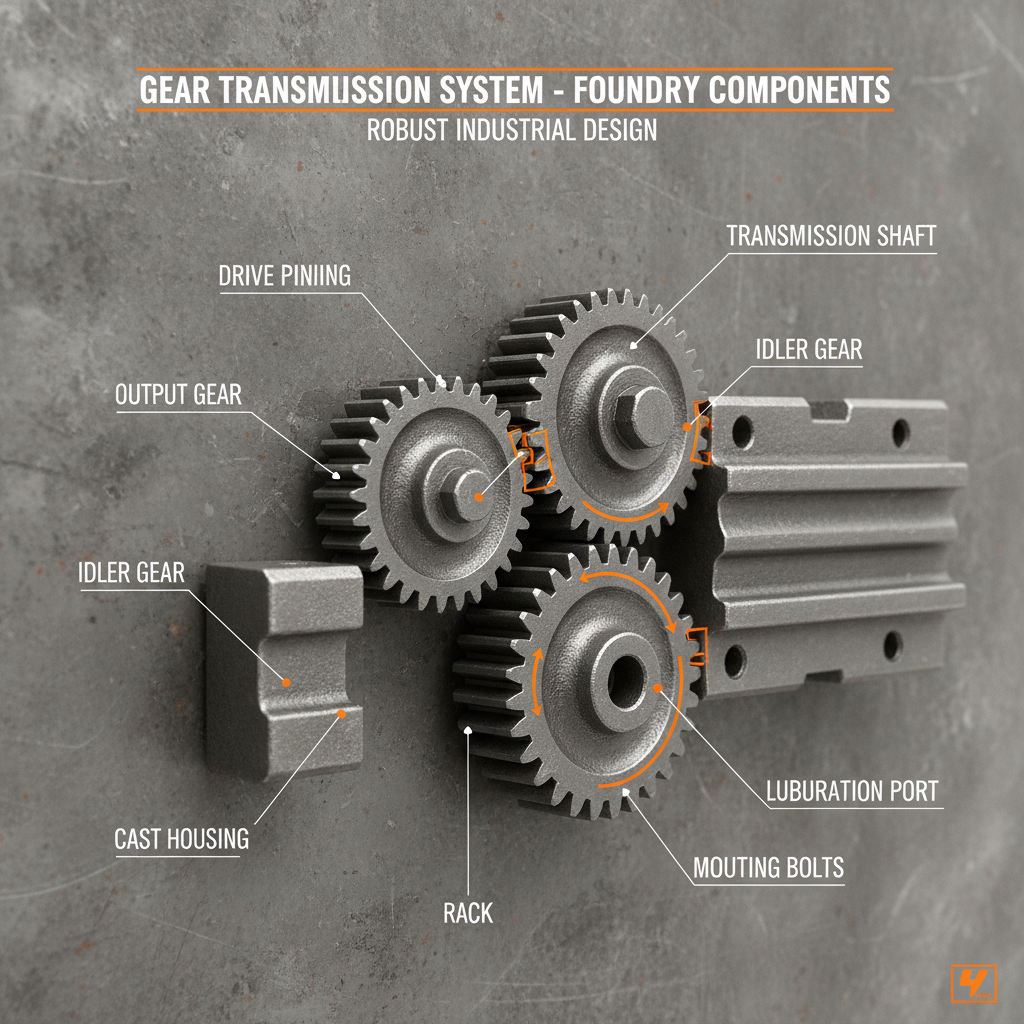
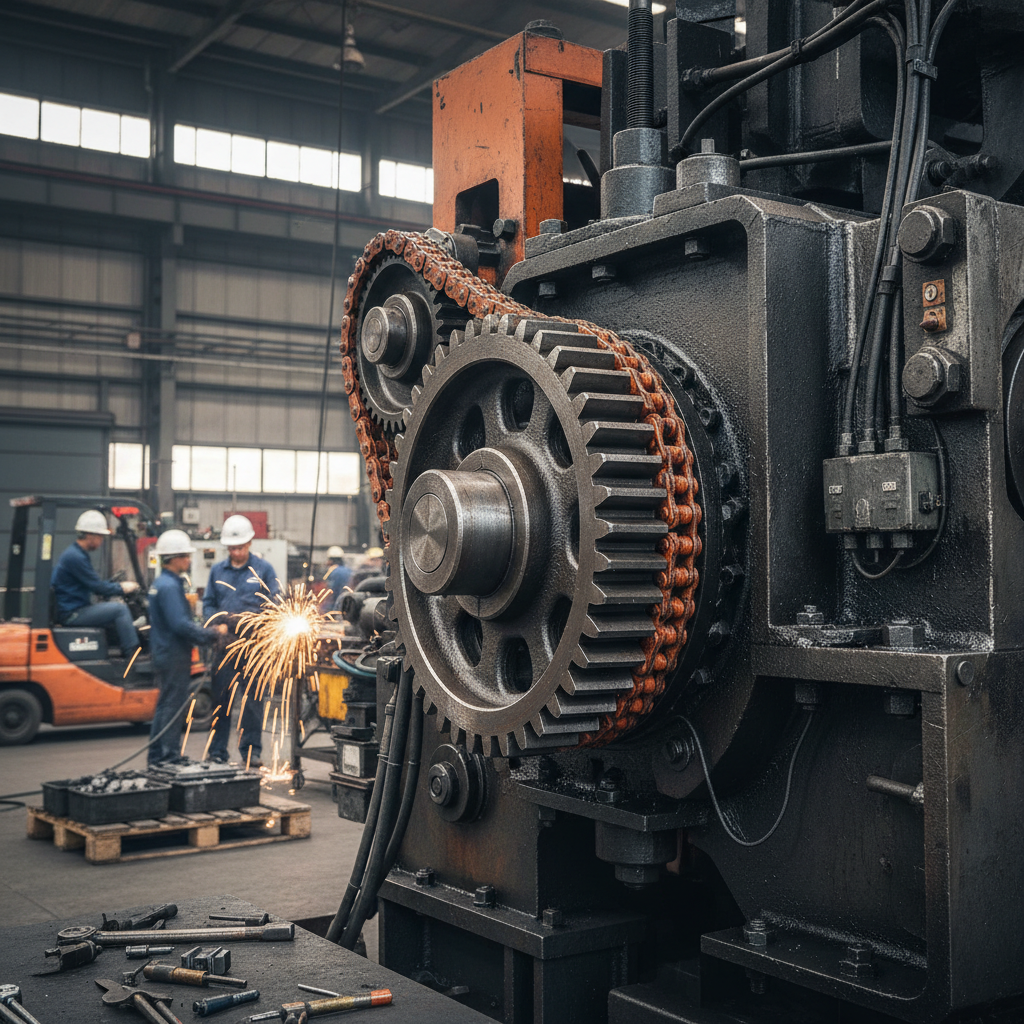
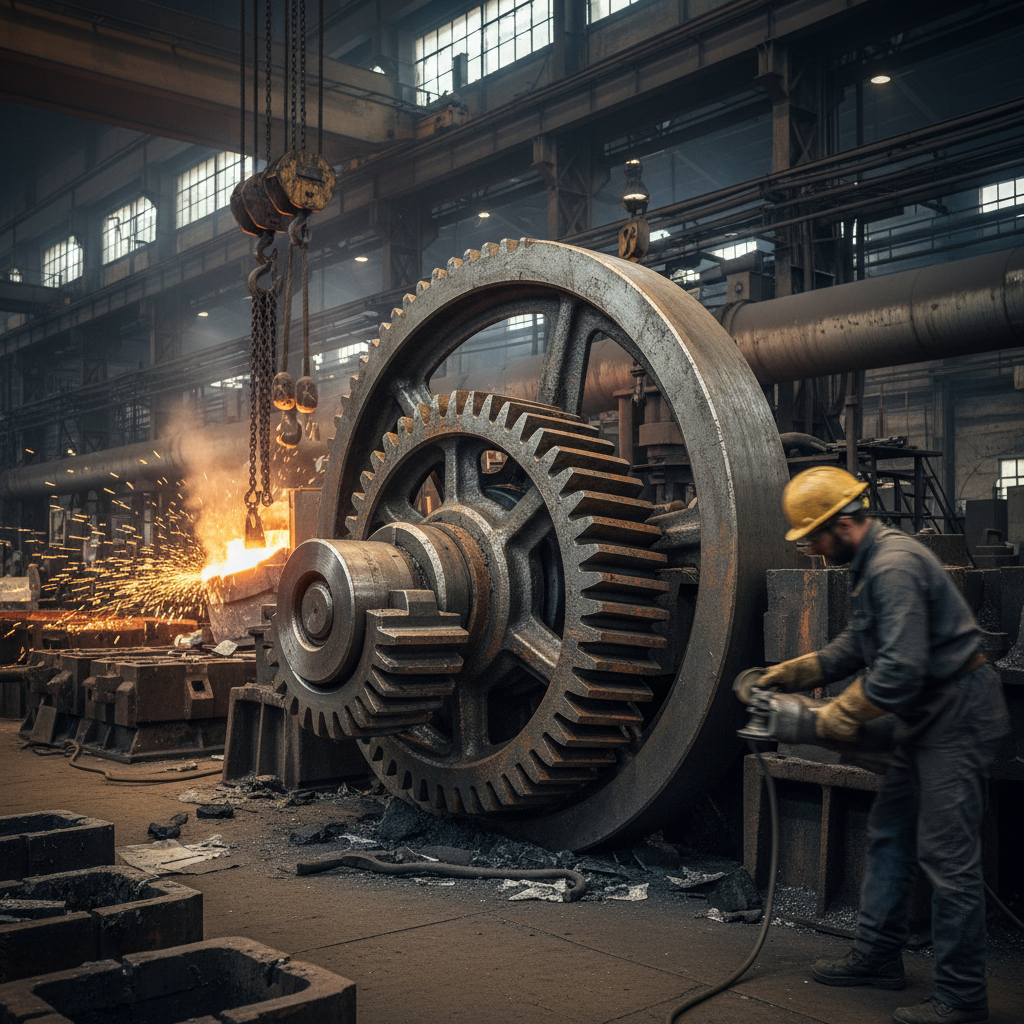
At its core, a spur gear is a type of gear with straight teeth mounted on parallel shafts. Instead of fancy curves or angles, these teeth mesh directly, transferring torque and rotational speed efficiently. Think of them as the “straight shooters” of the gear world — no frills, just pure power transfer.
You’ll find spur gears in simple factory machines, automotive transmissions, and even humanitarian technologies like water pumps in remote regions. Their reliability and simplicity make them vital in meeting both industrial and humanitarian needs.
Mini takeaway:
Spur gears are straightforward mechanical components but their impact spans from factories to rural water systems, embodying simplicity with broad utility.
Core Components Defining Quality Spur Gears
Durability
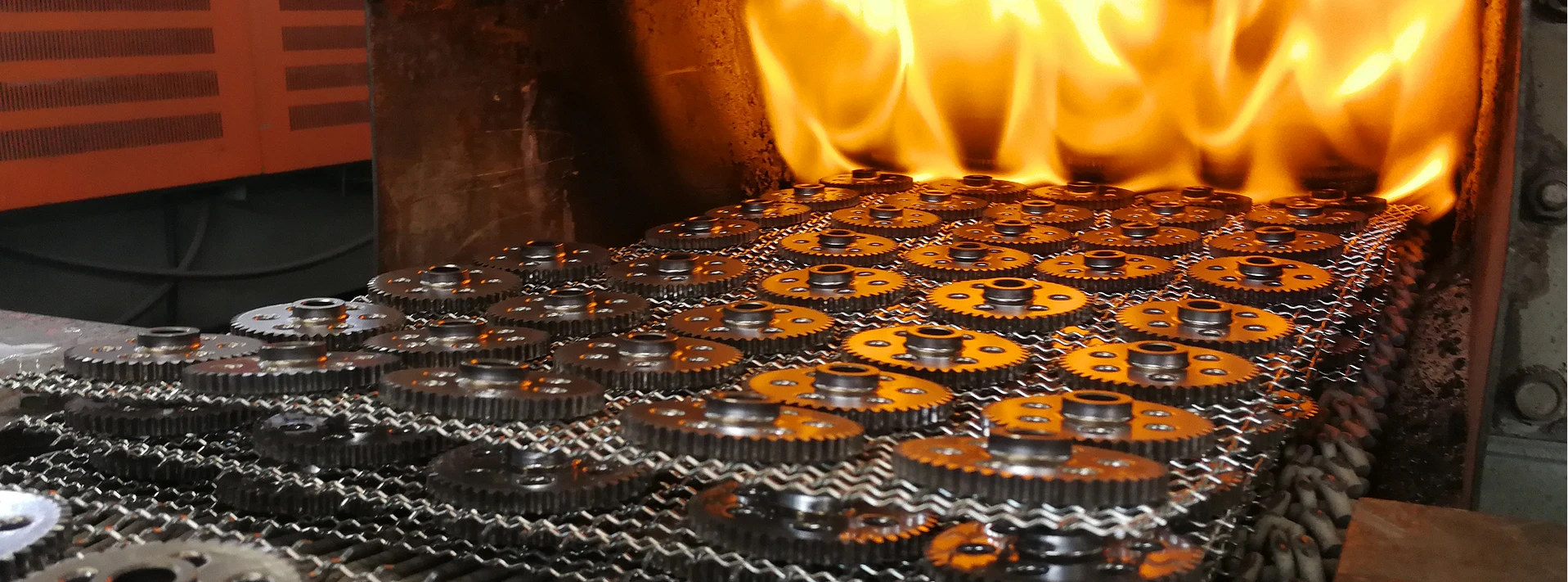
Spur gears have to withstand continuous mechanical stress. Materials like alloy steel, hardened with heat treatment, ensure long lifespan and resistance to wear. Many engineers stress that surface finish and hardening methods might matter even more than raw material.
Precision in Tooth Geometry
The exact shape and spacing of teeth dictate smooth engagement and noise control. An off-spec gear can cause vibrations, leading to early failures. Standards bodies like AGMA provide specifications to get this right.
Scalability and Size Range
From tiny gadget motors to giant industrial drives, spur gears scale impressively. Custom manufacturing allows adaptation for specific torque or space constraints.
Cost Efficiency
Compared to helical or bevel gears, spur gears are cheaper to design and produce. For industries watching budgets, this makes a big difference.
Maintenance Simplicity
Because of their simple geometry, spur gears are easy to inspect and replace, minimizing downtime.
Mini takeaway:
The beauty of spur gears lies in balancing durability, precision, and cost — a cocktail that lets engineers sleep better at night.
Where do Spur Gears Live in the Real World? Practical Applications
Industries pretty much everywhere lean on spur gears. For instance:
- Manufacturing hubs: China, Germany, and the U.S. use them extensively in assembly lines.
- Automotive industry: Spur gears feature in transmissions, steering systems, and auxiliary components worldwide.
- Humanitarian Engineering: In remote African regions, water pumps powered by spur gears facilitate clean water access. NGOs rely on these simple and maintainable gears to keep systems operational.
- Aerospace manufacturing: Spur gears often appear in control systems where precision and reliability are non-negotiable.
Oddly enough, some of the most impactful uses happen far from shiny factory floors — in post-disaster zones where equipment breakdown means delays in aid delivery.
Mini takeaway:
Spur gears power everything from industry engines to humanitarian lifelines, proving their versatility across geographies and sectors.
Advantages and Long-Term Value of Choosing Spur Gears
There’s much to gain by investing in quality spur gears:
- Cost Savings: Their straightforward design yields lower production, maintenance, and replacement costs.
- Reliability: Operators gain peace of mind thanks to fewer failures.
- Sustainability: Using durable gears cuts down waste and resource consumption over time.
- Safety & Trust: Well-functioning machinery reduces workplace hazards — a social responsibility.
- Innovation: Their design simplicity frees engineers to innovate elsewhere, improving whole systems.
Basically, spur gears don’t just meet expectations — they maintain dignity for operators and businesses reliant on machines that just don’t quit.
Looking Ahead: Future Trends & Innovations in Spur Gears
Industry watchers note several promising developments:
- Advanced materials: Composite plastics and carbon fiber blends reduce weight without sacrificing strength.
- Surface treatments: Nano-coatings enhance wear resistance and reduce friction.
- Digitization: Sensors embedded in gears enable real-time condition monitoring — great for predictive maintenance.
- Eco-friendly designs: More manufacturers commit to sustainable processes, lowering manufacturing carbon footprints.
- Customization platforms: 3D printing and agile manufacturing make bespoke spur gears faster and cheaper than ever.
Common Challenges & Expert Solutions
It’s not all smooth rotation. Spur gears face:
- Noise issues: Their straight tooth design can cause rattling at high speeds. Solution? Precision manufacturing and damping materials.
- Load limitations: For heavier loads, other gear types may be preferable. However, hybrid gearboxes use spur gears combined cleverly.
- Wear and tear: Regular lubrication is non-negotiable — automated lubrication systems can help here.
As one veteran engineer I met put it, “It feels like you have to respect the spur gear’s limits to get the best out of it.”
FAQ: Practical Questions About Spur Gears
- Q: How do spur gears compare to helical gears in terms of noise and efficiency?
- A: Spur gears generally produce more noise due to their straight teeth but offer higher efficiency at lower speeds. Helical gears operate quieter but with slightly less efficiency because of sliding tooth action.
- Q: What materials are best for spur gears in harsh industrial environments?
- A: Alloy steels with heat treatments are standard for durability. For corrosive settings, stainless steel or coated gears are recommended to improve longevity.
- Q: Can spur gears be customized for unique machinery requirements?
- A: Absolutely. Custom sizes, tooth counts, and materials are all feasible. Modern CAD and CNC manufacturing facilitate tailored production efficiently.
- Q: How important is lubrication for spur gear maintenance?
- A: Critical. Proper lubrication reduces wear and noise, extending gear life significantly. Automated lubrication systems help in hard-to-access applications.
Spur Gear Products: Specifications at a Glance
| Specification | Typical Range | Notes |
|---|---|---|
| Material | Alloy steel, stainless steel, composites | Depends on environment & load |
| Module (gear size) | 0.5–20 | Varies for small to large gears |
| Tooth Count | 12–200+ | Customizable |
| Surface Hardness | 55–65 HRC | Heat treated gears |
| Operating Speed | Up to 5000 RPM | Noise increases at high RPM |
Vendor Comparison: Choosing the Right Spur Gear Supplier
| Vendor | Product Range | Lead Time | Customization Options | Price Tier |
|---|---|---|---|---|
| JSS Sintering | Standard & custom spur gears | 2–4 weeks | Highly flexible | Mid-range |
| GearWorks Inc. | Wide industrial application gears | 4–6 weeks | Moderate | Higher |
| MicroGear Solutions | Small-scale precision spur gears | 1–3 weeks | Limited | Low to mid |
In Conclusion: Why Spur Gears Remain a Smart Investment
In the grand scheme of industrial and humanitarian machinery, spur gears quietly take a leading role. Their balance of simplicity, reliability, and cost-effectiveness makes them indispensable worldwide. Whether you’re an engineer specifying drives for a high-tech factory or a project manager sourcing pumps for rural access, spur gears offer a proven path to operational success.
If you’re interested in exploring quality spur gears that combine precision and customization, JSS Sintering’s portfolio is a great place to start.
Quick reflection:
It’s odd how one component — a circle of precisely cut teeth — wields such silent power over our mechanized world. Knowing a bit about spur gears? That’s quite a gearshift in perspective!
References:
1. ISO/TC 60 - Gears - International standards overview
2. Spur Gear - Wikipedia
3. World Bank Industrial Data