




Exploring Various Types of Gears: A Veteran’s Perspective
Having spent over two decades working closely with industrial equipment — and particularly with power transmission components — I’ve gained a genuine appreciation for the humble gear. You know, gears might seem like just circular metal bits with teeth, but they are actually the unsung heroes in countless machines. Frankly, it feels like every system’s reliability often rides on these tiny toothed wheels. So, let’s take a walk through the main types of gears and what makes each of them tick.
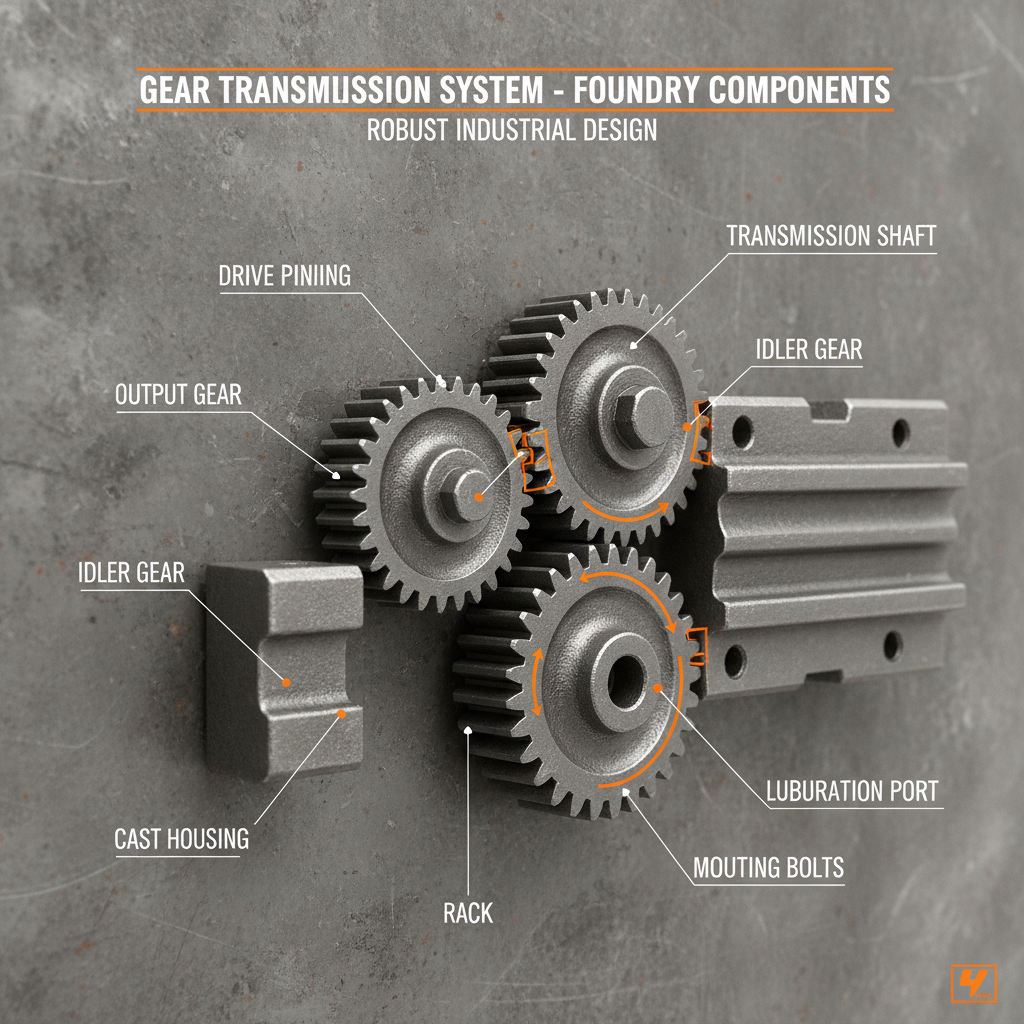
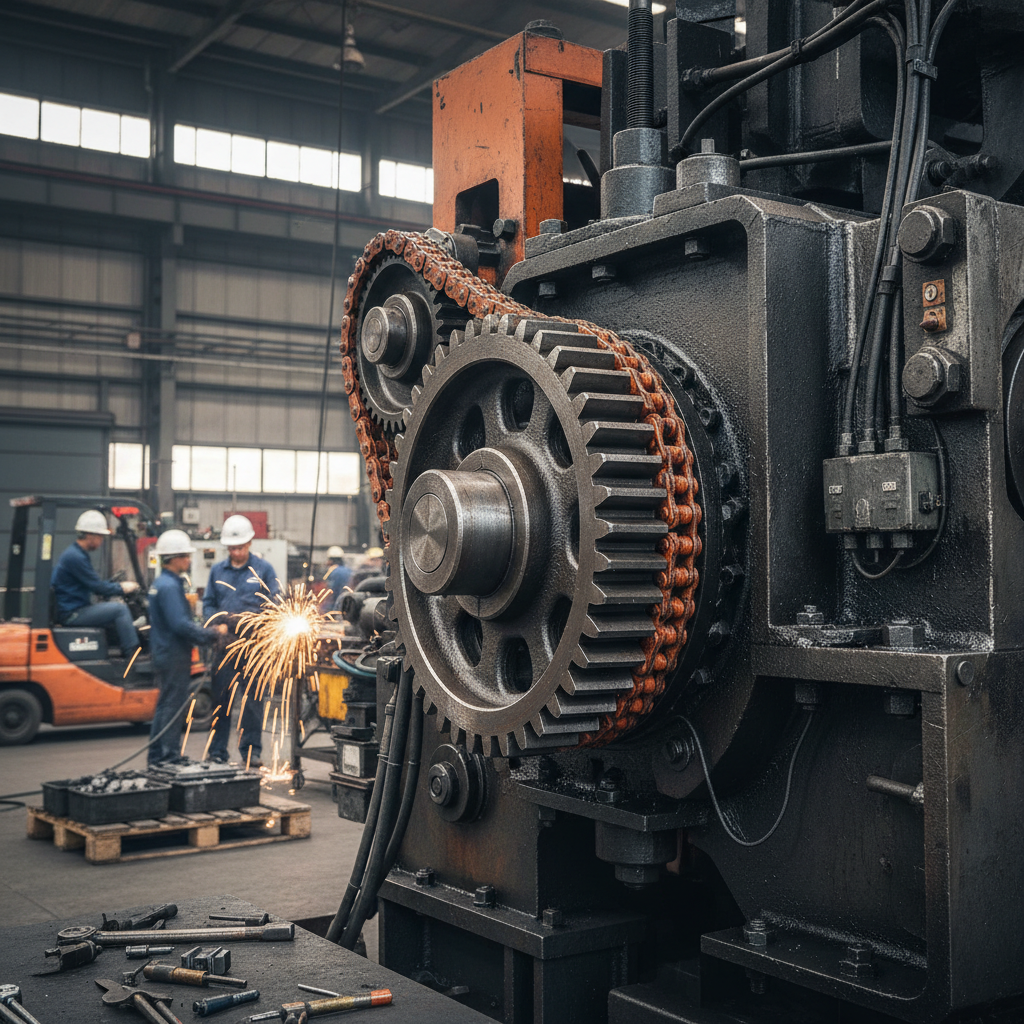
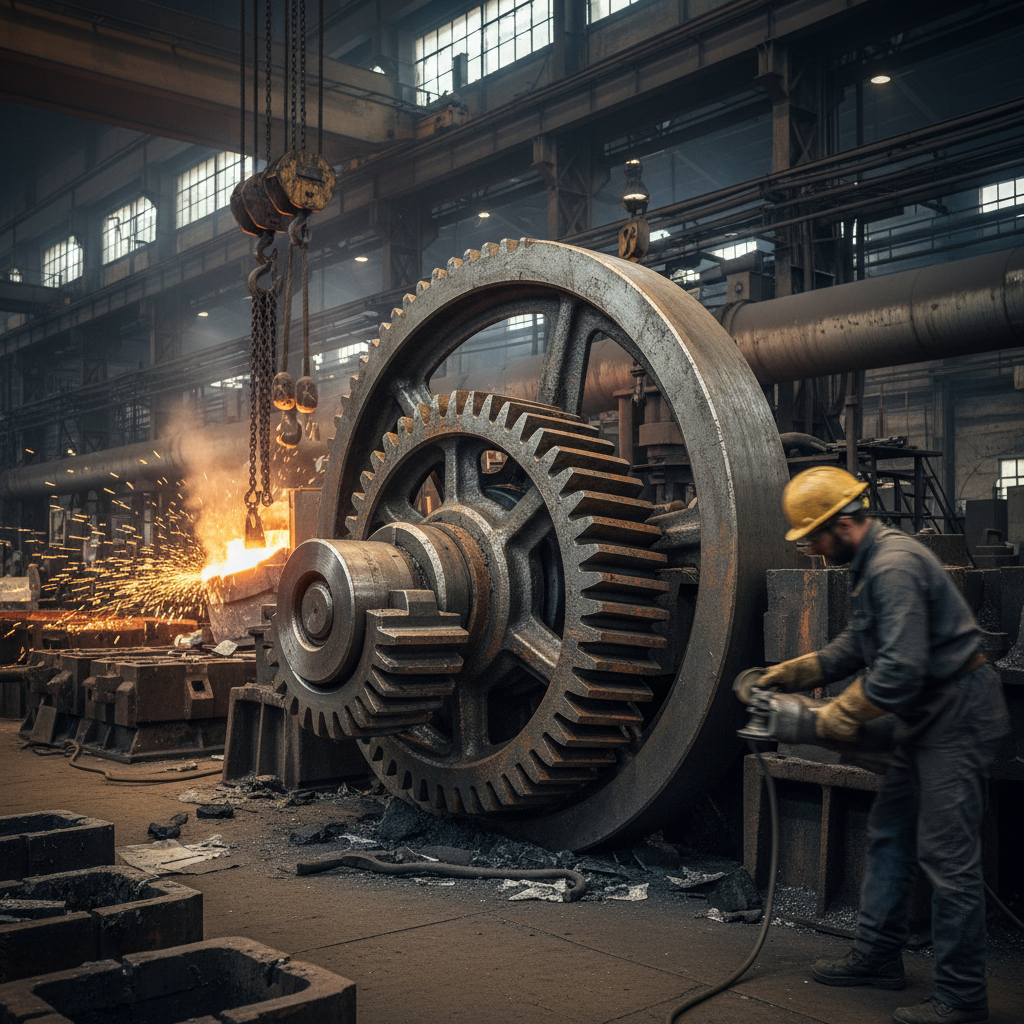
At the heart of it, gears are all about transferring torque and motion between shafts. The shape and arrangement of their teeth define what they’re best at. For example, spur gears are the classic straight-toothed gears you probably picture immediately—simple, efficient, and perfect for parallel shaft setups.
But the gear world quickly gets more nuanced. Take helical gears: The angled teeth engage more gradually than spur ones, which makes them quieter and better suited for high-speed operations. When I installed a helical gear system in a conveyor belt machine years ago, I noticed the lower vibration immediately — a small but significant quality-of-life improvement in a noisy factory environment.
Then we have bevel gears, which are about changing the axis of rotation. Most commonly, they’re conical and used for right-angle drives — think of car differentials that split torque across wheels. I recall a design meeting where the team debated between using bevels or worm gears — a classic tradeoff between efficiency and load capacity.
Worm gears, in contrast, present a curious case. Because of their screw-like shape, they provide high torque reductions and can even lock the mechanism in place under load, preventing back-driving. That’s handy in hoists or elevators where you want safety built in by design.
| Gear Type | Common Material | Typical Use | Max Torque Range |
|---|---|---|---|
| Spur Gear | Steel (often alloy) | Low to medium speed drives | Up to 5,000 Nm |
| Helical Gear | Hardened steel or bronze | High speed, quiet operation | Up to 10,000 Nm |
| Bevel Gear | Steel, stainless steel | Right-angle drives | Up to 8,000 Nm |
| Worm Gear | Bronze and hardened steel | High torque reduction, self-locking | Up to 6,000 Nm |
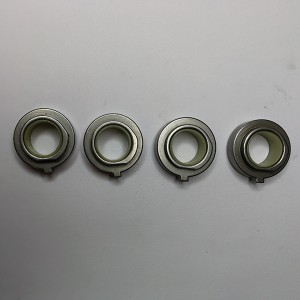
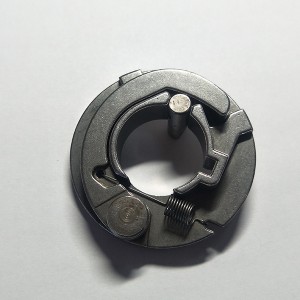
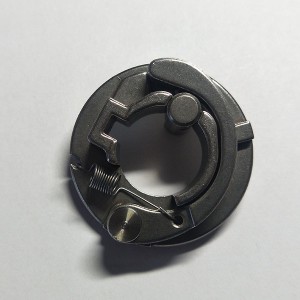
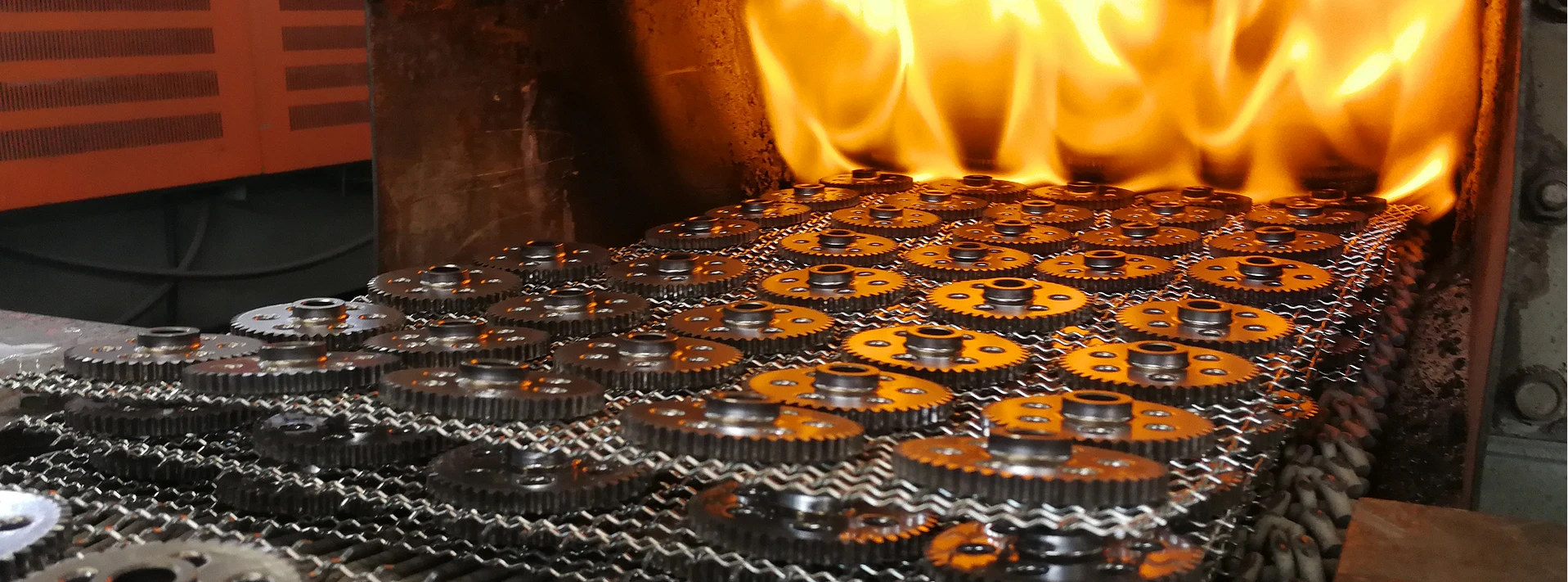
Oddly enough, material selection plays a huge role — and it’s often underestimated by newcomers. I’ve seen gears made from everything from plastic composites (great for lightweight and noise reduction) to sintered metals, which are popular for their precision and cost-effectiveness. And, yeah, sintered gears deserve a mention here because they provide a fantastic balance between performance and price for many applications.
Customization is another thing to keep in mind. Industrial equipment often demands specially tailored gears — not just off-the-shelf products — due to load, speed, or space constraints. Many engineers, myself included, spend significant time iterating on gear tooth profile and surface treatments to maximize lifespan and efficiency.
| Vendor | Material Options | Customization Capabilities | Typical Lead Time | Industry Reputation |
|---|---|---|---|---|
| JSSintering | Sintered metal alloys, composites | Highly customizable, small to large runs | 4–6 weeks | Strong engineering support, reliable quality |
| GearCo | Steel, bronze | Moderate customization | 6–8 weeks | Good, focused on volume orders |
| Industrial Gears Inc. | Wide, including plastics | Custom profiles available | 5–7 weeks | Reliable, but pricier |
To cap it off, one story comes to mind: A customer in the automated packaging sector needed a compact gear set that ran whisper-quiet but could handle sudden torque spikes. After trialing spur and helical sets, a custom sintered helical solution from JSSintering delivered just that. Turns out, blending material science with smart design often wins where brute force doesn't.
If you’re diving into gear selection or upgrades, just know there’s a surprising amount of craftsmanship and engineering behind those neatly spaced teeth. It’s never just “a gear,” but a vital part of a finely tuned machine — something I’ve come to respect deeply on the factory floor.
In real terms, picking the right gear type and vendor can save headaches down the line — something any seasoned engineer will tell you.
References:
1. Shigley, Joseph E., “Mechanical Engineering Design” – classic reference on gear design principles.
2. “Materials and Manufacturing for Engineers” by J.S. Campbell – insights into gear materials.
3. Industry forums and real-world project case studies spanning 2010–2023.