







Understanding Gear Motors: A Comprehensive Guide
Gear motors are essential components in a vast array of applications, from robotics and automation to everyday appliances. They provide the necessary torque and speed reduction to power various mechanical systems. This article delves into the world of gear motors, exploring their types, applications, benefits, and key considerations when choosing the right one for your needs. Whether you're an engineer, hobbyist, or simply curious about these powerful devices, this guide will provide you with a solid understanding of gear motor technology.
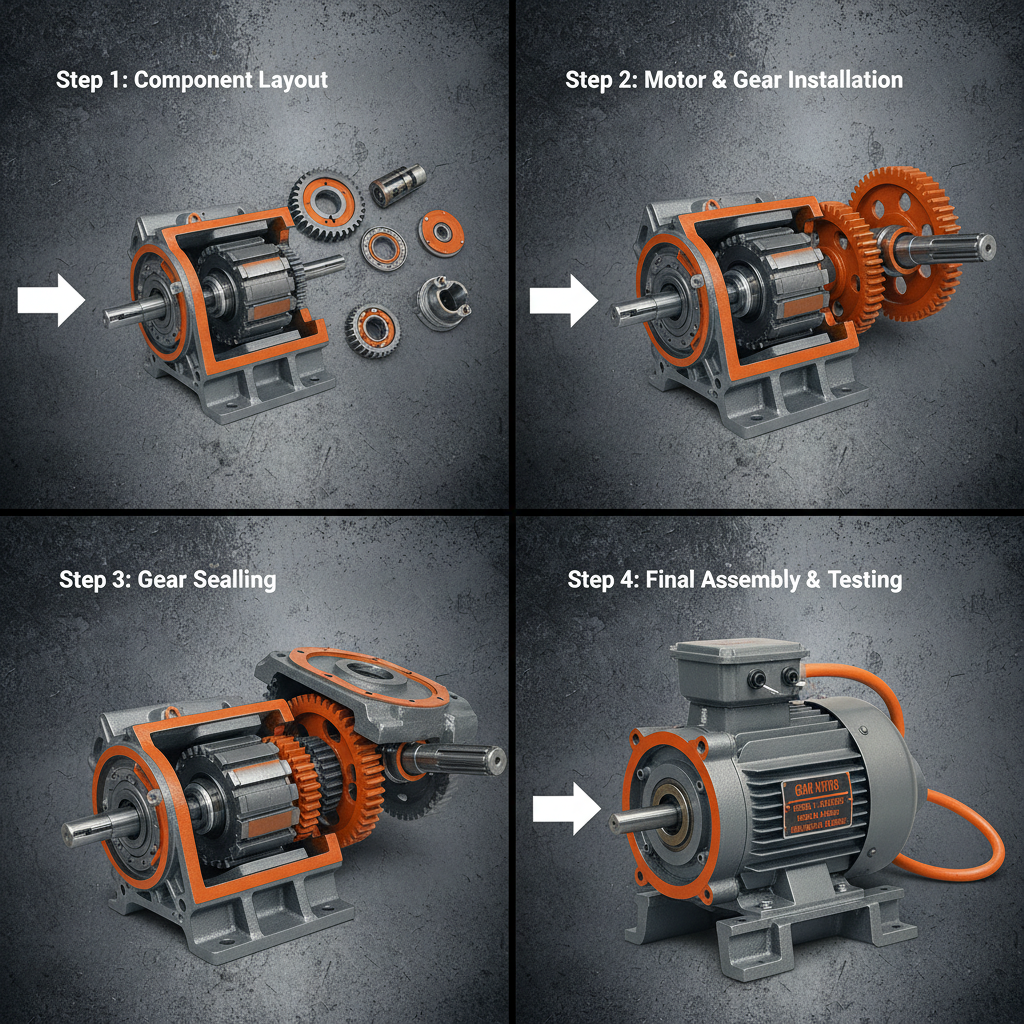
What is a Gear Motor and Why Use One?
A gear motor essentially combines a gear reducer and an electric motor in a single, compact unit. The motor provides the power, while the gear reducer converts that power into higher torque and lower speed. This is crucial because most electric motors operate at high speeds but lack the necessary torque to directly drive many applications. Using a gear motor allows you to match the motor's output to the specific requirements of the load. They offer precise control, increased efficiency, and improved durability compared to using a motor directly. JS Sintering provides a wide range of high-quality gear motors for diverse industrial needs.
Key Benefits: Increased torque, reduced speed, precise control, improved efficiency, compact design, and extended lifespan.
Types of Gear Motors
Several types of gear motors are available, each with its own strengths and weaknesses. The most common include:
- Spur Gear Motors: Simple, efficient, and cost-effective, suitable for applications with moderate loads.
- Helical Gear Motors: Offer smoother and quieter operation than spur gears, ideal for higher speeds and heavier loads.
- Bevel Gear Motors: Used to transmit power between shafts that intersect, commonly found in automotive and aerospace applications.
- Worm Gear Motors: Provide high torque and self-locking capabilities, perfect for applications requiring precise positioning.
- Planetary Gear Motors: Compact and capable of handling high torque, often used in robotics and automation.
The optimal choice depends on factors like torque requirements, speed, load type, and operating environment.
Gear Motor Type Comparison:
• Spur Gears: High efficiency, lower cost.
• Helical Gears: Quieter operation, higher load capacity.
• Worm Gears: High torque, self-locking.
Applications of Gear Motors
Gear motors are ubiquitous, powering a wide range of applications across various industries. Some common examples include:
- Robotics: Joint control, locomotion, and manipulation.
- Automotive: Power windows, windshield wipers, and seat adjustments.
- Industrial Automation: Conveyor systems, packaging machinery, and valve actuation.
- Home Appliances: Washing machines, dishwashers, and blenders.
- Medical Devices: Surgical robots, prosthetic limbs, and diagnostic equipment.
Their versatility and reliability make them indispensable in modern technology.
Choosing the Right Gear Motor: Key Considerations
Selecting the appropriate gear motor involves careful consideration of several factors. First, determine the required output torque and speed. Next, consider the load characteristics – is it constant, intermittent, or variable? Environmental conditions, such as temperature, humidity, and dust levels, also play a role. Finally, factor in the desired lifespan and maintenance requirements. A properly sized gear motor will ensure optimal performance and longevity. JS Sintering's engineering team can assist you in selecting the perfect gear motor for your specific application.
Conclusion: The Power of Precision with Gear Motors
Gear motors are fundamental building blocks in countless applications, providing the reliable and efficient power needed to drive innovation. Understanding their types, applications, and selection criteria is crucial for achieving optimal performance. JS Sintering is dedicated to providing high-quality gear motors and expert support to meet your specific needs. Invest in the right gear motor and unlock the full potential of your designs.
Frequently Asked Questions (FAQs)
What is the difference between a gear motor and a gearbox?
While often used interchangeably, a gearbox is simply the gear reduction component, while a gear motor integrates the gearbox with an electric motor. A gearbox needs to be paired with a separate motor, whereas a gear motor is a self-contained unit. The gear motor offers a more compact and integrated solution, simplifying installation and reducing the number of components required. Using a gear motor allows for tighter control of speed and torque.
How do I determine the correct gear ratio for my application?
The gear ratio is determined by dividing the motor's speed by the desired output speed. For example, if your motor runs at 1000 RPM and you need an output speed of 100 RPM, the required gear ratio is 10:1. Consider the torque requirements as well. A higher gear ratio increases torque but decreases speed, and vice-versa. Carefully analyze your load characteristics to select the optimal gear ratio for your application. Online gear ratio calculators can also be helpful tools.
What maintenance is required for gear motors?
Regular maintenance is crucial for ensuring the longevity of your gear motor. This typically includes periodic lubrication with the appropriate grease or oil, checking for signs of wear or damage, and inspecting the mounting hardware. It's also essential to keep the gear motor clean and free from debris. Following the manufacturer's recommendations for maintenance schedules and lubrication intervals is essential.









