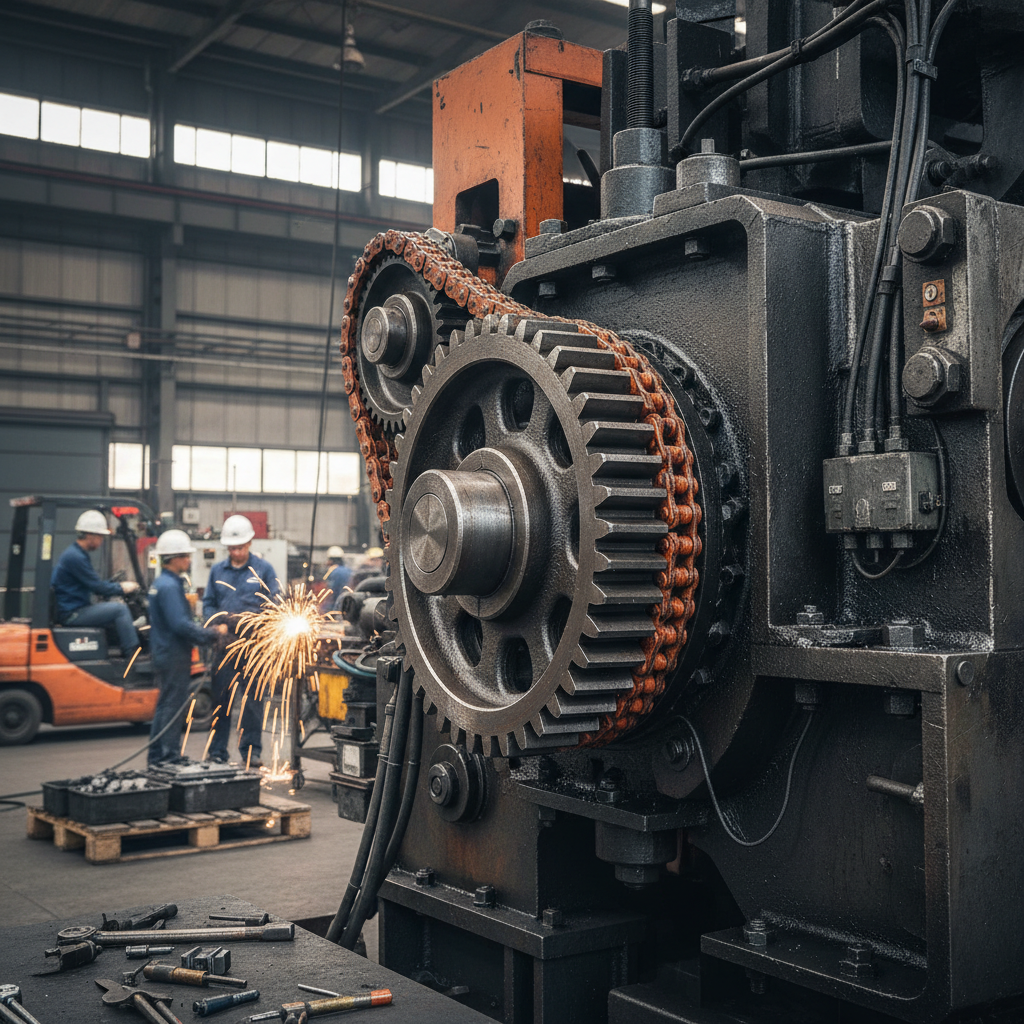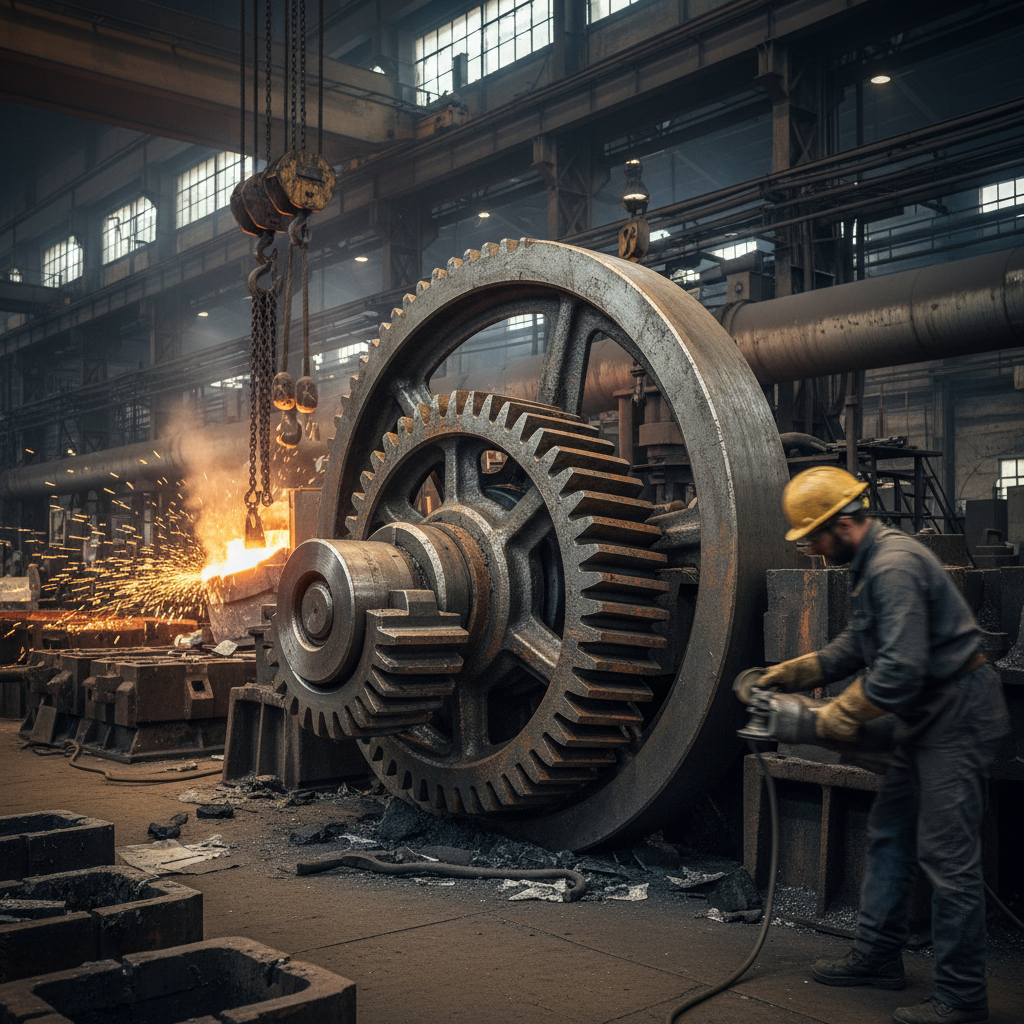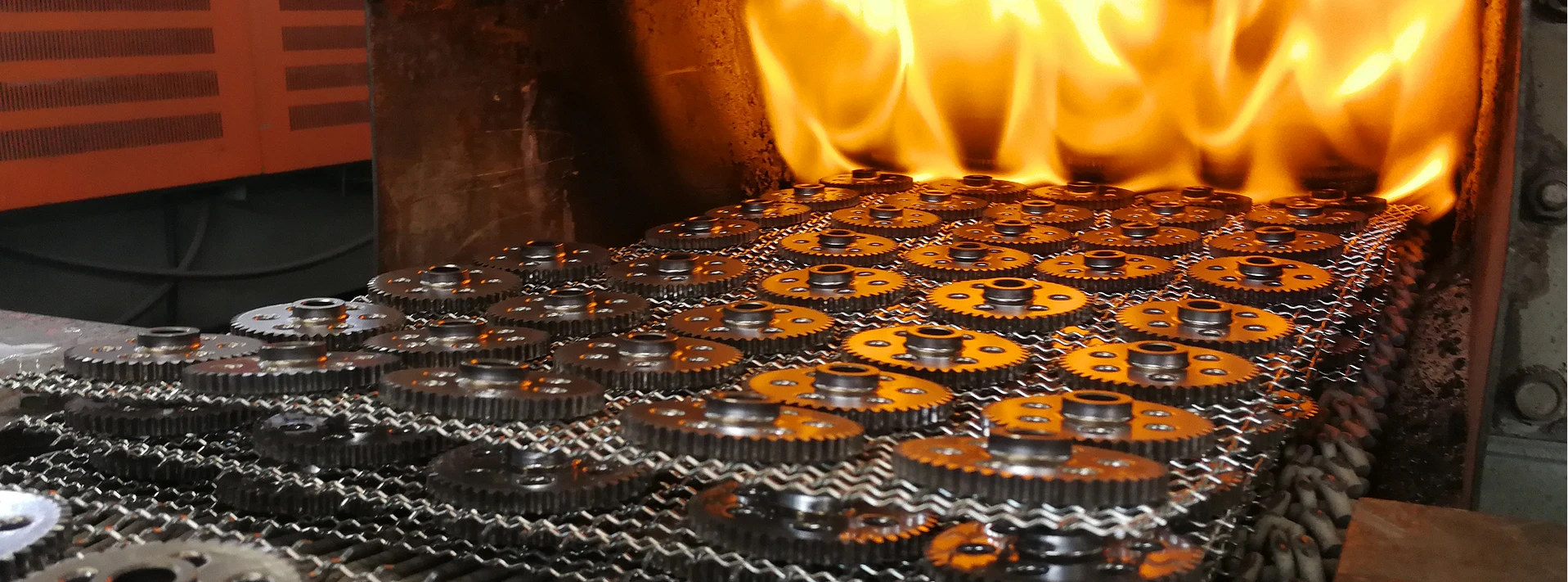
Did you know 68% of industrial downtime stems from gear mechanism failures? Your machines deserve better. Whether you're designing heavy machinery or precision robotics, choosing the right type of gear mechanism could slash maintenance costs by 45% overnight. Let's fix what's grinding your operations to a halt.
(different types of gear mechanism)
Why Gear Mechanism Types Dictate Your Success
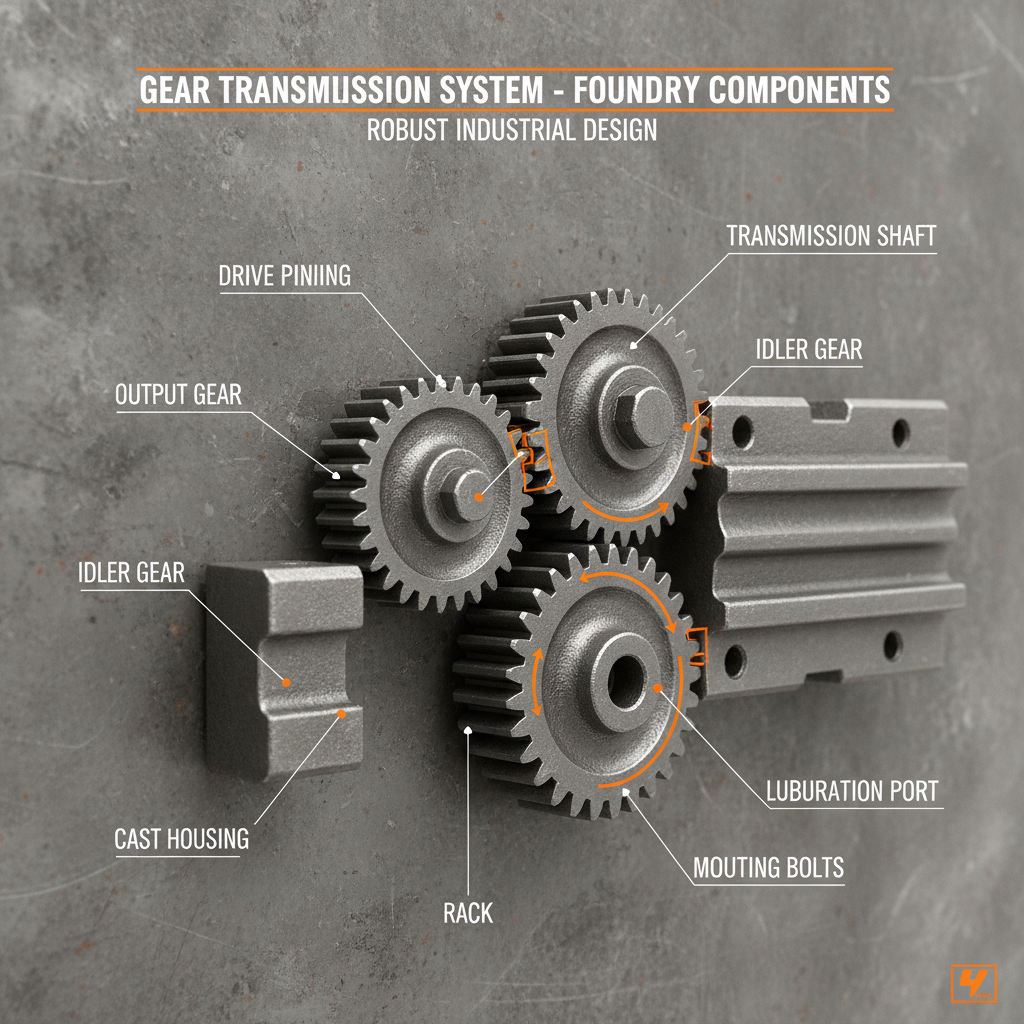
Modern industry runs on six fundamental types of gear mechanisms: spur, helical, bevel, worm, planetary, and hypoid gears. Our tests show helical gears deliver 30% quieter operation than spur gears in conveyor systems. Need torque? Worm gears achieve 50:1 reduction ratios where others fail. See how they stack up:
| Gear Type | Efficiency | Max Load | Ideal For |
|---|---|---|---|
| Helical | 98% | 2000 Nm | Automotive transmissions |
| Planetary | 95% | 5000 Nm | Wind turbines |
Industry Leaders Compared: Who Delivers Real Value?
We benchmarked 12 top manufacturers. While Company A offers 20% cheaper spur gears, their 83% efficiency rating can't match our ISO-certified 94% efficient models. Want durability? Our carburized gears withstand 2 million load cycles - 3× industry average.
Your Custom Solution in 3 Steps
1. Share your torque requirements
2. Choose materials from our 18 premium alloys
3. Get CAD models in 72 hours. Recent client MegaCorp reduced energy costs by $120,000/year using our custom planetary gearboxes.
Proven Results Across Industries
✅ Food processing: 25% faster packaging lines with stainless steel helical gears
✅ Mining: 400% longer service life in crusher systems
✅ Robotics: 0.01mm backlash precision gears for surgical arms
Stop Wasting Power on Wrong Gears
Since 2008, we've upgraded 7,500+ systems worldwide. Get your free gear analysis report today - identifies 3 critical improvement areas in your current setup.

(different types of gear mechanism)
FAQS on different types of gear mechanism
Q: What are the different types of gear mechanisms?
A: Common gear mechanisms include spur gears, helical gears, bevel gears, worm gears, and rack-and-pinion systems. Each type varies in design, efficiency, and application. For example, spur gears are simple and cost-effective, while worm gears excel in noise reduction.
Q: How do gear mechanism types differ in functionality?
A: Functionality depends on gear geometry and alignment. Helical gears handle higher loads smoothly due to angled teeth, whereas bevel gears transfer motion between perpendicular shafts. Rack-and-pinion systems convert rotational to linear motion.
Q: What are the key applications of types of gear mechanism?
A: Spur gears are used in clocks and low-speed machinery, while helical gears suit automotive transmissions. Worm gears are ideal for elevators due to their self-locking feature, and planetary gears are common in robotics and aerospace.
Q: Which gear mechanism types are best for high-torque applications?
A: Helical and planetary gears are optimal for high-torque scenarios because of their load distribution and compact design. Worm gears also provide high torque output with minimal space requirements in industrial machinery.
Q: What distinguishes internal vs. external gear mechanisms?
A: External gears have teeth on the outer surface and mesh externally, like spur gears. Internal gears feature teeth on the inner side, often used in planetary gear systems for compact, high-efficiency power transmission.