







In the field of electromagnetics and electrical engineering, selecting the right types of soft magnetic materials is essential for designing efficient motors, transformers, inductors, and sensors. Soft magnetic materials are characterized by their ability to easily magnetize and demagnetize, making them indispensable in alternating current (AC) applications.
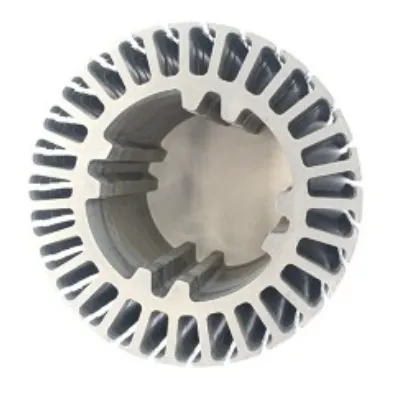
Common types of soft magnetic materials include silicon steel, permalloy, ferrites, and soft magnetic composites. Each type has unique properties such as permeability, coercivity, and electrical resistivity that suit different applications. For example, silicon steel is widely used in transformer cores due to its low core losses and high magnetic permeability.
Advanced materials like soft magnetic composites offer new design freedoms with their isotropic magnetic properties and excellent electrical insulation, reducing eddy current losses. Understanding these types allows engineers to optimize performance, reduce energy consumption, and improve device longevity.
The Role and Benefits of Using a Sintered Magnet in Modern Magnetic Devices
Sintered magnets are permanent magnets manufactured by pressing metal powders and then heating them below their melting points, allowing particles to bond while retaining their shape. This powder metallurgy process enables the production of magnets with high magnetic strength and complex geometries.
The most common types of sintered magnets are neodymium-iron-boron (NdFeB), samarium-cobalt (SmCo), and ferrite magnets. These magnets are prized for their excellent magnetic performance, temperature stability, and corrosion resistance, making them ideal for high-performance motors, generators, magnetic sensors, and electronic devices.
Using sintered magnets enables compact designs and energy-efficient solutions, especially in electric vehicles, wind turbines, and consumer electronics. Their uniform microstructure and precise control during manufacturing result in superior magnetic properties compared to bonded or injection-molded magnets.
Exploring the Advantages of Soft Magnetic Composite Materials in Electrical Engineering
Soft magnetic composite materials (SMCs) have gained attention due to their unique blend of magnetic and mechanical properties. Composed of ferromagnetic powder particles insulated with an organic or inorganic coating, SMCs are pressed into shapes and then cured, producing isotropic magnetic parts with low eddy current losses.
The key advantage of soft magnetic composite materials lies in their 3D magnetic flux capability, which traditional laminated steel cores lack. This property allows engineers to design compact, efficient magnetic components with complex geometries for use in motors, inductors, and transformers.
Additionally, the high electrical resistivity of SMCs reduces energy losses due to eddy currents, improving overall efficiency in high-frequency applications. Their versatility in shape and size, combined with ease of processing, makes SMCs attractive for next-generation electrical machines and power electronics.
Comparing Sintered Magnets and Soft Magnetic Composite Materials for Optimal Magnetic Solutions
Both sintered magnets and soft magnetic composite materials serve critical roles in magnetic device design but cater to different functional needs. Sintered magnets are permanent magnets that maintain a stable magnetic field, while SMCs are soft magnetic materials used primarily in magnetic cores where magnetization reverses rapidly.
When choosing between these materials, factors like operating temperature, magnetic flux density, manufacturing complexity, and cost must be considered. Sintered magnets offer higher magnetic strength and energy product, essential for compact permanent magnet motors and sensors.
Conversely, soft magnetic composite materials provide superior magnetic isotropy, reduced eddy current losses, and design flexibility for inductors, transformers, and electrical machines that operate under AC conditions.
Innovations combining both material types are emerging to exploit the strengths of each, enabling highly efficient, compact, and reliable electromagnetic devices.
How to Select the Best Supplier for Types of Soft Magnetic Materials, Sintered Magnet, and Soft Magnetic Composite Materials
Partnering with the right supplier for types of soft magnetic materials, sintered magnets, and soft magnetic composite materials is vital for ensuring product quality, consistency, and innovation support. A reliable supplier offers expertise in powder metallurgy, material science, and precision manufacturing processes.
Look for suppliers who provide a broad range of materials with detailed technical data sheets and customization options to fit specific application needs. Quality control measures such as microstructural analysis, magnetic property testing, and dimensional inspection guarantee product performance.
Technical support is equally important, including assistance in material selection, prototyping, and post-processing like coating or machining. Suppliers who invest in research and development can help customers stay ahead in competitive markets.
Moreover, dependable logistics and flexible order quantities ensure seamless integration into your production cycle, reducing lead times and costs.
Soft magnetic composite FAQs
What distinguishes soft magnetic composite materials from traditional laminated steel cores?
Soft magnetic composite materials offer isotropic magnetic properties, enabling 3D magnetic flux, whereas laminated steel cores are anisotropic and primarily allow 2D flux. SMCs also have higher electrical resistivity, reducing eddy current losses, especially beneficial in high-frequency applications.
Why are sintered magnets preferred over bonded magnets in many applications?
Sintered magnets have higher magnetic strength, better temperature resistance, and superior structural integrity compared to bonded magnets. Their manufacturing process results in a dense microstructure that delivers enhanced magnetic performance ideal for demanding environments.
What are the common applications of different types of soft magnetic materials?
Silicon steel is used mainly in transformers and motors, ferrites in high-frequency inductors and antennas, permalloy in magnetic shielding, and soft magnetic composites in compact, complex-shaped inductors and motors. Each material serves unique electromagnetic roles depending on application needs.
Can soft magnetic composite materials be machined after curing?
Yes, once cured, SMCs can be machined to tight tolerances using standard machining processes. This allows customization of parts for precise fits in assemblies without significantly degrading magnetic properties.
How do I ensure the quality of sintered magnets I purchase?
Quality assurance involves verifying supplier certifications, magnetic property specifications (such as coercivity and remanence), microstructural integrity, and dimensional accuracy. Requesting test reports and samples can also help validate performance before full-scale purchase.









