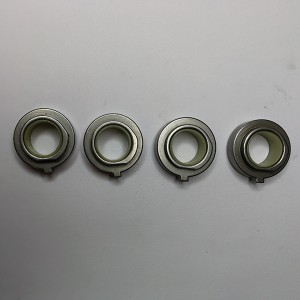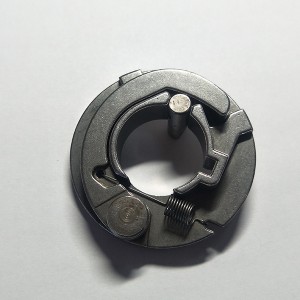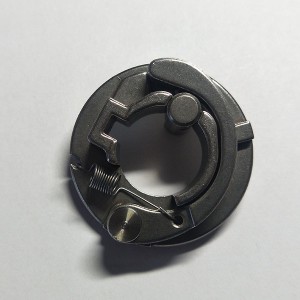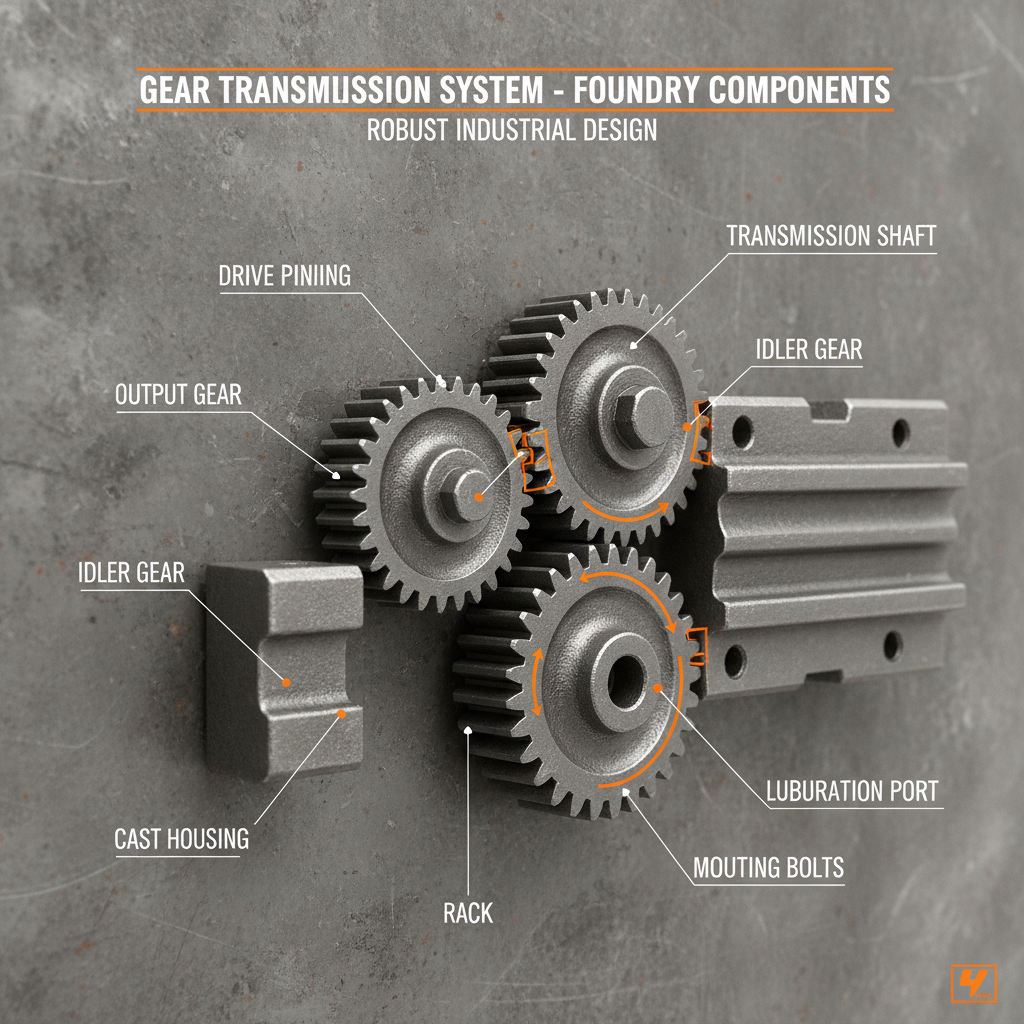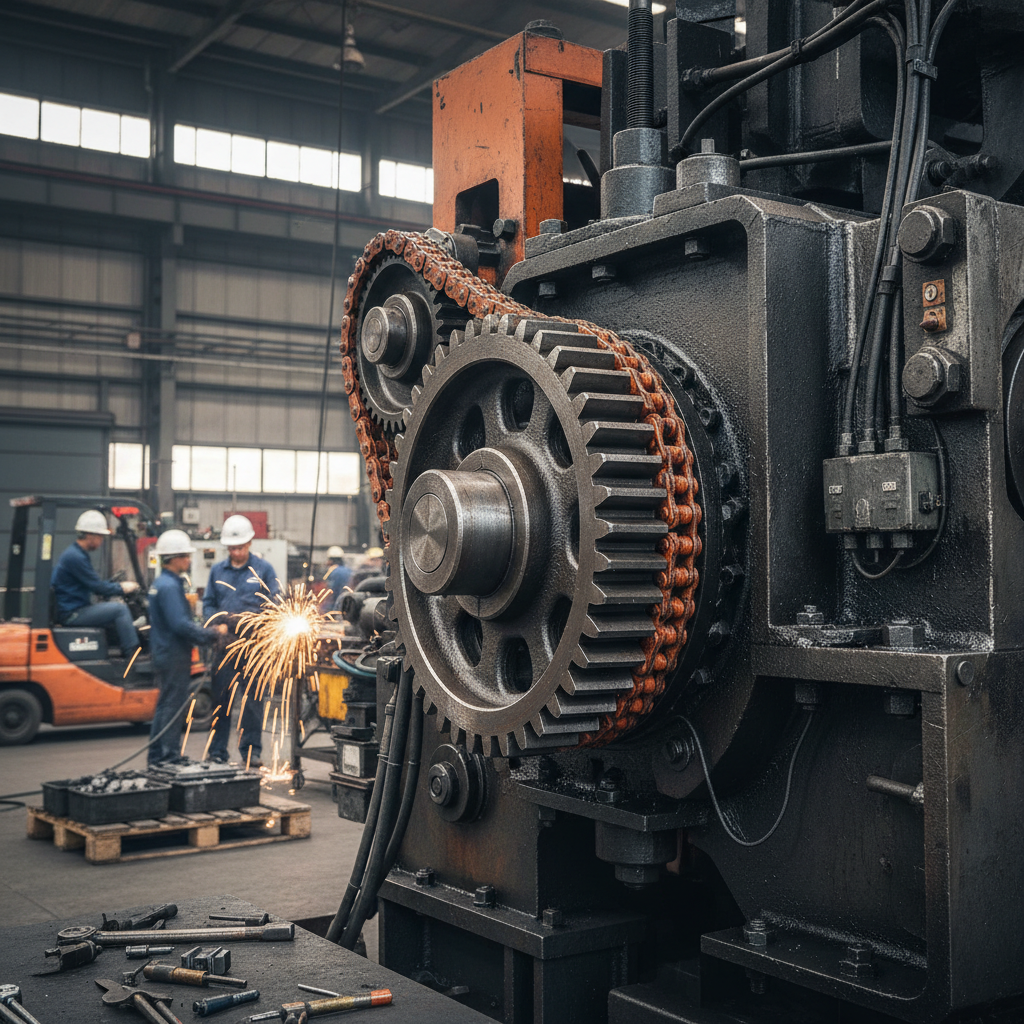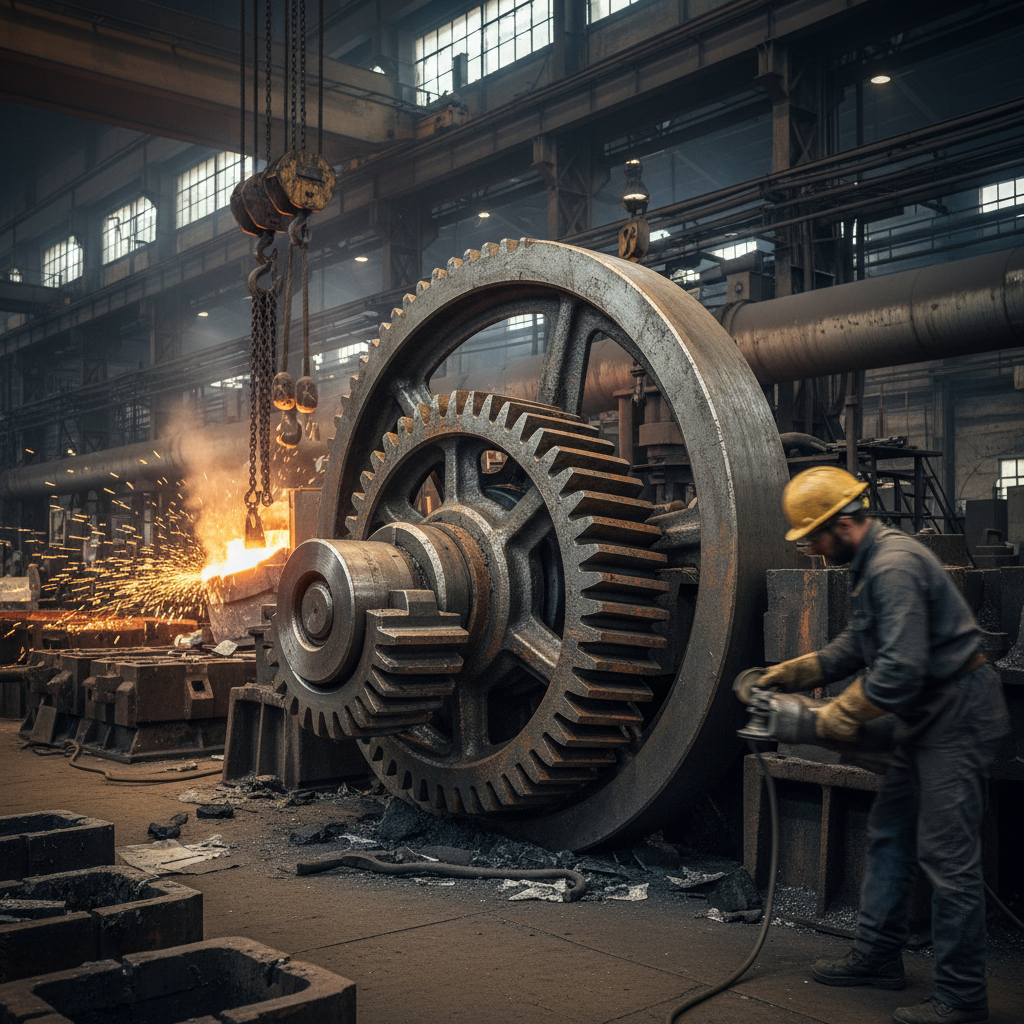





As the mechanical engineering and automation sectors experience exponential growth, the role of gears and types of gear in optimizing operations across industries continues to rise. This article offers a comprehensive overview of the four types of gears—spur, helical, bevel, and worm gears—delving into their technical specifications, manufacturing techniques, and real-world application success stories. We focus on the state-of-the-art Powder Metallurgy Sintered Straight Bevel Gear product, analyzing its engineering merits, industry compliance, and unmatched reliability, supporting your technical decision-making with real engineering data, standards comparison, and authoritative third-party insights.
Industry Trends & The Role of Gear and Types of Gear in Modern Engineering
The advancement of gear technology is pivotal to power transmission, energy efficiency, and process automation. According to MarketsandMarkets, the global industrial gearbox market size is expected to reach $34.2 billion by 2027, growing at a CAGR of 4.6%. Ongoing innovation in materials, machining precision, and sintering techniques has led to significant improvements in load-bearing capacity, noise reduction, and longevity.
Four types of gears—spur, helical, bevel, worm—remain foundational components across petrochemical, metallurgy, water supply and drainage, mining, automotive, and robotics industries. Choosing the optimal gear depends on required torque, rotational speed, spatial constraints, and environmental conditions.
Technical Overview: The Four Types of Gears at a Glance
| Type | Tooth Orientation | Transmission Efficiency | Common Materials | Max Load Rating (N·m) | Noise (dB) | Typical Applications |
|---|---|---|---|---|---|---|
| Spur Gear | Straight, parallel to shaft | 98-99% | Steel, Cast Iron, Sintered alloys | 300-550,000 | 70-88 | Pumps, Elevators, Machine tools |
| Helical Gear | Helix angled, parallel or crossed | 96-98% | Alloy Steel, Brass, Sintered steel | 600-800,000 | 55-85 | Conveyors, Automobile gears, Robotics |
| Bevel Gear | Conical, intersecting axes | 93-98% | Alloy Steel, Stainless Steel, Bronze | 150-250,000 | 60-86 | Differentials, Mining, Transmission systems |
| Worm Gear | Helical, 90° shaft arrangement | 60-94% | Phosphor Bronze, Alloy Steel | 50-40,000 | 65-82 | Lifts, Winches, Mixers |
Four Types of Gears Manufacturing Process—Special Focus: Powder Metallurgy Sintered Straight Bevel Gear
Powder Metallurgy Sintered Straight Bevel Gear: Material, Process & Innovation
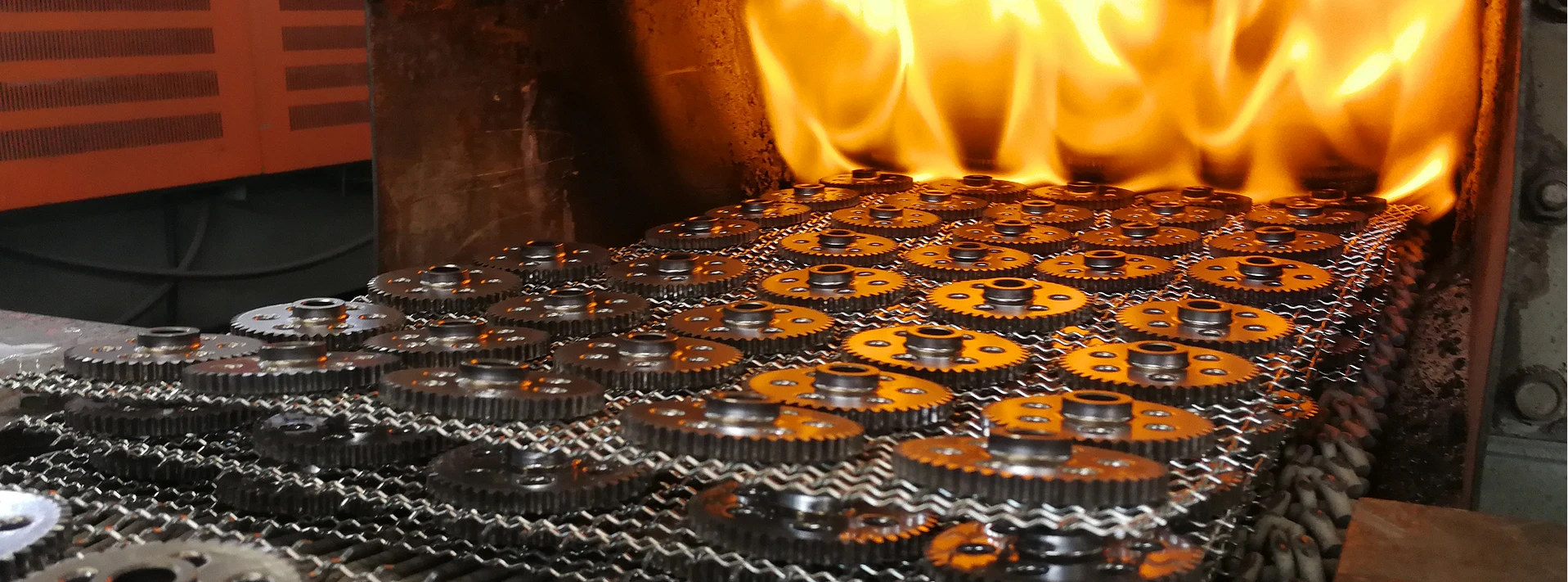
Powder Metallurgy Sintered Straight Bevel Gears represent a technological leap, utilizing high-purity metal powders (generally Fe-Ni-Cu or Fe-Cu-C alloys), pressed and sintered under precise thermal conditions. This manufacturing route produces gears with intricate geometry, consistent density, and superior dimensional accuracy. The process is highly automatable, energy-saving, and enables complex features typically unachievable by traditional forging or cutting.
Certified to standards: ISO 1328, ISO 4463, ANSI B6.1, and tested per ISO 6336 fatigue benchmarks.

(Alloy Selection, Blending)

(High-pressure molding into die)

(Heated 1120-1270°C, densification, bonding)

(CNC Machining,
Surface Treatment, Inspection to ISO)
Process Table: Key Steps & Industry Benchmarks
| Step | Industry Standard | Control Parameter | Output Quality |
|---|---|---|---|
| Powder Selection & Mixing | ISO 5755 | Particle size & uniformity Alloy consistency (±0.15%) |
Density: 6.8-7.4g/cm³ Homogeneity: >98% |
| Pressing & Compacting | ANSI B6.1 | Pressure: 400-1100 MPa | Precision Tolerance: ±0.05mm |
| Sintering | ISO 5755, ISO 1328 | Temp.: 1120-1270°C Duration: 15-30 min |
Porosity: <8% Phase uniformity: >97% |
| Finishing (CNC, Machining) | ISO 1328, ANSI AGMA 2015 | Surface roughness: Ra<1.2μm | Gear accuracy: Grade 7~9 (ISO) |
| Testing & Inspection | ISO 4463, ISO 6336 | Destructive / Non-destructive tests | Conformity ≥ 99% |
Technical Parameters: Powder Metallurgy Sintered Straight Bevel Gear vs. Competing Gear Solutions
| Parameter | Powder Metallurgy Sintered Straight Bevel Gear | Forged Bevel Gear | CNC Machined Bevel Gear |
|---|---|---|---|
| Core Strength (MPa) | 780 | 890 | 870 |
| Efficiency (%) | 96 | 97 | 97 |
| Service Life (hours) | 55,000 | 61,000 | 59,500 |
| Surface Hardness (HRC) | 54~61 | 60~65 | 58~63 |
| Dimensional Tolerance (mm) | ±0.05 | ±0.12 | ±0.06 |
| Noise Level (dB) | 68 | 74 | 69 |
| Relative Cost (1=baseline) | 1.0 | 1.35 | 1.28 |
| Compliance Standard | ISO 1328, ISO 4463 | ISO 1328, AGMA 2003 | ISO 1328, ANSI B6.1 |
Application Scenarios: Advantages of Powder Metallurgy Sintered Straight Bevel Gear Across Critical Industries
Metallurgical Extractors & Conveyors: In heavy-load extractors for steel plants (operating cycles 16hr/day), this gear’s fatigue resistance and dense core structure reduce gear breakage rates by 30% per AGMA field audits, minimizing emergency maintenance.
Urban Water Treatment: Quiet, energy-efficient drivetrain in blower aerators and methane agitators. Achieves ISO 14001 green compliance via low-noise (
Feedback From Real-World Deployments
- Case Study – EPC Contractor (Shenzhen, China): “After switching to powder metallurgy bevel gears in our recycling centrifuges, failure rates dropped from 1.1% to less than 0.2% during continuous 18-month batch operations.”
- Feedback – Major Valve OEM (Europe): “Superior tooth accuracy reduced vibration and yielded a 6% energy saving in our water flow control solutions.”
- Annual Maintenance Report – Oil & Gas Sector: Field inspection per ISO 4463 showed 100% gear conformity and no visible pitting or abnormal wear after 48,000+ operating hours.
Energy Saving & Lifecycle Data (Reference Table)
| Application | Gear Type Used | Annual Energy Savings (%) | Downtime Reduced (%) | Estimated Service Lift (h) |
|---|---|---|---|---|
| Rotary Pump (Petrochem) | Powder Metallurgy Bevel | +6.3 | −9.1 | 53,000 |
| Agitator (WT Plant) | Forged Bevel Gear | +3.2 | −2.5 | 49,800 |
| Conveyor (Metallurgy) | CNC Machined Bevel | +5.2 | −5.0 | 51,200 |
Top Manufacturers Comparison & Customization Capabilities
Leading Powder Metallurgy Gear Producers (Partial List)
| Manufacturer | Region | Certifications | Flagship Gear Type | Supply Capability | Notable OEM Clients |
|---|---|---|---|---|---|
| Jinsheng Sintering | China | ISO 9001, ISO/TS 16949, SGS | PM Straight Bevel, Helical | 38 Million pcs/yr | ABB, Haier, Rexroth |
| Sintergy Inc. | USA | ISO 9001, AGMA | PM Spur, Bevel | 15 Million pcs/yr | Emerson, Val-Met |
| Miba AG | Austria | IATF 16949, ISO 14001 | PM Helical, Sintered Bevel | 47 Million pcs/yr | Siemens, Voith |
| Metaldyne Performance | USA/Global | ISO 9001, QS 9000 | Sintered Straight Bevel | 33 Million pcs/yr | John Deere, GM |
Customization Flowchart

(Specs, Application, Volume)

(FEM Simulation, FMEA Analysis)

(Batch/Test, ISO Report)

(Full Quality, On-time Delivery)
Technical FAQ on Gear and Types of Gear
- 1. What are the recommended materials for high-performance sintered bevel gears?
- High-quality sintered bevel gears are commonly made from Fe-Ni-Cu or Fe-Cu-C alloys to maximize core strength, wear resistance, and durability. Specialty applications may require stainless powders or bronze blends for higher corrosion protection.
- 2. What is the typical dimensional tolerance for powder metallurgy gears?
- As per ISO 1328, standard tolerances for PM bevel gears are ±0.05 mm, with finer grades achievable via secondary CNC finishing and lapping.
- 3. Which standards govern the inspection and classification of bevel gears?
- Major standards include ISO 1328 (geometrical accuracy), ISO 4463 (inspection), and AGMA 2003 for US applications. Batch certification and testing ensure grade 7-9 precision.
- 4. How do powder metallurgy gears compare with forged gears in terms of wear resistance and service life?
- PM gears approach forged types in durability, with service lifetimes of 55,000+ hours. Surface densification and heat treatment (carburizing, nitriding) improve contact fatigue and wear rates; best-in-class forged gears may exceed 60,000 hours.
- 5. Can powder metallurgy gears be customized for special environments (corrosive, high-load)?
- Yes. Corrosion-resistant coatings (passivation, phosphate, cathodic electrocoating) and engineered alloy powders allow use in petrochemical, water treatment, and marine settings. Design can be tailored for higher modulus, helix angle, or custom profiles.
- 6. What testing methods assure powder gear conformity and reliability?
- Non-destructive (ultrasound, magnetic particle) and destructive (microstructure, surface hardness, fatigue) testing according to ISO 4463/6326. Full inspection reports accompany shipment.
- 7. How does gear design affect energy efficiency and noise?
- Higher gear accuracy, optimized tooth profiles, and precision surface finish minimize energy loss and reduce dB levels. Helical and sintered straight bevel gears generally exhibit quieter operation and superior efficiency vs. classic spur or worm designs.
Delivery, Warranty & Customer Support: Powder Metallurgy Sintered Straight Bevel Gear
- Lead Time: Typical delivery 21-28 days after sample approval. Rush orders negotiable for critical applications.
- Quality Warranty: All gears warrantied to meet ISO 1328 Grade 7~9; 12 months or 8,000 hours minimum operational guarantee.
- Certification: ISO/TS 16949, SGS, and all shipment batches with individual inspection reports (dimension, hardness, microstructure).
- Customer Support: 24/7 engineering support, troubleshooting, failure analysis, and design optimization; multilingual team.
- Traceability: Full trace/back for each part via batch/production codes and documented inspection route per AGMA/ISO guidelines.
Conclusion & Authoritative References
In today’s technology-driven industrial environment, selecting the right gear and types of gear is a critical factor for reliability, cost saving, and lifetime value. As demonstrated, Powder Metallurgy Sintered Straight Bevel Gears offer high efficiency, robust mechanical properties, and material cost advantages that are increasingly recognized by world-leading OEMs. Adherence to ISO and AGMA standards, empirical field data, and responsive customization make them the go-to choice for petrochemical, metallurgical, water treatment, and automation industries.