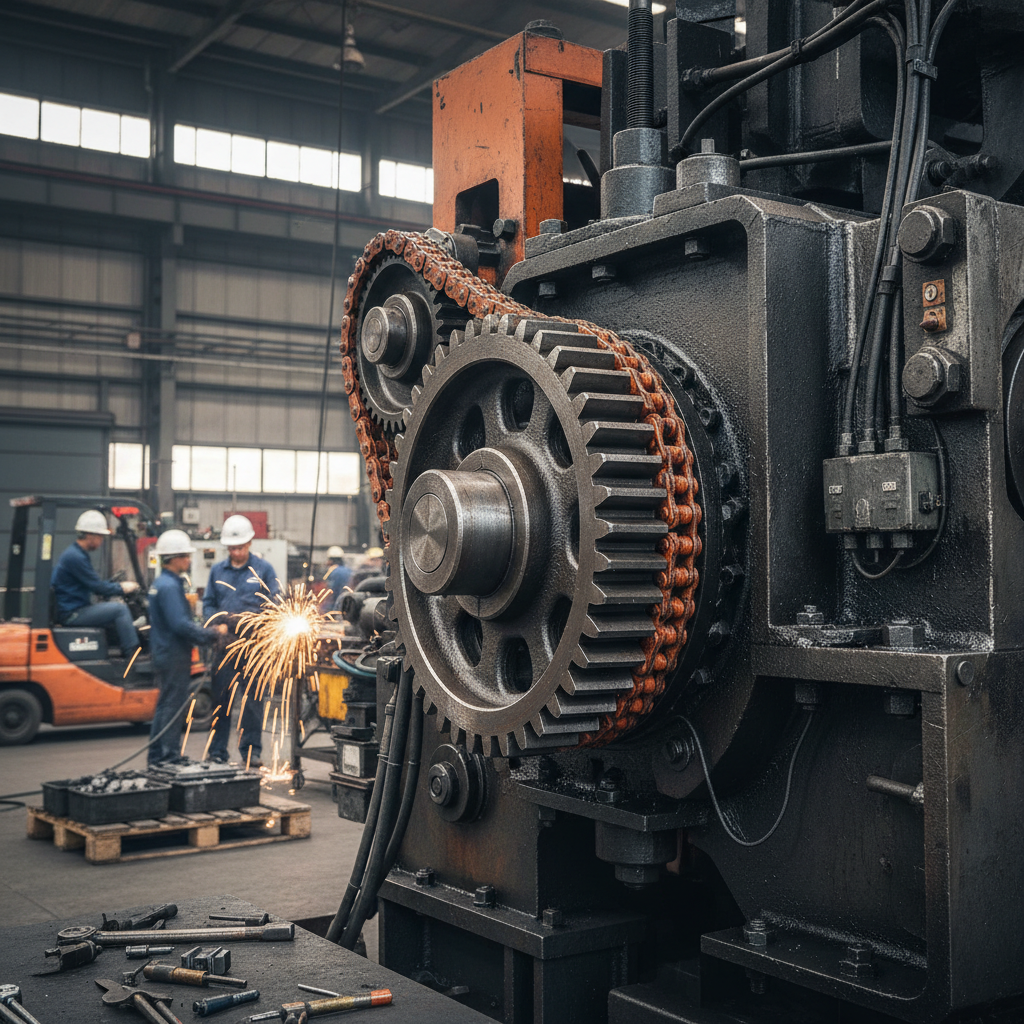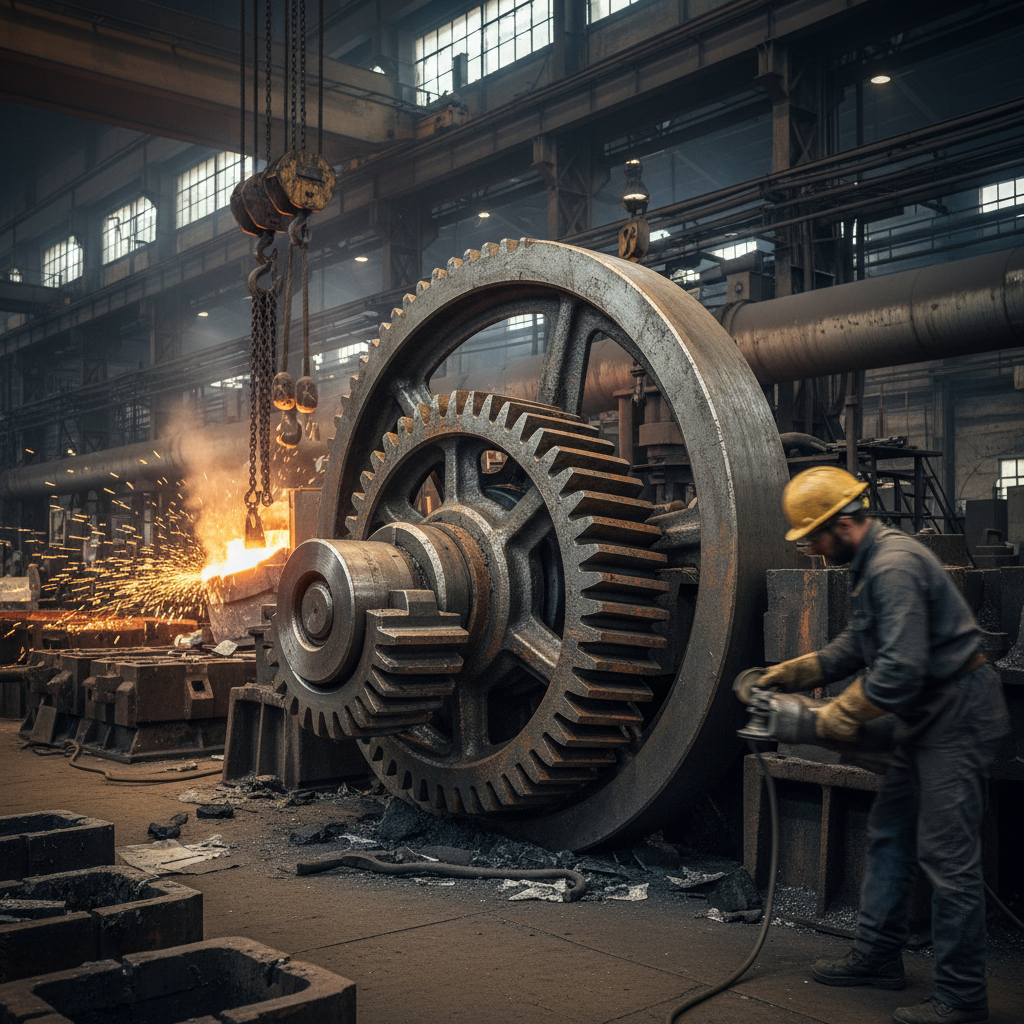





Introduction to Advanced Gear Technologies
In the realm of mechanical power transmission, the selection of the correct gear system is paramount for optimizing performance, durability, and efficiency. Modern industrial applications demand components capable of extreme precision, high load-bearing capacity, and extended operational life. This comprehensive guide delves into the intricate world of gear and types, highlighting the significant advancements in manufacturing processes and material science that define contemporary gear solutions, with a particular focus on powder metallurgy sintered metal planetary spur gears.
Gears, fundamental components in countless machines, convert rotary motion and torque, enabling precise control over speed and direction. Understanding the nuanced differences between various gear and types is critical for engineers and procurement specialists seeking optimal solutions for complex industrial challenges. From traditional spur gears to highly specialized planetary systems, each type offers distinct advantages tailored to specific operational requirements.
Industry Trends in High-Performance Gear Manufacturing
The global gear manufacturing industry is undergoing a significant transformation, driven by demands for increased energy efficiency, reduced noise, enhanced durability, and miniaturization. Key trends include:
- Advanced Materials: The adoption of high-strength alloys, composites, and engineered ceramics to withstand extreme temperatures, corrosive environments, and heavy loads. Powder metallurgy, especially for intricate gear and types, is gaining prominence due to its ability to create near-net-shape components from customized alloy compositions.
- Precision Manufacturing: The integration of advanced CNC machining, additive manufacturing (3D printing), and sophisticated quality control systems to achieve tighter tolerances and superior surface finishes.
- Smart Gears: Development of gears with integrated sensors for real-time monitoring of temperature, vibration, and load, enabling predictive maintenance and optimizing operational efficiency.
- Sustainable Production: Focus on manufacturing processes that reduce waste, conserve energy, and utilize recyclable materials, aligning with global environmental objectives. Powder metallurgy significantly reduces material waste compared to traditional machining.
- Customization and Modularity: Increasing demand for tailor-made gear solutions that can be rapidly designed and produced to meet unique application specifications, rather than relying solely on off-the-shelf components.
These trends underscore a shift towards more intelligent, efficient, and application-specific gear solutions, with materials like sintered metal alloys playing a pivotal role in meeting these evolving industrial requirements.
Technical Specifications of Powder Metallurgy Sintered Metal Planetary Spur Gears
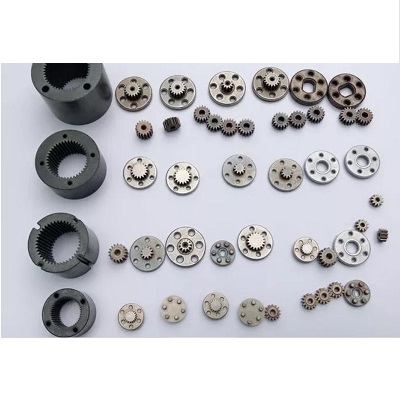
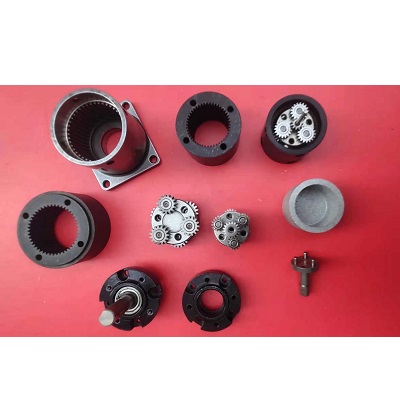
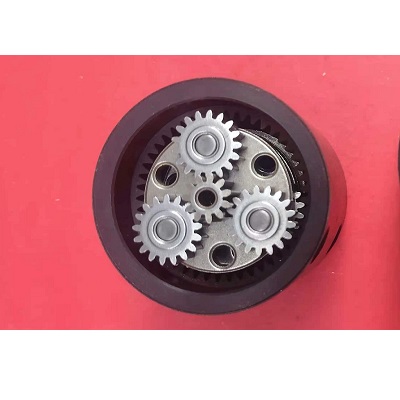
Planetary spur gears are a subset of gear and types known for their compact design, high torque density, and efficient power transmission. When manufactured using powder metallurgy, these gears achieve superior mechanical properties and cost-effectiveness. The process allows for precise control over material composition and density, resulting in components optimized for specific performance metrics.
Below are typical technical parameters for a high-quality powder metallurgy sintered metal planetary spur gear:
| Parameter | Typical Value/Range | Description |
|---|---|---|
| Material Composition | Fe-Cu-C, Fe-Ni-Mo, Stainless Steel alloys | Tailored for strength, wear resistance, and corrosion resistance. |
| Density | 6.8 - 7.4 g/cm³ | Achieved through controlled compaction and sintering, influencing strength. |
| Hardness (HRC) | 25 - 60 HRC (post-heat treatment) | Surface hardness critical for wear resistance and fatigue life. |
| Tensile Strength | 500 - 1500 MPa | Load-bearing capability before fracture. |
| Modulus of Elasticity | 150 - 200 GPa | Measure of stiffness, important for deflection under load. |
| Geometric Accuracy (AGMA Q-level) | Q6 - Q10 | Relates to tooth profile, spacing, and concentricity for smooth operation. |
| Operating Temperature Range | -40°C to +200°C (depending on material/treatment) | Suitability for various thermal environments. |
| Surface Roughness (Ra) | 0.8 - 3.2 µm (post-processing) | Impacts friction, wear, and noise levels. |
These parameters are meticulously controlled throughout the manufacturing process to ensure consistent quality and performance, meeting demanding B2B client expectations for reliability and longevity.
Process Flow: Manufacturing Powder Metallurgy Sintered Gears
The production of high-precision powder metallurgy sintered metal planetary spur gears involves a highly controlled, multi-stage process designed to achieve superior material properties and geometric accuracy. This method contrasts sharply with traditional casting or forging, offering unique advantages in material utilization and complexity.
Key Manufacturing Steps:
- Powder Blending: Precisely measured metal powders (e.g., iron, copper, nickel, molybdenum, graphite for carbon content) are thoroughly mixed with lubricants and binders to ensure homogeneity. The choice of raw material defines the ultimate mechanical properties and corrosion resistance of the final component.
- Compaction: The blended powder is fed into a precisely machined die and compacted under high pressure (typically 400-800 MPa) using hydraulic or mechanical presses. This forms a "green compact" – a fragile, near-net-shape component with sufficient strength for handling.
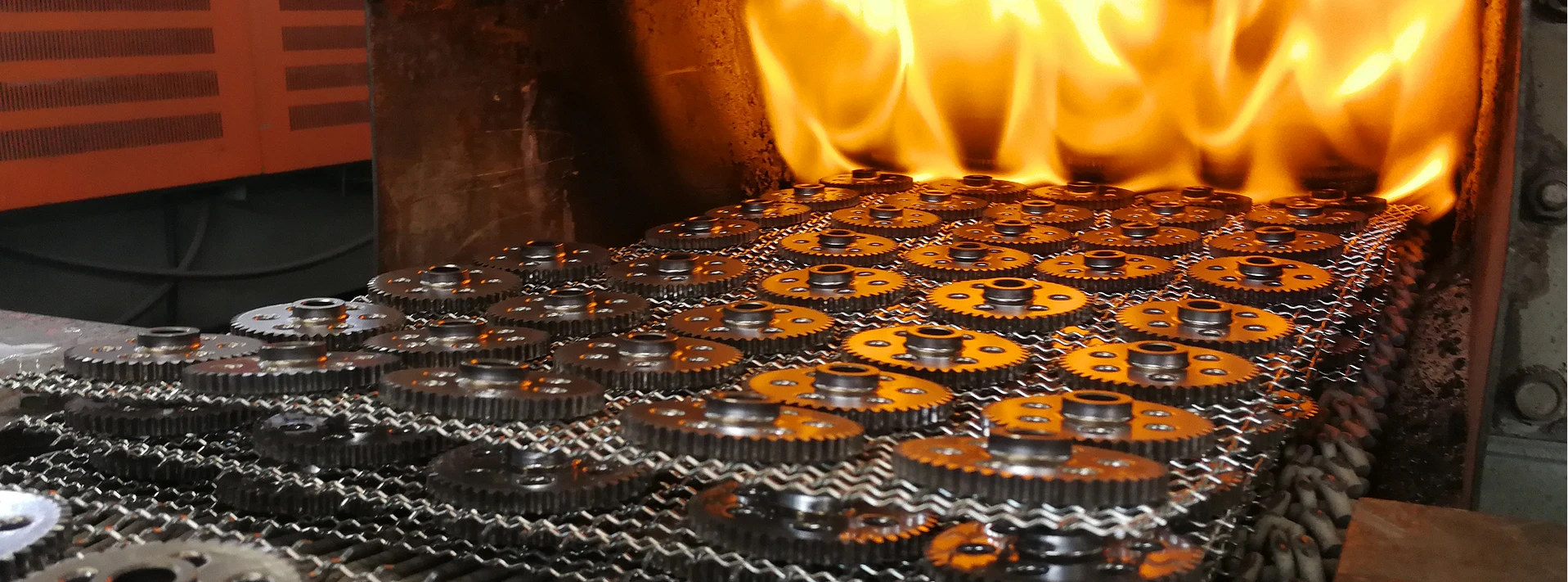
- Sintering: The green compacts are heated in a controlled atmosphere furnace to temperatures just below the melting point of the primary metal (e.g., 1100-1150°C for iron-based alloys). During sintering, particles bond together through atomic diffusion, leading to a densified, strong, and porous structure. The atmosphere is critical to prevent oxidation and control carbon content.
- Sizing/Coining (Optional): For enhanced precision and density, sintered parts can be re-pressed in a sizing die. This post-sintering compaction improves dimensional accuracy, surface finish, and mechanical strength.
- Heat Treatment: Depending on performance requirements, gears undergo heat treatments such as carburizing, carbonitriding, or quenching and tempering. Carburizing, for instance, enhances surface hardness and wear resistance while maintaining a tough core, critical for the service life of high-stress gear and types.
- Surface Finishing (Optional): Further processing like deburring, shot peening, steam treatment (for improved corrosion resistance and density), or coating (e.g., black oxide, phosphating) may be applied for specific applications.
- Quality Control & Testing: Throughout the process, components are subjected to rigorous testing, including dimensional checks, density measurements, hardness testing (e.g., Rockwell, Vickers), microstructure analysis, and fatigue testing. Adherence to standards like ISO 9001 and specific AGMA (American Gear Manufacturers Association) standards ensures consistent quality and performance. Our products meet or exceed relevant ISO and ANSI standards.
This process ensures that powder metallurgy gears exhibit excellent energy saving properties through optimized tooth profiles and reduced friction, and can be engineered for superior corrosion resistance depending on the chosen alloy and post-treatment. The average service life for these components, when properly specified and maintained, can extend beyond 10 years in typical industrial applications.
Application Scenarios and Target Industries
Powder metallurgy sintered metal planetary spur gears are indispensable in industries requiring robust, efficient, and precise power transmission solutions. Their compact design and high torque capacity make them ideal for a variety of demanding applications across several key sectors:
- Automotive Industry: Used in transmissions, differentials, engine components (e.g., timing gears), and power window mechanisms. The ability to produce complex geometries with high precision contributes to lighter, more fuel-efficient vehicles.
- Robotics and Automation: Essential for articulated robot joints, servo motor gearboxes, and precision actuator systems where compact size, low backlash, and high positional accuracy are critical.
- Power Tools: Found in drills, saws, and impact wrenches, providing the necessary torque multiplication in a durable and lightweight package.
- Industrial Machinery: Utilized in conveyor systems, textile machinery, packaging equipment, and material handling systems for reliable power transmission under continuous operation.
- Petrochemical: In pumps, valves, and agitators, especially when made from corrosion-resistant alloys, ensuring reliable operation in harsh chemical environments.
- Metallurgy: Critical for various rolling mill equipment, furnace mechanisms, and heavy-duty presses where extreme forces and temperatures are present.
- Water Supply & Drainage: Employed in pump drives, gate actuators, and filtration systems, requiring robust components that can withstand demanding operational cycles and environmental exposure.
- Aerospace (Non-critical applications): For auxiliary systems and mechanisms where weight reduction and high performance are valued.
The versatility of different gear and types, particularly the inherent advantages of powder metallurgy for planetary spur gears, allows for tailored solutions that deliver energy efficiency, reduced noise, and extended operational life, directly contributing to lower total cost of ownership for our clients.
Technical Advantages of Powder Metallurgy Gears
Compared to traditional gear manufacturing methods like machining from solid stock or forging, powder metallurgy offers several distinct technical advantages for producing gears, especially intricate ones such as planetary spur gears:
- Net-Shape or Near-Net-Shape Production: This significantly reduces or eliminates the need for extensive secondary machining, minimizing material waste and production costs. Complex tooth geometries, internal features, and hubs can be formed in a single compaction step.
- Material Efficiency: Up to 97% of the raw material powder is utilized, dramatically reducing scrap compared to machining which can generate significant waste. This contributes to both cost savings and environmental sustainability.
- Excellent Surface Finish and Dimensional Accuracy: With appropriate tooling and post-sintering processes (like sizing or coining), PM gears can achieve high precision, often negating the need for expensive gear grinding.
- Tailored Material Properties: The ability to blend specific metal powders allows for custom alloy compositions. This means properties like hardness, wear resistance, ductility, and corrosion resistance can be precisely engineered for the application. For instance, specific alloys can provide inherent lubricity or enhanced vibration damping.
- Porous Structure (Controllable): While often densified, PM parts can retain controlled porosity, which can be advantageous for oil impregnation (self-lubricating bearings) or lighter weight components. Fully dense parts are achievable for high-strength applications.
- High Volume Production: Once tooling is established, powder metallurgy is highly efficient for producing large quantities of identical, high-quality gears at a lower unit cost.
- Reduced Noise and Vibration: The inherent damping capacity of sintered materials can contribute to quieter operation compared to traditionally manufactured gears, a significant advantage in many applications.
These advantages position powder metallurgy as a leading choice for manufacturers seeking cost-effective, high-performance, and custom-engineered gear solutions for their B2B needs.
Vendor Comparison: Choosing the Right Gear Manufacturer
Selecting a gear manufacturer is a critical decision for any industrial client. While many vendors offer various gear and types, differentiators in capabilities, quality assurance, and support are paramount. Here’s a comparative overview of factors to consider:
| Feature/Criterion | Standard Vendor Offerings | Leading PM Gear Specialist (e.g., JSSintering) |
|---|---|---|
| Manufacturing Process | Machining, hobbing, shaping, some forging. | Specialized Powder Metallurgy (PM), often followed by precision sizing/heat treatment. |
| Material Utilization | Up to 50-70% (significant scrap from machining). | 95%+ (near-net-shape production, minimal waste). |
| Complex Geometry Capability | Limited, often requires multiple machining steps. | High, complex internal/external features in a single press. |
| Cost-Effectiveness (High Volume) | Moderate to high due to material waste and machining time. | High, significant cost savings per unit due to process efficiency. |
| Material Customization | Typically limited to standard bar/plate stock. | Extensive, custom alloy blending for specific properties (density, porosity, strength). |
| Lead Time (New Tooling) | Variable, depending on machining complexity. | Initial tooling can be longer, but subsequent production is rapid. |
| Quality Certifications | ISO 9001 (common). | ISO 9001, often IATF 16949 (automotive), and industry-specific standards. |
Our dedication to powder metallurgy allows us to deliver high-quality, cost-effective, and highly customized planetary spur gears, ensuring superior performance for the most demanding applications.
Customized Solutions for Unique Requirements
Recognizing that off-the-shelf solutions rarely meet the precise demands of specialized industrial applications, we excel in providing fully customized powder metallurgy sintered metal planetary spur gears. Our expertise allows us to engineer gear and types tailored to specific client needs, ensuring optimal performance in unique operational environments.
Our Customization Capabilities Include:
- Material Selection & Alloy Development: Crafting custom powder blends to achieve specific mechanical properties (e.g., enhanced wear resistance, higher strength, improved corrosion resistance for petrochemical environments) or to meet specific density requirements.
- Geometric Design: Designing unique tooth profiles, pressure angles, modules, and bore configurations to integrate seamlessly into existing assemblies or to optimize new designs for specific torque, speed, or noise reduction targets.
- Post-Processing & Heat Treatment: Applying specialized heat treatments (e.g., case hardening, induction hardening, carbonitriding) and surface finishes (e.g., steam treatment, phosphating, specialized coatings) to enhance durability, reduce friction, or improve resistance to extreme conditions.
- Integrated Features: Incorporating additional features like internal splines, keyways, or complex hub geometries directly into the compaction process, reducing assembly steps and overall costs.
- Prototyping & Small Batch Production: Supporting clients from initial concept and prototyping through to high-volume manufacturing, ensuring that custom designs are thoroughly validated before full-scale production.
Our engineering team collaborates closely with clients to understand their precise requirements, leveraging decades of experience in powder metallurgy to deliver innovative and reliable customized gear solutions. This commitment to tailor-made components sets us apart as a strategic partner.
Application Case Studies
Case Study 1: High-Performance Automotive Transmission
A leading automotive OEM required compact, high-strength planetary spur gears for a new generation of automatic transmissions. Traditional machining was too costly and produced excessive material waste for the high volumes needed. Our solution involved developing a custom Fe-Ni-Mo powder alloy, precisely tailored for high fatigue strength and impact resistance. Through optimized powder metallurgy processes, we delivered gears with an AGMA Q8 rating, superior surface hardness (60 HRC post-carburizing), and a significant weight reduction compared to forged alternatives. The project resulted in a 15% cost saving per unit and improved transmission efficiency, contributing to better fuel economy and reduced NVH (Noise, Vibration, and Harshness) levels in the final vehicle.
Case Study 2: Precision Robotics Actuator
A manufacturer of industrial robots faced challenges with backlash and wear in existing gearboxes for robotic arm actuators. The solution demanded a highly precise planetary spur gear with exceptionally low backlash and high wear resistance in a confined space. We engineered powder metallurgy gears using a proprietary stainless steel alloy, subjected to specific post-sintering sizing and a unique surface treatment. This approach achieved a geometric accuracy equivalent to AGMA Q9 and superior wear characteristics, extending the service life of the robotic actuators by over 50% and significantly enhancing positional accuracy and repeatability. This collaboration showcased the ability of PM to meet stringent precision requirements.
Case Study 3: Industrial Pump System for Petrochemical Sector
For a specialized pump used in a corrosive petrochemical environment, the client required gears that could withstand chemical attack and high operational temperatures while delivering consistent torque. We provided powder metallurgy gears made from a specialized corrosion-resistant stainless steel powder, followed by a controlled steam treatment. This combination created a durable, self-lubricating, and highly corrosion-resistant component. The PM gears offered a more cost-effective solution than traditionally machined exotic alloys and demonstrated superior longevity and reduced maintenance downtime in the harsh operating conditions.
Compliance: Authoritativeness & Trustworthiness
Our commitment to excellence is reflected in our adherence to the highest industry standards and customer-centric practices. We understand that trustworthiness is built on demonstrable quality and reliable support.
Certifications and Quality Assurance:
We operate under stringent quality management systems, evidenced by our ISO 9001 certification. For clients in the automotive sector, we also adhere to IATF 16949 standards, ensuring unparalleled quality in every component. Our processes are regularly audited to guarantee compliance with international benchmarks for manufacturing excellence and product reliability.
Customer Support and Warranty:
- Lead Time & Fulfillment: Our standard lead times vary based on product complexity and order volume, typically ranging from 4-8 weeks for new tooling and initial production, with expedited options available upon request. We maintain robust supply chain management to ensure on-time delivery.
- Warranty Commitments: All our powder metallurgy sintered metal planetary spur gears come with a comprehensive warranty against manufacturing defects, reflecting our confidence in the quality and durability of our products. Specific terms are outlined in our supply agreements.
- After-Sales Support: Our dedicated technical support team is available to assist with any post-purchase inquiries, installation guidance, or performance optimization. We pride ourselves on building long-term partnerships through responsive and knowledgeable customer service.
- FAQ Module:
- Q: What are the main benefits of powder metallurgy gears over machined gears?
A: Key benefits include lower cost for high volumes, superior material utilization (less waste), ability to create complex geometries in one step, and excellent control over material properties like density and porosity for specific applications. - Q: Can your gears operate in high-temperature or corrosive environments?
A: Yes, through careful material selection (e.g., stainless steel alloys) and specialized post-treatments (like steam treatment or specific coatings), our gears can be engineered to perform robustly in extreme conditions. - Q: What is the typical lead time for a custom gear order?
A: For custom tooling and initial production, lead times typically range from 4-8 weeks. Repeat orders usually have significantly shorter lead times. We work closely with clients to meet their scheduling requirements. - Q: Do you provide design assistance for custom gear solutions?
A: Absolutely. Our engineering team possesses extensive experience in gear design and powder metallurgy. We collaborate with clients from concept to production to optimize designs for performance and manufacturability.
Conclusion
The landscape of industrial power transmission is continuously evolving, driven by innovation in materials and manufacturing processes. Powder metallurgy sintered metal planetary spur gears represent the vanguard of this evolution, offering an unparalleled combination of precision, durability, cost-effectiveness, and design flexibility. As industries push the boundaries of performance and efficiency, understanding the diverse gear and types available, and leveraging the advantages of advanced manufacturing techniques, becomes increasingly vital.
Our commitment to delivering highly engineered, reliable, and customized gear solutions empowers our B2B clients to achieve their operational objectives, enhance product performance, and maintain a competitive edge in their respective markets. By focusing on advanced materials, stringent quality control, and comprehensive customer support, we stand as a trusted partner in the realm of high-performance gear manufacturing.
References
- ASM International. "Powder Metallurgy: A Solution for Automotive Components." ASM Handbook, Vol. 7, Powder Metal Technologies and Applications, 1998.
- American Gear Manufacturers Association (AGMA). "AGMA 900-H06: Fundamental Rating Factors and Calculation Methods for Involute Spur and Helical Gear Teeth."
- European Powder Metallurgy Association (EPMA). "Powder Metallurgy Technology: Key for Advanced Industrial Applications."
- International Organization for Standardization (ISO). "ISO 9001:2015 Quality management systems — Requirements."
- The Engineering Handbook, 2nd Edition. CRC Press, 2004.