






Camshaft Parts for Bajaj & Motorcycle Engine Timing: A Comprehensive Guide
Bajaj motorcycles—from the iconic Pulsar series to the cruiser-style Avenger and commuter-focused Platina—rely on precision camshaft systems and timing components to deliver reliable performance. Whether you’re sourcing camshaft parts for Bajaj models, repairing generic motorcycle camshaft parts, understanding the role of a camshaft governor, or replacing a Motorcycle Engine Timing Sprocket, this guide breaks down compatibility, technical specs, and maintenance critical to keeping Bajaj engines running smoothly. From OEM-grade components to performance upgrades, we cover how these parts work together to ensure proper valve timing, power delivery, and long-term durability.
Camshaft Parts for Bajaj: Model-Specific Compatibility & Key Components
Camshaft parts for Bajaj are engineered to match the unique valve train designs of each model, from the 100cc Boxer to the 400cc Dominar. Unlike generic motorcycle parts, Bajaj-specific camshaft components (e.g., lobes, lifters, pushrods) are tailored to the engine’s displacement, fuel system (DTS-i, DTS-fi), and emission norms (BS3, BS4, BS6). For example, the Pulsar Series (150cc–220cc) with its DTS-i engine uses a dual-cam setup for precise valve control; the Pulsar 180cc (2009–2020 BS3/BS4/BS6) requires a camshaft with mild lobe profiles (lift: ~7.5mm, duration: ~270°) to balance power and fuel efficiency, and Bajaj genuine camshafts for this model (part code: DC101248) include hardened lobes to resist wear from high RPMs. The Avenger Series (150cc–220cc), such as the Avenger 220 Cruise, uses a single camshaft with low-end torque-focused lobes, and its camshaft assembly (part code: DJ101077) includes a driven sprocket (32 teeth) that syncs with the crankshaft via a timing chain—critical for the Avenger’s relaxed riding style. The performance-oriented Dominar 400 features a camshaft with aggressive profiles (lift: ~9mm, duration: ~285°) to support its 400cc liquid-cooled engine, and aftermarket camshafts for the Dominar often include titanium nitride coatings to reduce friction, ideal for riders seeking more top-end power. Commuter bikes like the Platina 110 prioritize durability over performance, so its camshaft (part code: JC101035) uses shallow lobes and reinforced bearings to handle daily stop-start use.
When servicing camshaft parts for Bajaj, it’s rare to replace just the camshaft—most repairs require a full “camshaft kit” to avoid mismatched components. Typical kits include lifters/tappets, such as hydraulic lifters (for Pulsar 200NS) or mechanical lifters (for older Boxer models) that ensure zero valve lash; worn lifters cause ticking noises and poor timing, and Bajaj genuine lifters (part code: JA521019) are pre-lubricated for easy installation. Pushrods, used in pushrod cam systems (e.g., Avenger 150), are hollow steel rods (diameter: 6mm) that transfer cam lobe motion to rocker arms; bent pushrods are a common issue in high-mileage bikes, so replacing them with OEM-spec rods is essential to maintain valve alignment. Timing chain guides, made of plastic or metal, prevent the timing chain from slapping against the camshaft sprocket; for the Pulsar 180, Bajaj recommends replacing guides (part code: PD511229) every 20,000 km to avoid chain skip.
When sourcing camshaft parts for Bajaj, it’s important to prioritize OEM or ISO-Certified Parts, as counterfeit camshafts often have uneven lobe machining, leading to premature valve wear—suppliers stock genuine Bajaj parts with traceable serial numbers. Checking emission norms is also crucial, as BS6 models (2020+) have stricter timing requirements—using a BS4 camshaft in a BS6 Pulsar 180 will trigger check engine lights and reduce fuel efficiency. For workshops, bulk purchasing of kits (e.g., 10x camshaft + lifter sets) for high-volume models like the Pulsar 150 can reduce costs by 30% compared to individual parts.
Motorcycle Camshaft Parts: Universal Components & Function
Beyond Bajaj-specific parts, motorcycle camshaft parts share universal roles across all engine types (OHC, OHV, pushrod), and understanding these components helps diagnose issues and select the right replacements, regardless of the bike brand. Core components include camshaft lobes, which control valve opening/closing via contact with lifters—lobe wear (caused by low oil pressure) leads to reduced lift, so replacing with hardened steel lobes is necessary. Camshaft bearings support the camshaft’s rotation and reduce friction between the cam and engine block; seized bearings cause grinding noises, so using high-temperature grease during installation is key. Rocker arms transfer cam motion to valves (via pushrods in OHV engines); bent arms (from valve float) disrupt timing, so aligning with cam lobes using a feeler gauge is essential. Timing sprockets connect the camshaft to the crankshaft (via chain/belt) to sync valve and piston movement; tooth wear causes chain skip, so replacing with heat-treated steel sprockets (e.g., 16T front for Pulsar 200) is recommended.
OHC (Overhead Cam) and pushrod cam systems differ in their parts: OHC engines (e.g., Dominar 400) use camshaft caps to secure the camshaft to the cylinder head, which must be torqued to 8–10 Nm to prevent camshaft warping, and they also require camshaft position sensors (for fuel injection) that sync with the engine control unit (ECU). Pushrod cam systems (e.g., Avenger 150) rely on rocker arm shafts to stabilize rocker movement; worn shafts cause valve misalignment, so replacing them with OEM-spec shafts (material: chromoly steel) for durability is important.
Maintenance for motorcycle camshaft parts includes regular oil changes—camshaft parts depend on clean oil, so using 10W-40 semi-synthetic oil (Bajaj-recommended) and changing it every 5,000 km is crucial, as dirty oil clogs lifter oil passages, leading to lifter failure. Checking valve clearance every 10,000 km is also necessary; for a Pulsar 150, intake clearance should be 0.05mm and exhaust 0.07mm—incorrect clearance accelerates cam lobe wear. Inspecting timing chains is another key step: a loose timing chain (common in Avenger 220) can jump teeth, causing valve-piston contact, so tightening chains using the adjuster (part code: JC101035) or replacing them if stretched beyond 1% of their original length is essential.
Camshaft Governor: Controlling Engine Speed & Timing
A camshaft governor (also called a camshaft synchronizer or phaser) is an advanced component that adjusts camshaft timing in real time to optimize performance, fuel efficiency, and emissions. While older Bajaj models (e.g., Boxer 100) use mechanical governors, modern bikes (e.g., Dominar 400 BS6) feature electronic camshaft governors integrated with the ECU. Mechanical governors in older Bajaj models, found in carbureted engines (e.g., Platina 100), use centrifugal weights attached to the camshaft; as engine speed increases, weights fly outward, rotating the camshaft slightly to reduce valve overlap—preventing over-revving. A common issue with mechanical governors is stuck weights (caused by oil sludge), which lead to erratic idle, so cleaning weights with solvent and re-lubricating with lithium grease is the fix. Modern Bajaj models like the Pulsar NS200 BS6 use hydraulic cam phasers (part code: DK101248) as electronic governors; the ECU monitors sensor data (throttle position, RPM) and adjusts oil pressure to shift the camshaft’s angle (±30° crankshaft rotation), allowing increased valve overlap at high RPMs (more air/fuel intake, boosting power) and reduced overlap at low RPMs (smoother idle, better fuel efficiency).
Signs of a faulty camshaft governor include a Check Engine Light (CEL) with a stored code P0016 (camshaft-crankshaft correlation), which indicates the governor isn’t adjusting timing correctly—common in Dominar 400s with low oil levels. Poor fuel economy is another sign, as a stuck governor may keep valve overlap high at low speeds, increasing fuel consumption by 10–15%. Loss of power is also a red flag: if the governor fails to advance timing at high RPMs, the engine will feel sluggish, which can be tested by measuring 0–60 km/h acceleration (should be <5 seconds for a healthy NS200).
For repair and replacement, mechanical governors require replacing worn centrifugal weights (Bajaj part code: JV541217) and springs—cost-effective at ~₹500 per kit. Hydraulic cam phasers, however, require OEM replacement (e.g., for NS200, part code: DS101276) as rebuilds often fail, and it’s important to change the engine oil before installation to prevent debris from damaging the new phaser.
Motorcycle Engine Timing Sprocket: Syncing Camshaft & Crankshaft
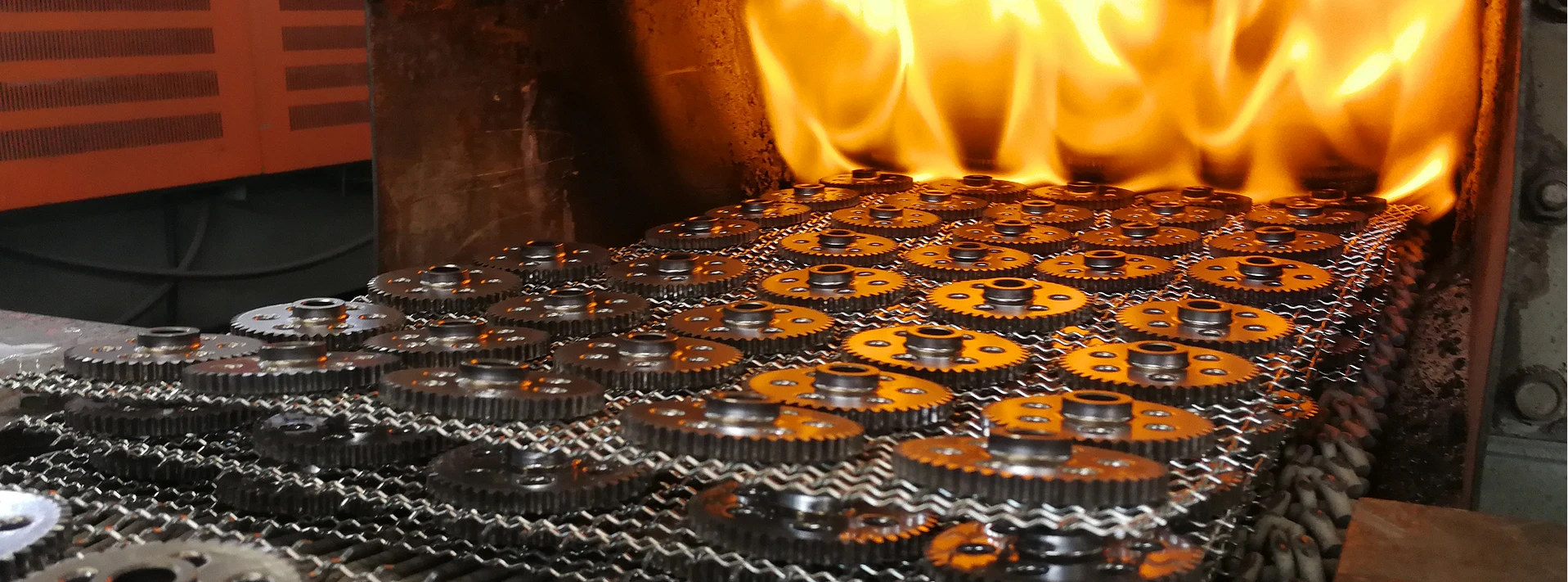
The Motorcycle Engine Timing Sprocket (also called a camshaft drive sprocket) is the linchpin of valve timing—it connects the camshaft to the crankshaft via a chain or belt, ensuring valves open/close in sync with piston movement. For Bajaj bikes, timing sprocket specs vary by model, and even small deviations (e.g., wrong tooth count) can cause catastrophic engine damage. The Pulsar 180cc (2009–2020) uses a 14-tooth front sprocket (engine side) and 39-tooth rear sprocket (camshaft side), paired with a 104-link timing chain; the sprocket material is CRC high-carbon steel, heat-treated to resist wear (hardness: HRC 45–50). The Pulsar 200 (2007–2009) features a 16-tooth drive sprocket (part code: DK101248) and 32-tooth driven sprocket (part code: DS101276), with this 2:1 ratio optimizing the 200cc engine’s power band (5,000–8,000 RPM). The Avenger 150 Street (2015–2017) uses a 15-tooth front sprocket and 43-tooth rear sprocket, with a 428H-126 link chain, and the sprocket hub diameter is 30mm, ensuring a tight fit with the camshaft. The Dominar 400 (2017–2020) has a performance-focused 15-tooth front sprocket (size: 520) made from CNC-machined steel, and aftermarket options (e.g., PBR 2276) include anti-corrosion coatings for off-road use.
Timing sprocket failure can occur due to tooth wear, caused by a loose timing chain or lack of lubrication—worn teeth (visible rounding) lead to chain skip, and if the camshaft is out of sync by just 2° crankshaft rotation, valves may collide with pistons (common in Pulsar 220s with >30,000 km). Sprocket misalignment, from bent sprocket shafts (due to accidental drops), causes the timing chain to rub against guides, wearing both components, so using a straightedge to check alignment during installation is necessary. Material fatigue, from low-quality sprockets (e.g., cast iron vs. steel), leads to cracking under high torque, so always choosing Bajaj genuine or ISO-certified sprockets (e.g., Edge Auto for Avengers) is important.
Installation best practices for Motorcycle Engine Timing Sprocket include aligning timing marks—all Bajaj engines have timing marks on the crankshaft and camshaft sprockets (e.g., a dot on the crank sprocket lines up with a notch on the engine block), and misaligned marks cause poor performance, so using a timing light to verify after installation is key. Torquing to spec is also crucial: over-tightening sprocket bolts (common in home repairs) strips threads, while under-tightening causes sprocket wobble, so for Pulsar models, torquing bolts to 12–14 Nm using a torque wrench is recommended. Additionally, replacing the chain and sprockets together is essential, as a new sprocket paired with a worn chain accelerates sprocket wear—using kits like the Bajaj genuine chain-sprocket set for Platina 110 (includes 14T front, 41T rear, 118-link chain) ensures compatibility and longevity.
Camshaft Parts & Timing Sprockets for Bajaj FAQs
1. Can I use a Pulsar 150 camshaft in a Pulsar 180?
No—while they share similar engine architectures, the Pulsar 180’s camshaft has larger lobes (more lift) to match its higher displacement. Using a 150cc camshaft in a 180cc engine reduces power by 10–12% and may trigger CELs.
2. How often should I replace the camshaft governor in my Dominar 400?
Bajaj recommends inspecting the hydraulic cam phaser every 40,000 km and replacing it every 80,000 km—sooner if you notice poor fuel economy or power loss.
3. What’s the difference between a timing sprocket and a drive sprocket?
A timing sprocket syncs the camshaft and crankshaft (for internal engine use), while a drive sprocket transfers power to the rear wheel (for external drivetrain use). Never interchange them—timing sprockets are smaller and made from softer steel to avoid damaging the timing chain.
4. My Bajaj Avenger has a ticking noise—could it be a camshaft issue?
Yes—ticking often indicates worn lifters or low oil pressure. Start by checking oil levels; if levels are normal, inspect the camshaft lobes for wear (use a micrometer to measure lobe height—wear >0.2mm means replacement is needed).
5. Where can I buy wholesale camshaft parts for Bajaj?
Reputable suppliers include which offers bulk kits for Pulsar and Avenger models,which stocks genuine Bajaj timing components (e.g., sprockets, chains); which is ideal for workshops buying 50+ units (e.g., Boxer 100 camshaft kits).
From camshaft parts for Bajaj to universal motorcycle camshaft parts, every component plays a role in engine health. By prioritizing OEM specs, following timing alignment best practices, and addressing wear early, you’ll keep Bajaj bikes running reliably for years—whether they’re commuter workhorses or performance machines.









