




The Drive Pinion: A Small Gear with a Big Impact
If you've ever dabbled in industrial machinery or heavy-duty equipment, you know the drive pinion isn’t exactly the flashy star of the show. But don’t underestimate it — it’s a vital component in power transmission, a true unsung hero. I’ve been around this sector for over a decade, and frankly, some of the best lessons come from appreciating the small yet crucial parts like this one.
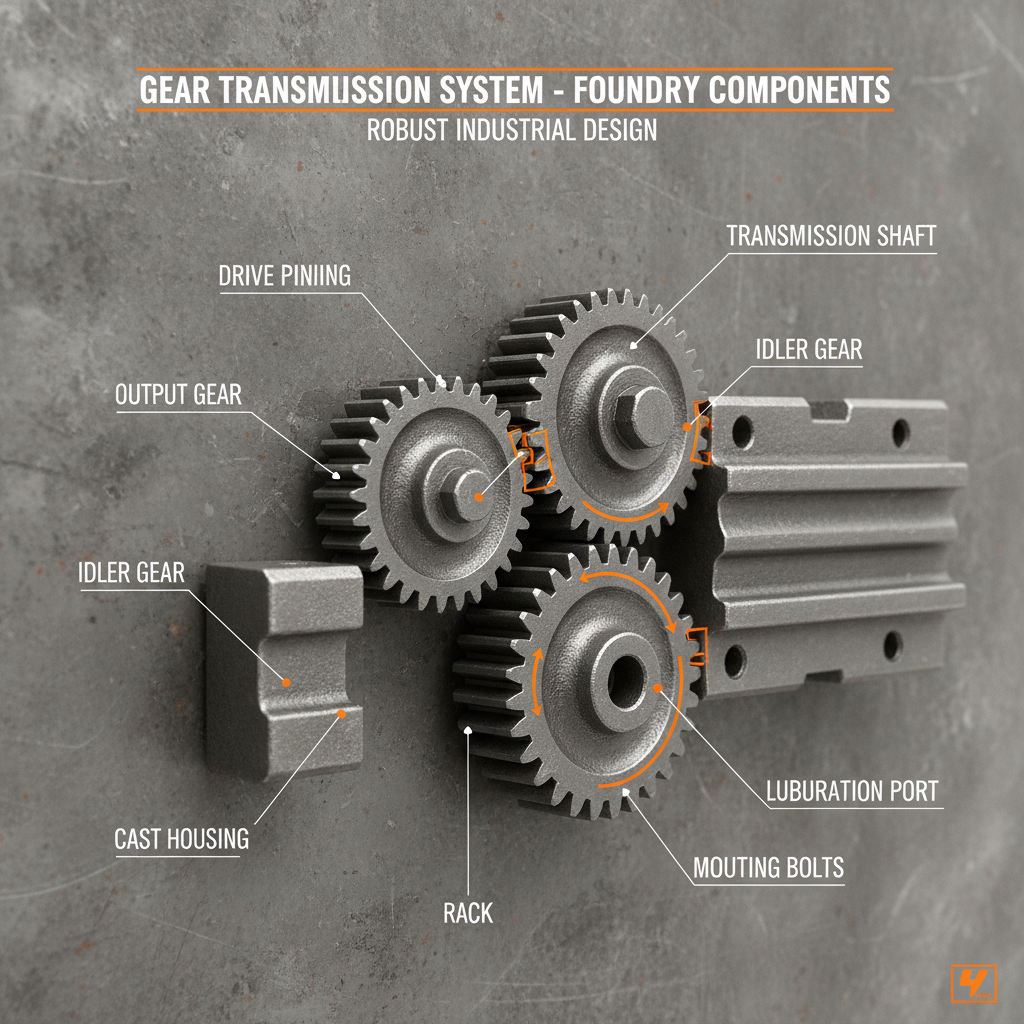
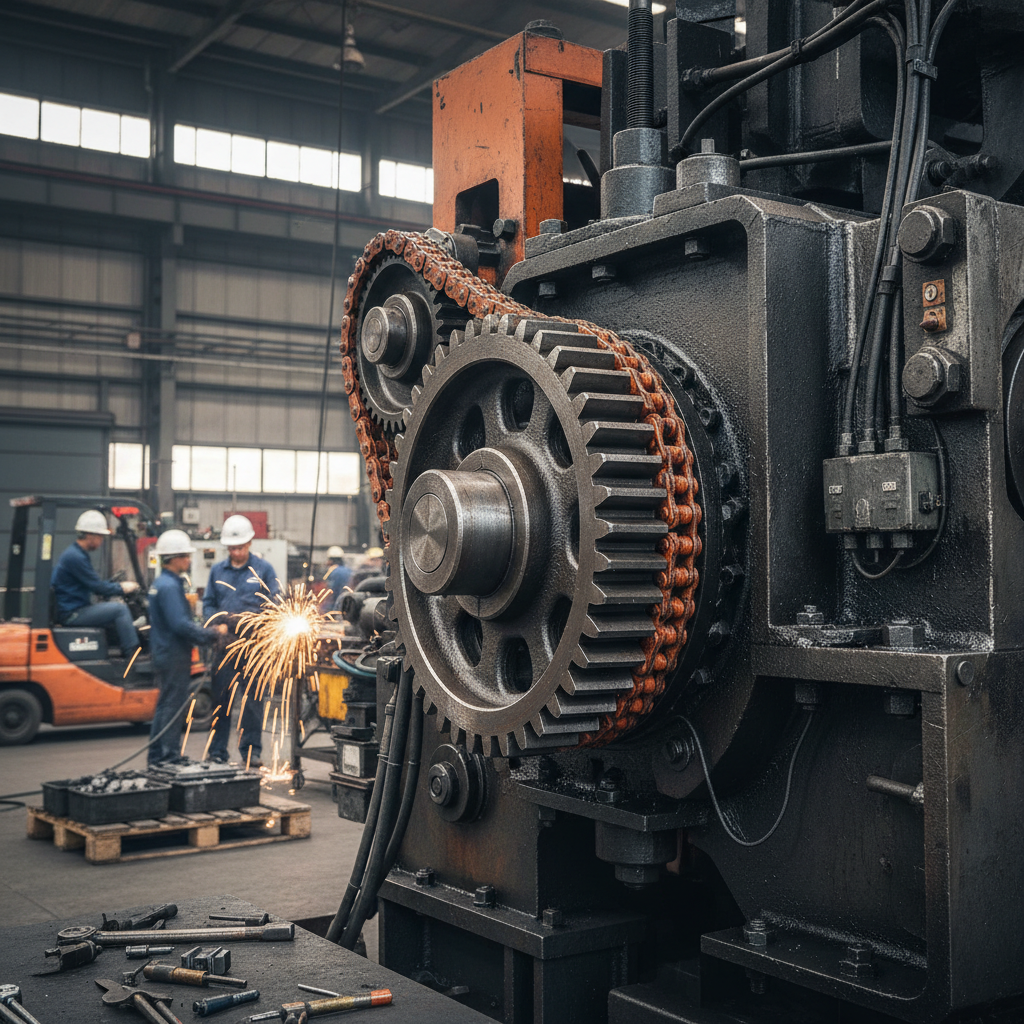
For those not deep into gears and shafts, a drive pinion is basically the smaller gear that meshes with a larger gear or rack to convert rotational motion into something useful — often torque or speed — in drives like those found in heavy equipment, automotive axles, or conveyor systems. Its design, material, and build quality can greatly affect equipment reliability and efficiency. Oddly enough, though it looks simple, the precision involved in making a durable drive pinion will surprise you.
### Materials and Design
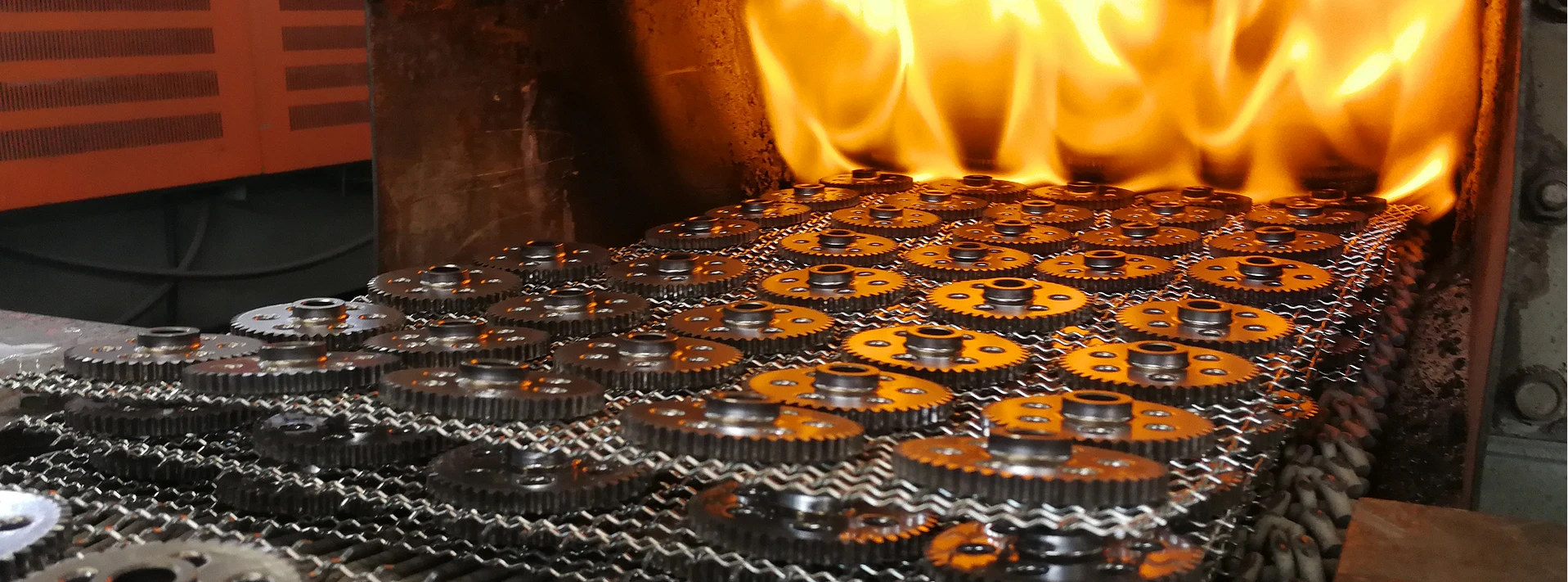
Traditionally, drive pinions are crafted from medium to high-carbon steels that undergo heat treatment to achieve hardness and wear resistance. But in recent years, manufacturers such as JSS Sintering have pushed boundaries with sintered metal techniques, offering parts that balance strength and reduced weight. I remember a plant manager telling me how switching to sintered pinions cut maintenance downtime by a noticeable margin — that kind of cost-saving speaks volumes.
Design-wise, things like tooth profile, module (gear size), pressure angle, and surface finish play massive roles. It’s not just about fitting gears together; it’s about minimizing noise, vibration, and premature wear. You know, many engineers argue that while the pinion might only be a small piece, it’s often the first to give you a heads-up on drivetrain health.
### Specifications at a Glance
| Specification | Typical Range | Notes |
|---|---|---|
| Material | Medium-carbon steel, sintered steel | Heat-treated for hardness (HRC 50-62) |
| Module (Gear size) | 1.5 - 6 mm | Depends on application torque/speed |
| Pressure Angle | 20° or 25° | Affects load distribution |
| Surface Finish | Ra 0.8 - 1.6 µm | Critical for noise reduction |
| Custom Options | Various bore sizes & keyways | Made-to-order for fit |
### Picking the Right Vendor: Who Makes the Cut?
In a sector brimming with vendors, the quality gap can be staggering. From experience, I'd say it’s vital to look beyond just price and “off-the-shelf” availability. Here’s a quick look at some typical drive pinion suppliers in terms of materials, customization, lead times, and cost, based on conversations and industry data:
| Vendor | Material Varieties | Customization | Typical Lead Time | Cost (Relative) |
|---|---|---|---|---|
| JSS Sintering | Steel (conventional, sintered) | High (bore, teeth, finish) | 2-4 weeks | Medium |
| Generic OEM Supplier | Mostly forged steel | Low to medium | 1-3 weeks | Low |
| Premium Gearworks | Alloy, case hardened | Very high (full specs) | 4-6 weeks | High |
It’s interesting how JSS Sintering strikes a balance — offering sintered materials that reduce waste and weight without compromising strength, plus customization that fits real-world equipment modifications. I remember a case where their pinions replaced a legacy part in a mining operation, and the customer was thrilled by the quieter operation and longer lifespan. A small success, sure, but it’s the kind of thing that sticks with me.
### Real-World Use and Maintenance Tips
Working with drive pinions means you keep an eye out for a few key warnings: unusual noise, increased backlash, or any visual tooth damage. I suppose it’s like a quick health check on your machine. Regular lubrication with the correct grease or oil keeps those teeth happy — and don’t ignore alignment. Misalignment is the sneaky culprit behind accelerated pinion wear.
One thing that not many new engineers realize is the importance of matching the drive pinion perfectly with its mating gear. It’s tempting to think “close enough,” but even tiny mismatches can create hotspots, wear chains, and eventually downtime you don’t want. Finding a supplier who helps with detailed specs can save headaches down the track.
### Final Thoughts
So while a drive pinion might be a small, often overlooked component, it’s definitely a fundamental player in the industrial equipment ecosystem. Precision, material choice, and customization really matter here — more than you’d guess until you’ve seen a rig come to a grinding halt because of a worn one. I’d say, if you’re specifying or buying pinions, do your homework and don’t just go for the cheapest option. Reliability pays off.
Thanks for sticking through this gear talk — it’s the kind of stuff that proves even the tiniest components have stories of innovation behind them!
References:
1. Machinery Lubrication Handbook, 2021 Edition
2. "Gear Materials and Heat Treatment Trends", Industrial Gear Conference 2019
3. JSS Sintering Technical Datasheets & Customer Case Studies, 2023