




Understanding Rack and Pinion: The Backbone of Precision Motion
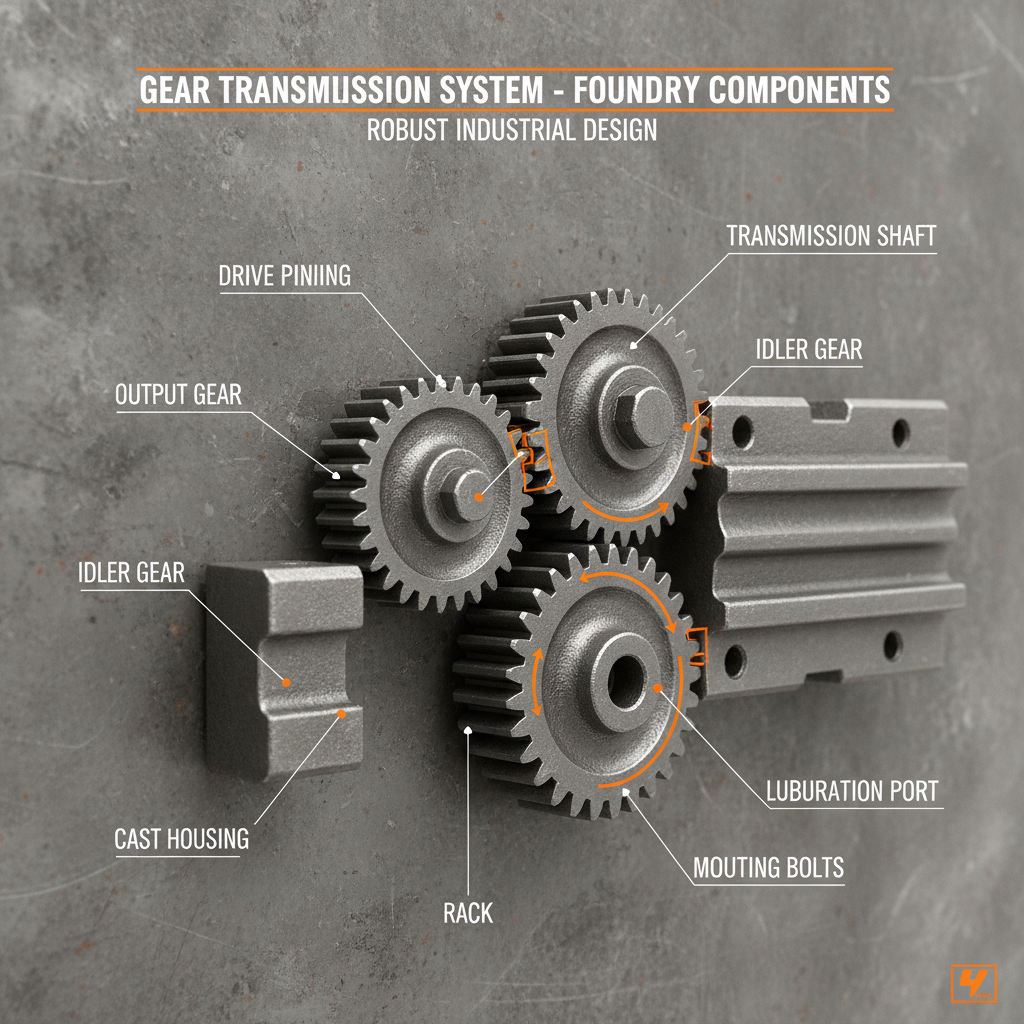
After working in the industrial equipment realm for over a decade, I can honestly say that rack and pinion systems rarely get the spotlight they deserve. These gears quietly but reliably convert rotational motion into linear motion in countless machines — from heavy-duty CNC machines to automotive steering assemblies. It’s a simple concept executed with remarkable precision.
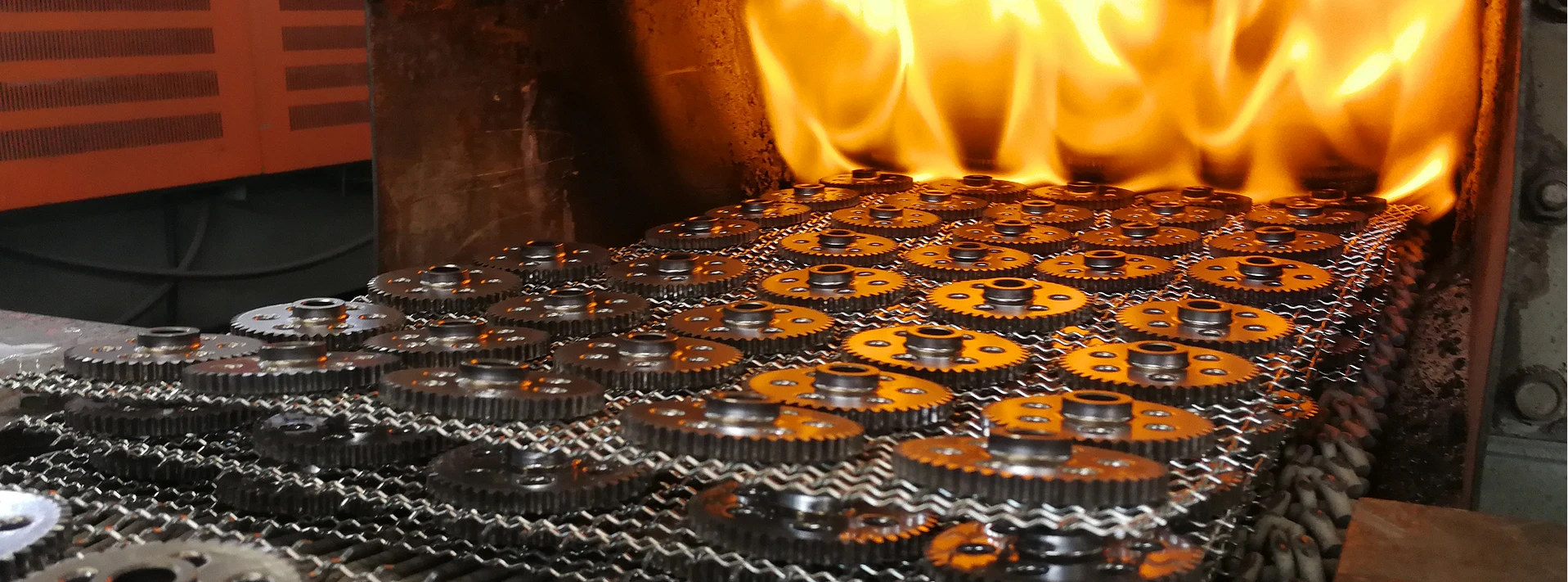
Oddly enough, the fundamental design hasn’t changed all that much since it was first developed. But, what has evolved tremendously is the material science and customization options available today. For instance, you’ll often find racks made from hardened steel or even sintered alloys (which I noticed drastically improve wear resistance) — and pinions fitted with carefully machined teeth profiles that minimize backlash.
Talking about backlash, it’s one of those details many engineers obsess over because even a tiny amount can affect precision in machining or robotics. From my experience, the ability to specify tooth hardness and pitch accuracy upfront can save weeks of troubleshooting later on.
| Spec | Value | Notes |
|---|---|---|
| Material | Hardened Steel / Sintered Alloy | Material choice impacts durability |
| Module (Pitch) | 1.0 - 5.0 mm | Varies by load and precision requirements |
| Length | Up to 3000 mm | Custom lengths available |
| Backlash | Critical for precision tasks | |
| Surface Finish | Ra 0.4 µm or better | Smooth finish extends life |
When choosing a supplier — and believe me, there are many out there — you want more than just specs on paper. Reliability, consistency, and service matter equally. I recall one project where a client’s automotive steering assembly demanded extreme precision and durability. We tested three suppliers and finally settled on one that offered customization on heat treatment and quality control to a T.
| Vendor | Material Options | Customization Level | Lead Time | Typical Applications |
|---|---|---|---|---|
| JSS Sintering | Sintered Alloys, Hardened Steel | High - pitch, hardness, length | 3-5 weeks | CNC, Robotics, Automotive |
| Vendor B | Hardened Steel only | Medium - standard lengths | 2-4 weeks | Industrial machinery |
| Vendor C | Steel, Aluminum (less common) | Low - off-the-shelf only | 1-2 weeks | Light-duty automation |
The beauty of racks and pinions is also their versatility. They show up in ways most people don’t realize. For example, a client of mine once used a custom rack and pinion solution to enhance a packaging line’s precision indexing — cut downtime and increased throughput noticeably.
So, when you’re thinking about outfitting your next industrial line or upgrading machinery, consider the humble rack & pinion carefully. Ask about material grades, backlash tolerances, and how the supplier tests components. It can make all the difference between a solution that’s just “okay” and one that performs like a champ through countless shifts.
In real terms, the choice of rack and pinion often shapes the reliability and efficiency of your equipment in ways quietly profound.
References:
1. Shigley’s Mechanical Engineering Design (10th Edition)
2. “Gear Technology” Journal Articles, 2018-2023
3. Supplier datasheets from JSS Sintering and industry peers