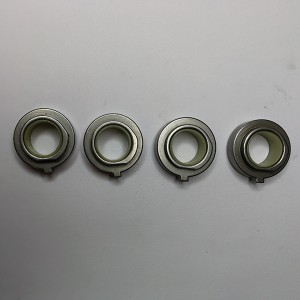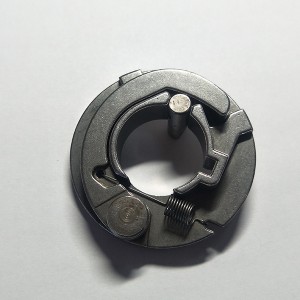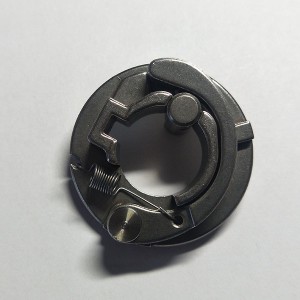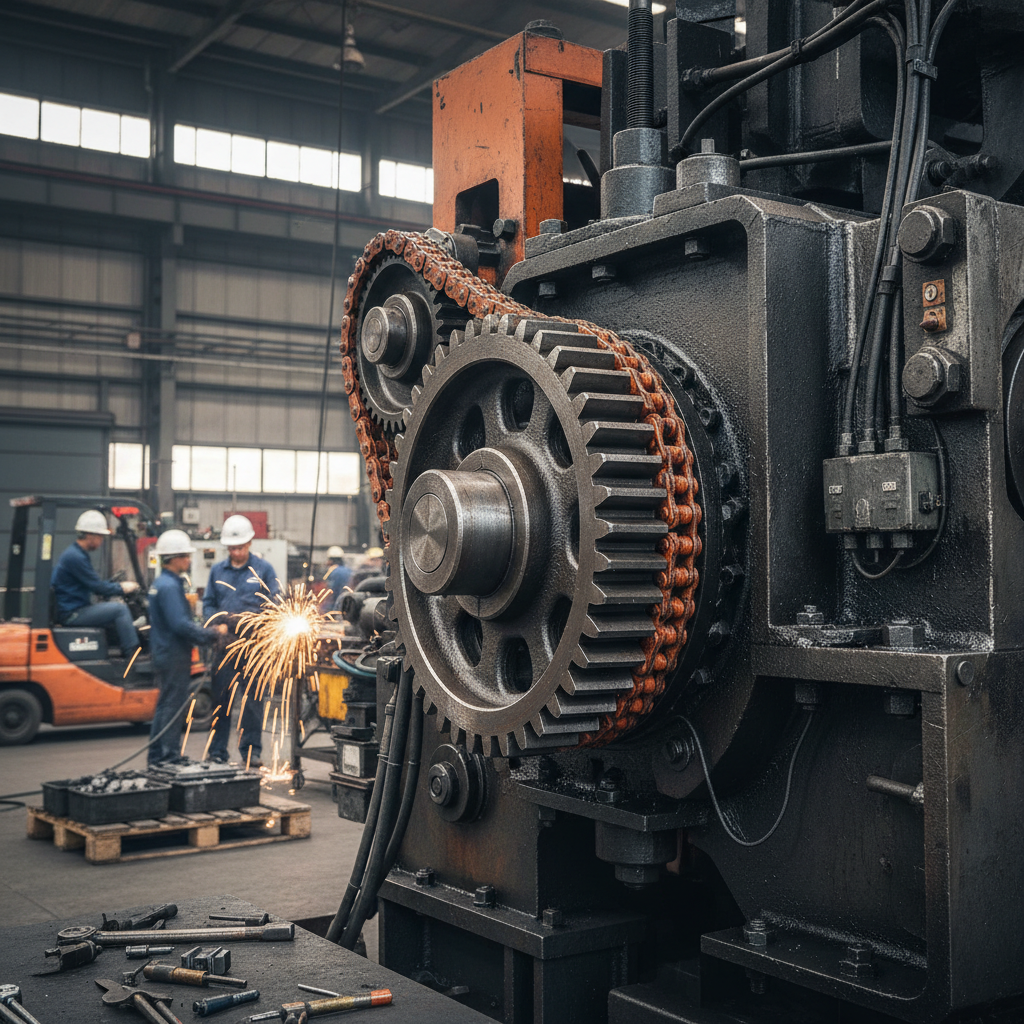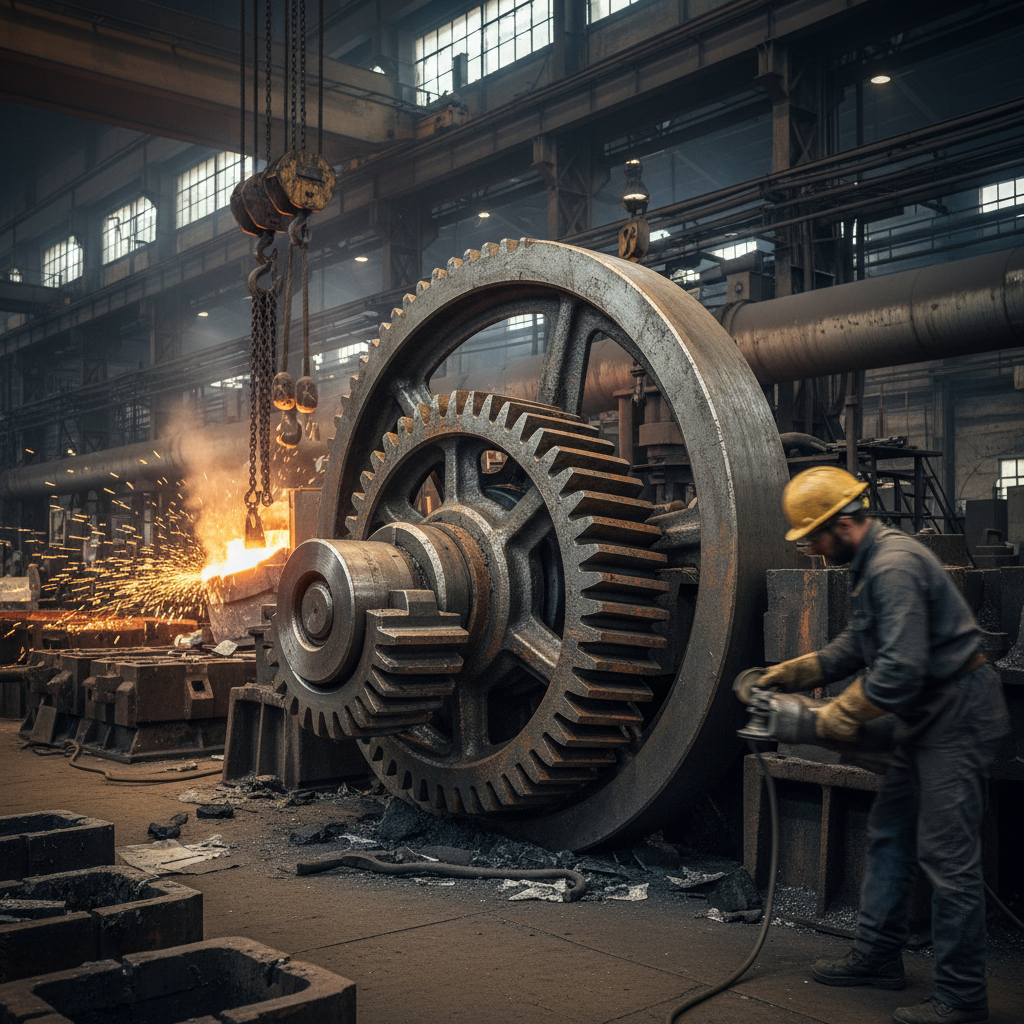





Sintered Components is a key solution in the industry, specifically within manufacturing, automotive, and heavy machinery sectors. This article explores how https://www.jssintering.com supports professionals with durable, high-performance products, and explains why this product is an ideal choice for businesses in these sectors.
Table of Contents
- Sintered Components Overview
- Benefits & Use Cases of Sintered Components
- Cost, Maintenance & User Experience
- Sustainability & Market Trends
Sintered Components Overview
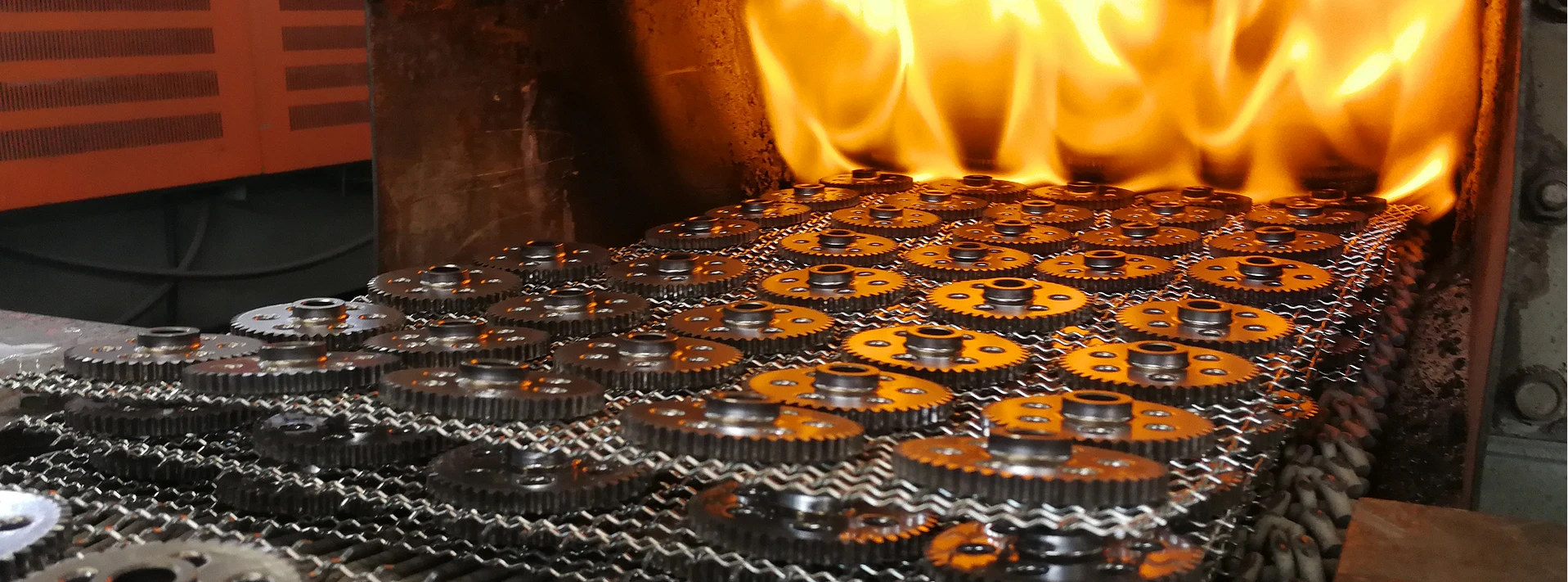
Simply put, sintered components are metal parts crafted through a process called powder metallurgy. Instead of traditional casting or machining, metal powders are compacted and then heated just below their melting point — making particles fuse into a solid mass without actually liquefying. The result is a component that combines strength with precision. Frankly, it’s a fascinating process because it allows the creation of complex shapes that would be tough or expensive otherwise.
Technically speaking, the key parameters include temperature, pressure, and time — finely tuned to optimize density and porosity. For example, JSS Sintering’s parts typically achieve densities of over 95% theoretical maximum, giving a unique balance of durability and lightweight characteristics. One case study from the automotive sector highlights how a sintered gear reduced weight by 20% while maintaining wear resistance, a real win for fuel efficiency and longevity.
| Specification | Details |
|---|---|
| Materials | Iron, Copper, Bronze, Stainless Steel |
| Typical Density | >95% theoretical density |
| Max Dimensions | Up to 300mm diameter |
| Tolerances | ±0.02mm (customizable) |
Benefits & Use Cases of Sintered Components
In various industries, sintered components offer unique versatility. Manufacturing sectors rely on them for bearings, filters, and structural parts that demand consistent quality under stress. Automotive manufacturers prize sintered gears, clutch plates, and timing components because these parts reduce friction, improve efficiency — and oddly enough, lower noise.
What really stands out are the competitive advantages. For one, sintered components often come with self-lubricating properties due to controlled porosity. This means less upkeep and better lifespan. They’re also highly customizable, which can shorten lead times drastically compared to machining from solid metal blocks. Many engineers say these parts fit perfectly where complex geometries and tight tolerances are essential.
Cost, Maintenance & User Experience
You might be wondering how these components stack up cost-wise. While the initial price can be competitive with forged or machined parts, the total cost of ownership often tips the scales in favor of sintered components. Durability is high — wear resistance means longer cycles before replacement. Maintenance needs tend to decrease, too, which in real terms, saves money and downtime.
Customer feedback from sectors like industrial machinery highlights that the return on investment (ROI) becomes noticeable over just a couple of production cycles. One user at a heavy equipment firm told me how switching to sintered bushings cut their machine’s service intervals by almost half. These real-world results underscore why more decision makers are gravitating towards sintered solutions.
| Vendor | Price per Unit | Lead Time | Quality Certification |
|---|---|---|---|
| JSS Sintering | $$$ | 2–3 weeks | ISO 9001, IATF 16949 |
| Competitor A | $$ | 4–5 weeks | ISO 9001 |
| Competitor B | $$$ | 3–4 weeks | ISO 9001, QS9000 |
Sustainability & Market Trends
Sustainability is increasingly central to manufacturing choices — and sintered components fit quite naturally into this picture. The powder metallurgy process minimizes waste compared to subtractive machining, which chops away bulk metal. Also, many sintered metals can come from recycled powders or be recycled themselves at end-of-life.
Industry regulations around emissions and energy use are tightening globally. Using lighter, more efficient components helps companies meet these targets — plus customer demand for “green” products isn’t fading anytime soon. Market trends show consistent growth in sintered parts across automotive and aerospace, driven by their eco-friendly and economic edge.
Frequently Asked Questions about Sintered Components
- What is Sintered Components and how does it work?
- Sintered components are formed by compacting metal powders and heating them below their melting point, causing the particles to fuse. This process creates solid metal parts with complex shapes and good strength without melting the entire material.
- What are the main benefits of using Sintered Components in industrial applications?
- Key benefits include durability, reduced weight, cost-effectiveness due to minimal material waste, and improved performance through fine porosity control which allows features like self-lubrication.
- How does Sintered Components compare to traditional alternatives?
- When compared to conventional machined or forged parts, sintered components often offer better material utilization, faster production for complex designs, and typically enhanced wear resistance with tailored mechanical properties.
- What industries can benefit most from Sintered Components implementation?
- Primary sectors include automotive, aerospace, heavy machinery, electronics, and manufacturing equipment. For example, sintered gears and bearings are widespread in automotive transmissions, improving both efficiency and lifespan.
Conclusion on Sintered Components from china
Ultimately, Sintered Components present a compelling value proposition that blends technological innovation with practical business advantages. Whether you’re chasing lower costs, better performance, or greener processes, these parts check many boxes. Plus, with expert suppliers like JSS Sintering, customization and quality control come as standard. Give your decisions a solid foundation by exploring their solutions directly.
- Recap the value of Sintered Components.
- - Visit our website: https://www.jssintering.com
In the end, the continuous evolution of sintered technology is one of those quiet revolutions, often unnoticed outside specialist circles, but increasingly crucial for making products lighter, tougher, and smarter.
References:
1. ASM Handbook, Volume 7 - Powder Metallurgy Technology.
2. JSS Sintering Technical Datasheets.
3. Industry Reports on Automotive Lightweight Materials (2023).