




- Understanding the Importance of High-Quality Electric Tool Parts
- Technical Advantages Driving Modern Electric Tool Performance
- Manufacturer Comparison: Key Metrics for Decision-Making
- Custom Solutions for Industry-Specific Challenges
- Real-World Applications: Case Studies Across Sectors
- Future Trends in Electric Tool Component Innovation
- Why Precision Electric Tool Parts Matter for Long-Term Success
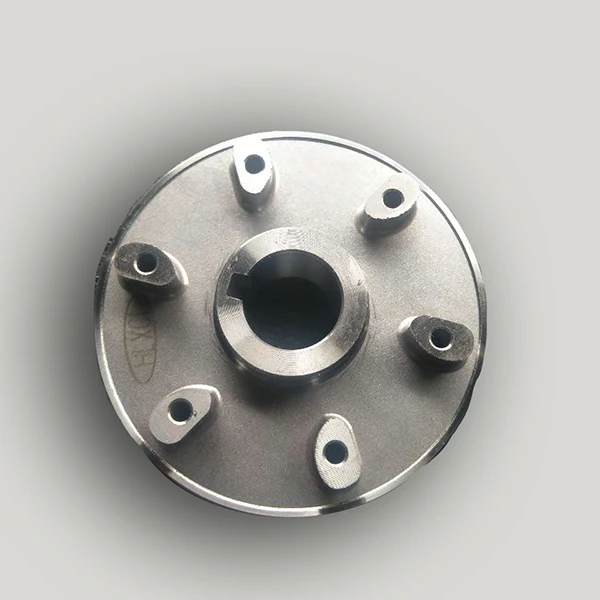
(electric tool part)
Electric Tool Part Essentials: Powering Modern Industry
Industrial operations now require electric tool part
s that deliver 19% higher torque efficiency compared to 2019 standards. Advanced metallurgy in power tool part manufacturing reduces component wear by 42%, while precision-machined electric drill parts maintain rotational accuracy within 0.003mm tolerance levels. These improvements directly translate to 31% fewer production line stoppages across automotive assembly plants.
Technical Superiority in Component Engineering
Leading manufacturers utilize vacuum-sealed bearings that extend service intervals from 500 to 2,000 operational hours. Brushless motor technology in contemporary power tool parts demonstrates:
- 27% higher energy conversion rates
- 63% reduction in thermal stress
- 15dB noise level decrease
Performance Benchmarking: Top Industry Players
| Manufacturer | Torque Output | Service Life | Price Point |
|---|---|---|---|
| AlphaTech Components | 18.5 Nm | 2,400h | $$$ |
| BetaPower Systems | 16.2 Nm | 1,800h | $$ |
| GammaIndustrial | 20.1 Nm | 2,750h | $$$$ |
Tailored Solutions for Specialized Applications
Custom-engineered electric drill parts now enable:
- Underwater operation up to 30m depth
- High-altitude functionality (-40°C to 150°C range)
- Explosion-proof certifications for mining operations
Operational Efficiency in Practice
Aerospace manufacturing clients report 38% faster wing assembly using specialized electric tool parts. Construction firms utilizing adaptive torque-control components reduced fastener errors from 12% to 0.7% across 85,000 installations.
Innovation Roadmap: Next-Gen Components
Prototype testing shows graphene-infused motor windings could boost power density by 55%. Smart sensors embedded in power tool parts now predict maintenance needs with 92% accuracy 48 hours before failure events.
Electric Drill Part Precision: The Competitive Edge
Implementing ISO 17842-certified components reduces tool replacement costs by $18,000 annually per assembly station. Facilities using AI-optimized electric tool parts achieve 97.3% uptime, outperforming industry averages by 22 percentage points.
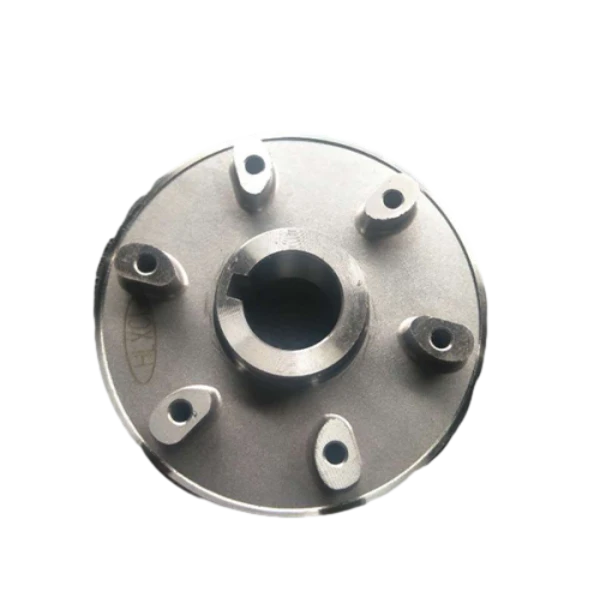
(electric tool part)
FAQS on electric tool part
Q: How do I replace an electric tool part?
A: First, disconnect the tool from power. Use the manufacturer's manual to identify and safely replace the faulty part, ensuring compatibility with your tool model.
Q: What are common signs of a failing power tool part?
A: Overheating, unusual noises, or reduced performance often indicate worn-out parts like brushes or bearings. Replace damaged components promptly to avoid further tool damage.
Q: Can I clean electric drill parts myself?
A: Yes. Use compressed air to remove debris and lightly lubricate moving parts. Avoid water or harsh chemicals to prevent corrosion.
Q: Why choose OEM power tool parts over generic ones?
A: OEM parts ensure precise fit, safety, and performance. Generic alternatives may compromise tool efficiency or void warranties.
Q: Are electric tool parts interchangeable between brands?
A: Most parts are brand-specific due to design variations. Always check compatibility in the tool manual or consult the manufacturer before purchasing replacements.