




Precision in Motion: Advancements in gear cutting Technology for B2B Applications
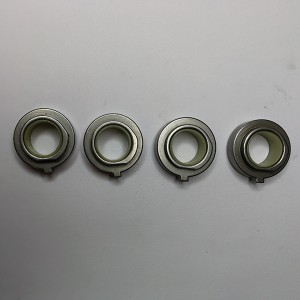
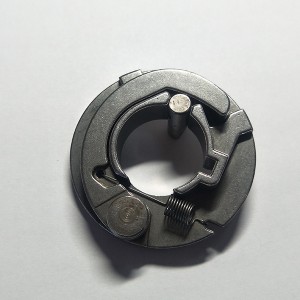
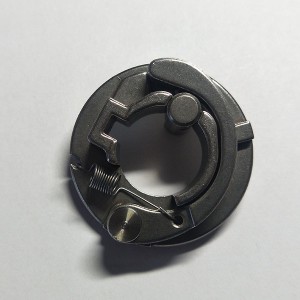
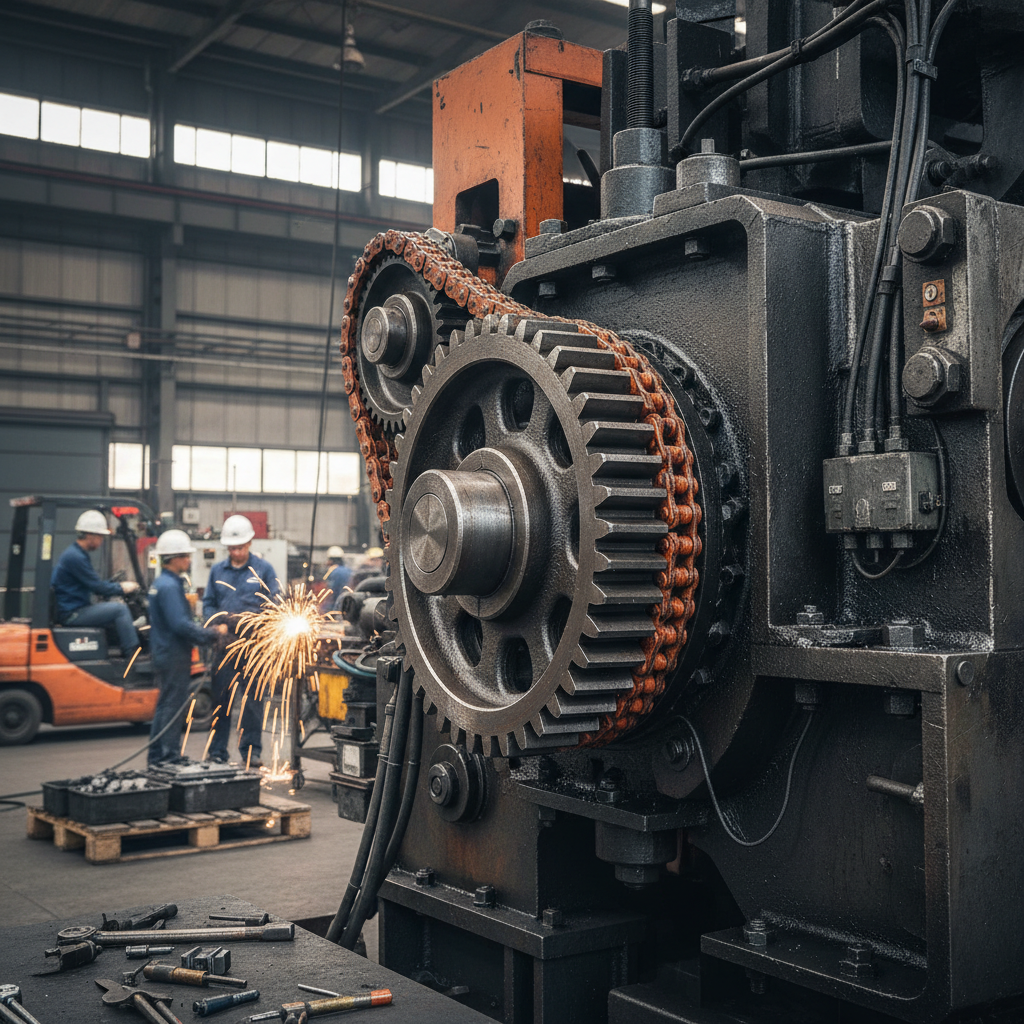
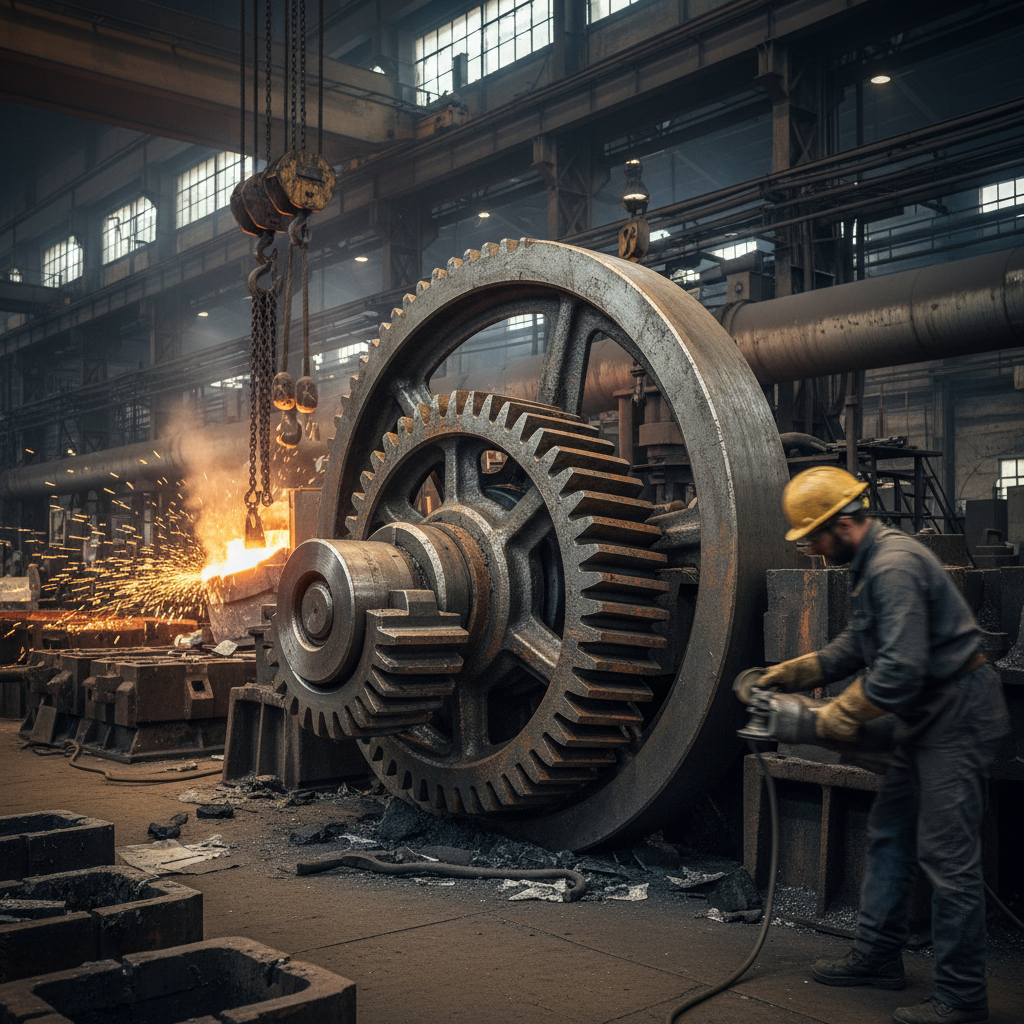
In the demanding landscape of modern industrial manufacturing, the precision and reliability of mechanical components are paramount. At the heart of countless rotational systems lies the critical process of gear cutting – the sophisticated machining operation that produces gears with exact tooth profiles. This intricate process is fundamental to the efficiency, longevity, and performance of machinery across diverse sectors, from heavy industry to delicate instrumentation. This article delves into the contemporary trends, technical specifications, application versatility, and strategic advantages offered by advanced gear cutting solutions, particularly for B2B decision-makers seeking to optimize their operational frameworks. We will explore how superior manufacturing techniques contribute to robust components like the water pump pulley gear and other critical power transmission elements.
Detailed Process Flow: Mastering Gear Cutting Manufacturing
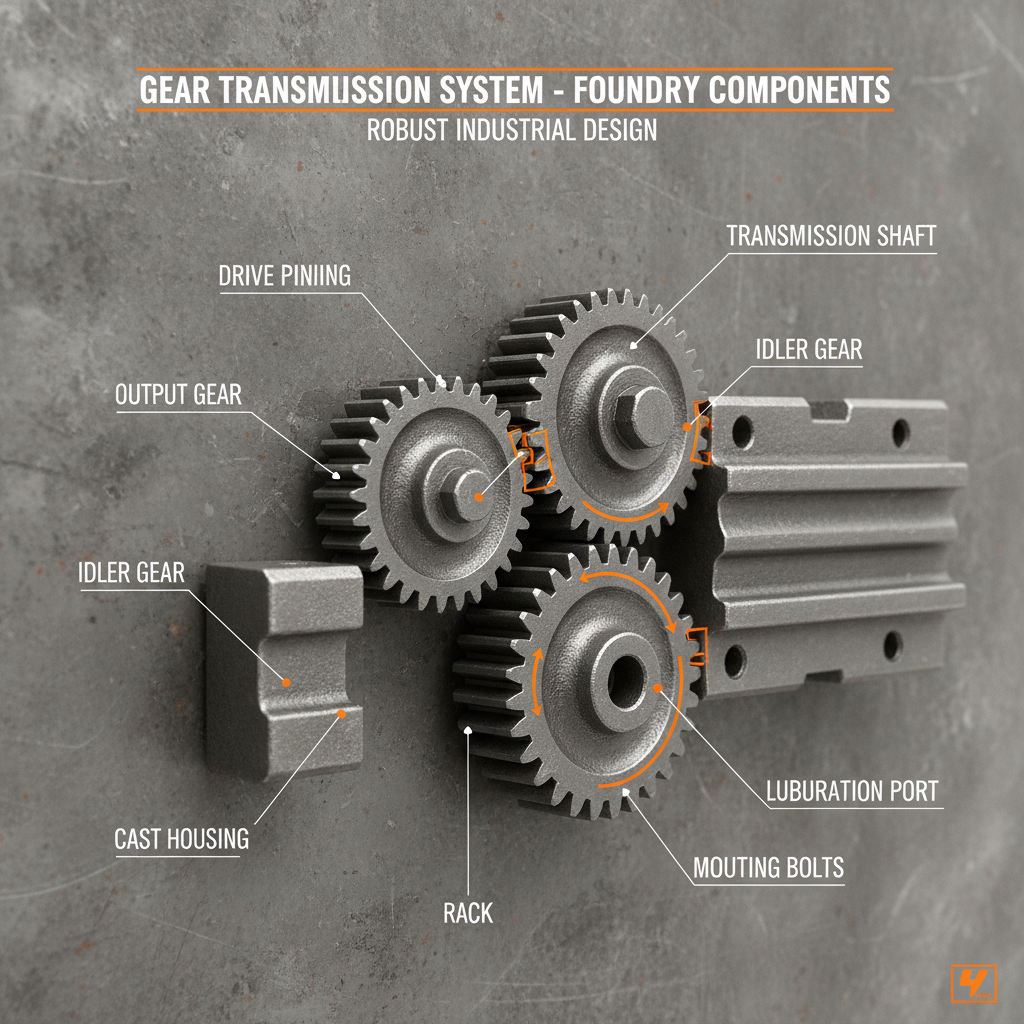
The manufacturing of high-precision gears, whether through traditional methods or advanced sintering processes for specialized components like the water pump pulley gear, involves a meticulously engineered sequence of operations. This multi-stage process ensures that the final product meets stringent performance and durability requirements.
Materials Selection and Preparation:
- Alloy Steels: Common for high-strength applications (e.g., AISI 4140, 8620) requiring excellent wear resistance and toughness after heat treatment.
- Ductile Iron: Used where good machinability, strength, and vibration damping are needed, such as in gear reducer housings.
- Powdered Metals: Increasingly utilized for complex geometries and cost-effective high-volume production, especially for parts like the water pump pulley gear, offering precise control over material properties and minimal waste.
- Non-Ferrous Alloys: Bronze or aluminum for lighter applications or specific corrosion resistance.
Core Manufacturing Processes:
-
Material Forming:
- Casting: For larger gears or those requiring complex internal structures. Materials like ductile iron or steel are poured into molds.
- Forging: Improves grain structure and mechanical properties, resulting in stronger, more durable gear blanks, often used for high-stress applications like a heavy-duty pinion gear.
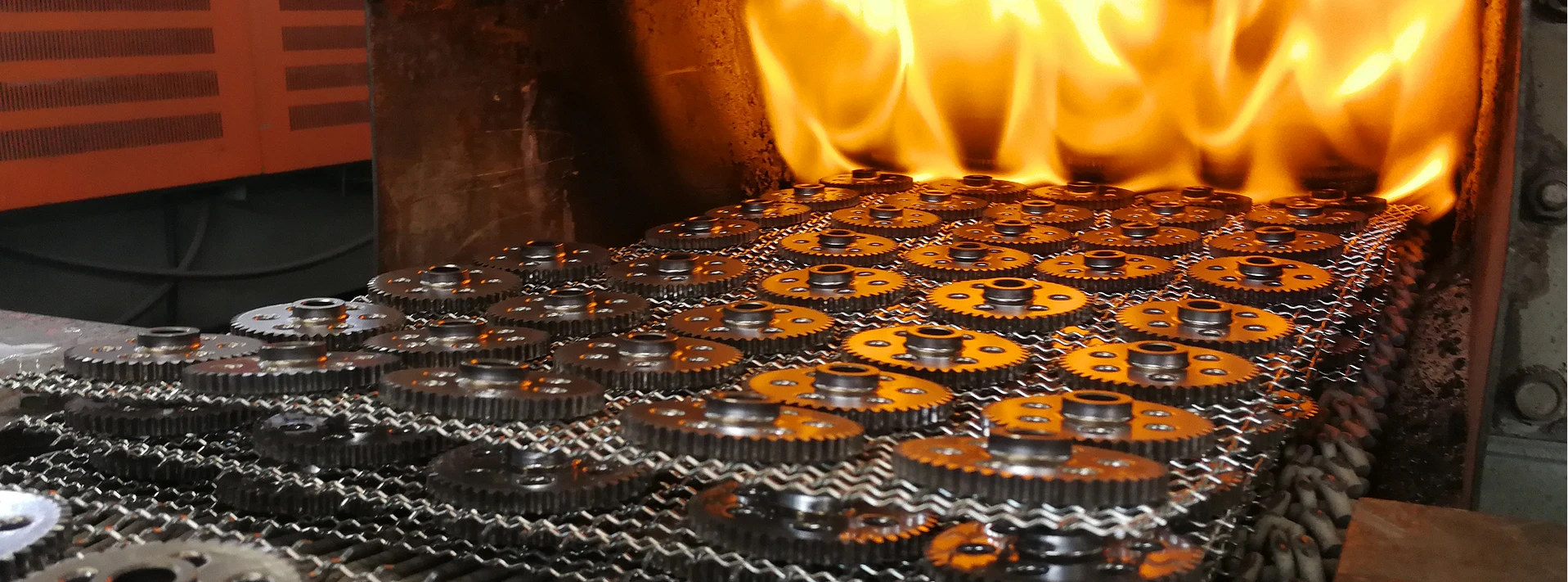
- Powder Metallurgy (Sintering): For high-volume, net-shape parts like the water pump pulley gear. Metal powders are compacted into a desired shape (green compact) and then sintered in a controlled atmosphere to achieve density and strength.
-
Gear Generation (Cutting): The core of gear cutting.
- Hobbing: A continuous cutting process using a helical cutting tool (hob) to generate gear teeth. Highly productive for spur and helical gears.
- Shaping: Uses a reciprocating cutter, ideal for internal gears, cluster gears, or gears with shoulders.
- Milling: For large, coarse-pitch gears or one-off production, often using form cutters. Modern CNC milling offers high flexibility.
- Grinding: Post-heat treatment process for achieving extremely high precision and surface finish, crucial for demanding applications and reduced noise, vibration, and harshness (NVH).
-
Heat Treatment: Enhances mechanical properties.
- Carburizing: Increases surface hardness and wear resistance while maintaining a tough core.
- Nitriding: Low-distortion hardening process for improved fatigue strength and corrosion resistance.
- Induction Hardening: Localized hardening for specific tooth profiles.
-
Finishing Operations:
- Honing, Lapping, Polishing: For achieving ultra-fine surface finishes and reducing noise.
- Coatings: PVD/CVD coatings for enhanced wear, corrosion resistance, or reduced friction in aggressive environments.
Testing and Quality Standards:
All gears undergo rigorous testing to ensure compliance with international standards such as ISO 1328 (Gear Classification System), ANSI/AGMA (American Gear Manufacturers Association) standards, and internal quality protocols. Key parameters tested include tooth profile, lead, pitch, runout, and surface finish. For automotive components like the water pump pulley gear, specific automotive industry standards (e.g., IATF 16949) are adhered to.
Service Life: Dependent on material, application, and operating conditions, precision-manufactured gears can achieve service lives exceeding 10 years or millions of cycles in continuous operation, particularly when designed for fatigue resistance and optimal lubrication.
Target Industries & Application Advantages:
- Petrochemical: Gears for pumps, compressors, and mixers requiring extreme corrosion resistance and high torque transmission under harsh conditions.
- Metallurgy: Robust gear reducer units for rolling mills, conveyors, and heavy lifting equipment, demanding exceptional durability and shock load resistance.
- Water Supply & Drainage: Reliable gears for large pumps and valve actuation, where energy efficiency and corrosion resistance in humid environments are crucial.
- Automotive: Precision gears for transmissions, engine components (like the water pump pulley gear), and differentials, emphasizing lightweighting, noise reduction, and long service life.
- Renewable Energy: Gears for wind turbine gearboxes, solar tracking systems, requiring high reliability and performance in varying environmental conditions.
Advantages in these scenarios include significant energy savings due to optimized tooth geometry and reduced friction, superior corrosion resistance through advanced materials and coatings, and extended operational lifetimes, directly impacting total cost of ownership (TCO).
Industry Trends in Advanced Gear Cutting
The gear cutting industry is continually evolving, driven by demands for higher performance, greater efficiency, and reduced environmental impact. Key trends include:
- Digitalization and Industry 4.0: Integration of smart manufacturing technologies, including IoT sensors, real-time data analytics, and AI-driven predictive maintenance for gear cutting machines, optimizing production schedules and quality control.
- Additive Manufacturing: While not yet mainstream for high-volume functional gears, 3D printing is gaining traction for prototyping complex gear geometries and producing specialized, lightweight components or tooling.
- Advanced Materials: Research into lightweight composites, ceramic-metal hybrids, and superalloys for extreme temperature or corrosive environments, pushing the boundaries of what is achievable through traditional gear cutting.
- High-Efficiency Machining: Development of new tool coatings, cutting geometries, and high-speed CNC machines to reduce cycle times, improve surface finish, and extend tool life, thereby lowering manufacturing costs.
- Sustainable Manufacturing: Focus on reducing energy consumption, minimizing waste through near-net-shape manufacturing (e.g., powder metallurgy), and employing eco-friendly coolants and lubricants.
Technical Specifications and Product Parameters
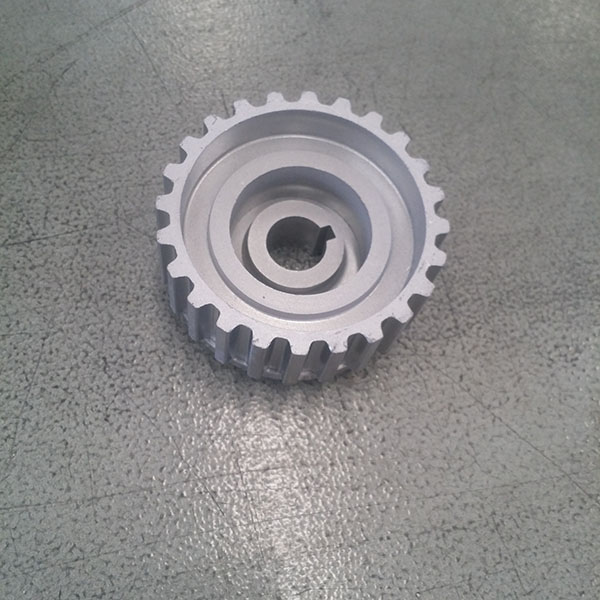
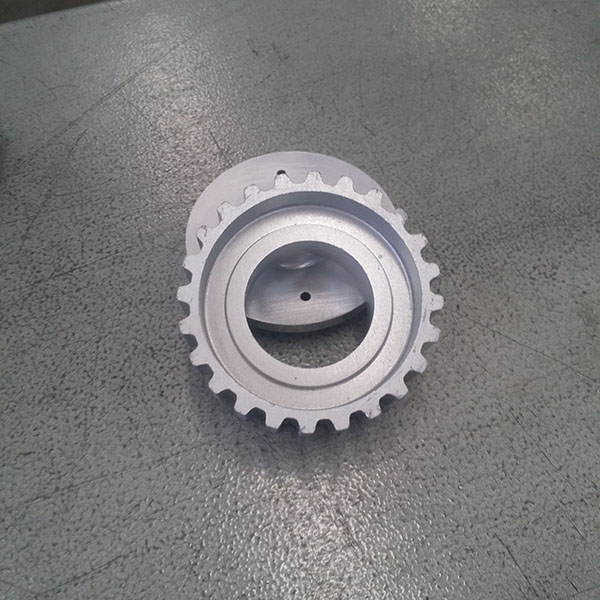
Understanding the detailed technical parameters is crucial for specifying the correct gear for any application. Below is a specification table for a typical Water Pump Pulley Gear, highlighting key attributes of precision gear cutting.
Water Pump Pulley Gear - Key Specifications
| Parameter | Specification | Technical Detail |
|---|---|---|
| Material | Powdered Metal (e.g., Fe-Cu-C alloy) | Optimized for strength, wear resistance, and cost-efficiency in high-volume production. Density typically 6.8-7.2 g/cm³. |
| Manufacturing Process | Powder Compaction, Sintering, Machining (if required) | Achieves near-net-shape with excellent dimensional consistency and minimal material waste. |
| Module (m) | 1.5 - 2.5 mm | Standard metric pitch, influencing tooth size and strength. |
| Number of Teeth (Z) | 20 - 40 (variable per design) | Determines gear ratio and overall diameter. |
| Pressure Angle (α) | 20° (Standard) | Influences tooth strength, contact stresses, and noise characteristics. |
| Helix Angle (β) | 0° (Spur Gear) or 10-25° (Helical Gear) | Helical gears offer smoother operation and higher load capacity compared to spur gears. |
| Gear Quality Grade | ISO 8-10 (AGMA Q9-Q11) | Indicates precision level for manufacturing tolerances. Lower numbers mean higher precision. |
| Surface Finish (Ra) | 0.8 - 1.6 μm (after finishing) | Impacts friction, wear, and noise generation. |
| Heat Treatment | Steam Treatment or Carburizing (optional) | Enhances corrosion resistance and surface hardness for extended operational life. |
| Typical Application | Automotive Water Pump Drive Systems | Requires high reliability, low noise, and efficient power transfer. |
Technical Advantages of Precision Gear Cutting
The deployment of expertly manufactured gears provides a cascade of technical advantages for industrial operations:
- Superior Efficiency: Precision-cut tooth profiles reduce friction and backlash, leading to higher power transmission efficiency and lower energy consumption. For example, a well-designed gear reducer can achieve efficiencies upwards of 95-98%.
- Extended Service Life: Optimized material selection, precise gear cutting, and advanced heat treatments (e.g., case hardening) significantly enhance wear resistance and fatigue strength, resulting in longer operational life and reduced maintenance.
- Reduced Noise, Vibration, and Harshness (NVH): High-precision gears with carefully controlled tooth geometry minimize meshing errors, leading to smoother operation, lower noise levels, and reduced vibration – critical in automotive, aerospace, and sensitive industrial applications.
- Enhanced Reliability: Consistent quality control and adherence to international standards (e.g., ISO, AGMA) ensure that gears perform reliably under specified loads and conditions, minimizing unexpected downtime.
- Higher Power Density: Advanced gear cutting techniques allow for more compact gear designs that can transmit greater power, enabling smaller, lighter machinery without compromising performance. This is particularly beneficial for applications like the pinion gear in compact transmissions.
- Corrosion Resistance: Selection of appropriate materials (e.g., stainless steel, specialized alloys) and application of protective coatings (e.g., black oxide, zinc plating) provide excellent resistance in challenging environments such as petrochemical plants or marine applications.
Vendor Comparison: Choosing the Right Gear Cutting Partner
Selecting a gear cutting vendor requires careful evaluation beyond just price. Factors such as manufacturing capability, quality assurance, and engineering support are paramount.
Comparative Analysis of Gear Cutting Capabilities
| Feature/Criteria | Standard Vendor | Specialized Provider (e.g., JSSintering) |
|---|---|---|
| Manufacturing Precision (ISO Grade) | ISO 9-12 | ISO 5-8 (High Precision) |
| Material Range Expertise | Common steels, some cast iron | Extensive knowledge in powdered metals, alloy steels, non-ferrous, specific composites |
| Customization & Engineering Support | Limited to standard designs | Full design, prototyping, material science, and optimization support |
| Quality Certifications | Basic ISO 9001 | ISO 9001, IATF 16949 (Automotive), AS9100 (Aerospace) where applicable |
| Lead Time & Production Volume | Variable, less predictable for complex orders | Optimized for both prototyping and high-volume serial production with consistent lead times |
| After-Sales Support | Basic troubleshooting | Comprehensive technical support, warranty, and continuous improvement partnership |
Partnering with a specialized provider ensures access to cutting-edge technology, stringent quality control, and expert engineering, leading to superior product performance and long-term cost savings.
Customized Gear Cutting Solutions
The unique demands of modern machinery often necessitate custom-engineered gears. Tailored solutions can optimize performance, reduce system complexity, and extend operational life in niche applications.
- Material Optimization: Custom selection of alloy steels, specialized powder metal blends, or non-ferrous materials to meet specific strength, weight, or corrosion resistance requirements. For instance, a lightweight pinion gear for aerospace might utilize high-strength aluminum alloys or composites.
- Geometry and Profile Modification: Design of non-standard tooth profiles, helix angles, or pressure angles to minimize noise, increase load capacity, or fit specific space constraints. This includes crown and lead modifications to compensate for deflection under load.
- Integrated Components: Manufacturing gears as part of a larger assembly, such as a water pump pulley gear with an integrated hub, reducing assembly steps and improving concentricity.
- Specialized Heat Treatments and Coatings: Application of bespoke heat treatment cycles (e.g., deep carburizing, cryo-treatment) or advanced surface coatings (e.g., DLC, TiN) for extreme wear, high temperature, or low-friction applications.
- Design for Manufacturability (DFM): Collaboration with engineering teams to refine gear designs for optimal manufacturing efficiency and cost-effectiveness, without compromising performance.
Application Case Studies
Real-world applications demonstrate the tangible benefits of advanced gear cutting.
Case Study 1: High-Performance Gear Reducer for Mining Operations
A leading mining equipment manufacturer faced persistent issues with premature failure of gear reducer units in heavy-duty conveyor systems, leading to costly downtime. The original gears, conventionally machined, suffered from pitting and fatigue in the abrasive, high-load environment.
Solution: We engineered a custom gear reducer using case-hardened AISI 8620 steel, with gear teeth generated via precision hobbing and subsequently ground to ISO Grade 6. A specialized surface treatment was applied for enhanced wear and impact resistance.
Results: The redesigned gear reducer units demonstrated a 300% increase in service life, reducing unscheduled maintenance by 60% and resulting in annual savings of over $150,000 per installation. Customer feedback highlighted significantly improved operational stability.
Case Study 2: Optimized Water Pump Pulley Gear for Automotive OEM
An automotive OEM required a more durable and cost-effective water pump pulley gear for their next-generation engine platform, moving away from a traditional forged and machined component. The primary challenges were mass production consistency, reduced NVH, and material cost.
Solution: Leveraging our expertise in powder metallurgy and gear cutting, we developed a powdered metal Fe-Cu-C alloy water pump pulley gear. The process involved precision compaction and sintering, achieving a near-net shape and excellent dimensional tolerance. The tooth profile was optimized for minimal backlash and noise.
Results: The new pulley gear achieved a 20% cost reduction per unit and demonstrated superior noise performance, meeting stringent automotive NVH targets. Its consistent dimensional accuracy in high-volume production streamlined assembly, contributing to an overall 5% reduction in engine manufacturing costs.
Trustworthiness & Support ( Elements)
Certifications and Authority:
Our commitment to quality and excellence is underpinned by rigorous adherence to international standards. We are ISO 9001:2015 certified for quality management and IATF 16949 certified for automotive quality management systems, ensuring world-class production and consistency. With over two decades of specialized experience in precision component manufacturing, including advanced gear cutting, we have cultivated a reputation for delivering high-performance, reliable solutions to global industry leaders.
Our internal testing facilities perform comprehensive metallurgical analysis, dimensional inspections, and performance evaluations to validate every product against design specifications and industry benchmarks like AGMA and ASTM.
Frequently Asked Questions (FAQ):
Q: What is the typical lead time for custom gear orders?
A: Lead times vary based on complexity, material, and order volume. For standard custom gears, prototyping typically takes 4-6 weeks, with production runs commencing 8-12 weeks post-design approval. Expedited services may be available.
Q: What material options are available for gear cutting?
A: We work with a broad spectrum of materials, including various alloy steels (e.g., 4140, 8620), ductile iron, stainless steel, aluminum alloys, brass, and advanced powdered metal formulations. Our engineering team can assist in selecting the optimal material for your application.
Q: Do you offer surface treatments and heat treatments?
A: Yes, we provide comprehensive heat treatment options (e.g., carburizing, nitriding, induction hardening) and surface coatings (e.g., black oxide, zinc plating, specialized PVD/CVD) to enhance durability, wear resistance, and corrosion protection.
Lead Time & Fulfillment:
We maintain robust supply chain management and flexible production lines to ensure timely fulfillment. Our processes are designed for both rapid prototyping and efficient high-volume production, with transparent lead time estimates provided for every project. We leverage advanced planning systems to minimize delays and maximize throughput.
Warranty Commitments:
All our precision gear cutting products are backed by an industry-standard warranty, affirming our confidence in the quality and performance of our components. Specific warranty details are provided with each quotation and are tailored to the application and product type. Our commitment extends beyond delivery to ensuring long-term operational success.
Customer Support:
Our dedicated customer support team and technical specialists are available to assist with inquiries, technical challenges, and ongoing project needs. From initial design consultation to post-installation support, we are committed to providing responsive and expert assistance. Contact us through our website, email, or direct phone lines for immediate support.
Conclusion
The art and science of gear cutting remain a cornerstone of industrial efficiency and innovation. By embracing advanced materials, precision manufacturing techniques, and rigorous quality control, manufacturers can achieve unparalleled levels of performance, reliability, and cost-effectiveness in their mechanical systems. For B2B partners, selecting a vendor with deep expertise, comprehensive capabilities, and a commitment to customer-centric solutions is crucial for driving operational excellence and maintaining a competitive edge in today's dynamic global markets. Investing in superior gear cutting technology is an investment in the future of your machinery and your business.
References
- 1. American Gear Manufacturers Association (AGMA) Standards. (various publications related to gear classification, inspection, and design).
- 2. International Organization for Standardization (ISO) 1328-1:2015. (Cylindrical gears - ISO system of accuracy - Part 1: Definitions and allowable values of deviations relevant to corresponding flanks of gear teeth).
- 3. ASM Handbook, Vol. 16: Machining. (ASM International, 2002).
- 4. German Research Association for Drive Technology (FVA). (Various technical reports on gear dynamics and lubrication).