







Aftermarket Motorcycle Parts: Elevating Rides with Custom, CNC, and Essential Moto Components
In the world of motorcycle customization, maintenance, and personalization, aftermarket motorcycle parts have become a cornerstone for riders and workshops alike—offering greater flexibility, performance, and style compared to OEM (Original Equipment Manufacturer) components. Whether you’re searching for moto parts to repair a daily commuter, upgrading with motorcycle parts and accessories to enhance comfort, crafting a unique build with custom motorcycle parts, or investing in precision-engineered cnc motorcycle parts for durability, this guide explores how aftermarket options redefine what’s possible for every ride. From budget-friendly replacements to high-performance upgrades, aftermarket parts cater to every need, turning standard bikes into reflections of individual taste and functionality.
Aftermarket Motorcycle Parts: Versatility Beyond OEM Limits
Aftermarket motorcycle parts encompass a vast range of components designed to replace, upgrade, or customize nearly every aspect of a motorcycle—from engine internals and drivetrains to bodywork and electronics. Unlike OEM parts, which are built to meet mass-production standards and generic performance needs, aftermarket motorcycle parts are engineered to address specific rider demands: whether that’s boosting horsepower, reducing weight, improving ergonomics, or standing out with unique styling. For example, a rider looking to enhance their sportbike’s acceleration might swap the OEM exhaust for an aftermarket slip-on muffler (increasing airflow and adding 5–8% more power), while a cruiser owner could replace stock handlebars with aftermarket ape hangers for a more laid-back riding position.
What sets aftermarket motorcycle parts apart is their diversity. They cater to all bike types—from vintage classics and off-road dirt bikes to modern electric motorcycles—and all budgets: entry-level parts (like aftermarket air filters or brake pads) offer cost savings over OEM, while premium options (like titanium exhaust systems or carbon fiber body panels) target riders seeking top-tier performance. Additionally, aftermarket motorcycle parts often fill gaps left by OEMs: for older or less common models (e.g., 1980s Honda CB750), aftermarket suppliers may produce hard-to-find engine gaskets or fuel tanks that OEMs no longer stock. This accessibility makes aftermarket motorcycle parts indispensable for workshops, which rely on them to service a wide range of bikes without waiting for OEM order lead times, and for enthusiasts, who use them to keep beloved rides on the road or transform them into one-of-a-kind machines.
Moto Parts: Essential Replacements and Budget-Friendly Upgrades
Moto parts—a common shorthand for motorcycle parts—are the everyday components that keep bikes running smoothly, and the aftermarket offers a wealth of reliable, affordable options for routine maintenance and simple upgrades. These moto parts include wear items like brake pads, oil filters, spark plugs, and tires, as well as small upgrades like grip covers, foot pegs, or LED turn signals. What makes aftermarket moto parts a go-to choice is their balance of quality and cost: for example, an aftermarket oil filter (from brands like K&N or HifloFiltro) meets or exceeds OEM filtration standards but costs 20–30% less, making it ideal for riders who perform regular DIY maintenance.
For off-road riders, aftermarket moto parts are especially critical: heavy-duty aftermarket skid plates protect the engine from rocks and debris (a must for trail riding), while reinforced brake lines resist bulging under hard braking—improvements that OEM moto parts often don’t prioritize. Even commuter riders benefit: aftermarket windshields (taller or more aerodynamic than stock) reduce wind fatigue on long rides, and aftermarket seat cushions (with memory foam or gel padding) add comfort for daily commutes. What’s more, moto parts from reputable aftermarket brands often come with warranties (e.g., 1–2 years for brake pads), giving riders confidence in their durability. Whether you’re replacing a worn chain or upgrading to brighter headlights, aftermarket moto parts make it easy to keep your bike in top shape without overspending.
Motorcycle Parts and Accessories: Blending Function and Style
Motorcycle parts and accessories bridge the gap between practicality and personalization, turning a standard motorcycle into a ride that fits both functional needs and aesthetic preferences. Unlike core mechanical parts (like engines or transmissions), accessories focus on enhancing the riding experience—from comfort and safety to style and convenience. Aftermarket motorcycle parts and accessories offer far more variety than OEM options, allowing riders to tailor their bikes to their lifestyle: a touring rider might add an aftermarket top case (for extra luggage space) and heated grips (for cold weather), while a café racer enthusiast could install a vintage-style speedometer and a single-seat cowl (for a sleek, retro look).
Safety-focused motorcycle parts and accessories are among the most popular: aftermarket crash bars (for cruisers and adventure bikes) absorb impact in falls, protecting the engine and frame; aftermarket mirrors with wider fields of view reduce blind spots; and aftermarket LED headlights (brighter than stock halogen bulbs) improve visibility at night. Style-driven accessories are equally diverse: aftermarket fuel tank wraps (in matte black, carbon fiber, or custom graphics) change a bike’s appearance without permanent modification; aftermarket wheel rims (in chrome, black, or colored finishes) add a pop of personality; and aftermarket exhaust tips (with slash-cut or dual-outlet designs) enhance the bike’s visual appeal while adding a deeper exhaust note.
What’s notable about aftermarket motorcycle parts and accessories is their ease of installation—most can be fitted with basic tools, making them perfect for DIY riders. For example, installing an aftermarket phone mount (to track navigation) takes 10–15 minutes, while swapping out stock grips for ergonomic aftermarket ones can be done in under an hour. This combination of function, style, and accessibility makes motorcycle parts and accessories a favorite among riders looking to make their bikes truly their own.
Custom Motorcycle Parts: Building One-of-a-Kind Rides
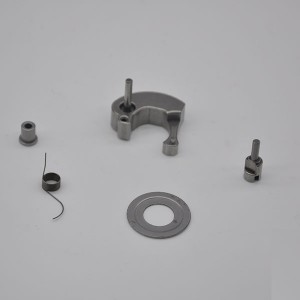
Custom motorcycle parts are the heart of bespoke bike builds, allowing riders and custom shops to create motorcycles that reflect unique vision—whether that’s a vintage-inspired bobber, a futuristic electric café racer, or a rugged off-road scrambler. Unlike mass-produced aftermarket parts, custom motorcycle parts are often made-to-order, tailored to specific bike models, dimensions, and design preferences. For example, a custom shop building a bobber from a 2000 Yamaha XV950 might commission custom motorcycle parts like a shortened rear frame (to achieve the classic bobber “bobbed” look), a handcrafted leather seat (stitched with the owner’s initials), and a one-off exhaust system (bent to fit the bike’s new profile).
The range of custom motorcycle parts is nearly limitless. Custom bodywork includes things like fiberglass or carbon fiber fairings (shaped to match a rider’s desired aesthetic), custom fuel tanks (with unique contours or hand-painted graphics), and custom fenders (shortened, extended, or shaped to complement the bike’s lines). Custom mechanical parts can include modified engines (with stroker kits to increase displacement), custom gear shifters (with unique lever shapes), and custom suspension setups (lowered or raised to fit the rider’s height). Even small details—like custom foot pegs (made from billet aluminum with laser-etched designs) or custom handlebars (bent to a rider’s exact arm length)—fall under the umbrella of custom motorcycle parts.
Advancements in manufacturing have made custom motorcycle parts more accessible than ever: small-scale shops now use 3D scanning to create precise molds for custom bodywork, while CNC machining (which we’ll explore next) allows for intricate custom mechanical parts. For riders, custom motorcycle parts aren’t just about aesthetics—they’re about creating a bike that fits their body, riding style, and personality in a way no off-the-shelf bike ever could. Whether it’s a subtle custom touch (like a custom oil cap) or a full frame-up build, custom motorcycle parts turn ordinary bikes into extraordinary rides.
CNC Motorcycle Parts: Precision and Durability for High-Performance Builds
CNC motorcycle parts—manufactured using Computer Numerical Control (CNC) machining—represent the gold standard for precision, consistency, and durability in aftermarket components. CNC machining uses computer programs to control cutting tools, ensuring that every part is identical to the last, with tolerances as tight as 0.001 inches. This level of precision makes cnc motorcycle parts ideal for critical components where fit and performance are non-negotiable, such as engine internals, suspension parts, and drivetrain components. For example, an aftermarket CNC-machined camshaft (for a performance sportbike) has perfectly shaped lobes that ensure exact valve timing, boosting horsepower and reducing wear compared to cast OEM camshafts.
Common cnc motorcycle parts include:
- Billet aluminum parts: Things like CNC-machined handlebar clamps, fork caps, and engine covers—these parts are stronger than cast alternatives and often feature intricate designs (like knurling or laser engraving) that add both style and grip.
- Engine components: CNC-machined pistons (with precise dome shapes for optimal combustion), connecting rods (lightweight yet strong for high RPMs), and valve retainers (to keep valves securely in place).
- Suspension parts: CNC-machined fork sliders (for smoother travel) and shock absorber mounts (for precise alignment, reducing vibration).
- Drivetrain parts: CNC-machined sprockets (with perfectly cut teeth for quiet operation and long chain life) and clutch baskets (with uniform friction surfaces for consistent clutch engagement).
What makes cnc motorcycle parts particularly valuable for performance and custom builds is their versatility. CNC machines can work with a wide range of materials—including aluminum, steel, titanium, and carbon fiber—allowing manufacturers to create parts that balance strength, weight, and cost. For example, a CNC-machined titanium exhaust header is lighter than steel (reducing overall bike weight) and more corrosion-resistant (ideal for all-weather riding). Additionally, CNC machining allows for complex shapes that would be impossible with traditional manufacturing—like a CNC-machined triple tree (the component that connects the fork to the frame) with integrated cable guides and mounting points for accessories.
For riders and shops, cnc motorcycle parts offer peace of mind: their precision ensures a perfect fit (no grinding or modifying to make parts work), and their durability means they stand up to harsh riding conditions—from high-speed track days to rough off-road trails. Whether you’re building a race-ready sportbike or a reliable adventure bike, cnc motorcycle parts deliver the performance and longevity that serious riders demand.
Aftermarket Motorcycle Parts FAQs
1. Are aftermarket motorcycle parts as reliable as OEM parts?
Yes—reputable aftermarket brands (e.g., K&N, EBC, Yoshimura) produce parts that meet or exceed OEM standards, often with rigorous testing for durability and performance. However, it’s important to avoid cheap, unbranded aftermarket parts, which may be poorly manufactured and compromise safety.
2. Can I install moto parts myself, or do I need a professional?
Most basic moto parts (like oil filters, brake pads, or grip covers) can be installed by DIY riders with basic tools and a service manual. For more complex parts (like engines or suspension components), it’s recommended to use a professional to ensure proper installation and avoid damage.
3. What’s the difference between motorcycle parts and accessories vs. core mechanical parts?
Motorcycle parts and accessories focus on comfort, style, and convenience (e.g., windshields, phone mounts, seat cushions), while core mechanical parts (e.g., engines, transmissions, brakes) are essential for the bike’s operation. Accessories enhance the riding experience, while mechanical parts keep the bike running.
4. How do I order custom motorcycle parts for a rare or vintage bike?
Start by working with a reputable custom shop or aftermarket supplier that specializes in vintage or rare models. Many use 3D scanning to create precise measurements of your bike, then manufacture custom motorcycle parts to fit. Be prepared to provide detailed photos and dimensions of the area where the part will be installed.
5. Are CNC motorcycle parts worth the higher cost compared to other aftermarket parts?
For critical components (engine internals, suspension, drivetrain) or performance builds, yes—cnc motorcycle parts offer superior precision, durability, and fit, which reduces long-term maintenance costs and improves performance. For non-critical parts (like cosmetic trim), more affordable aftermarket options may be sufficient.
From aftermarket motorcycle parts that offer flexibility beyond OEM to cnc motorcycle parts that deliver precision, every component plays a role in creating a ride that’s safe, functional, and uniquely yours. Whether you’re repairing, upgrading, or customizing, the aftermarket provides the tools to turn your motorcycle into a machine that fits your needs and reflects your passion for riding.









