






Official Website: https://www.jssintering.com
Email: jspmtech@163.com
Phone: +86-18031937863
Address: TIANSHAN INTERNATIONAL MANUFACTURING INDUSTRY PARK NO.57, YUANSHI, SHIJIAZHUANG CITY, HEBEI PROVINCE, CHINA
1. Introduction: The Importance and Industry Trends of Different Types of Gear Drives
Different types of gear drives are fundamental mechanical elements used to transfer motion and power efficiently across a vast range of industries. The advances in different types of gear mechanism and different types of gear systems have propelled innovation in automotive, robotics, manufacturing, and renewable energy sectors. In particular, the surge in demand for precise, compact, and highly efficient gear solutions highlights the transition toward smarter mechanical systems (ResearchGate).
With the progress in materials science, especially the adoption of powder metallurgy and stainless steel alloys, modern gear drive technologies are more reliable, quieter, lighter, and cost-effective. The ability to customize gears for special applications is an evolving trend, with manufacturers like SHIJIAZHUANG JINGSHI NEW MATERIAL SCIENCE AND TECHNOLOGY CO.,LTD (SHIJIAZHUANG JINGSHI) leading the way. Below we unravel the types, properties, technical visualization, and FAQ to enhance your expertise in this field.
2. Classification: Different Types of Gear Drives, Gear Mechanisms, and Systems
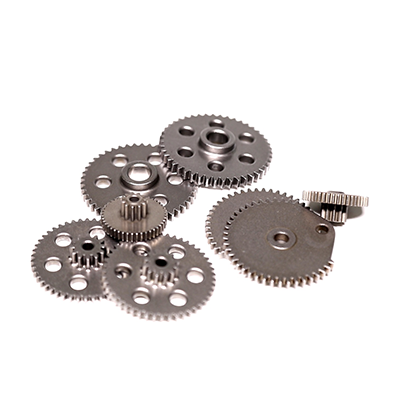
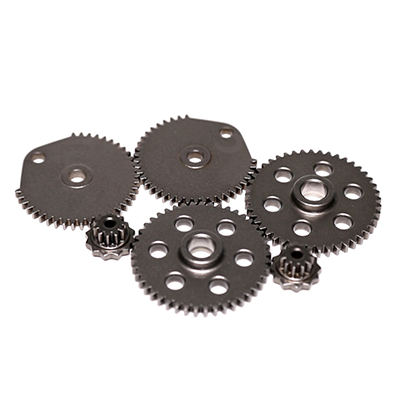
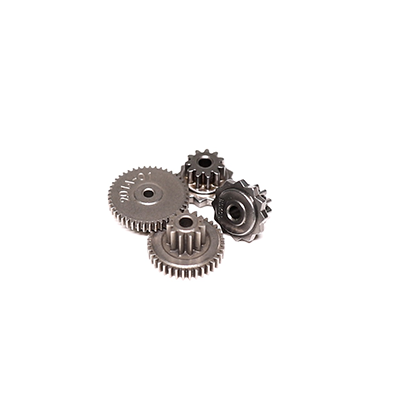
Gear drives can be categorized based on shaft arrangement, design purpose, direction of force transmission, and application scenario. Understanding the distinctions between the different types of gear drives is central to selecting the optimal configuration for industrial or specialized gearboxes and actuators.
| Type | Shaft Arrangement | Transmission Efficiency | Speed Range | Common Materials | Typical Application |
|---|---|---|---|---|---|
| Spur Gear Drive | Parallel | 95-98% | Up to 15,000 rpm | Steel, Powder Metallurgy, Plastic | Industrial, Robotics, Gearmotors |
| Helical Gear Drive | Parallel/Intersecting | 96-98% | Up to 20,000 rpm | Alloys, Stainless Steel | Automotive, Heavy Machinery |
| Bevel Gear Drive | Intersecting (Angular) | 93-97% | Up to 7,000 rpm | Alloy Steel, Brass | Differential, Automotive |
| Worm Gear Drive | Non-Intersecting/Perpendicular | 85-95% | Up to 4,000 rpm | Bronze, Cast Iron, PM Gears | Lifts, Elevators, Tuning Devices |
| Rack and Pinion | Linear & Rotational | 90-95% | Variable | Steel, PM Gears | Steering, Linear Actuators |
| Planetary Gear Drive | Coaxial | 97-99% | Up to 20,000 rpm | High-alloy, PM Gears | Precision Drives, Robotics |
The table above illustrates essential technical parameters and the breadth of applications for each gear drive type. Developments in materials, such as powder metallurgy and advanced steels, enhance durability, noise reduction, and lubrication-free operation.
3. Technical Visualization: Gear Drive Parameters & Trends
4. Product Focus: Custom Gears for Gearmotor
Product Overview:
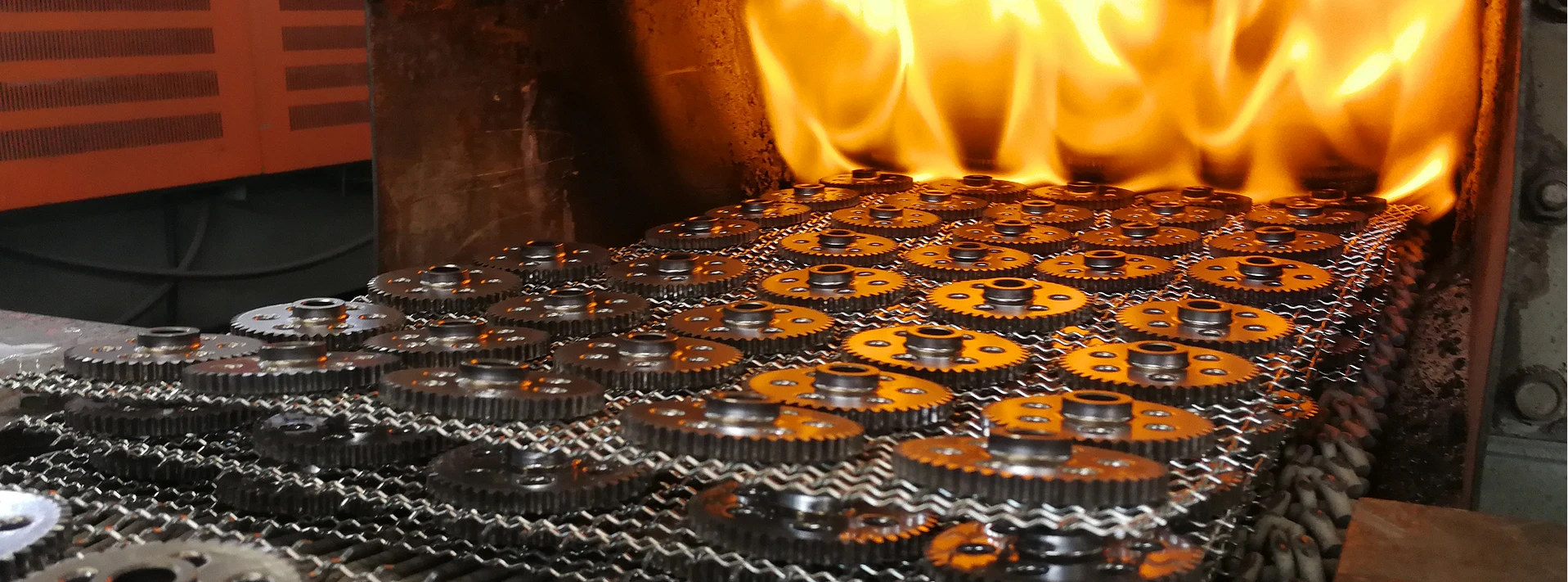
Custom Gears for Gearmotor by SHIJIAZHUANG JINGSHI are engineered using advanced powder metallurgy techniques. They offer excellent dimensional accuracy, lubrication-free performance, and optimized resource utilization:
- One-time Molding: High production efficiency, low cost, gear teeth require no secondary machining.
- Lubrication-Free: Incorporation of oil into the gear body during pressing provides intrinsic lubrication.
- Material Specs: Stainless steel, SMF5040/5030/FC0208/MPIF 35, DIN 30910
- Density: 6.0–7.2 g/cm³
- Hardness: HRA45–75
Application Scenarios: Small motors, automotive actuators, medical devices, automation equipment, robotics, and industrial gearboxes. To know more, visit the product page: Custom Gears for Gearmotor.
Key Technical Indicators Visualization
5. Case Study: How Different Types of Gear Mechanism Enable Innovations
The emergence of different types of gear systems is directly linked to the need for higher efficiency, reliability, and compactness in modern automation and e-mobility. For example, compact planetary gear systems facilitate torque multiplication in electric actuators, while helical gears provide smooth, low-noise transmission in automotive gearboxes. Powder metallurgy (PM) gears have revolutionized cost and complexity for mass-produced gearmotors, owing to their one-step shaping and maintained tight tolerances (ScienceDirect: PM Gears).
SHIJIAZHUANG JINGSHI, leveraging smart materials and powder technology, supports clients in automotive, medical, and robotics by offering custom gear profiles fitted to diverse standards, demanding torque, and space restrictions.
6. Professional Q&A: Gear Drives, Materials, Standards & Customization
- Q1. What material options are available for advanced gear drives?
- The best-performing gear drives use stainless steel, high-alloy steel, powder metallurgy alloys such as SMF5040/5030, FC0208, and MPIF 35. These materials ensure corrosion resistance, precision, and mechanical strength.
- Q2. What is the impact of gear tooth accuracy/class on performance?
- High tooth accuracy (e.g., DIN 6 or ISO 5) ensures low noise, high efficiency & long life. PM gears offer as-molded accuracy often surpassing traditional machined gears.
- Q3. Which standards should custom gears comply with?
- International standards like DIN 30910, MPIF 35, and ISO 1328, as well as customer CAD specifications, define critical dimensions and performance benchmarks for custom gears.
- Q4. How is mounting precision (installation tolerance) achieved?
- Through high-precision powder compaction and calibrated sintering, bore and pitch circle tolerances can be controlled within ±0.01mm, facilitating direct installation into gear systems and drive assemblies.
- Q5. Do lubrication-free gear drives affect durability?
- Integrated oil reservoirs in PM gears enable maintenance-free operation without compromising service life — ideal for enclosed high-duty applications.
- Q6. Can different types of gear mechanisms be customized?
- Yes, custom gears can be engineered for unique forms (e.g., non-standard tooth counts, compact shapes, racks, internal gears) to suit specialized gearboxes and motion systems.
- Q7. What are the typical hardness and density ranges for Custom Gears for Gearmotor?
- Hardness ranges from HRA45–75, with density between 6.0–7.2g/cm³, exceeding requirements for most gearmotor applications and outperforming generic gears.
7. Industry Authority & Reference
The evolution and application of different types of gear drives reflect ongoing advances in mechanical transmission, material science, and applied engineering. According to leading forums like Gear Technology Magazine, powder metallurgy gears are at the forefront of efficiency and scalability for gearmotor uses. Studies published in ResearchGate: Gear Transmission Systems and Recent Trends and ScienceDirect: Powder Metallurgy Gears confirm the technical and commercial benefits of these innovative solutions.
For more technical insights, engineering resources, and to discover world-leading custom gear solutions, visit SHIJIAZHUANG JINGSHI NEW MATERIAL SCIENCE AND TECHNOLOGY CO.,LTD.









