




Email: jspmtech@163.com | Phone: +86-18031937863 | Address: TIANSHAN INTERNATIONAL MANUFACTURING INDUSTRY PARK NO.57, YUANSHI, SHIJIAZHUANG CITY, HEBEI PROVINCE, CHINA
Gears are fundamental components across a multitude of industries, from automotive engineering to industrial automation and robotics. The gear teeth types selected for a specific application can significantly influence the machine's efficiency, noise levels, transmission precision, and overall lifespan. As global industries shift towards smarter, more energy-efficient machines, the demand for increasingly specialized gear types with images and innovative mechanical gear types is growing rapidly. Leading manufacturers like SHIJIAZHUANG JINGSHI NEW MATERIAL SCIENCE AND TECHNOLOGY CO., LTD stay at the forefront by integrating state-of-the-art technology and high-precision engineering into their gear teeth types, setting new standards for quality and performance.
| Gear Teeth Type | Tooth Shape | Main Materials | Common Applications | Advantages | Typical Picture |
|---|---|---|---|---|---|
| Spur Gear | Straight | Steel, Iron, Bronze | Automobile gearboxes, Conveyors | Simple design, high efficiency, cost-effective | 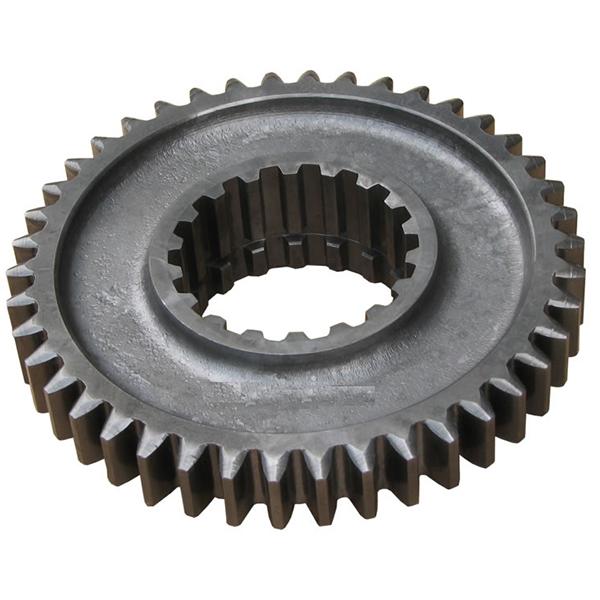 |
| Helical Gear | Slanted (Helix angle) | Alloy steel, Hardened steel | Vehicle transmissions, Compressors, Elevators | Quieter, higher load capacity, smoother operation | |
| Bevel Gear | Conical, straight/spiral/hypoid | Alloy Steel, Cast Iron | Differentials, Power tools, Printing presses | Enables shaft angle changes, efficient torque transfer | |
| Worm Gear | Spiral/Screw | Bronze, Phosphor Bronze, Hardened Steel | Elevators, Conveyors, Lifts | High reduction ratio, Self-locking | |
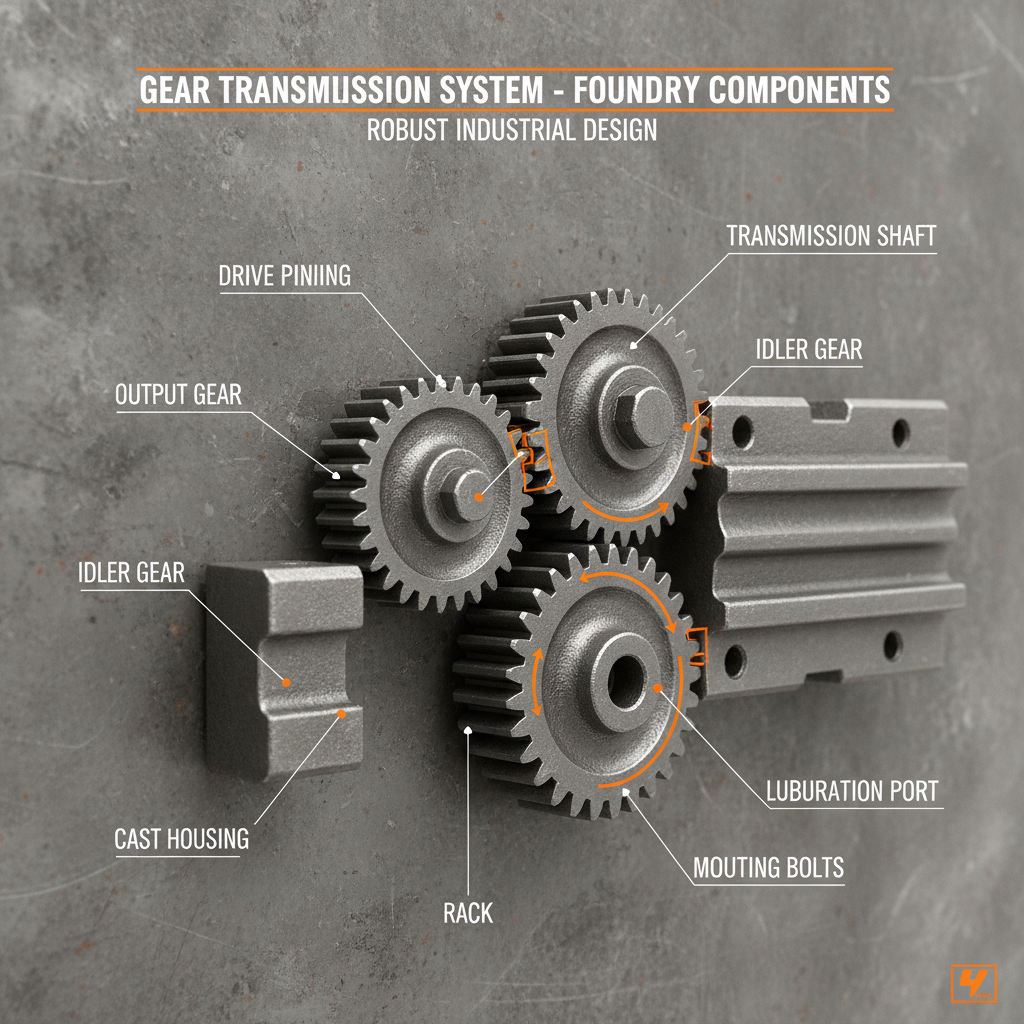
| Rack and Pinion | Straight (Rack) & Circular (Pinion) | Steel, Cast Iron | Steering systems, Railways, CNC machinery | Converts rotational to linear motion, precise positioning | |
| Planetary Gear | Varied (Drives Multiple Gears) | Alloy Steel, Aluminum Alloy | Automatic transmissions, Robots | Compact, high torque density, efficient speed variation | |
Understanding the six types of gears—Spur, Helical, Bevel, Worm, Rack and Pinion, Planetary—is crucial for engineers and manufacturers targeting reliability and performance.
- Spur Gear: Most common, simple teeth, parallel axes.
- Helical Gear: Slanted teeth, for smooth and quiet operation.
- Bevel Gear: Cone-shaped, permit shaft angle changes.
- Worm Gear: Screw-like hourglass teeth, for large speed reductions and self-locking.
- Rack and Pinion: Linear-to-rotary conversion, steering systems.
- Planetary Gear Set: High torque, compact, in automotive transmissions.
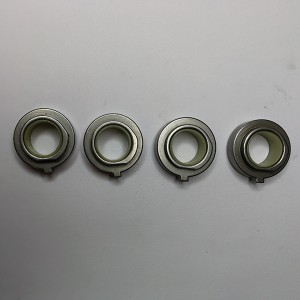
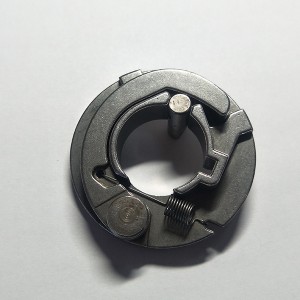
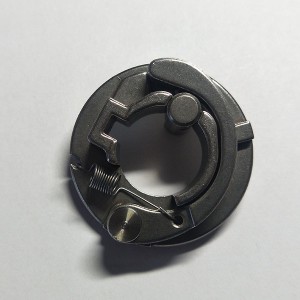
Material: Iron Powder, Iron Alloy Powder
Certificate: ISO9001, TS16949
Tolerance: +/- 0.002mm
Density Range: 6-7.2/cm3 (Fe)
Surface Treatment: Blacken, Dacromet Plated, Polishing, Sand Blasting, Electroplating
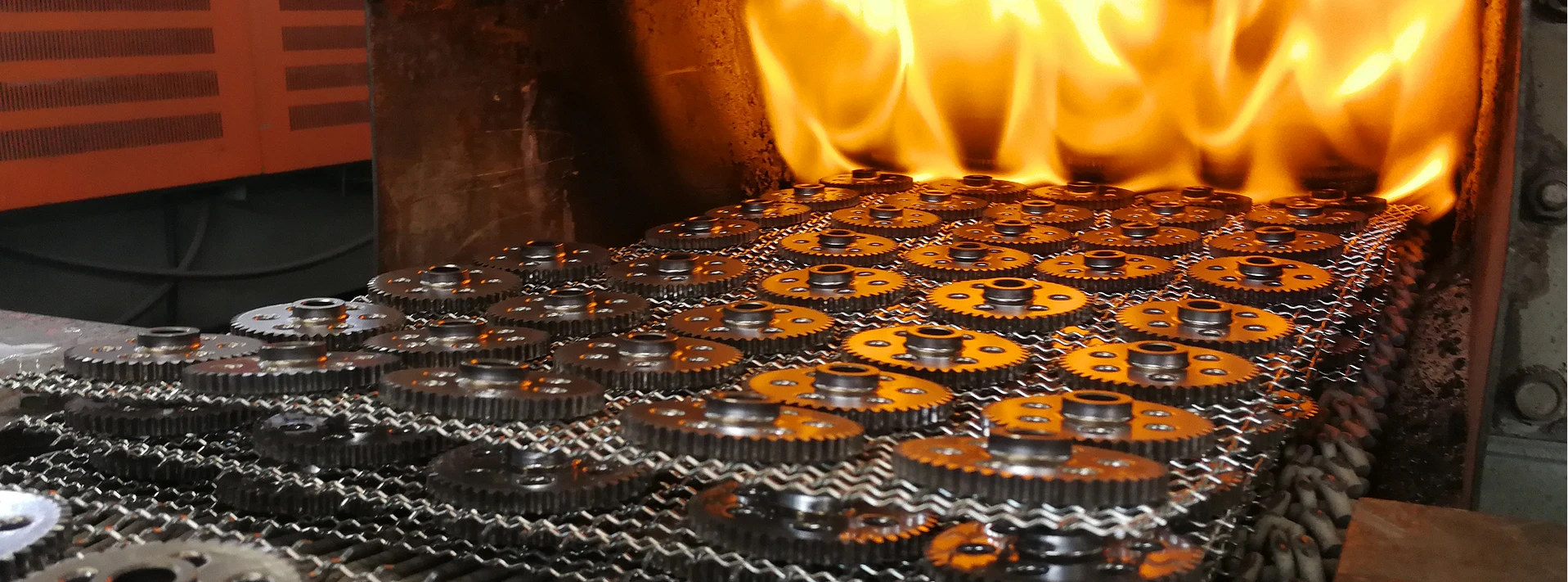
Heat Treatment: Ordinary Quenching, Carburizing, Nitriding, High Frequency Quenching
Applications: Sport Equipment, Home Appliances, Transmission Parts, Vehicles, etc.
Performance: High Precision, High Wear Resistance, Low Noise, Smooth and Steady, Cheaper Processing
Technic: Powder Metallurgy
View product details
- Automobiles: Both manual and automatic transmissions increasingly rely on high-precision gear teeth types to achieve fuel efficiency and smooth shifting.
- Robotics: Compact, low-noise planetary and helical gears are powering next-generation robots and industrial automation arms.
- Heavy Equipment: Mining, construction, and agricultural gearboxes demand robust gears with hardened surfaces for extreme durability.
- Aerospace: High-strength alloys and advanced powder metallurgy are enabling quieter, lighter, and more reliable gear systems for flight.
- Consumer Electronics: Miniaturization and noise reduction through advanced mechanical gear types are vital for applications like printers, smart home devices, and medical gadgets.
Industry forums confirm that upcoming years will emphasize low-noise, high-precision, energy-efficient, and cost-effective gear teeth types—with powder metallurgy and advanced heat treatments leading innovations.
Refer: Gear Technology Forum
- Expertise: Decades of innovation in mechanical gearbox types, leveraging advanced powder metallurgy and in-house R&D.
- Authoritativeness: Certified by ISO9001, TS16949, and recognized in global trade shows and industry publications.
- Trustworthiness: Trusted by automotive OEMs and industrial leaders worldwide, supported by robust technical documentation and international logistics.
- Customization: Full support for unique tooth shapes, materials, and surface treatments.
- Direct Support: Contact our engineers directly for technical consultation and quotations.
As industries evolve, so too must gear technology. Advanced gear teeth types
now blend high strength, efficiency, and cost-effective production through innovations in powder metallurgy and high-precision finishing. Companies like SHIJIAZHUANG JINGSHI NEW MATERIAL SCIENCE AND TECHNOLOGY CO., LTD are setting the pace globally,
supporting emerging trends in smart manufacturing, robotics, and green mobility.
For global buyers and engineers, partnering with an industry leader ensures access to state-of-the-art mechanical gear types and custom solutions tailored for new challenges.
References:
Gear Technology & Power Transmission Engineering Forum
Springer: Advanced Gear Manufacturing Technologies
ScienceDirect: Gear Teeth Strength Analysis
ResearchGate: Surface Treatments for Gears