




Understanding Gear to Linear Motion: Why It Matters Today
At first glance, gear to linear motion might sound like a niche term spread over dusty engineering textbooks. Yet, this concept quietly powers a surprising slice of the modern world—from industrial robotics to humanitarian relief logistics. Simply put, it's about converting a rotary gear's turning action into straight, linear movement. That elegant conversion, in one form or another, underpins the machines and mechanisms that make factories more efficient and emergency responses swifter.
Why does this matter globally? Because smooth, adaptable motion systems help industries save time and energy, reduce waste, and improve safety. Across continents, from automated manufacturing hubs in Japan to remote solar tracking in Africa, mastering gear to linear motion means better products and better lives.
Mini takeaway: Understanding gear to linear motion is not just industrial jargon; it's a key that unlocks smarter, more resilient solutions worldwide.
The Global Picture: Gear to Linear Motion at Work
Globally, industrial automation and precision engineering are booming. According to a recent ISO report, the global factory automation market is expected to reach $288 billion by 2027. Why? Because efficiency and accuracy are gold across industries. Gear to linear motion mechanisms are central to this growth—whether they’re moving materials on assembly lines or adjusting satellite panels in orbit.
Yet challenges remain. One persistent issue is the need for motion systems that are compact, precise, and energy efficient—all at once. In disaster zones, for example, heavy, bulky machines reliant on traditional rotary mechanisms can’t always reach victims quickly enough. Here, gear to linear motion systems offer more nimbleness and reliability under tough conditions.
Mini takeaway: The world increasingly relies on precise motion conversion technologies—but striking a balance between compact design and power remains an ongoing challenge.
What Exactly is Gear to Linear Motion?
To break it down simply: gear to linear motion involves transforming the circular rotation of gears into straight-line movement. Imagine turning a round key in a door lock; inside, this rotation drives a bolt out or in, sliding straight. Industrially, this principle scales up or down—from tiny actuators in medical devices to massive linear motors in conveyor setups.
This conversion is vital because many machines operate best with rotary inputs (easy to drive via motors), but need linear outputs to push, pull, lift, or position parts precisely. It’s the mechanical translator between spinning and sliding.
Mini takeaway: Gear to linear motion is how round rotary motion becomes precise straight movement, a simple idea that keeps complex machines ticking.
Core Components That Make It Work
1. Rack and Pinion Gear
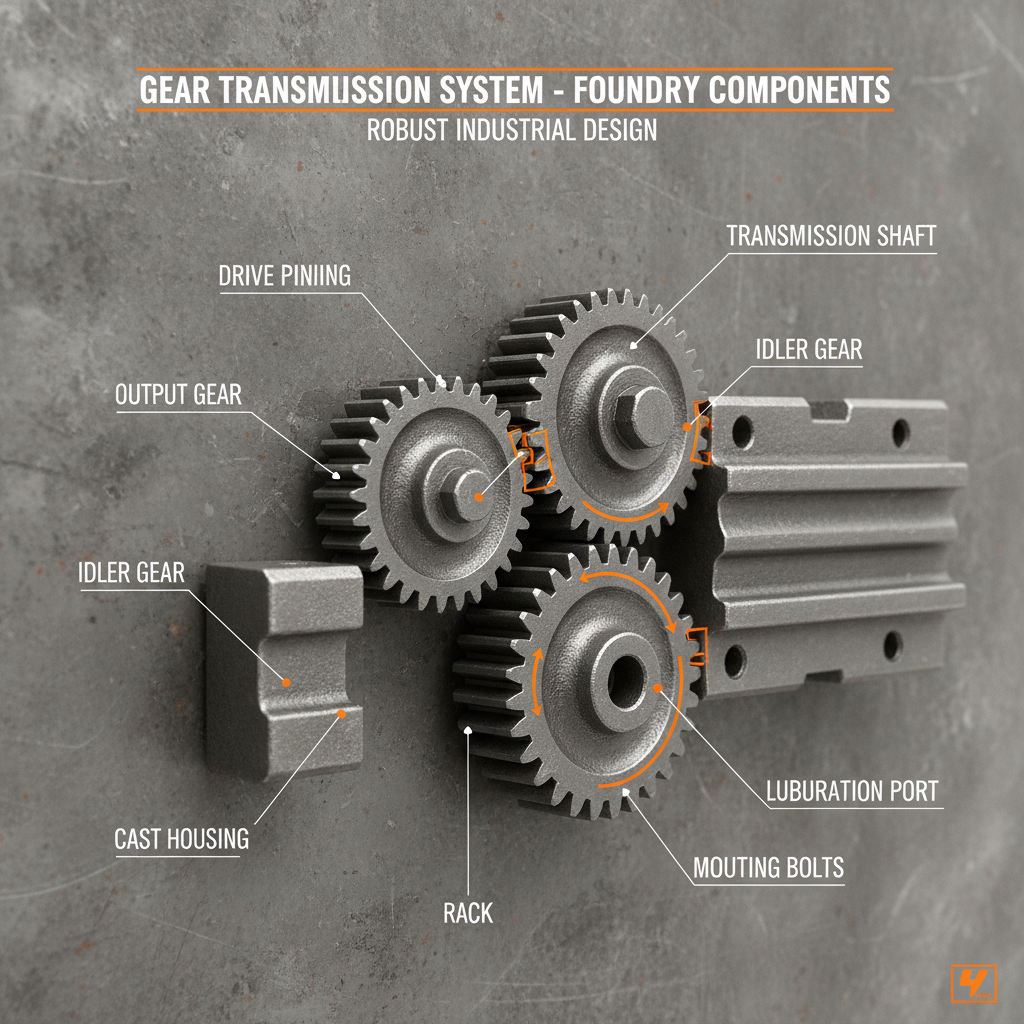
The classic method—where a circular “pinion” gear meshes with a linear “rack” gear. As the pinion turns, the rack moves forward or backward. It’s straightforward, robust, and widely used in steering systems and automated doors.
2. Ball Screws and Lead Screws
These screw-driven systems convert rotary motion into highly precise linear motion, with minimal friction thanks to circulating ball bearings. You’ll find them in CNC machines and 3D printers where precision is paramount.
3. Linear Motors with Gear Reduction
A more modern approach is to use electric linear motors assisted by gearing for torque adjustment. These allow smooth, contactless motion—ideal for cleanroom or high-speed applications.
4. Materials and Durability
Choosing the right materials—hardened steel, composites, or advanced polymers—impacts longevity, weight, and resistance to corrosion or wear. This material science angle is increasingly important for applications in harsh environments or where maintenance is difficult.
5. Control and Feedback Systems
Electronics, sensors, and software closed the loop, fine-tuning the motion based on real-time feedback. This melds classic gear physics with digital precision.
Mini takeaway: Gear to linear motion depends on the right gear sets, materials, and controls working harmoniously for the task.
Real-World Applications: Where Gear to Linear Motion Shines
This is not just theory. Across the globe, the humble gear-to-linear technology quietly boosts numerous sectors:
- Manufacturing: Assembly lines rely on rack and pinion setups for accurate positioning and load transfer.
- Healthcare: Medical imaging and robotic surgery tools use precise linear actuators driven by gear mechanisms.
- Disaster Relief: Portable shelter deployment often depends on small, reliable linear drives to erect structures fast — a lifesaver in emergencies.
- Renewables: Solar trackers rotate panels with gear-driven linear actuators to maximize sun exposure, improving efficiency and sustainability.
- Transportation: Train brakes and door actuators often incorporate robust linear motion controlled through gear translation.
Mini takeaway: Gear to linear motion finds purpose everywhere—from hospitals to highways, making systems safer, faster, and smarter.
Product Specifications: Typical Gear to Linear Motion Devices
| Specification | Rack & Pinion | Ball Screw | Linear Motor |
|---|---|---|---|
| Stroke Length | Up to 2 meters | Up to 1.5 meters | Unlimited |
| Accuracy | ±0.5 mm | ±0.01 mm | ±0.1 mm |
| Maximum Load | 5000 N | 3000 N | 2500 N |
| Typical Applications | Automotive, Robotics | CNC Machines, Medical Devices | Semiconductor, Cleanroom Automation |
Vendor Overview: Comparing Gear to Linear Motion Solutions
| Vendor | Specialization | Price Range (USD) | Lead Time | Customization |
|---|---|---|---|---|
| GearTech Solutions | Rack & Pinion Systems | $2,000 - $10,000 | 4-6 weeks | High |
| BallScrew Pro | Precision Ball Screws | $3,500 - $15,000 | 3-5 weeks | Medium |
| Linear Motion Inc. | Advanced Linear Motors | $5,000 - $20,000 | 6-8 weeks | Custom Only |
Advantages & Long-Term Value of Gear to Linear Motion
The allure clearly extends beyond just converting motion. These systems offer unmatched durability, reducing downtime and maintenance costs. Environmentally, efficient components mean less wasted power — a definite plus amid tightening global sustainability standards.
Socially, innovations in gear to linear motion empower humanitarian efforts with faster-setting modular shelters or responsive medical devices that ultimately save lives. Emotionally, knowing gear systems won’t suddenly fail under pressure fosters trust and peace of mind across industries.
Mini takeaway: Robustness, sustainability, and human impact make gear to linear motion a technology well worth the investment.
Emerging Trends and Innovations
The future looks bright — and busy. Engineers are experimenting with new lightweight composite materials to accelerate performance while trimming carbon footprints. Digitally, integration with IoT and AI systems is enabling smarter predictive maintenance and adaptable motion control.
Additionally, green energy initiatives foster development of gear to linear mechanisms optimized for renewable energy systems, including solar and wind power trackers, contributing to a cleaner energy grid worldwide.
Mini takeaway: The fusion of new materials, digital intelligence, and eco-conscious design is shaping a next-generation gear to linear motion landscape.
Challenges & Solutions in Practice
Of course, nothing is perfect. Issues like backlash (the small play between gears), environmental degradation (think dust and moisture), and cost barriers still challenge key applications. To counter these, many engineers employ precision manufacturing, advanced coatings, and modular designs that allow easy replacement of worn parts.
Frankly, the race to balance robustness with cost-effectiveness means innovation never stops, and supplier collaboration becomes essential. It’s a bit like tuning a musical instrument—very small adjustments creating dramatic improvements.
Mini takeaway: Overcoming practical challenges keeps gear to linear motion evolving—driven by smart material choices and precision engineering.
FAQ: Common Questions About Gear to Linear Motion
- Q: What industries benefit most from gear to linear motion?
- A: Manufacturing, robotics, medical devices, renewable energy, and humanitarian sectors all rely heavily on this technology for precise, repeatable movement.
- Q: How does the choice of material affect gear to linear motion systems?
- A: Materials influence durability, weight, and resistance to corrosion or wear. Using advanced composites or hardened metals extends lifespan and reduces maintenance costs.
- Q: Can gear to linear motion systems be customized for unique applications?
- A: Absolutely. Most vendors offer tailored solutions based on stroke length, load capacity, and environment. Customization ensures the system fits the exact needs.
- Q: Are there eco-friendly options for gear to linear motion devices?
- A: Yes. Innovations in materials and energy-efficient motors help reduce overall carbon footprint. Solar or wind-powered automation often uses these green systems.
- Q: How important is maintenance for these systems?
- A: Regular maintenance extends operational life and prevents costly breakdowns. Advanced sensors now allow predictive maintenance, reducing downtime and costs.
Wrapping It Up: Why Gear to Linear Motion Matters for Tomorrow
Putting it all together, gear to linear motion is a fascinating blend of tried-and-true mechanical principles meeting cutting-edge innovation. Whether it’s helping manufacture high-tech devices or speeding emergency relief efforts, it’s a core part of engineering progress.
For anyone interested in stepping up automation, improving efficiency, or contributing to sustainable technologies, understanding and investing in quality gear to linear motion systems is a smart move. So, if you want to dive deeper, explore advanced products and partner with trusted experts, gear to linear motion solutions on platforms like ours are a great place to start.
Thanks for following along — there’s always more motion ahead!