




Understanding Advanced Industrial Lifting Mechanisms
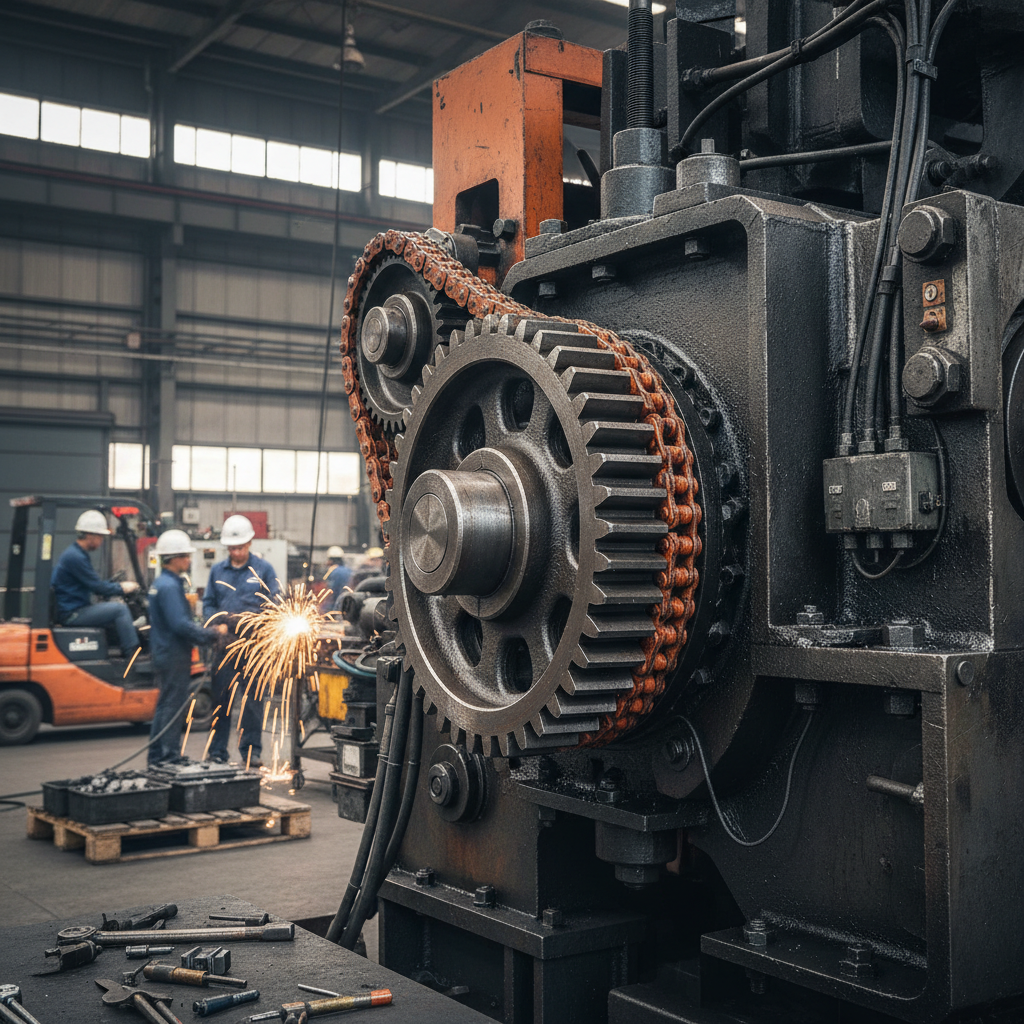
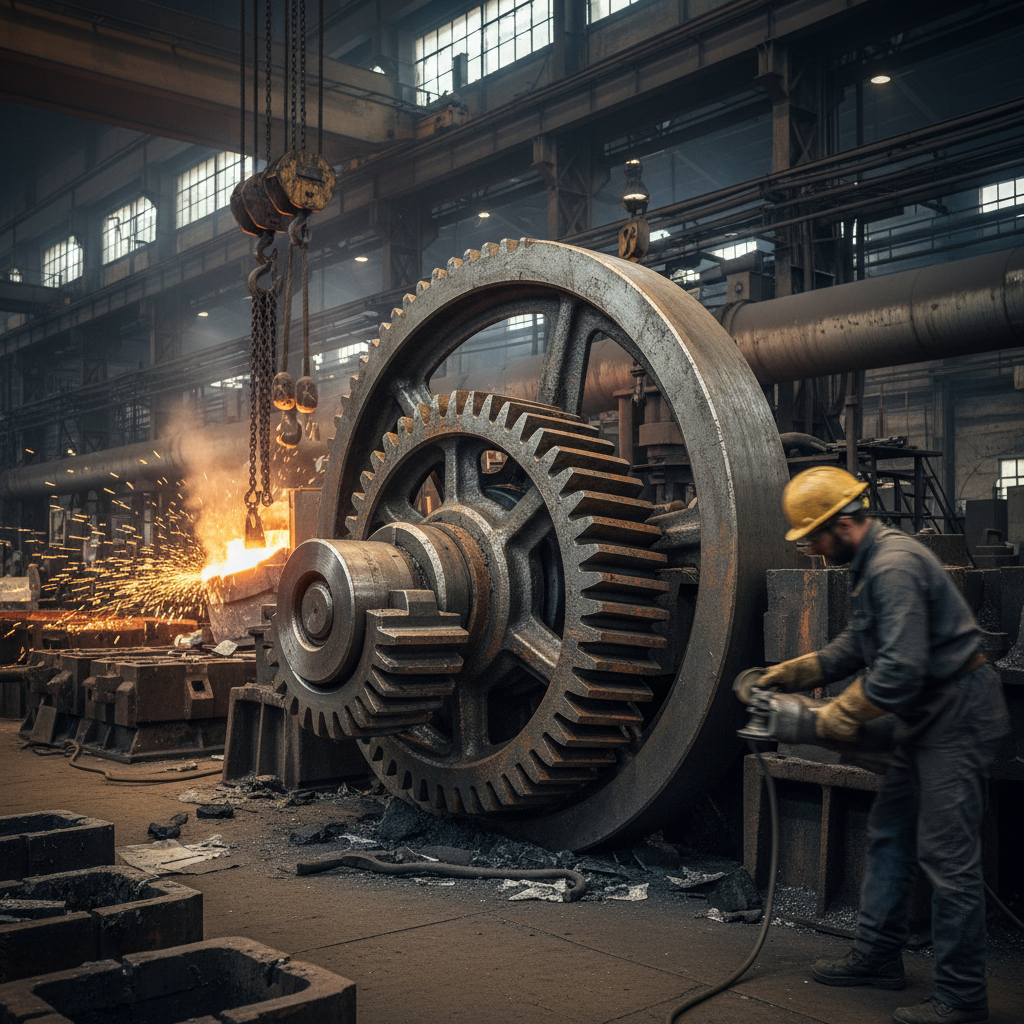
In the demanding landscape of industrial operations, the efficiency, safety, and reliability of material handling equipment are paramount. Central to many heavy-duty applications are various lifting sling types and the intricate mechanical systems that power them. These systems, encompassing robust components such as precision gears and sophisticated gearboxes, are engineered to facilitate the safe and controlled movement of colossal loads across diverse sectors. This comprehensive guide delves into the technical intricacies, manufacturing excellence, and strategic advantages offered by advanced lifting solutions, including specific focus on the precision components that enable such systems to function optimally. We will explore the common types of gears and different types of gear box configurations that form the backbone of modern industrial lifting.
Precision Engineering: The Manufacturing Process of Critical Lifting Components
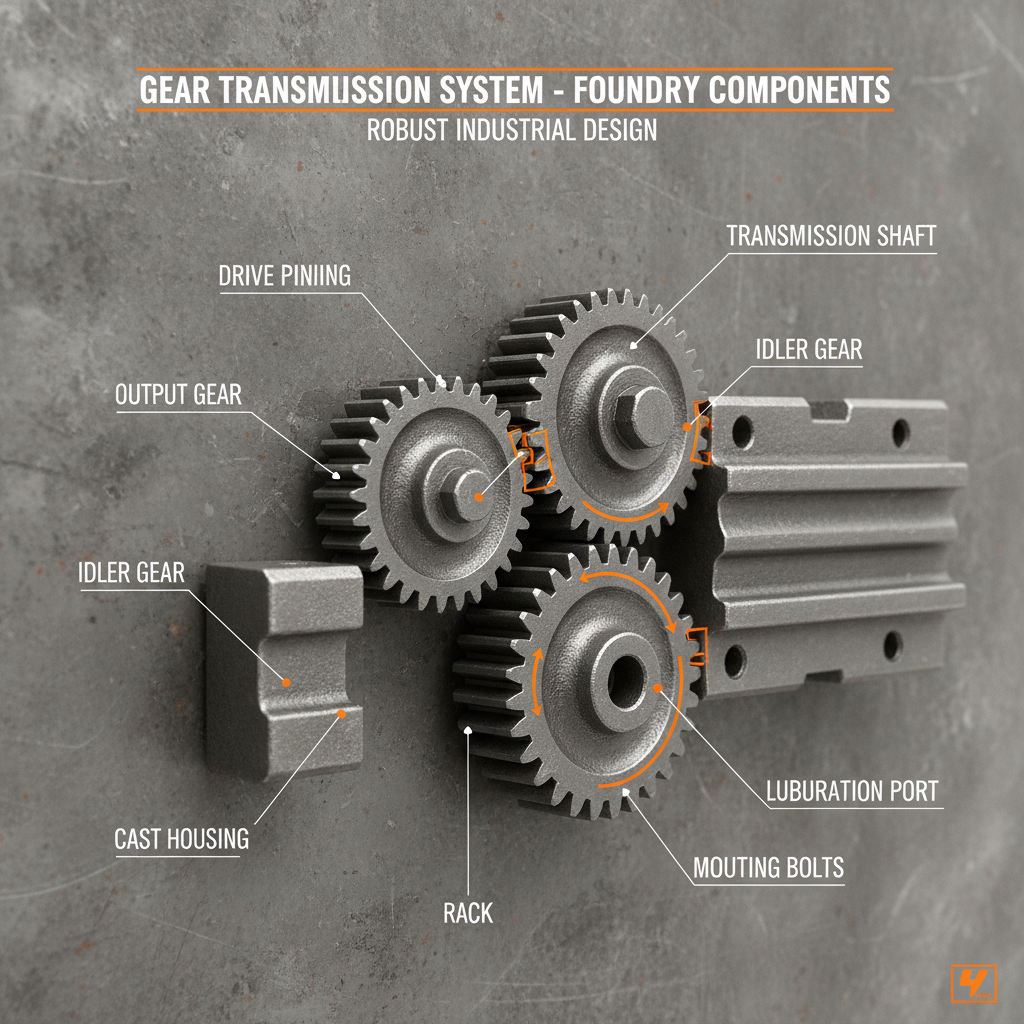
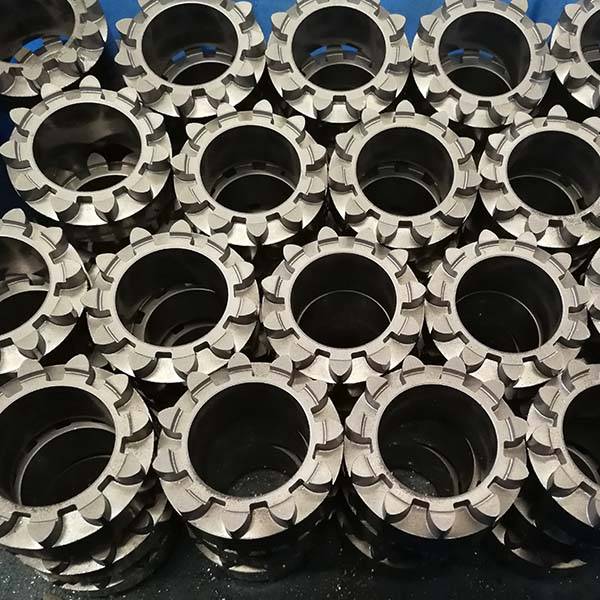
The integrity and performance of industrial lifting mechanisms, including their various lifting sling types, are fundamentally determined by the quality of their constituent parts. Our focus here is on the manufacturing excellence behind precision mechanical components, such as high-strength gears, racks, and pinions, which are integral to the functionality of robust lifting systems. The process flow for these critical components adheres to rigorous standards to ensure unparalleled durability and precision.
Materials Selection and Preparation:
- High-Grade Alloy Steels: Typically 42CrMo4, 20CrMnTi, SCM440, or AISI 4140/8620 are selected for their superior tensile strength (up to 1080 MPa for 42CrMo4), yield strength, and fatigue resistance. These materials are crucial for components experiencing high cyclic loading.
- Heat Treatment Considerations: Material selection is often based on the desired final hardness and case depth after heat treatment, which could include carburizing, nitriding, or induction hardening to achieve specific surface hardness (e.g., HRC 58-62) and core toughness.
Advanced Manufacturing Processes:
- Raw Material Inspection: Incoming materials undergo spectrographic analysis to verify chemical composition against ASTM/EN standards, ensuring adherence to metallurgical specifications.
- Forging/Casting (for Blanks): For larger components or complex geometries, precision forging provides excellent grain structure and mechanical properties, enhancing strength and impact resistance. Casting may be used for specific part types where intricate shapes are needed with less stringent strength requirements.
- CNC Machining: State-of-the-art multi-axis CNC machines are utilized for precise turning, milling, and hobbing operations. This includes gear cutting (hobbing, shaping) to achieve precise tooth profiles (e.g., AGMA Quality 8-12) and dimensional tolerances (IT6-IT7).
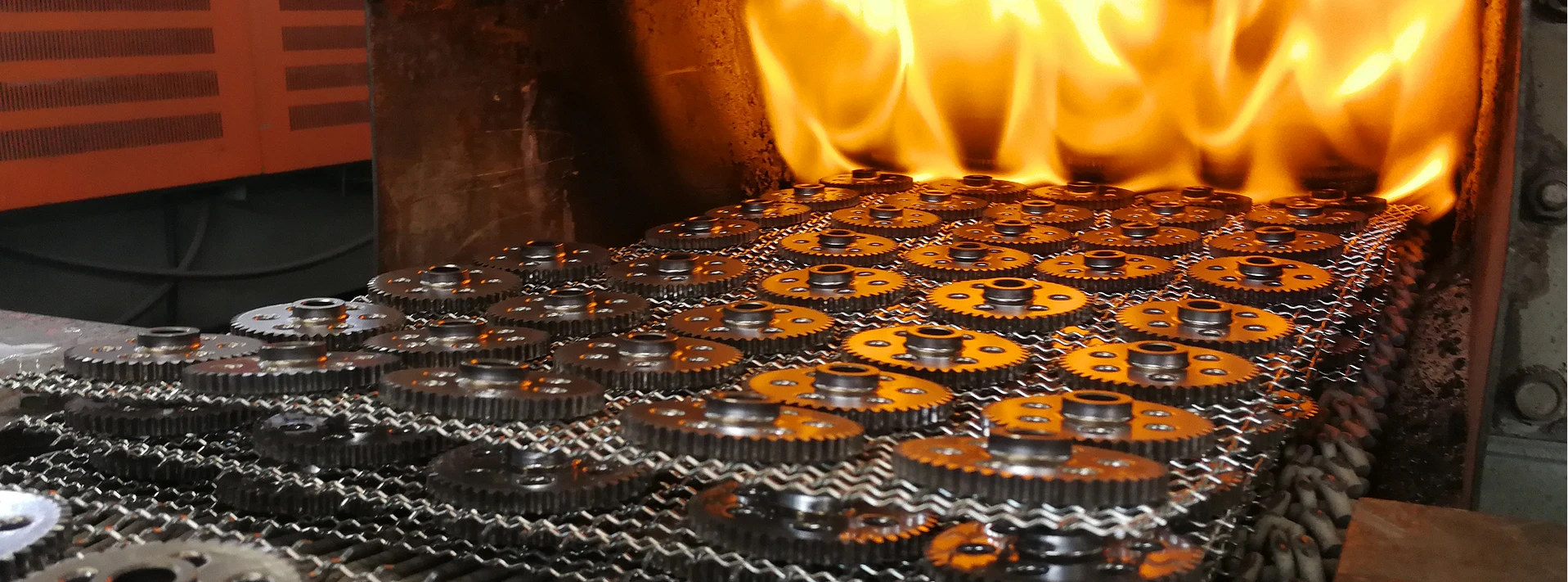
- Heat Treatment: Components undergo controlled atmosphere heat treatment processes. Carburizing, for instance, creates a hard wear-resistant surface while maintaining a tough core, critical for load-bearing gears and racks.
- Grinding & Finishing: Post-heat treatment, precision grinding operations refine tooth surfaces and critical dimensions to achieve the required accuracy, surface finish (e.g., Ra 0.8-1.6 µm), and minimize backlash in assembled systems.
- Surface Coatings (Optional): Depending on application, specialized coatings like black oxide, phosphate, or even nickel plating can be applied for enhanced corrosion resistance, particularly vital in marine or chemical processing environments.
Quality Control & Testing Standards:
- Dimensional Inspection: Full CMM (Coordinate Measuring Machine) inspection ensures adherence to drawing specifications, including tooth profile, lead, pitch, and runout.
- Material Property Verification: Hardness testing (Rockwell, Vickers), metallographic examination for case depth and microstructure, and non-destructive testing (NDT) such as magnetic particle inspection (MPI) or ultrasonic testing (UT) are performed.
- Performance Testing: Backlash measurement, load testing, and endurance testing simulate real-world operational stresses to validate component reliability and service life, typically targeting a service life of 20,000+ operating hours under rated load.
- Certifications: All processes and products adhere to international standards such as ISO 9001 for quality management, ANSI/AGMA 2015 (American Gear Manufacturers Association) for gear quality, and relevant industry-specific standards like ISO 14001 for environmental management.
Target Industries & Advantages:
These precision-engineered components find critical applications across diverse heavy industries:
- Petrochemical & Energy: For valve actuation, crane systems, and specialized handling equipment where corrosion resistance and reliability are paramount.
- Metallurgy: In rolling mills, furnace charging systems, and material transfer machinery, demanding high load capacity and extreme temperature resilience.
- Water Supply & Drainage: For gate valve operators and sluice gate mechanisms, requiring robust, corrosion-resistant solutions.
- Logistics & Manufacturing: In automated guided vehicles (AGVs), robotic systems, and overhead crane trolleys, enhancing operational speed and precision.
The advantages demonstrated in these scenarios include significant energy saving through optimized gear meshing efficiency (>98% in high-precision helical gears), superior corrosion resistance via advanced material alloys and coatings, and extended service life reducing total cost of ownership (TCO). For example, a rack and pinion system designed for a greenhouse ventilation mechanism demands consistent, precise motion control over extended periods in potentially corrosive agricultural environments, highlighting the need for these exact manufacturing advantages.
Industry Trends in Lifting Technology and Gear Systems
The industrial lifting sector, encompassing various lifting sling types and their associated mechanisms, is undergoing rapid transformation driven by technological advancements and heightened demands for efficiency and safety. Key trends are shaping the future of material handling:
- Automation & Robotics Integration: The move towards fully automated warehouses and smart factories is accelerating. This necessitates precise, repeatable lifting and positioning, heavily relying on advanced gearboxes (e.g., planetary gearboxes, cycloidal drives) and sophisticated control systems. Robotic lifting arms and automated guided vehicles (AGVs) are becoming commonplace, demanding compact, high-torque, and low-backlash common types of gears.
- Lightweight & High-Strength Materials: Innovation in material science is leading to lighter yet stronger components. Composites and advanced alloy steels are reducing the weight of lifting equipment, improving payload capacity, and reducing energy consumption. This trend directly impacts the design of lifting slings and the gearing that powers them.
- Smart Lifting & IIoT Integration: The Industrial Internet of Things (IIoT) is bringing intelligence to lifting operations. Sensors embedded in cranes, hoists, and even specific types of gear box systems provide real-time data on load, stress, temperature, and wear. Predictive maintenance, remote monitoring, and enhanced safety features are now standard expectations.
- Energy Efficiency & Sustainability: With rising energy costs and environmental concerns, there's a strong push for more energy-efficient lifting solutions. This includes optimizing gear designs for minimal friction, implementing variable frequency drives (VFDs), and utilizing regenerative braking systems.
- Enhanced Safety Standards: Global regulatory bodies are continually updating safety standards for lifting equipment. This drives innovation in overload protection, fail-safe braking systems, and more robust inspection protocols for all components, from the lifting slings to the core power transmission.
Technical Specifications of Precision Gear Components for Lifting Systems
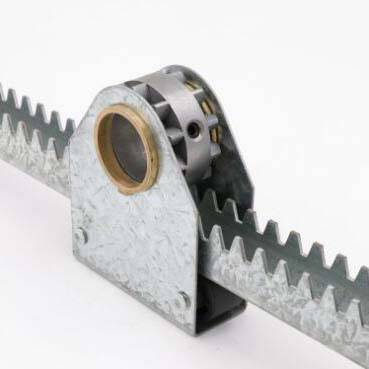
The performance of any industrial lifting system is critically dependent on the precise engineering and robust specifications of its mechanical components. Here, we present a generalized technical specification table for high-performance gear components, such as those found in rack and pinion systems for ventilation or heavy lifting, which are essential for various lifting sling types. These specifications ensure reliability, precision, and longevity in demanding applications.
Product Specification Table: High-Precision Rack & Pinion Components
These parameters are meticulously controlled throughout the manufacturing process, from material procurement to final inspection, to ensure that the components provide the necessary robustness and precision for critical applications. The choice of common types of gears and different types of gear box configurations is directly influenced by these specifications, impacting overall system performance.
Application Scenarios and Technical Advantages
The versatility and reliability of advanced mechanical components are evident across a multitude of high-demand industrial application scenarios. Whether it's the precise movement facilitated by rack and pinion systems or the brute strength conveyed through various lifting sling types, these elements are fundamental to operational success.
Key Application Scenarios:
- Overhead Cranes & Hoists: Essential for heavy lifting in manufacturing plants, construction sites, and ports. Precision gears within the hoist mechanism ensure smooth, controlled vertical and horizontal movement, directly impacting safety and efficiency when utilizing different lifting sling types.
- Automated Warehousing & Logistics: Rack and pinion systems are vital for the precise positioning of automated storage and retrieval systems (AS/RS), enabling high-speed, accurate movement of goods. The different types of gear box used here allow for varied speeds and torque ratios to optimize throughput.
- Machine Tool & Robotics: In CNC machines, robotic arms, and plasma cutters, high-precision rack and pinion drives offer excellent repeatability and stiffness, crucial for intricate machining and assembly tasks. These systems rely on common types of gears designed for minimal backlash.
- Greenhouse Ventilation Systems: As highlighted by products like rack and pinion for greenhouse ventilation, these systems provide precise, synchronized control over large arrays of ventilation windows, ensuring optimal climate conditions. The corrosion-resistant materials and smooth operation are critical in humid environments.
- Gate & Valve Actuation: In large-scale water treatment plants, power generation facilities, and petrochemical installations, robust gearboxes and rack and pinion systems are used to open and close massive gates and valves with high torque and reliability, often under harsh conditions.
Technical Advantages:
- Exceptional Precision & Repeatability: With AGMA Q10-Q12 rated gears, systems can achieve positional accuracies of
- High Load-Bearing Capacity: Engineered from hardened alloy steels and precision ground, these components can withstand immense dynamic and static loads, significantly extending the service life of equipment even under continuous operation. For instance, helical gears can transmit up to 30% more power than spur gears of the same size.
- Superior Durability & Wear Resistance: Advanced heat treatments like carburizing and nitriding create wear-resistant surfaces (HRC 58-62) that drastically reduce friction and extend operational lifespan, minimizing maintenance intervals and replacement costs.
- Corrosion Resistance: For applications in challenging environments (e.g., marine, chemical processing, agricultural greenhouses), specific material grades (e.g., stainless steel) and specialized coatings ensure long-term functionality, protecting against rust and degradation.
- Energy Efficiency: Optimized tooth profiles and surface finishes result in reduced friction and power loss, leading to higher mechanical efficiency (often >98% for helical gear sets). This translates into substantial energy saving over the system's operational life.
- Low Noise & Vibration: Precision manufacturing and careful design of common types of gears minimize tooth engagement errors, leading to smoother operation, reduced noise levels (often
Vendor Comparison and Customized Solutions
Selecting the right vendor for critical mechanical components, particularly those supporting various lifting sling types, is a decision that impacts long-term operational costs, reliability, and safety. A thorough evaluation of vendor capabilities is essential for B2B decision-makers.
Vendor Comparison: Key Criteria for Precision Gear and Rack Manufacturers
Customized Solutions: Tailored to Your Specific Needs
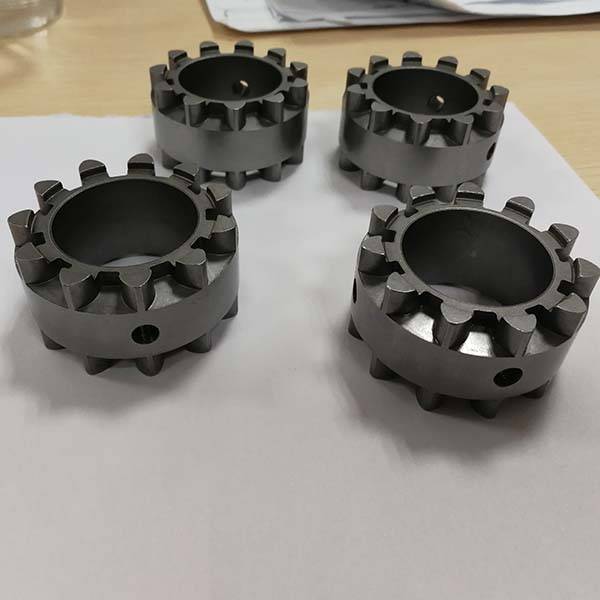
Recognizing that off-the-shelf components may not always meet the unique demands of specialized industrial applications, we excel in providing customized engineering solutions. Our process for delivering bespoke gear components and rack & pinion systems is highly collaborative:
- Detailed Requirements Analysis: We work closely with clients to understand specific load requirements, environmental conditions, duty cycles, dimensional constraints, and desired service life. This includes analyzing the interaction with various lifting sling types and associated machinery.
- Advanced Design & Simulation: Utilizing CAD/CAM software and Finite Element Analysis (FEA), our engineering team designs optimal gear geometries, material specifications, and heat treatment profiles to achieve peak performance and durability. We can model different types of gear box configurations to simulate real-world conditions.
- Material & Process Optimization: We recommend specific high-performance alloy steels or stainless steels, along with tailored heat treatment and surface finishing processes (e.g., black oxide, galvanic zinc plating, specialized corrosion-resistant coatings) to meet unique environmental and operational challenges.
- Prototyping & Validation: For complex projects, we offer rapid prototyping services followed by rigorous testing to validate design parameters against actual performance requirements, ensuring the final product meets or exceeds expectations.
Application Case Studies & Client Successes
Our commitment to precision engineering and robust manufacturing translates into tangible benefits for our clients across various industries, ensuring superior performance for systems employing different lifting sling types and advanced gear mechanisms.
Case Study 1: Heavy-Duty Gantry Crane for Shipyard Operations
A leading shipbuilding company required a highly durable and precise drive system for their new gantry crane, capable of lifting pre-fabricated ship sections weighing up to 1,200 tons. The challenge was to ensure smooth, synchronized movement across a 150-meter span while operating in a corrosive marine environment.
- Solution: We supplied custom-engineered, case-hardened helical gears (Module 18, AGMA Q11) for the main hoist and trolley drives, paired with large-modulus racks for longitudinal movement. All components were treated with a specialized multi-layer anti-corrosion coating, surpassing 1000 hours of salt spray testing (ASTM B117).
- Result: The client reported a 20% increase in operational speed compared to their previous crane, with a 15% reduction in maintenance requirements over the first three years. The precision of the common types of gears ensured accurate positioning, minimizing structural stress on the ship sections during assembly.
Case Study 2: Automated Storage and Retrieval System (AS/RS) for a Distribution Center
A major e-commerce fulfillment center sought to upgrade its AS/RS with faster, more reliable lifting and transport mechanisms to handle a 30% increase in order volume. High-speed operation and minimal downtime were critical.
- Solution: We designed and manufactured high-precision ground racks and pinions (Module 3, AGMA Q12) with zero-backlash drive systems for the shuttle mechanisms. The integration included compact planetary different types of gear box units optimized for high acceleration and deceleration cycles.
- Result: The new system achieved a 25% faster cycle time per retrieval, leading to a significant boost in throughput. The enhanced durability and precision of the gear components contributed to a reported uptime of 99.8% over an 18-month period, drastically reducing operational bottlenecks.
Case Study 3: Advanced Greenhouse Ventilation Actuation
A large-scale commercial greenhouse operation needed an extremely reliable and low-maintenance ventilation system to precisely control climate for sensitive crops. The existing system suffered from frequent breakdowns due to corrosion and wear.
- Solution: We provided specialized rack and pinion sets for greenhouse ventilation, manufactured from AISI 304 stainless steel with additional passivation treatment for superior corrosion resistance. The gear teeth were precision-ground to ensure smooth, quiet operation and extended service life in humid conditions.
- Result: The client experienced a dramatic reduction in system failures, improving climate stability and crop yield by 7%. The system's robustness reduced annual maintenance costs by 40%, demonstrating the value of purpose-built, corrosion-resistant components. Customer feedback highlighted the "unparalleled reliability and smooth operation" of the new system.
Frequently Asked Questions (FAQ)
Q1: What are the primary factors to consider when selecting common types of gears for a lifting application?
A1: Key considerations include the required load capacity (static and dynamic), operating speed, desired precision (backlash), environmental conditions (temperature, moisture, corrosives), duty cycle, and the available space. The choice of material, heat treatment, and gear geometry (spur, helical, bevel, worm) will depend heavily on these factors to optimize performance and service life for various lifting sling types.
Q2: How does a precision rack and pinion system contribute to energy saving?
A2: Precision-ground rack and pinion systems with optimized tooth profiles and minimal backlash reduce frictional losses significantly. This higher mechanical efficiency means less input power is wasted as heat, leading to lower energy consumption over the operational lifetime, especially in applications with frequent starts/stops or high acceleration/deceleration cycles.
Q3: What certifications and quality standards should I look for in a gear component manufacturer?
A3: Look for manufacturers certified to ISO 9001 (Quality Management System) and ISO 14001 (Environmental Management System). For gear quality, adherence to AGMA (American Gear Manufacturers Association) or DIN (German Institute for Standardization) standards is crucial. Suppliers should also provide material certifications and inspection reports for critical parameters.
Q4: What is the typical lead time for custom gear components and what is your warranty policy?
A4: For standard gear components, lead times can range from 2-4 weeks. However, for highly customized gear components and rack & pinion systems involving specific materials, complex geometries, and specialized heat treatments, the lead time typically ranges from 4-8 weeks, depending on project complexity and order volume. We offer a comprehensive 2-year limited warranty on our products, covering defects in materials and workmanship under normal operating conditions.
Trustworthiness: Commitment to Excellence
Our commitment to providing reliable, high-performance mechanical components for critical applications, including those involving diverse lifting sling types and their operating mechanisms, is underpinned by stringent quality protocols, robust support infrastructure, and transparent operational practices.
Quality Assurance & Certifications:
We operate under a certified ISO 9001 Quality Management System, ensuring that every stage from design to delivery meets the highest international standards. Our manufacturing facilities are equipped with advanced metrology and testing equipment, including CMMs, Rockwell/Vickers hardness testers, and non-destructive testing (NDT) capabilities, to guarantee that products like common types of gears and different types of gear box systems meet precise specifications and performance criteria.
Lead Time & Fulfillment:
Our streamlined manufacturing processes and efficient supply chain management enable us to offer competitive lead times. For standard components, orders are typically fulfilled within 2-4 weeks. Custom-engineered solutions, depending on their complexity and required material treatments, generally have a lead time of 4-8 weeks. We provide clear project timelines and regular updates to ensure transparency and timely delivery for our B2B partners.
Warranty & After-Sales Support:
We stand behind the quality of our products with a robust 2-year limited warranty, covering manufacturing defects and material failures under normal operating conditions. Beyond the warranty period, our dedicated customer support team and technical engineers are available for troubleshooting, maintenance advice, and spare parts supply, ensuring the longevity and optimal performance of your industrial systems. Our 24/7 technical support is accessible via phone and email to address any urgent operational queries.
References
- American Gear Manufacturers Association (AGMA) Standards for Gear Classification, Materials, and Inspection.
- International Organization for Standardization (ISO) 9001:2015 - Quality Management Systems - Requirements.
- ASM Handbook, Volume 4: Heat Treating. ASM International, 1991.
- Niemann, G., Winter, H. (1983). Maschinenelemente: Band 2 - Getriebe allgemein, Zahnradgetriebe. Springer-Verlag.
- U.S. Department of Labor, Occupational Safety and Health Administration (OSHA) 1910.179 - Overhead & Gantry Cranes.