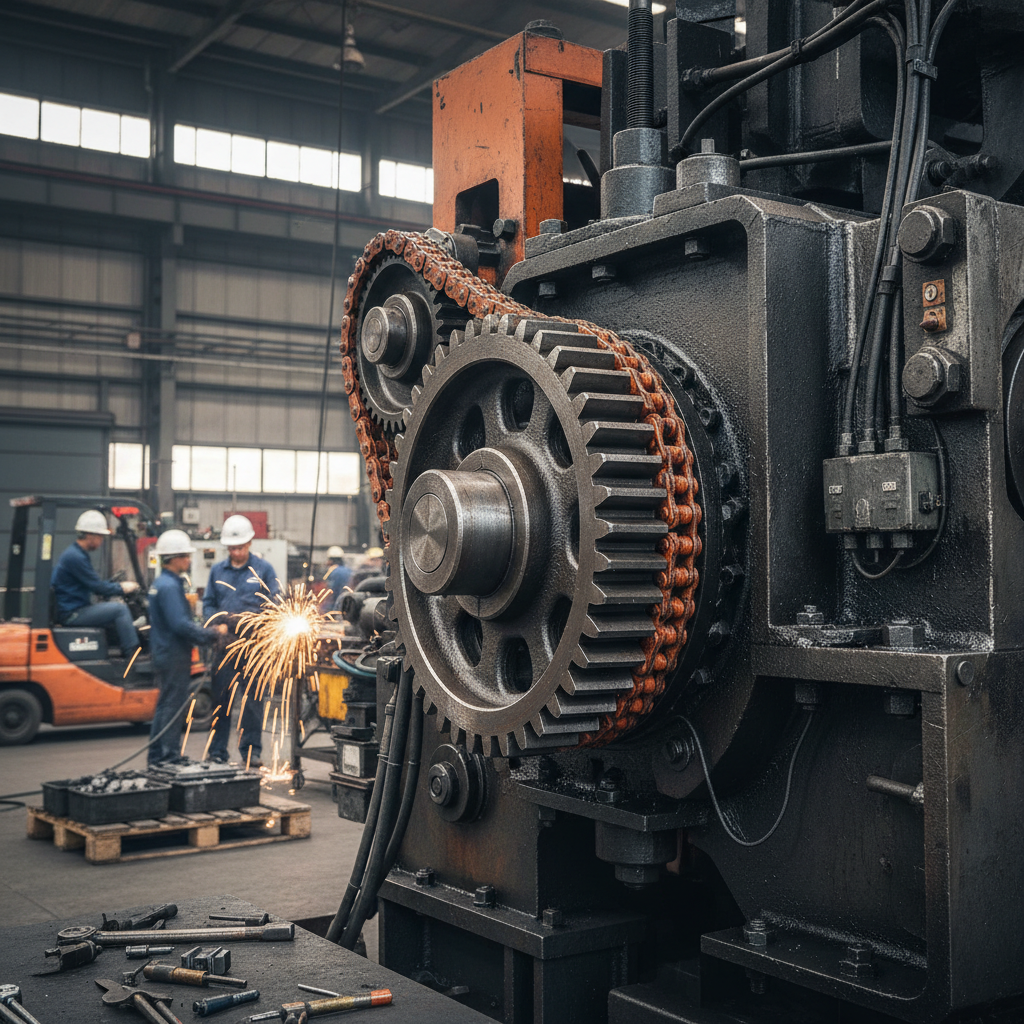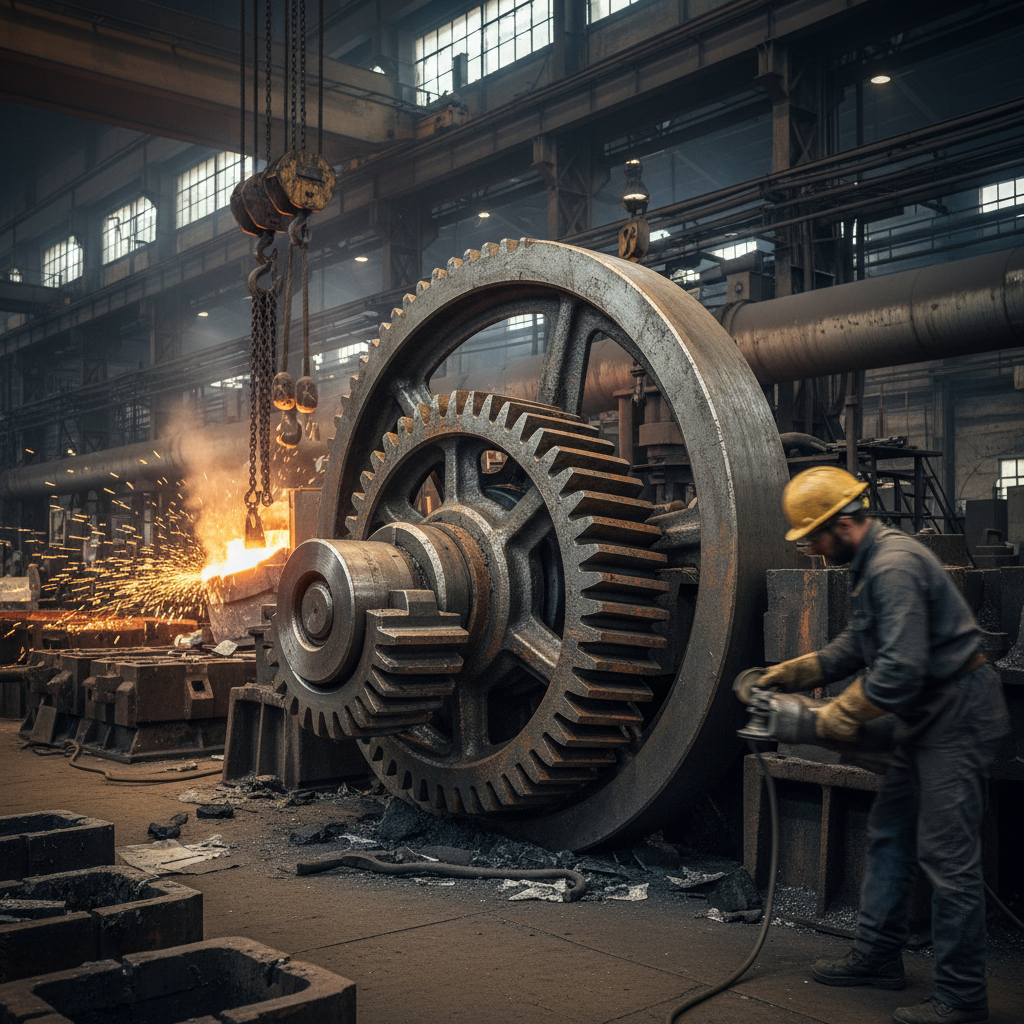





Industrial gearboxes are indispensable components in a vast array of mechanical systems, serving the critical function of transferring power from a prime mover to an output device, often adjusting speed and increasing torque in the process. The selection of appropriate types of industrial gearbox is paramount for optimizing system performance, ensuring reliability, and maximizing operational efficiency across diverse industrial applications. This comprehensive guide delves into the intricacies of these vital machines, focusing on their manufacturing, technical specifications, applications, and strategic considerations for B2B decision-makers and engineering professionals.
Understanding the Manufacturing Process of Modern Industrial Gearboxes
The creation of high-quality types of industrial gearbox involves a rigorous, multi-stage manufacturing process designed to ensure precision, durability, and optimal performance under demanding conditions. This process starts with meticulous material selection and extends through advanced machining, heat treatment, and stringent quality control.
Materials and Initial Forming
The foundation of any robust gearbox lies in its materials. Common choices include high-grade alloy steels (e.g., 20CrMnTi, 40CrNiMoA) for gears and shafts, selected for their exceptional strength, toughness, and wear resistance. Casings are often manufactured from cast iron (e.g., GG20, GJS-400-18LT) or fabricated steel, providing structural integrity and vibration dampening. The initial forming processes involve:
- Casting: For gearbox housings, casting ensures complex geometries and superior dampening properties. Precision casting techniques minimize defects and improve material homogeneity.
- Forging: Gear blanks and shafts are typically forged to enhance grain structure, eliminating porosity and improving mechanical properties, especially fatigue strength.
- Billet Machining: For certain components, high-strength steel billets are directly machined, offering superior material integrity for critical parts.
Precision Machining and Heat Treatment
Following initial forming, components undergo a series of precision machining operations. CNC machining is extensively used for gear teeth cutting (hobbing, shaping), grinding, and shaft turning, achieving micron-level tolerances. Modern manufacturing facilities employ sophisticated multi-axis CNC machines to produce accurate and high-quality types of toothed gears.
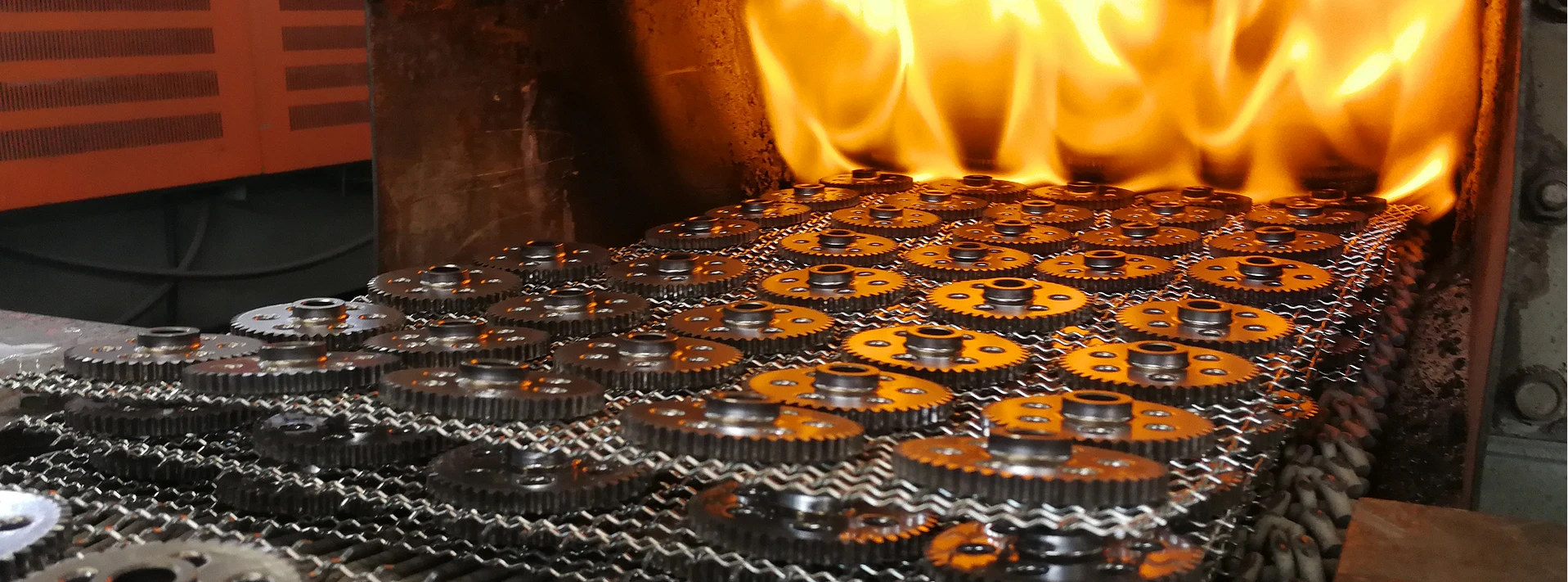
Heat treatment is a critical step that imparts desired hardness and wear resistance to gears. Processes include carburizing, nitriding, and induction hardening, followed by tempering to relieve internal stresses and improve toughness. This controlled thermal processing ensures the longevity and load-bearing capacity of the internal gear components.
Assembly and Testing Standards
After individual components are manufactured and inspected, they are meticulously assembled. Bearings, seals, and lubrication systems are integrated to ensure smooth operation and prevent contaminant ingress. Rigorous testing is conducted at various stages and upon final assembly to ensure compliance with international standards such as ISO (International Organization for Standardization) for quality management (e.g., ISO 9001) and ANSI (American National Standards Institute) for design and performance specifications.
- No-load running test: Verifies smooth operation, noise levels, and vibration characteristics.
- Load testing: Simulates operational conditions to confirm torque capacity, thermal stability, and efficiency.
- Endurance testing: Proves the designed service life, which for industrial gearboxes can range from 20,000 to over 100,000 operating hours, depending on application and maintenance.
Target Industries and Advantages
These robust types of industrial gearbox find extensive use in industries requiring high power transmission and reliability, including:
- Petrochemical: For agitators, pumps, and conveyors where continuous operation and resistance to harsh environments are crucial.
- Metallurgy: Driving rolling mills, cranes, and material handling equipment, often under extreme loads and temperatures.
- Water Supply & Drainage: Powering large-scale pumps and aeration systems, requiring long service life and corrosion resistance.
- Mining & Cement: For crushers, mills, and kiln drives, handling heavy shock loads and abrasive conditions.
Advantages in typical application scenarios include significant energy saving through high-efficiency gear designs (e.g., helical and planetary types), superior corrosion resistance achieved through specialized coatings and material selections for challenging environments, and exceptional reliability due to precision engineering and robust construction.
Industry Trends and Innovations in Gearbox Technology
The industrial gearbox market is continually evolving, driven by demands for greater efficiency, reliability, and integration with advanced control systems. Key trends shaping the development and deployment of types of industrial gearbox include:
- Digitalization and IoT Integration: Modern gearboxes are increasingly equipped with sensors for real-time monitoring of parameters such as temperature, vibration, and lubrication levels. This data is transmitted via IoT platforms for predictive maintenance, reducing downtime and extending service life.
- Enhanced Energy Efficiency: Driven by environmental regulations and operational cost reduction targets, manufacturers are focusing on designing gearboxes with higher efficiency ratings. This includes optimized gear tooth profiles, improved lubrication systems, and the use of low-friction bearings.
- Compact and Modular Designs: Space constraints in industrial plants necessitate more compact gearbox solutions. Modular designs allow for greater flexibility in configuration and easier maintenance, catering to diverse application requirements.
- Advanced Materials and Coatings: Research into novel materials, such as specialized ceramics and composites, along with advanced surface coatings (e.g., DLC - Diamond-like Carbon), is leading to gearboxes with improved wear resistance, higher load capacities, and extended operational intervals.
- Sustainability: Manufacturers are exploring more sustainable manufacturing processes and materials, reducing environmental impact throughout the gearbox lifecycle, from production to recycling.
These trends impact the entire supply chain, from `gears wholesale` to specialized component suppliers, emphasizing the need for robust and future-proof solutions for various types of gears.
Technical Specifications and Key Parameters of Industrial Gearboxes
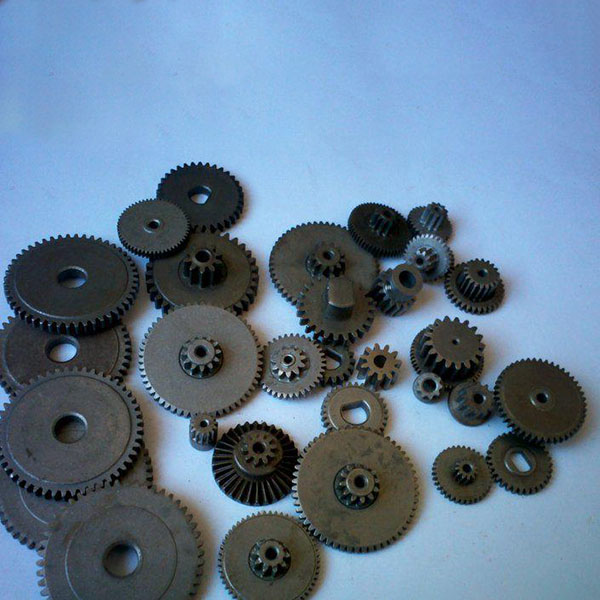
Understanding the technical specifications of types of industrial gearbox is crucial for proper selection and integration. Key parameters include power rating, output torque, reduction ratio, efficiency, and various design features tailored for specific applications. Different `various types of gears` within these gearboxes contribute to their unique characteristics.
Common Gearbox Configurations:
- Helical Gearboxes: Known for high efficiency, quiet operation, and smooth power transmission due to the angled tooth design. Suitable for high-speed applications.
- Bevel Gearboxes: Used for changing the axis of rotation, typically at 90 degrees. Conical gears provide robust power transfer, often found in printing presses and material handling.
- Worm Gearboxes: Offer high reduction ratios in a compact footprint and inherent self-locking capabilities. Ideal for intermittent duty or where holding loads is necessary.
- Planetary Gearboxes: Characterized by concentric gear arrangements, offering high torque density, compactness, and high efficiency. Widely used in robotics, wind turbines, and heavy machinery.
- Spur Gearboxes: Simplest and most cost-effective, with straight teeth mounted on parallel shafts. Used in applications where noise is not a critical concern and lower speeds are common.
- Dual Gearboxes (e.g., Dual Gear): Often refers to specialized configurations such as dual-drive systems for large-scale applications, or specific gear arrangements within a single housing. For example, a "Dual gear" might imply a compact, high-precision solution for specific industrial automation needs, offering specific advantages in torque delivery or space utilization.
Typical Product Specification Table (Example for a General-Purpose Industrial Helical Gearbox)
| Parameter | Specification Range | Unit |
|---|---|---|
| Input Power Range | 0.18 - 200 | kW |
| Output Torque Range | 10 - 50,000 | Nm |
| Reduction Ratio | 1.25 - 28,000 | :1 |
| Efficiency | 92 - 97 | % (per stage) |
| Input Speed | Up to 3,000 | RPM |
| Mounting Options | Foot, Flange, Shaft | - |
| Housing Material | Cast Iron (GG20/GJS-400-18LT) | - |
| Gear Material | Alloy Steel (20CrMnTi, 40Cr) | - |
These specifications guide engineers in selecting the optimal gearbox for their specific power transmission requirements, considering factors such as continuous operation, shock loading, and environmental conditions. The design of types of toothed gears plays a critical role in achieving these performance metrics.
Application Scenarios and Operational Excellence
The versatility of types of industrial gearbox allows for their deployment across an extensive range of critical applications. Their robust design ensures operational excellence even in the most demanding environments. Understanding these scenarios helps in appreciating their value proposition.
- Conveyor Systems: In mining, logistics, and manufacturing, gearboxes drive conveyor belts, requiring high torque and consistent speed for continuous material transport. Helical and planetary gearboxes are preferred for their efficiency and load-bearing capacity.
- Mixers and Agitators: Industries such as chemical processing, food and beverage, and wastewater treatment utilize gearboxes to drive mixers and agitators. These applications often demand high output torque at low speeds, where worm or helical-bevel gearboxes excel.
- Cranes and Hoists: In heavy lifting operations, gearboxes provide the necessary torque multiplication for lifting and traversing mechanisms. Their reliability is paramount for safety and efficiency in construction, ports, and steel mills.
- Extruders: In plastics and rubber manufacturing, extruders require powerful, continuous torque. Gearboxes designed for high radial loads and thermal stability are essential to maintain consistent production quality.
- Wind Turbines: Multi-megawatt wind turbines rely on massive planetary gearboxes to convert the slow rotation of rotor blades into high-speed input for generators. This highlights the need for extreme durability and efficiency over decades of operation.
Customer feedback consistently points to the enhanced uptime and reduced maintenance costs achieved by implementing well-engineered industrial gearboxes. For instance, a leading cement manufacturer reported a 15% reduction in energy consumption after upgrading their mill drives with high-efficiency helical gearboxes, directly impacting their operational profitability and demonstrating the true value proposition of selecting appropriate types of industrial gearbox.
Technical Advantages of Modern Industrial Gearboxes
Modern types of industrial gearbox offer significant technical advantages that contribute to improved system performance and cost-effectiveness. These benefits are derived from continuous advancements in design, materials, and manufacturing processes.
- Increased Torque Density: Advanced gear geometries, such as optimized helical and planetary designs, combined with high-strength alloy steels, allow gearboxes to transmit more torque within a smaller physical footprint. This leads to more compact machine designs and space savings.
- Reduced Noise and Vibration: Precision-ground gears, optimized tooth profiles (e.g., involute profile correction), and robust housing designs significantly reduce operational noise and vibration. This not only improves the working environment but also extends the life of adjacent machinery.
- Enhanced Durability and Service Life: Superior material selection, meticulous heat treatment (carburizing, nitriding), and advanced lubrication systems contribute to extended operational life. Many industrial gearboxes are designed for a service factor that accounts for shock loads and continuous duty, ensuring reliable operation for decades.
- Improved Efficiency: High-efficiency gear sets and reduced friction losses through advanced bearing technology and synthetic lubricants result in lower energy consumption. This translates directly into significant operational cost savings over the gearbox's lifetime.
- Modular Design and Flexibility: Many modern gearboxes feature modular construction, allowing for various mounting positions, output shaft configurations, and motor adaptations. This flexibility simplifies integration into existing systems and reduces inventory for `gears bulk` suppliers.
- Thermal Management: Efficient heat dissipation through optimized housing designs, cooling fins, and, in some cases, integrated cooling systems (e.g., forced oil cooling), prevents thermal overload and ensures consistent performance, especially in high-power applications.
These advantages make a strong case for investing in high-quality types of industrial gearbox for any industrial power transmission application, ensuring long-term operational stability and efficiency.
Vendor Comparison and Selection Criteria
Choosing the right vendor for types of industrial gearbox is as critical as selecting the gearbox itself. A thorough comparison based on specific criteria ensures a partnership that delivers long-term value, reliability, and support. When considering `gears wholesale` or `gears bulk` purchases, these factors become even more salient.
Key Vendor Evaluation Metrics:
- Product Quality and Certifications: Look for vendors who adhere to international quality standards (e.g., ISO 9001, CE marking) and provide robust, well-tested products. Certifications from bodies like AGMA (American Gear Manufacturers Association) or DIN (Deutsches Institut für Normung) indicate high engineering standards.
- Technical Expertise and Customization: A reputable vendor should possess deep technical knowledge to assist in selecting the optimal gearbox solution and offer customization capabilities for specific application requirements (e.g., material grades, special coatings, specific ratios).
- After-Sales Support and Service: Evaluate the availability of spare parts, technical support, warranty terms, and maintenance services. A strong global service network is a significant advantage for international operations.
- Lead Time and Supply Chain Reliability: For `gears bulk` orders, consistent lead times and a reliable supply chain are crucial to avoid production delays.
- Industry Experience and Track Record: Prioritize vendors with extensive experience in your specific industry and a proven track record of successful installations and satisfied customers.
Comparative Overview of Gearbox Types vs. Selection Criteria
| Gearbox Type | Efficiency Range (%) | Ratio Range (Typical) | Noise Level | Cost Factor (Relative) |
|---|---|---|---|---|
| Helical | 92-97 | 1.25:1 to 500:1 | Low | Medium |
| Worm | 50-90 (ratio dependent) | 5:1 to 100:1 | Very Low | Low-Medium |
| Bevel | 90-96 | 1:1 to 5:1 | Medium | Medium-High |
| Planetary | 95-98 (per stage) | 3:1 to 2000:1+ | Low | High |
This table offers a simplified comparison; actual performance varies greatly depending on specific design, materials, and manufacturing precision. It highlights that the choice among `various types of gears` directly impacts these key performance metrics and overall cost.
Customized Solutions and Engineering Expertise
While standard off-the-shelf gearboxes cater to many applications, complex industrial challenges often demand tailored solutions. Leading manufacturers of types of industrial gearbox offer extensive customization capabilities, backed by deep engineering expertise, to meet precise operational requirements.
- Application-Specific Design: This involves optimizing gear ratios, shaft configurations, and mounting options to perfectly integrate with existing machinery and operational parameters.
- Material Selection for Extreme Environments: For applications in corrosive, high-temperature, or vacuum environments, customization can include the use of specialized stainless steels, bronze alloys, or advanced ceramic coatings for enhanced resistance and longevity.
- Special Lubrication Systems: Custom solutions may involve forced lubrication systems, specialized oil types (e.g., food-grade, biodegradable, high-temperature synthetic), or integrated cooling circuits to maintain optimal operating temperatures and extend component life.
- Integration with Monitoring Systems: Bespoke sensor packages and data acquisition interfaces can be integrated directly into the gearbox design, enabling seamless connectivity with plant-wide SCADA or IoT systems for advanced predictive maintenance.
- Noise and Vibration Reduction: For sensitive applications, further engineering can be applied to achieve ultra-low noise and vibration levels through precision balancing, specialized housing designs, and advanced dampening materials.
A strong engineering partnership ensures that the chosen gearbox not only fits physically but also performs optimally, contributing to the overall efficiency and reliability of the industrial process. This commitment to customized solutions differentiates top-tier suppliers for `gears wholesale` and bespoke projects.
Real-World Application Case Studies
Understanding how types of industrial gearbox translate into tangible benefits in real-world scenarios is vital for B2B decision-makers. These case studies highlight the impact of well-engineered solutions.
Case Study 1: Enhanced Efficiency in Pulp and Paper Mill
Challenge: A large pulp and paper manufacturer faced frequent downtime and high energy consumption from aging gearbox units driving their main drying section. The old helical gearboxes were suffering from excessive wear and required frequent lubrication, leading to high maintenance costs and reduced productivity.
Solution: The company partnered with a specialized gearbox provider to replace the old units with new, high-efficiency helical-bevel gearboxes featuring advanced surface-hardened gears and an optimized lubrication system. These new types of industrial gearbox were precisely engineered to match the torque and speed requirements of the drying section.
Outcome: Within six months of installation, the mill reported a verifiable 8% reduction in energy consumption for the drying section, contributing to annual savings of over $150,000. Downtime due to gearbox issues was virtually eliminated, increasing overall production by 3%. The extended service intervals of the new gearboxes also led to a 40% decrease in maintenance expenditures.
Case Study 2: Reliability in Offshore Wind Turbine Operation
Challenge: An offshore wind farm operator struggled with premature gearbox failures in their 5MW turbines. The extreme environmental conditions (saltwater corrosion, high winds, continuous operation) placed immense stress on the planetary gearboxes, leading to costly and complex offshore repairs.
Solution: A bespoke planetary gearbox solution was developed, incorporating specialized corrosion-resistant materials for the housing and shafts, improved sealing technologies, and a condition monitoring system with integrated sensors for real-time data analysis. The new types of industrial gearbox also featured enhanced thermal management to prevent overheating in enclosed nacelles.
Outcome: The customized gearboxes demonstrated a significant increase in Mean Time Between Failures (MTBF) by over 70% compared to previous units. The integrated monitoring system provided early warnings of potential issues, allowing for proactive maintenance and preventing catastrophic failures. This led to a substantial reduction in operational costs and maximized the energy yield of the wind farm, proving the importance of specialized `various types of gears` for extreme environments.
Frequently Asked Questions (FAQ) about Industrial Gearboxes
- Q: How do I choose the correct type of industrial gearbox for my application?
- A: Selection depends on several factors: required output torque, reduction ratio, input speed, mounting position, environmental conditions (temperature, dust, moisture), duty cycle, and budget. Consulting with an experienced gearbox engineer is highly recommended to ensure optimal selection among `various types of gears`.
- Q: What is the typical service life of an industrial gearbox?
- A: The service life of types of industrial gearbox varies significantly based on design, material quality, load conditions, and maintenance practices. Generally, well-maintained industrial gearboxes can operate for 20,000 to over 100,000 hours. Regular lubrication, condition monitoring, and adherence to manufacturer guidelines are key to achieving maximum lifespan.
- Q: What is the importance of a service factor?
- A: The service factor is a multiplier applied to the actual load requirement to account for various operational stresses such as shock loads, daily operating hours, and nature of the driven machine. A higher service factor indicates a more robust gearbox designed to handle tougher conditions, preventing premature failure and extending the life of types of industrial gearbox.
- Q: Can industrial gearboxes be customized?
- A: Yes, many reputable manufacturers offer extensive customization options, including specific gear ratios, shaft configurations, mounting solutions, specialized materials for harsh environments, and integration with advanced monitoring systems. This is especially relevant for `gears bulk` orders or unique application requirements.
Logistics & Support
Lead Time & Fulfillment
For standard types of industrial gearbox, typical lead times range from 4-8 weeks, depending on complexity and order volume. Customized solutions or `gears bulk` orders may require 10-16 weeks to allow for engineering, specialized material procurement, and manufacturing. We maintain efficient inventory management and strong supply chain partnerships to ensure timely delivery and minimize disruptions to your operations. Expedited options are often available upon request for critical projects.
Warranty Commitments
All our industrial gearboxes come with a comprehensive warranty against manufacturing defects, typically ranging from 12 to 24 months from the date of installation or 18 to 30 months from the date of shipment, whichever comes first. Specific terms and conditions are provided with each quotation, reflecting our confidence in the quality and durability of our `various types of gears` and gearbox assemblies. Extended warranty options are also available.
Customer Support & After-Sales Service
Our commitment extends beyond delivery. We offer robust after-sales support, including technical assistance, troubleshooting, spare parts supply, and maintenance guidance. Our team of experienced engineers is available for remote support and on-site service calls globally. We provide detailed manuals and training programs to ensure your team is fully equipped to maintain and optimize the performance of our types of industrial gearbox.
References
- ISO 9001:2015 - Quality management systems. International Organization for Standardization.
- AGMA 9005-E94 - Industrial Gear Reducers - Design Manual. American Gear Manufacturers Association.
- ASM Handbook, Volume 4: Heat Treating. ASM International.
- "Power Transmission Components: Gears and Gearboxes," Machine Design, various issues.