







Understanding Gear Linear Motion Systems
In the realm of precision engineering and automated systems, gear linear motion plays a crucial role. It's a fundamental technology driving countless applications across diverse industries. This article delves into the intricacies of gear linear motion, exploring its principles, components, applications, and benefits. Whether you're a design engineer, a procurement specialist, or simply curious about how things move, we’ll provide a comprehensive overview. We’ll also highlight how JSS InterSintering delivers cutting-edge solutions in this field.
How Does Gear Linear Motion Work?
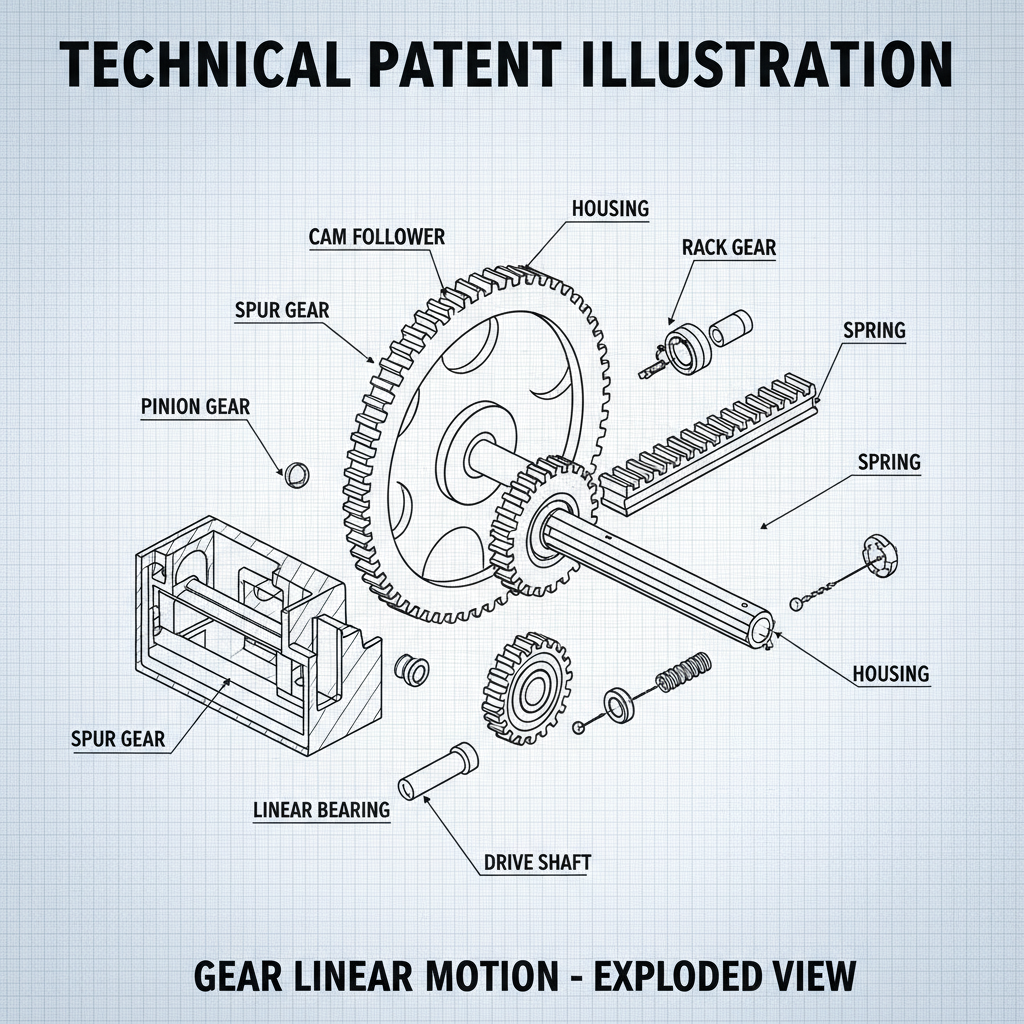
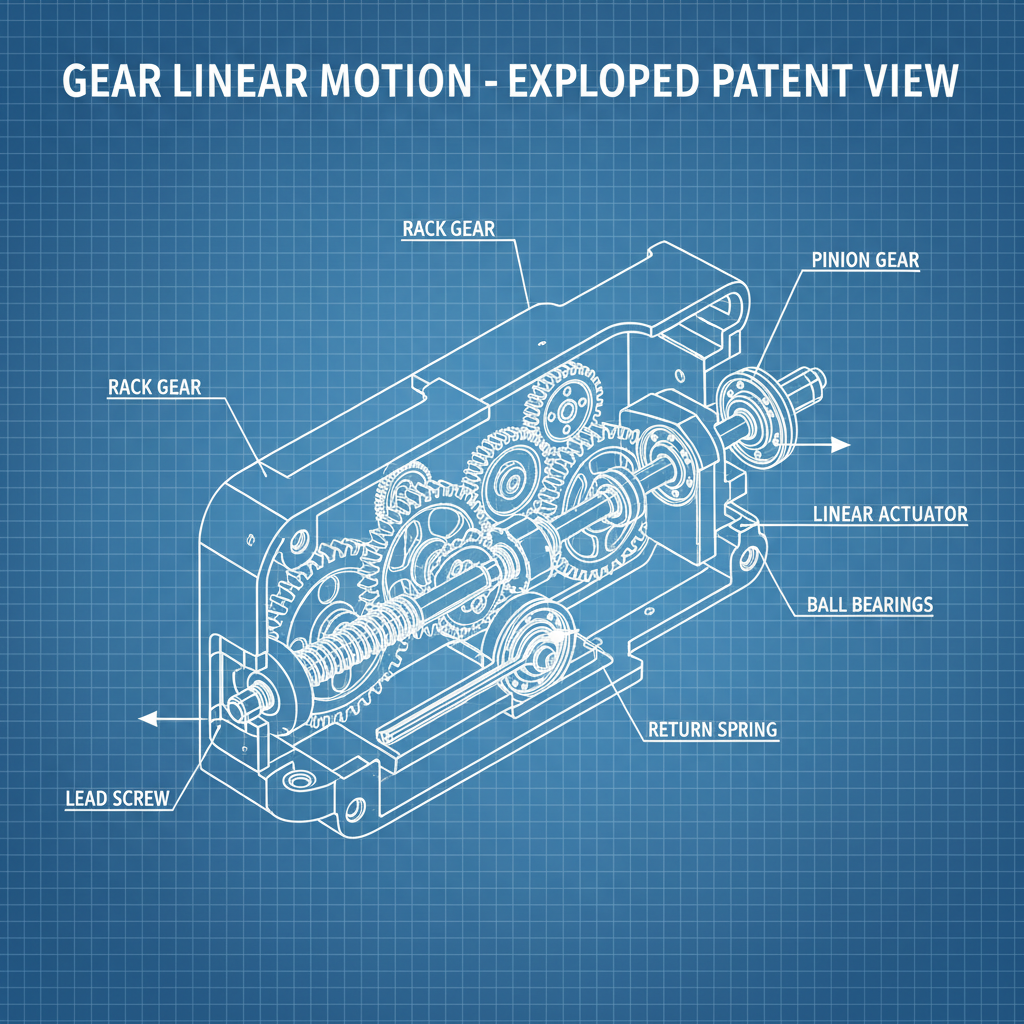
At its core, gear linear motion converts rotary motion into linear motion using gears. This is typically achieved through a combination of a pinion gear driving a rack gear. The pinion, when rotated, pushes or pulls the rack, generating a straight-line movement. The key advantage of this system lies in its ability to deliver high force and precision. Different gear types – spur, helical, and worm gears – are employed based on specific application requirements regarding noise, efficiency, and load capacity. The design also incorporates bearings and a housing to ensure smooth operation and structural integrity.
Key Benefits: High force output, precise positioning, durable construction, versatile applications, scalable design.
Key Components of a Gear Linear Motion System
A typical gear linear motion system comprises several essential components. These include the rack and pinion gear set, linear guide rails and bearings, a drive mechanism (motor), and a housing or support structure. The rack gear is a straight-toothed gear bar, while the pinion gear is a small circular gear that meshes with the rack. Linear guide rails and bearings ensure smooth and accurate linear movement. The drive mechanism, often a servo or stepper motor, provides the rotational force to the pinion. Understanding the role of each component is crucial for optimal system performance.
Component Breakdown:
• Rack Gear: Provides the linear path for motion.
• Pinion Gear: Converts rotational motion to linear motion.
• Linear Guide Rails/Bearings: Ensure smooth, precise movement.
• Drive Motor: Provides the power to drive the system.
Applications of Gear Linear Motion
Gear linear motion systems are found in a wide array of applications. In industrial automation, they’re used in CNC machines, robotics, and material handling systems. In the medical field, they are integral to diagnostic imaging equipment, surgical robots, and patient positioning systems. They’re also prevalent in automotive applications, such as power steering and electric vehicle components. Furthermore, they are utilized in aerospace, packaging, and semiconductor manufacturing. The versatility and precision of these systems make them indispensable in numerous industries.
Advantages of Choosing JSS InterSintering for Your Gear Linear Motion Needs
JSS InterSintering specializes in providing high-precision, customized gear linear motion solutions. We offer a comprehensive range of services, from design and engineering to manufacturing and testing. Our expertise in materials science and precision machining allows us to deliver components that meet the most demanding requirements. We work closely with our clients to understand their specific needs and provide tailored solutions that optimize performance, reliability, and cost-effectiveness. Our commitment to quality and innovation sets us apart.
Selecting the Right Gear Linear Motion System
Choosing the optimal gear linear motion system requires careful consideration of several factors. Load capacity, speed requirements, accuracy, environmental conditions, and budget all play a role. The type of gear (spur, helical, worm) should be selected based on the application's specific needs. It's also important to consider the quality of the components and the manufacturer's reputation. At JSS InterSintering, our engineers can guide you through this process, ensuring you select the best solution for your application.
Conclusion: Precision Motion for a Dynamic World
Gear linear motion systems are essential for countless applications, driving innovation across industries. By choosing a reputable partner like JSS InterSintering, you can ensure you receive a high-quality, customized solution that meets your precise needs. Invest in precision, invest in reliability, and unlock the full potential of your applications.
Frequently Asked Questions (FAQs)
What maintenance is required for a gear linear motion system?
Regular maintenance is vital for ensuring optimal performance and longevity. This includes periodic lubrication of gears and bearings, inspection for wear and tear, and cleaning to remove debris. The frequency of maintenance depends on the application and operating environment. It's also recommended to check the alignment of the system and tighten any loose fasteners. Following the manufacturer's guidelines is crucial. JSS InterSintering provides detailed maintenance recommendations for all our systems.
What factors influence the load capacity of a gear linear motion system?
Several factors determine the load capacity, including the size and type of gears, the material used, the quality of the bearings, and the overall system design. Larger gears and stronger materials generally support higher loads. The gear ratio also plays a role – a lower gear ratio results in higher torque and load capacity. Proper alignment and lubrication are also critical for maximizing load capacity. Our engineers at JSS InterSintering can perform load capacity calculations to ensure your system meets your requirements.
Can gear linear motion systems be customized?
Absolutely! Customization is a key strength of JSS InterSintering. We can tailor the system to your specific needs, including gear type, size, materials, and overall dimensions. We can also integrate additional components, such as sensors, encoders, and brakes. Our team works closely with clients to design and manufacture systems that perfectly fit their applications.
What is the difference between spur, helical, and worm gears in linear motion systems?
Spur gears are the simplest and most common type, offering high efficiency but can be noisy. Helical gears offer smoother and quieter operation, with higher load capacity but are more complex. Worm gears provide high gear ratios and self-locking capabilities, making them suitable for applications where holding a position is crucial, but they typically have lower efficiency. The best choice depends on the specific requirements of the application.









