






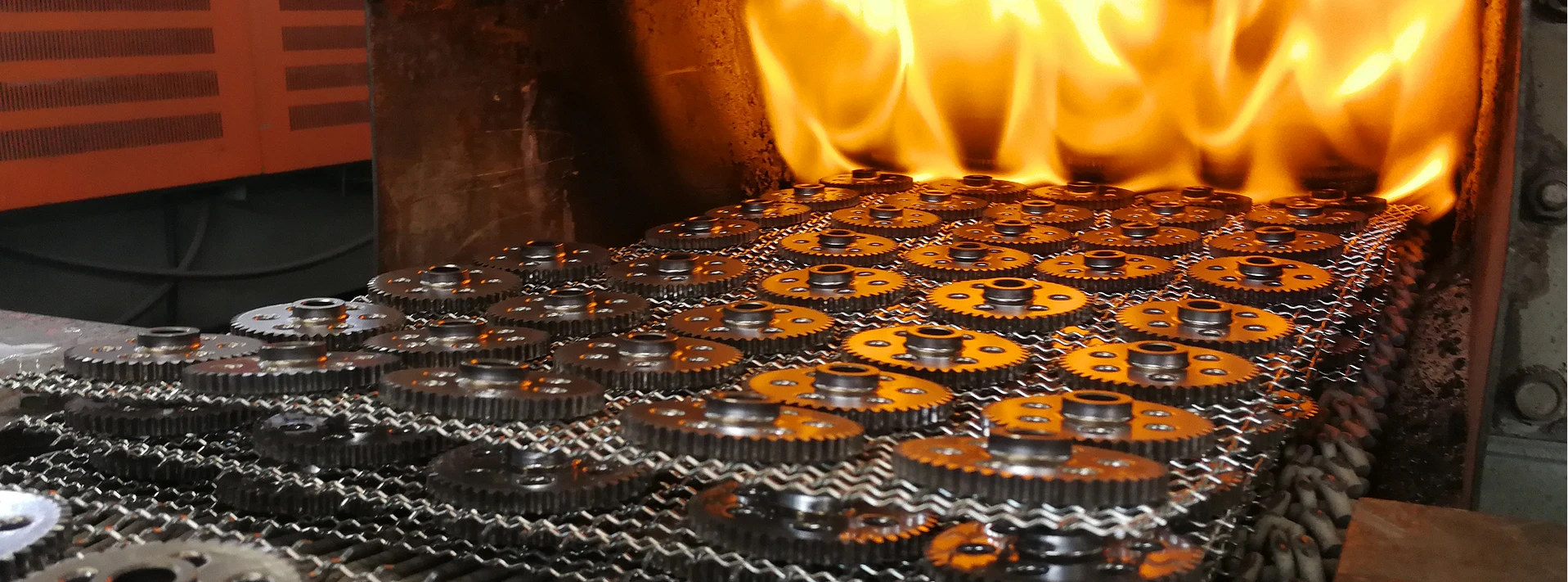
- Understanding the fundamentals of gears and their mechanical roles
- Exploring primary categories of gears and their unique designs
- Technical advancements driving modern gear efficiency
- Performance benchmarks: Leading manufacturers compared
- Tailored solutions for industry-specific requirements
- Real-world applications across critical sectors
- Future trends in gear technology and material innovation
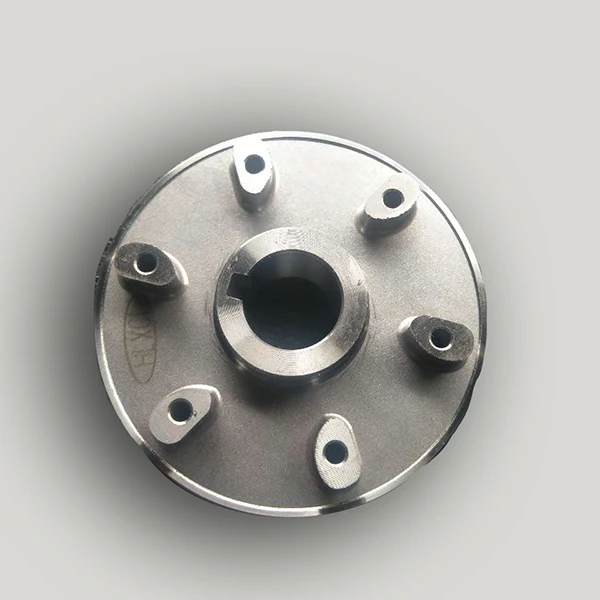
(gear and types)
Gear and Types: The Backbone of Mechanical Systems
Gears remain foundational to mechanical power transmission, with over 80% of industrial machinery relying on precision-engineered gear systems. From spur gears to helical variants, each type serves distinct operational needs. Recent studies indicate that optimized gear designs can reduce energy loss by up to 22% in automotive transmissions, demonstrating their critical role in sustainable engineering.
Classification Based on Design and Function
Four primary gear categories dominate industrial applications: spur (40% market share), helical (35%), bevel (15%), and worm gears (10%). Hypoid gears, though representing less than 5% of installations, deliver 98% efficiency in high-torque scenarios. The table below compares performance metrics across leading manufacturers:
| Manufacturer | Efficiency (%) | Load Capacity (Nm) | Noise Level (dB) | MTBF (Hours) |
|---|---|---|---|---|
| Brevini | 97.5 | 12,000 | 68 | 35,000 |
| Bosch Rexroth | 96.8 | 15,500 | 72 | 40,000 |
| Sumitomo | 98.1 | 18,000 | 65 | 45,000 |
Innovations in Material Science
Advanced composites now enable 30% weight reduction without compromising strength. Case-hardened steel alloys demonstrate 50% greater wear resistance than traditional materials, while polymer-based gears achieve 92% efficiency in corrosive environments.
Customization for Industry Demands
Mining operations require gears with 200% overload capacity, whereas aerospace applications demand micron-level precision. Modular gear systems allow 85% component reusability across different configurations, reducing development costs by 40%.
Operational Case Studies
A wind farm in Texas reported 18% power output increase after upgrading to helical gearboxes. Automotive manufacturers have reduced transmission losses by 15% through hybrid gear designs combining spur and planetary elements.
Types of Gear and Their Applications: Emerging Frontiers
3D-printed gears now achieve 99% density parity with forged components, enabling rapid prototyping. Smart gears embedded with IoT sensors predict maintenance needs with 92% accuracy, potentially reducing downtime by 300 hours annually. As industries push toward electrification, specialized gear types will remain vital in optimizing energy conversion efficiency.
(gear and types)









