




Gear Reducer Manufacturers: Driving Global Industry Forward
When you think about the inner workings of virtually any heavy machine or industrial robot, one component quietly but critically does the job: the gear reducer. Gear reducer manufacturers worldwide play a fundamental role in making sure our industries—from manufacturing to renewable energy—stay efficient, reliable, and ever-evolving. Understanding who these manufacturers are and what they do isn’t just for engineers; it matters on a global scale. It impacts everything from industrial productivity in emerging economies to sustainability goals outlined by international organizations like the UN (1).
Frankly, gear reducers might seem like the mechanical equivalent of a backstage crew—unseen but essential. Yet, knowing how manufacturers innovate and produce these parts can provide valuable insight into how industries solve challenges like energy efficiency, durability, and cost-effectiveness.
Why Gear Reducer Manufacturers Matter Globally
According to the International Organization for Standardization (ISO), gear reducers help optimize power transmission by adjusting torque and rotational speed (2). This optimization is crucial in applications that span heavy machinery in mining, automotive assembly lines, and wind turbines. The World Bank reports that industrial activity continues to grow worldwide, especially in Asia and Africa, making the role of gear reducer manufacturers increasingly vital (3).
The problem lies in producing gear reducers that meet varied industrial demands—often in harsh conditions—while keeping costs reasonable and materials sustainable. Plus, with the push for greener energy, manufacturers face the challenge of designing gear reducers that align with low-carbon goals. This context underlines the importance of top-tier gear reducer manufacturers and their evolving technologies.
What Exactly Are Gear Reducer Manufacturers?
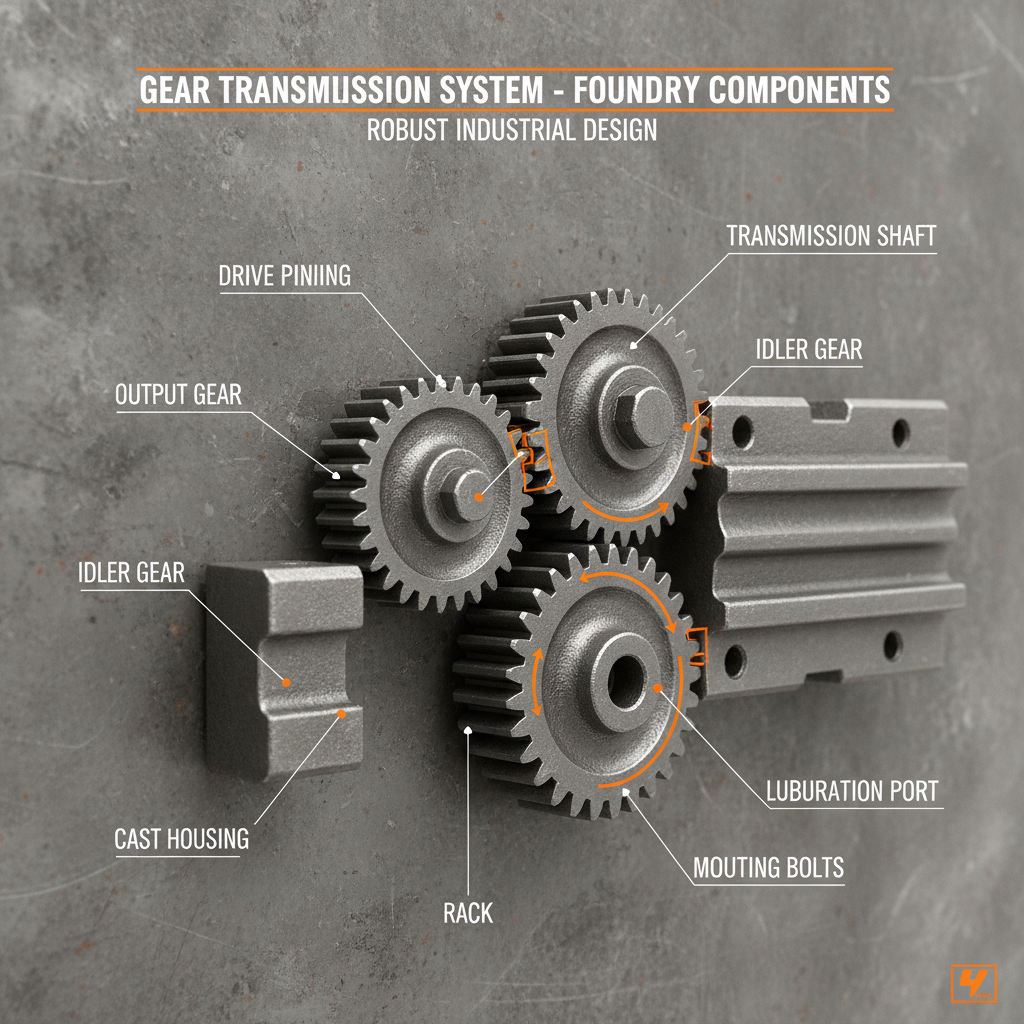
Simply put, gear reducer manufacturers are companies specializing in designing and producing gear reduction units: mechanical devices that reduce input speed from a motor while increasing torque output. This function enables machinery to operate efficiently under different load conditions. It’s kind of like trading speed for strength.
In modern industry, these manufacturers supply components vital across countless sectors. For example, humanitarian efforts deploying mobile water pumps rely on reliable gear reduction to maintain flow and pressure. In essence, gear reducer manufacturers aren’t just making parts—they’re enabling global infrastructure, industry, and even emergency response.
Core Components and Factors That Define Quality Gear Reducers
1. Durability
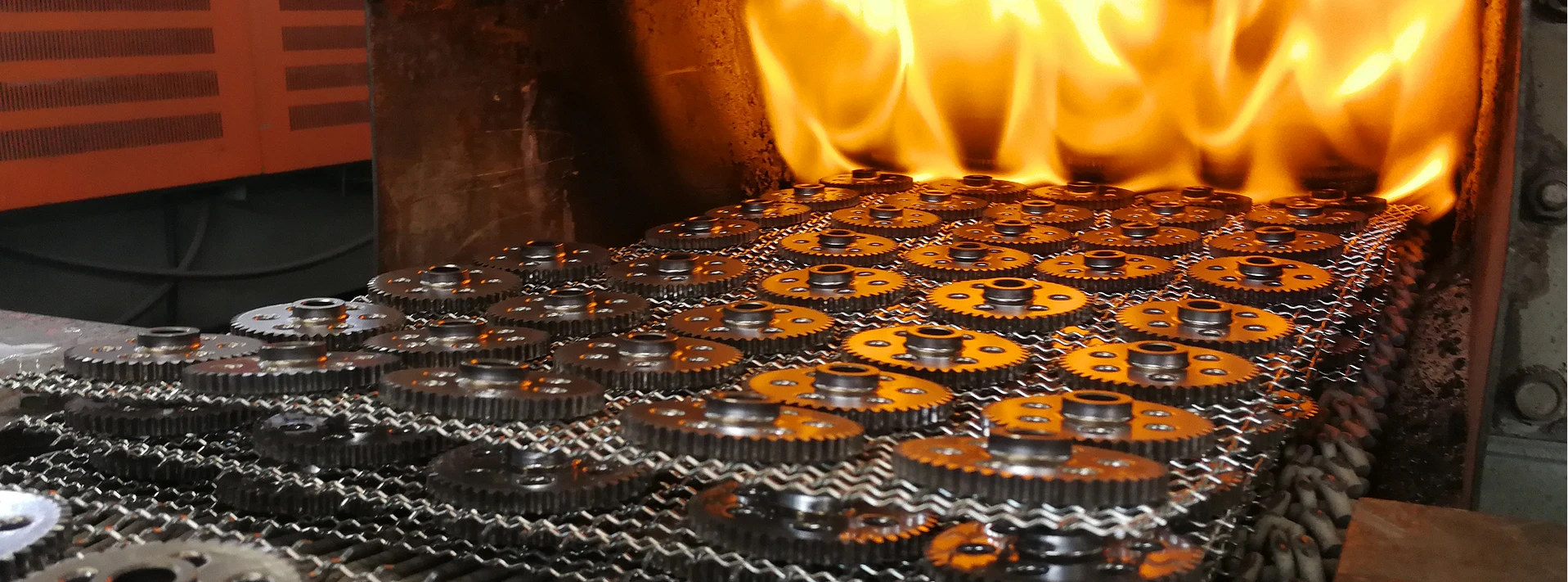
Gear reducers undergo tremendous mechanical stress, so manufacturers focus on materials and precision machining to ensure longevity. High-grade alloy steel and advanced heat treatments are common choices. This means less downtime and replacement cost—critical for industries like mining or oil extraction where every hour counts.
2. Scalability
From small precision units for robotics to massive industrial reducers for wind turbines, manufacturers must scale designs effectively. This often requires modular designs and flexible production methods to match diverse client needs.
3. Cost Efficiency
Manufacturers balance raw material costs, production techniques, and energy consumption to provide affordable reducers. Innovations in manufacturing processes, such as CNC automation and additive manufacturing, help reduce waste and price.
4. Performance Optimization
Design features like multi-stage gearing, lubrication methods, and cooling mechanisms impact the gear reducer’s efficiency. Manufacturers invest in R&D to optimize gearing ratios and reduce friction losses.
5. Customization & Compliance
Meeting different industry standards (e.g., ISO certifications) and client-specific specs is paramount. Customized solutions help industries with unique operational environments, such as marine or food processing sectors.
Mini Takeaway:
The best gear reducer manufacturers are those that blend durable materials with scalable, cost-effective designs, while optimizing performance and customization for global industrial needs.
Global Applications & Use Cases
In real terms, gear reducer manufacturers cater to a broad spectrum of sectors:
- Renewable Energy: Wind turbines rely on robust gear reducers that convert low-speed rotations to high-speed generators.
- Automotive Manufacturing: Assembly lines use gear reducers in robotic arms and conveyor systems for efficient precise movement.
- Mining and Heavy Equipment: Critical for torque multiplication to handle abrasive and heavy loads underground or in quarries.
- Humanitarian Relief: Portable pumps and generators utilize gear reduction for reliable power management during disaster recovery.
Example: In Southeast Asia, manufacturers supplying to heavy industry facilitate infrastructure projects that impact millions by ensuring reliable machinery operation under tropical, corrosive conditions.
Advantages & Long-Term Value of Quality Gear Reducers
Quality gear reducers offer cost savings through energy-efficient operation and reduced maintenance frequency. There's a sustainability angle too—efficient gear reducers lower power wastage, supporting environmental goals. On a more emotional level, reliable equipment builds trust—within factories, across supply chains, and between customers and manufacturers. This fosters innovation as companies feel confident pushing operational limits.
Specifications at a Glance
| Spec | Typical Range | Notes |
|---|---|---|
| Gear Ratio | 5:1 to 5000:1 | Depends on application |
| Power Range | 0.1 kW to 1000+ kW | From small conveyor motors to wind turbines |
| Material | Alloy Steel, Cast Iron, Composite | Selection affects durability and weight |
| Mounting Types | Foot, Flange, Face | Customizable to equipment setup |
| Efficiency | 85% to 98% | Higher values reduce energy waste |
Vendor Comparison: Leading Gear Reducer Manufacturers
| Manufacturer | Specialty | Global Reach | Innovation Focus | Average Lead Time |
|---|---|---|---|---|
| JSS Sintering | Custom high-precision reducers | Asia, Europe, North America | Additive manufacturing & coatings | 6-8 weeks |
| Alpha Gear Inc. | Heavy-duty industrial reducers | Global | Energy efficiency & modular designs | 8-12 weeks |
| EcoDrive Ltd. | Green technology gear reducers | Europe and North America | Low emissions materials & smart sensors | 10 weeks |
Future Trends & Innovations in Gear Reducers
The gear reducer industry is on the cusp of some exciting shifts. One major trend is the integration of smart sensors that allow real-time monitoring of performance and predictive maintenance. This reduces unexpected downtime and improves safety.
Another innovation is the use of lightweight composite materials, which can improve energy efficiency by reducing inertia. Additive manufacturing (3D printing) also allows complex geometries that were once impossible, further boosting efficiency and customization.
From a policy standpoint, the global push for sustainability means manufacturers are required to incorporate greener materials and environmentally responsible production methods. This aligns well with rising demand for gear reducers in renewable energy sectors.
Challenges Facing Gear Reducer Manufacturers & Solutions
Supply chain disruptions—like the ones experienced during the pandemic—have been a major headache, causing delays and price spikes. Manufacturers are responding by diversifying suppliers and investing in local production capabilities.
Another hurdle is the constant need to balance cost with high precision. Investing in automation and R&D helps keep costs competitive while maintaining quality. Collaborations between gear reducer manufacturers and clients have also become more common to tailor solutions effectively.
FAQ: Frequently Asked Questions About Gear Reducer Manufacturers
- Q: How do I choose the right gear reducer manufacturer for my industry?
- A: Look for manufacturers with experience in your industry, certifications (like ISO 9001), and a track record of delivering reliable, customizable solutions. Also consider lead time and after-sales support.
- Q: What materials are commonly used in gear reducers, and why?
- A: Alloy steel and cast iron are common for their strength and durability. Some manufacturers use composites for weight reduction. Material choice depends on application demands and environmental conditions.
- Q: Can gear reducers help improve energy efficiency in industrial systems?
- A: Absolutely. Efficient gear reducers reduce power losses during transmission, leading to lower energy consumption and operational costs over time.
- Q: Are there eco-friendly gear reducer options?
- A: Yes, manufacturers are increasingly offering gear reducers made with sustainable materials and designed to meet green certifications, especially for renewable energy applications.
- Q: How long do gear reducers typically last under continuous operation?
- A: Lifespan varies widely, but high-quality reducers properly maintained can last anywhere from 10 to 20 years, sometimes longer in less demanding conditions.
Conclusion
Gear reducer manufacturers quietly power the machinery that drives global progress. Their expertise in crafting durable, efficient, and customizable gear reduction solutions directly supports industries worldwide—from cutting-edge renewable energy to humanitarian relief. Understanding their role reveals not just industrial mechanics but a broader story about innovation, sustainability, and international collaboration.
If you’re looking for reliable, expert gear reducer manufacturers, including custom-engineered solutions with a focus on cutting-edge technology, I highly recommend visiting JSS Sintering. Their range and innovation make them a leader worth checking out.
In closing, I suppose the humble gear reducer is one of those things you rarely think about—until it’s not working. Then you realize how invaluable expert manufacturers really are!
- United Nations Industrial Development Organization (UNIDO) Industrial Statistics.
- International Organization for Standardization (ISO), ISO 9001 standards, Gear Reducers.
- World Bank Industry Data and Global Manufacturing Trends, 2023.