




Understanding the Role of a Gear Shaft Manufacturer in Modern Industry
At first glance, the term gear shaft manufacturer might sound like a niche player in the vast machinery world—but it’s far more pivotal than you'd think. Gear shafts are at the heart of countless machines everywhere, from heavy industrial equipment to your car’s transmission. Understanding what a gear shaft producer does, why their craft matters globally, and the core benefits of this field is key if you’re involved in manufacturing, engineering, or supply chain sectors.
Introduction: The Global Footprint of Gear Shaft Manufacturing
Globally, machinery and mechanical equipment industries represent billions in economic value—according to the World Bank, manufacturing accounts for approximately 16% of global GDP as of recent data. Gear shaft manufacturers occupy a crucial spot within this ecosystem, producing components that directly influence machine reliability and efficiency. Yet challenges such as supply chain disruptions and increasing demands for precision parts underscore the importance of selecting the right manufacturer.
For example, industrial machinery downtime can cost companies thousands per hour, so dependable gear shafts are no luxury—they’re essential. Oddly enough, while the parts themselves seem small or mundane, their impact is massive.
What Is a Gear Shaft Manufacturer?
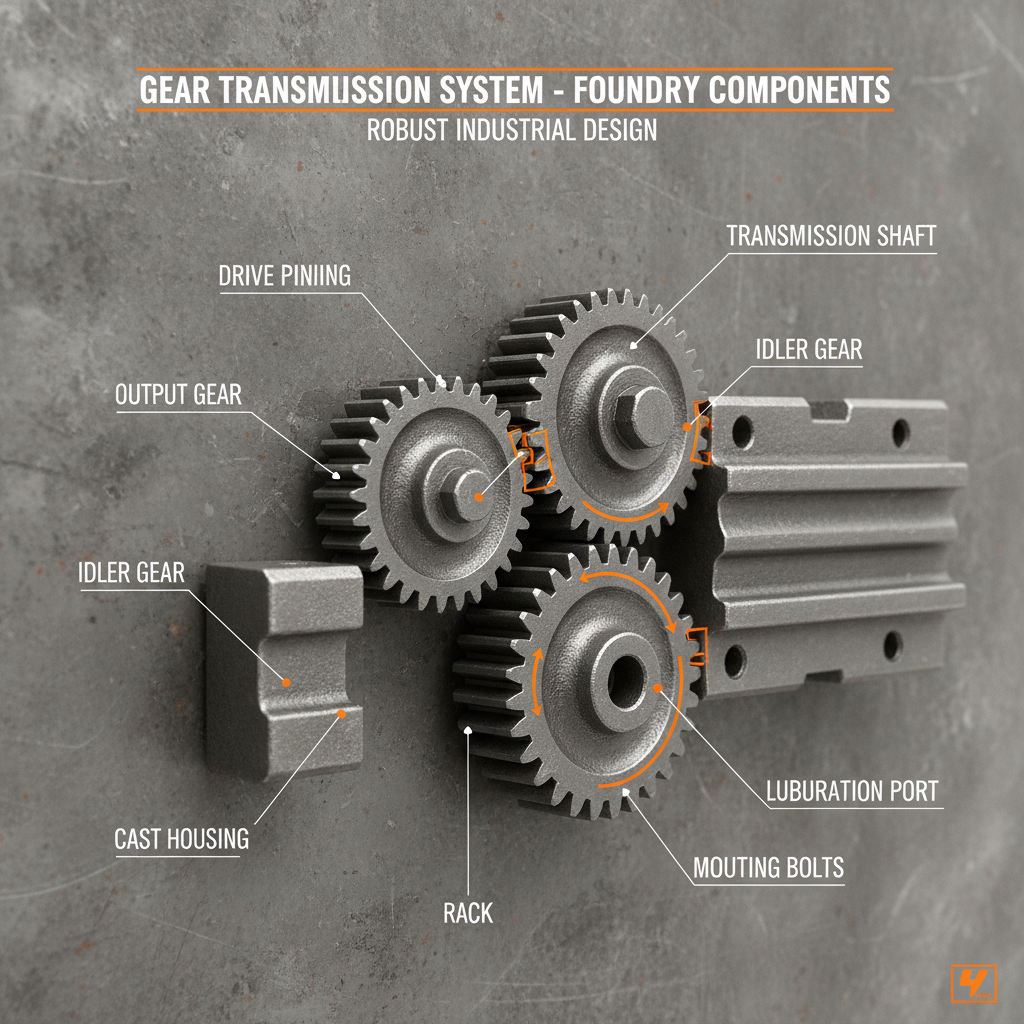
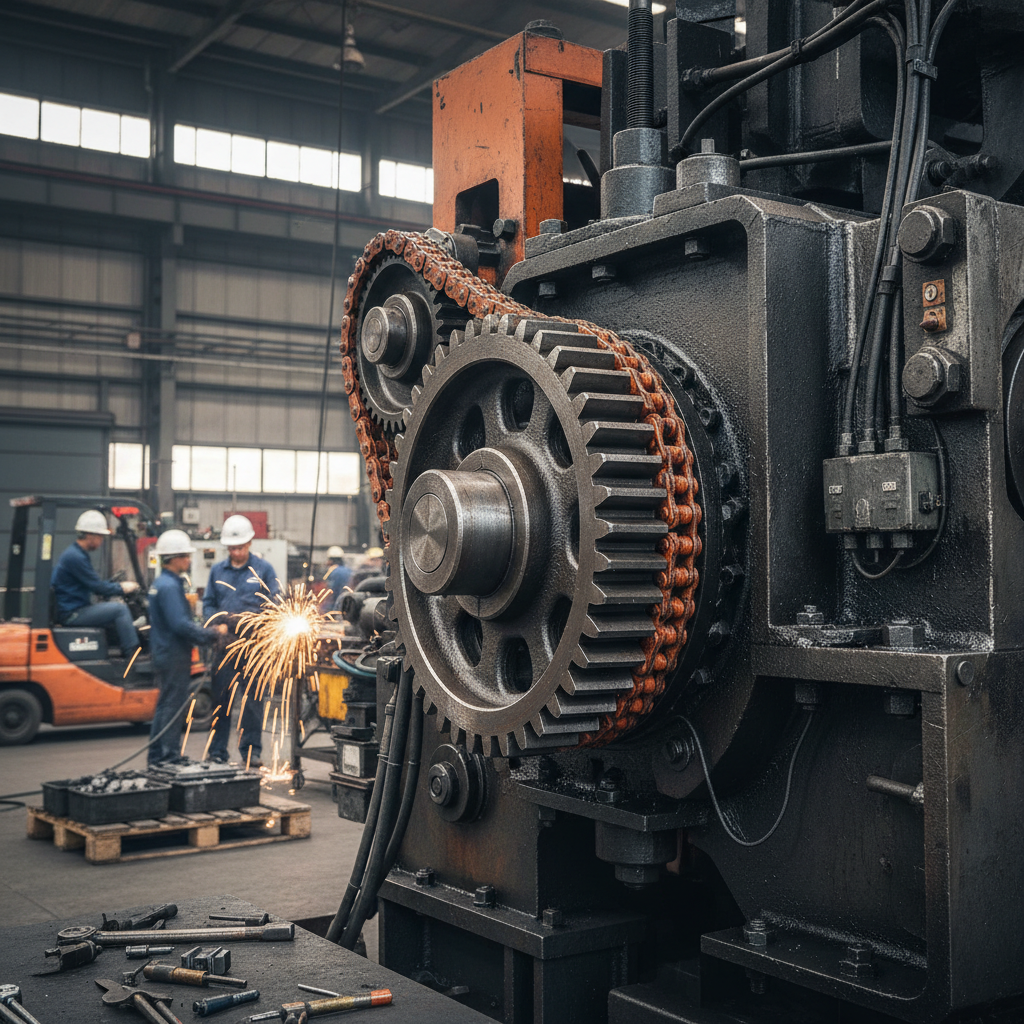
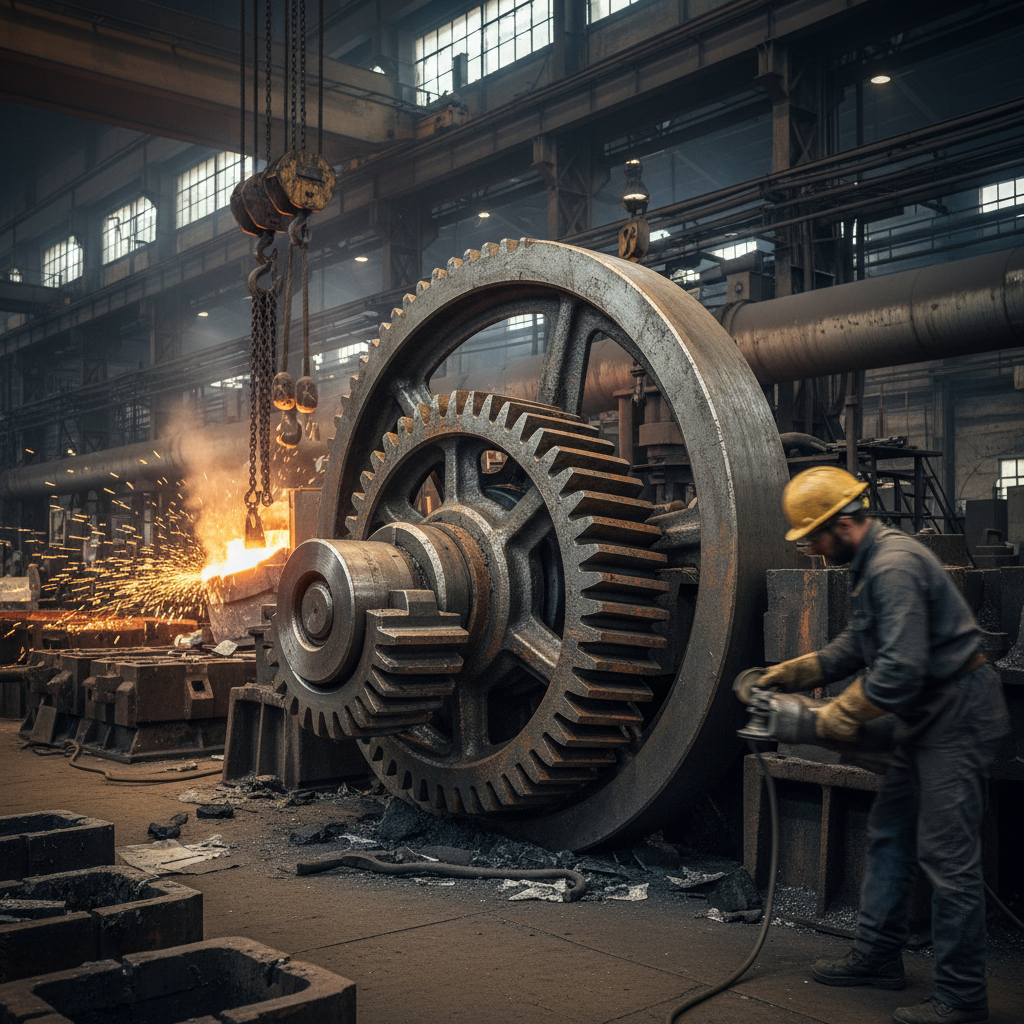
Simply put, a gear shaft manufacturer designs and produces gear shafts—mechanical components combining gears and shafts to transmit power between machine parts. Think of a gear shaft as a backbone with teeth, facilitating the controlled rotation and movement crucial in everything from automotive transmissions to wind turbines.
Because so much of modern life depends on machinery — from delivering clean water to quick transportation — these manufacturers actively contribute to both industrial progress and humanitarian needs alike. For instance, robust gear shafts ensure that medical equipment or relief machinery operates without failure during critical moments.
Key Components Influencing Gear Shaft Manufacturing Quality
Durability
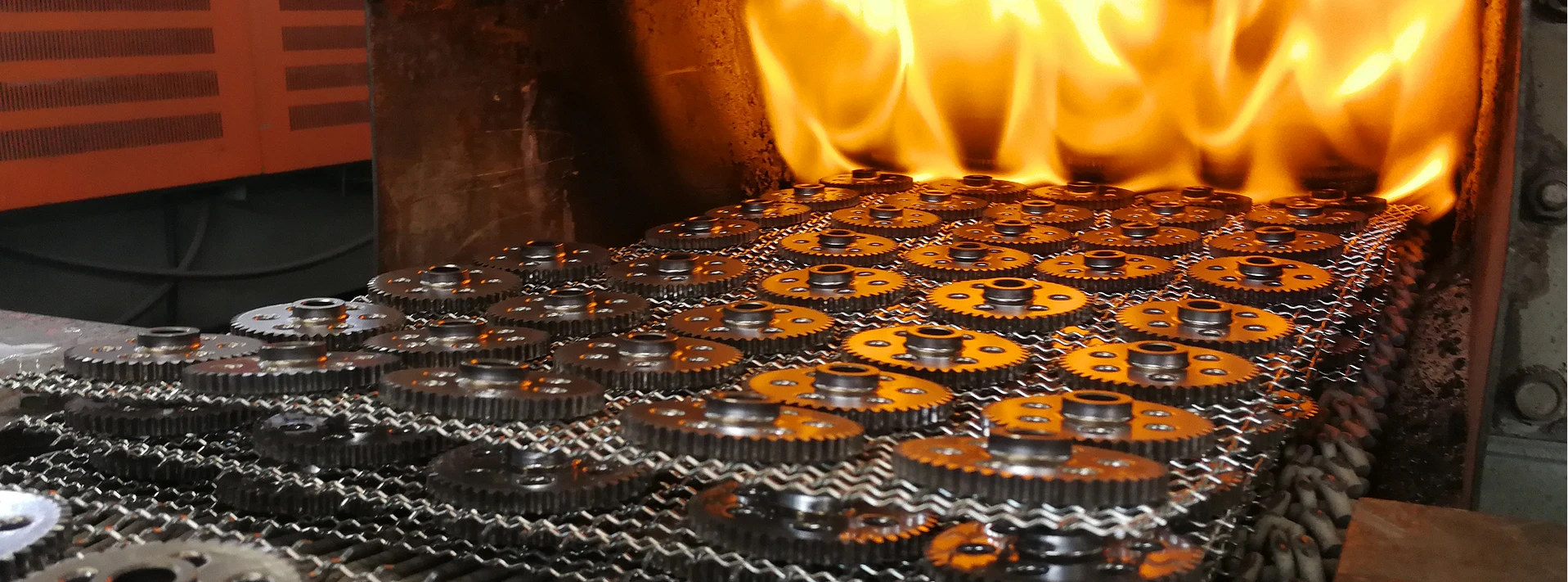
The material selection and heat treatment techniques directly affect a gear shaft’s durability. Manufacturers often use alloy steels with precise tempering to resist wear, fatigue, and corrosion — you want your gear shafts to last years in rough conditions.
Precision & Tolerances
Gear shafts require very fine tolerances — often within microns — to ensure smooth transmission of power. This demands sophisticated CNC machining and grinding techniques, coupled with rigorous quality control.
Customization
Not all gear shafts are created equal. Depending on the industry and application, custom specifications like gear ratio, shaft length, or gear type may be necessary. A reliable manufacturer provides flexible designs tailored to client needs.
Cost Efficiency
Balancing high quality with reasonable costs is critical. Efficient manufacturing processes, bulk material sourcing, and economies of scale help manufacturers offer competitive prices without sacrificing performance.
Scalability
With fast-changing market demands, manufacturers must scale production — from small experimental runs to high-volume orders — while maintaining consistency in quality.
Mini takeaway:
- Durability and precision ensure long-lasting, efficient gear shafts.
- Customization and scalability shape adaptability across industries.
- Cost efficiency keeps products accessible for diverse clients.
Product Specification Table: Sample Gear Shaft Model XYZ
| Specification | Value |
|---|---|
| Material | Alloy Steel (AISI 4140) |
| Diameter | 55 mm |
| Heat Treatment | Case Hardening, 58 HRC |
| Gear Teeth | 24, Helical |
| Tolerance (+/-) | 0.01 mm |
| Max Torque | 350 Nm |
Global Applications and Real-World Use Cases
From automotive hubs in Germany to heavy machinery plants in China, gear shaft manufacturers underpin a wide spectrum of sectors. Their components find homes inside:
- Automotive transmissions: precision gear shafts improve efficiency and reduce emissions.
- Wind turbines: robust gear shafts endure extreme weather while converting wind into electricity.
- Construction machinery: dependable parts keep cranes, excavators, and drills running on schedule.
- Medical equipment: gear shafts enable smooth operation of devices like MRI machines or robotic surgery arms.
In remote industrial zones, such as mining operations in Australia or oil extraction rigs off the coast of Brazil, the need for reliable, well-built gear shafts is critical. And on a humanitarian level, gear shafts inside emergency generators or water pumps can dramatically improve disaster response efforts.
Mini takeaway:
- Gear shafts are everywhere, and their performance affects several vital industries.
- Their roles span from everyday vehicles to life-saving medical technologies.
Comparing Top Gear Shaft Manufacturers
| Manufacturer | Specialization | Lead Time | Customization Options | Approximate Cost |
|---|---|---|---|---|
| JSS Sintering | High-precision alloy shafts | 4-6 weeks | Extensive (custom designs & materials) | $$$ |
| GearMasters Ltd. | Industrial scale shafts | 6-8 weeks | Moderate (standard designs) | $$ |
| Precision Gear Co. | Low volume, high customization | 3-5 weeks | High (prototype & bespoke) | $$$$ |
Advantages and Long-Term Value of Gear Shaft Manufacturing
The tangible benefits of partnering with a skilled gear shaft manufacturer include cost savings through reduced machine downtime, sustainability by using long-lasting materials, and the social impact of enabling vital machinery. On a more personal note, engineers often report a sense of trust and satisfaction when deploying machines that operate smoothly, thanks to high-quality gear shafts.
Safety is another emotional driver — equipment failure can lead to accidents, so quality gear shafts help maintain workplace dignity and trust.
Future Trends in Gear Shaft Manufacturing
Looking ahead, the industry is embracing innovations such as advanced composite materials and additive manufacturing (3D printing) to reduce weight and improve performance. Digital transformation allows real-time monitoring of gear shaft wear, increasing predictability in maintenance and reducing unexpected downtime.
Moreover, the global drive toward green energy has gear shaft manufacturers optimizing parts for wind turbines and electric vehicles — it’s a rapidly evolving frontier.
Common Challenges and Expert Solutions
Common issues include meeting tight tolerances consistently and handling supply chain delays for specialty materials. Leading manufacturers are investing in automation and rigorous quality assurance protocols to address these. Collaborative design platforms also help clients refine requirements early, reducing costly rework or redesign.
FAQ: Frequently Asked Questions About Gear Shaft Manufacturers
- What materials are commonly used in gear shaft manufacturing?
- Alloy steels like AISI 4140 are preferred for strength and durability, often treated with case hardening. Some models use composites or stainless steel, depending on environment and load conditions.
- How long does the average gear shaft last in industrial applications?
- With proper material and maintenance, gear shafts can last 10-20 years, though this varies by operating conditions and load cycles.
- Can gear shafts be customized to my machine’s specifications?
- Absolutely. Most reputable manufacturers offer wide customization options regarding size, gear type, finish, and material to ensure seamless integration.
- How do I choose the right gear shaft manufacturer?
- Consider factors like precision capabilities, lead times, cost, and exact needs. Reading reviews or requesting prototypes helps; also, visiting websites, for example, gear shaft manufacturer pages are rich with info.
- Is there an environmental benefit to choosing innovative gear shaft materials?
- Yes, newer materials and optimized designs reduce weight and energy consumption, positively impacting sustainability goals.
Conclusion: Why Gear Shaft Manufacturers Matter Long-Term
When you zoom out, the gear shaft manufacturer is more than a parts supplier — they are a key partner in ensuring technological progress, safety, and economic efficiency. Whether in automotive powertrains or green energy projects, choosing a manufacturer with the right expertise means investing in reliability and future-proofing.
If you’re interested in learning more or sourcing precision gear shafts tailored to your needs, visiting https://www.jssintering.com is a solid next step. They offer a great blend of experience, quality, and customizable options that make a tangible difference in your production line.
Ultimately, it feels like with the right gear shaft manufacturer, you rest a little easier knowing your machines won’t let you down.
Final takeaway:
Gear shaft manufacturers are the unseen heroes ensuring machines spin, shift, and power industries worldwide — a small component with a grand role.