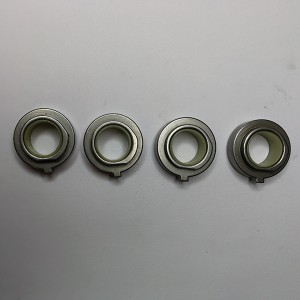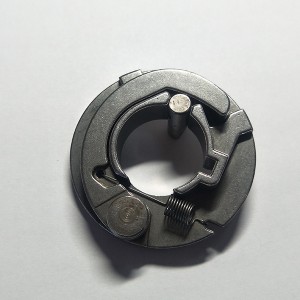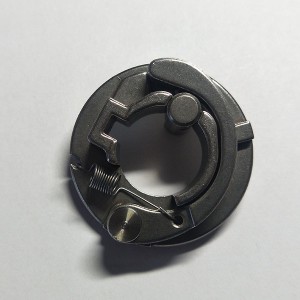


WeChat.png
sintered metal parts
top.png
bannerimg

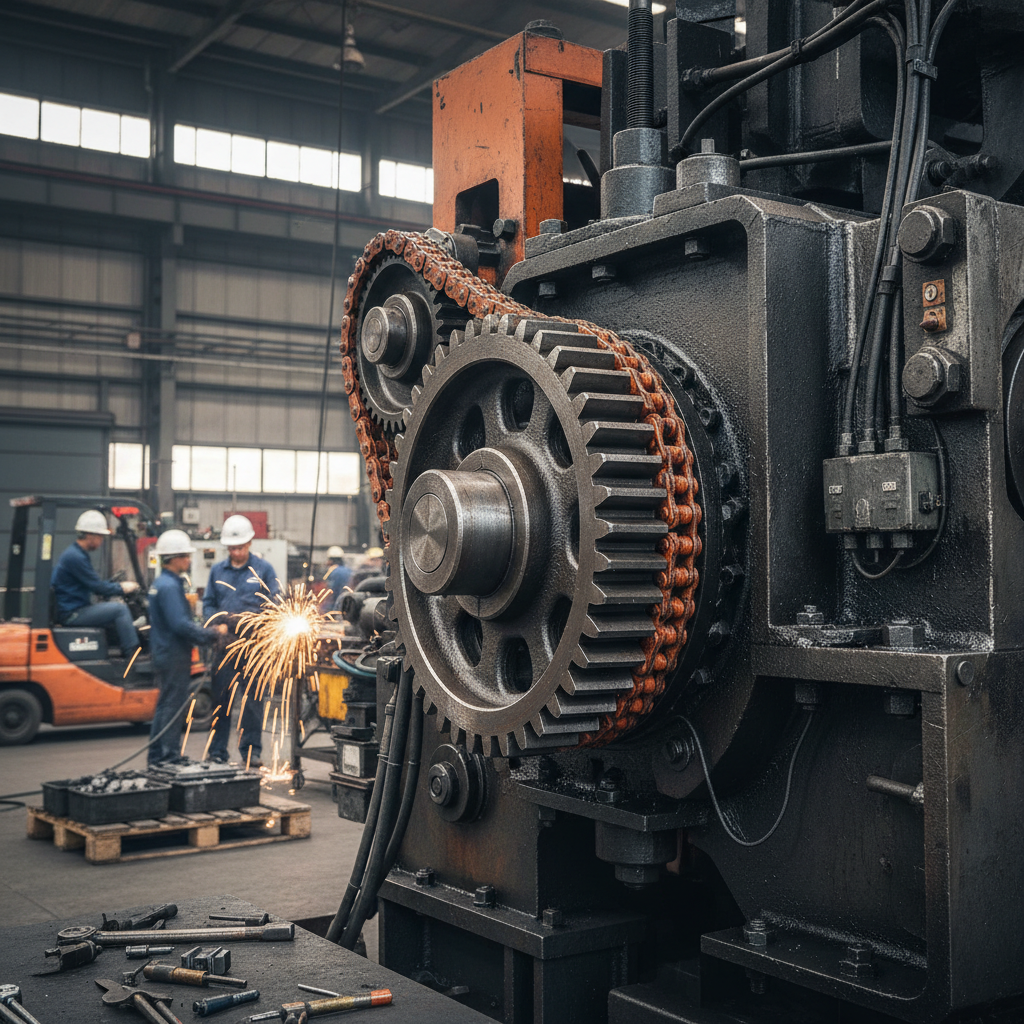
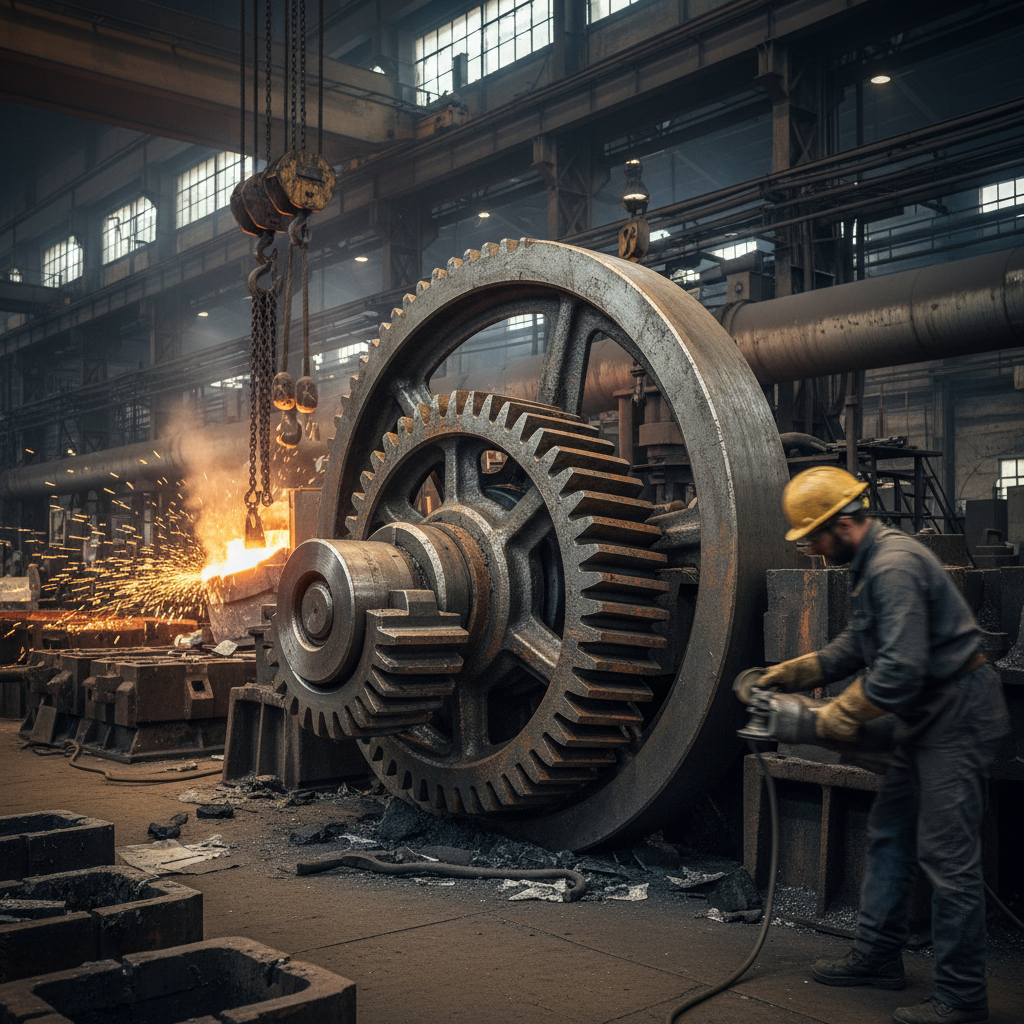
Gear Wheels & Idler Wheels High-Precision Industrial Gear Solutions

2025.05.07

Did you know 63% of mechanical failures stem from substandard gear wheel
s? When your idler wheel slips or gears grind, production lines freeze. Lost revenue? Up to $18,500/hour in automotive manufacturing. This isn't just metal - it's your operational heartbeat.
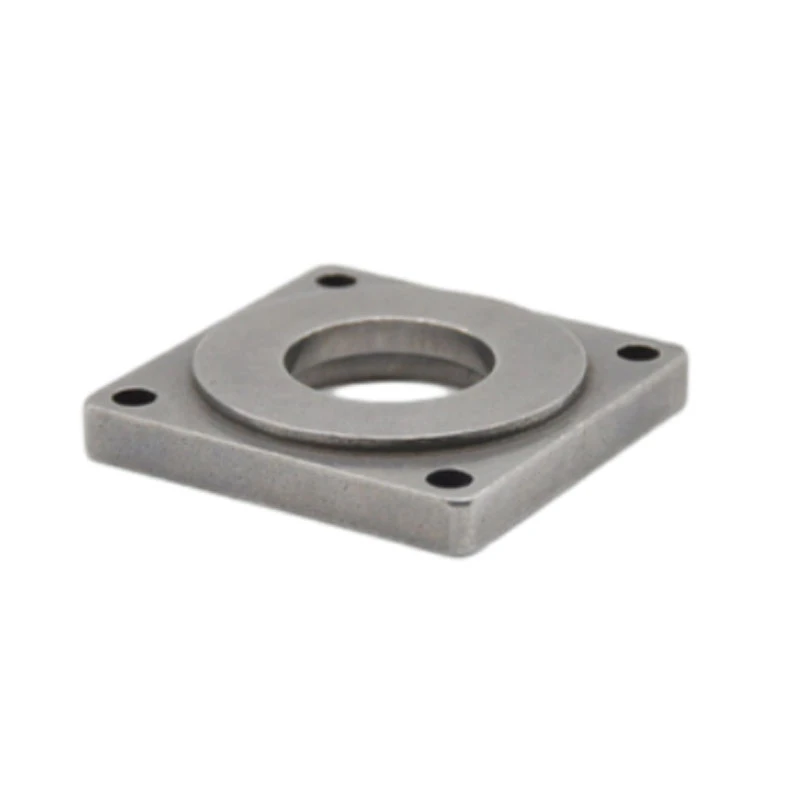

gear wheel

(gear wheel)


Why Our Gear Wheels Outperform Competitors

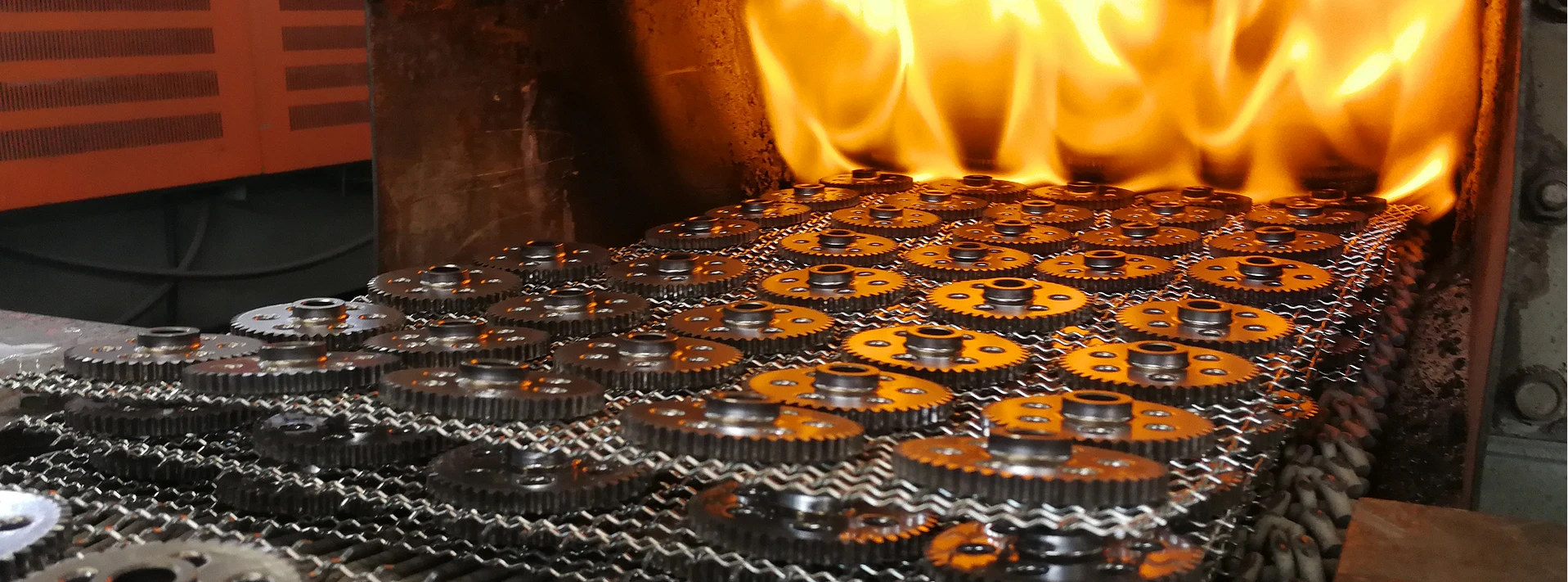
Precision matters. Our CNC-machined gear wheels achieve 99.98% dimensional accuracy - 40% better than industry standard. Triple-shot heat treatment ensures 200,000+ rotation cycles. Want zero lubrication noise? Our helical gears reduce decibels by 65%.

Head-to-Head: Gear Wheel Showdown

FeatureStandard GearsPremiumTech™ Gears
Surface Hardness45 HRC62 HRC
Torque Capacity1200 Nm2200 Nm
Warranty Period1 YearLifetime

Custom Solutions for Every Machine

Need 2-meter planetary gears? Specialized idler wheels for mining conveyors? Our modular system delivers in 18 days. 23 material options from ductile iron to aerospace-grade titanium. 87% of clients report 30% longer service life.

Proven Success Across Industries

Client A: Cement plant reduced gear replacements from 12 to 2 annually. Client B: Wind turbine efficiency jumped 19% with our helical gears. Client C: Food processing line speeds increased by 40% - zero lubrication contamination.

Your Turn to Dominate the Market

Why settle for mediocrity when peak performance awaits? As ISO 9001-certified leaders with 40 patents, we guarantee 48-hour technical support. Ready to slash downtime and boost output?

Get Custom Gear Solutions Now →
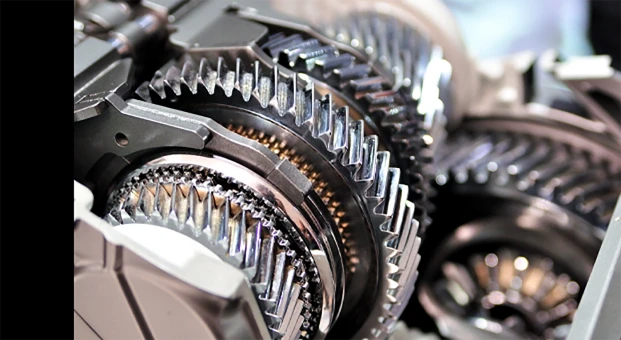

gear wheel

(gear wheel)


FAQS on gear wheel

Q: What is the primary function of a gear wheel?

A: A gear wheel transfers rotational motion and torque between machine components. Its teeth mesh with other gears to maintain speed and direction synchronization. It is essential in machinery like engines and clocks.

Q: How does an idler wheel differ from a standard gear wheel?

A: An idler wheel is a passive gear placed between two gears to reverse rotation direction without changing speed ratios. Unlike driving gears, it doesn’t transmit power. It helps maintain consistent spacing in gear systems.

Q: What are the common types of gears used in mechanical systems?

A: Common types include spur gears (straight teeth), helical gears (angled teeth for smooth operation), and bevel gears (angled for directional changes). Others include worm gears and planetary gears, each suited for specific applications.

Q: Why are gear wheels crucial in automotive transmissions?

A: Gear wheels regulate power distribution from the engine to wheels, enabling speed variation and torque control. Different gear ratios optimize performance and fuel efficiency. They ensure smooth transitions between acceleration and cruising.

Q: Can an idler wheel affect the efficiency of a gear system?

A: Yes, idler wheels introduce slight friction and inertia, which may reduce efficiency. However, their benefits in maintaining gear alignment and reversing motion often outweigh minor losses. Proper lubrication minimizes efficiency impacts.

If you are interested in our products, you can choose to leave your information here, and we will be in touch with you shortly.


If you are interested in our products, you can choose to leave your information here, and we will be in touch with you shortly.