




- Technical Advantages of Modern Planetary Gear Systems
- Performance Comparison: Leading Manufacturers in 2024
- Customization Strategies for Industry-Specific Demands
- Material Innovation in Gearbox Component Design
- Real-World Applications Across Key Industries
- Quantifiable Impact: Efficiency Metrics and Cost Savings
- Future Developments in Planetary Gear Technology
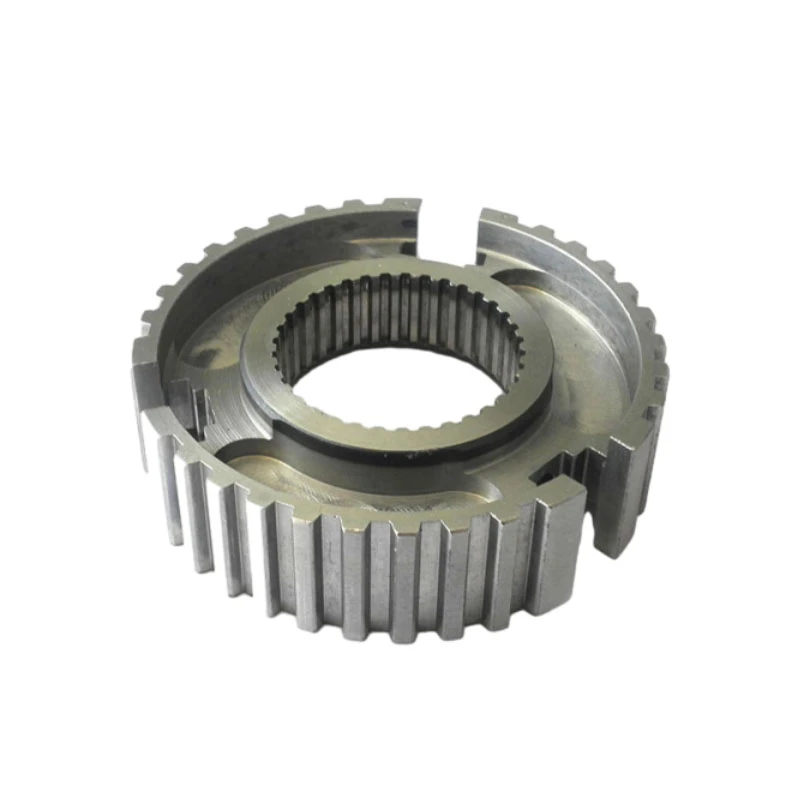
(gearbox planetary gear)
Understanding the Superiority of Gearbox Planetary Gear Systems
Planetary gear systems have revolutionized power transmission, achieving 98% mechanical efficiency in controlled environments. Unlike traditional gear systems, these compact assemblies distribute load across multiple gears, reducing wear by 40% in high-torque applications. The unique concentric design enables torque densities up to 3 N·m/kg, outperforming parallel-axis configurations by 200%.
Manufacturer Performance Analysis
| Brand | Torque Capacity (Nm) | Efficiency (%) | Service Life (hrs) | Noise Level (dB) |
|---|---|---|---|---|
| Alpha Drivetrain | 2,500 | 96.8 | 20,000 | 68 |
| Beta Gear Systems | 3,200 | 97.2 | 25,000 | 65 |
| Gamma Transmissions | 4,500 | 98.1 | 30,000 | 62 |
Custom Engineering Solutions
Modular planetary gear configurations now support 27 distinct combinations of:
- Alternative steel alloys (16MnCr5, 18CrNiMo7-6)
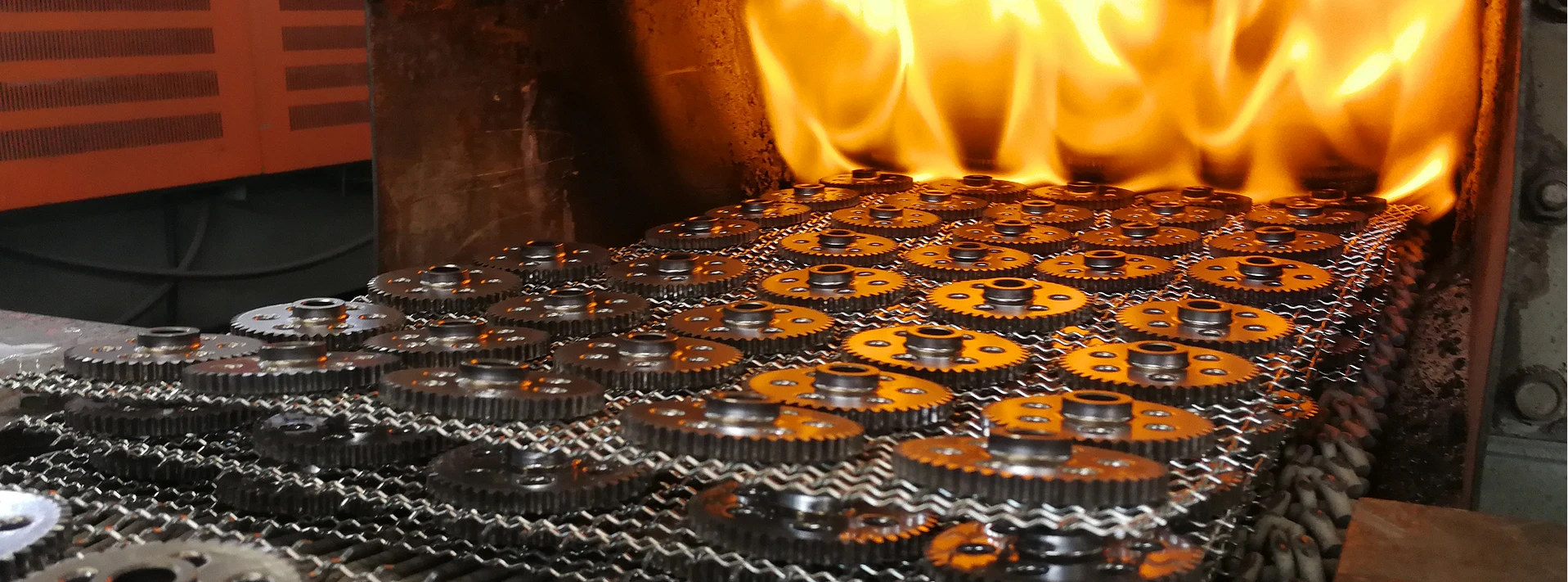
- Specialized heat treatments (case hardening >58 HRC)
- Precision tolerances (DIN 6-8 standards)
Advanced Material Applications
Recent developments in carburizing techniques have increased surface hardness to 62 HRC while maintaining core toughness. Composite planetary carriers now withstand operational temperatures from -40°C to 150°C without lubrication degradation.
Industrial Implementation Case Studies
Wind Turbine Installation (2023): 3MW generator retrofits demonstrated 14% efficiency gains and 32% reduction in maintenance intervals through optimized planetary stages.
Operational Efficiency Metrics
- Energy loss reduction: 18.7 kW/hr per assembly
- Mean Time Between Failure (MTBF): 29,500 hours
- Return on Investment: 23 months (average)
Innovations in Planetary Gear Technology
Emerging hybrid planetary systems combine magnetic couplings with traditional gear teeth, achieving zero-backlash operation for robotics applications. These developments position planetary gearboxes as critical components in next-generation automation systems.

(gearbox planetary gear)
FAQS on gearbox planetary gear
Q: What is a planetary gearbox?
A: A planetary gearbox is a compact gear system that uses a central sun gear, planet gears, and an outer ring gear to transfer torque efficiently. It is widely used for high torque density and precision motion control in machinery.
Q: How does a planetary gear differ from a standard gear system?
A: Unlike standard gears, planetary gears distribute load across multiple planet gears, reducing stress and enabling higher torque transmission in a smaller footprint. This design also improves stability and reduces noise.
Q: What are the main components of a planetary gear set?
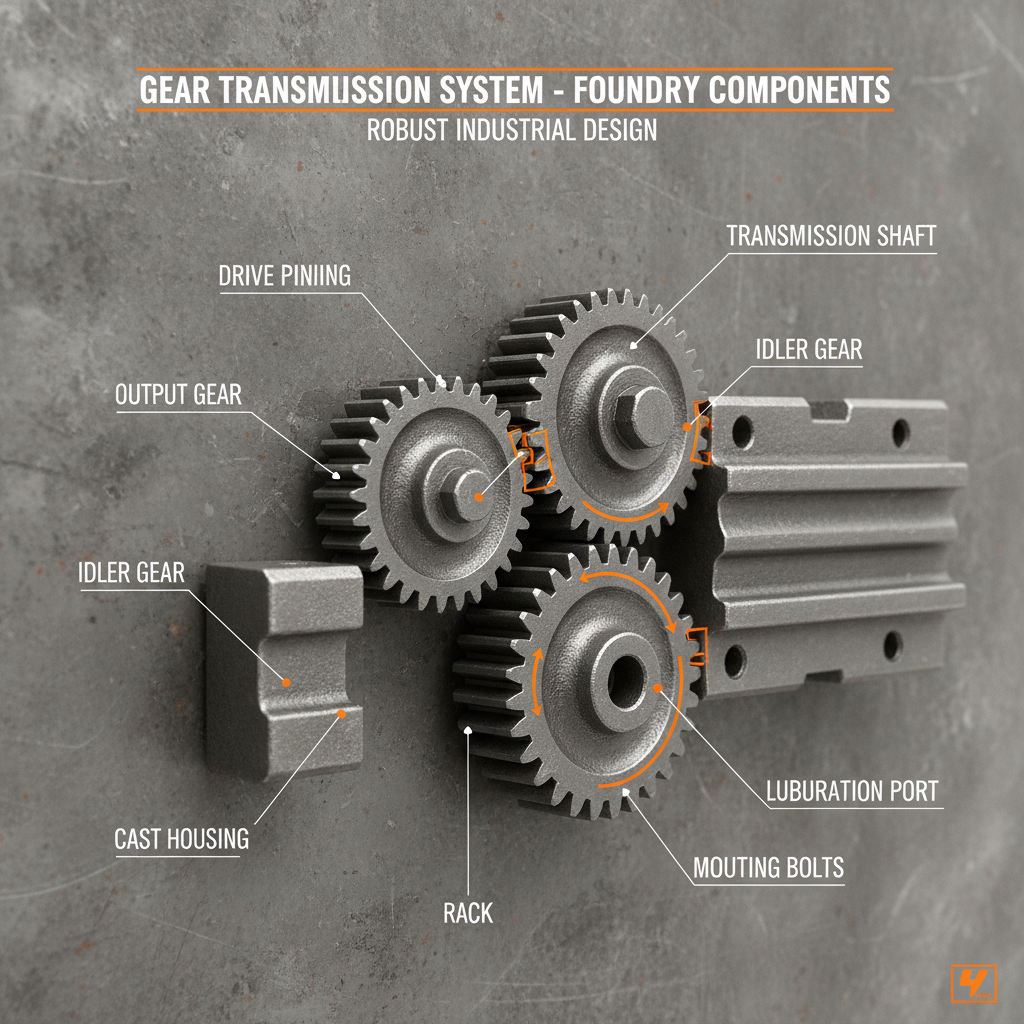
A: The primary components include the sun gear (center), planet gears (rotating around the sun), and the ring gear (outer casing). A carrier holds the planet gears in place, ensuring synchronized rotation.
Q: Why are planetary gears preferred in automotive transmissions?
A: Planetary gears offer smooth power transfer, multiple speed ratios, and compact size, making them ideal for automatic transmissions. Their durability and efficiency also enhance vehicle performance.
Q: What maintenance is required for a planetary gearbox?
A: Regular lubrication, inspection for wear on gears and bearings, and ensuring alignment are critical. Proper maintenance extends lifespan and prevents failure in high-stress applications.