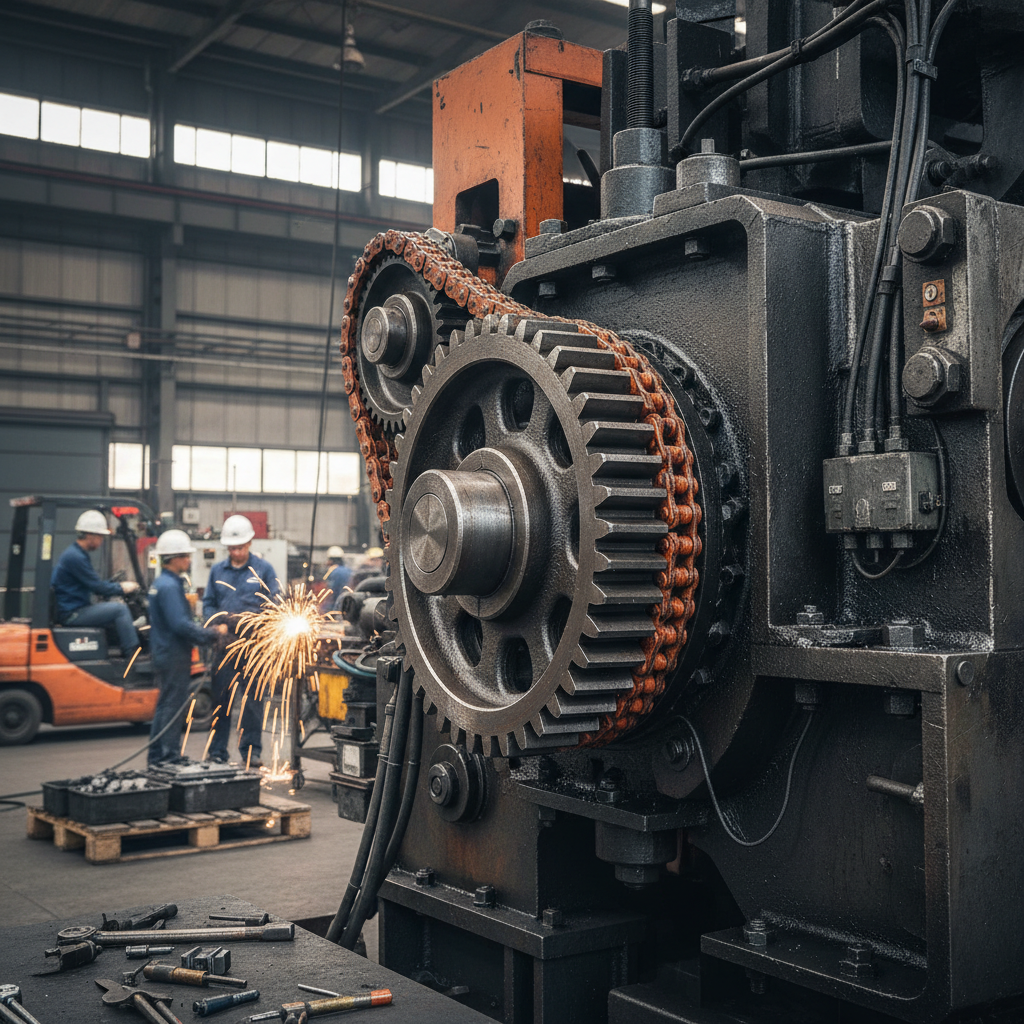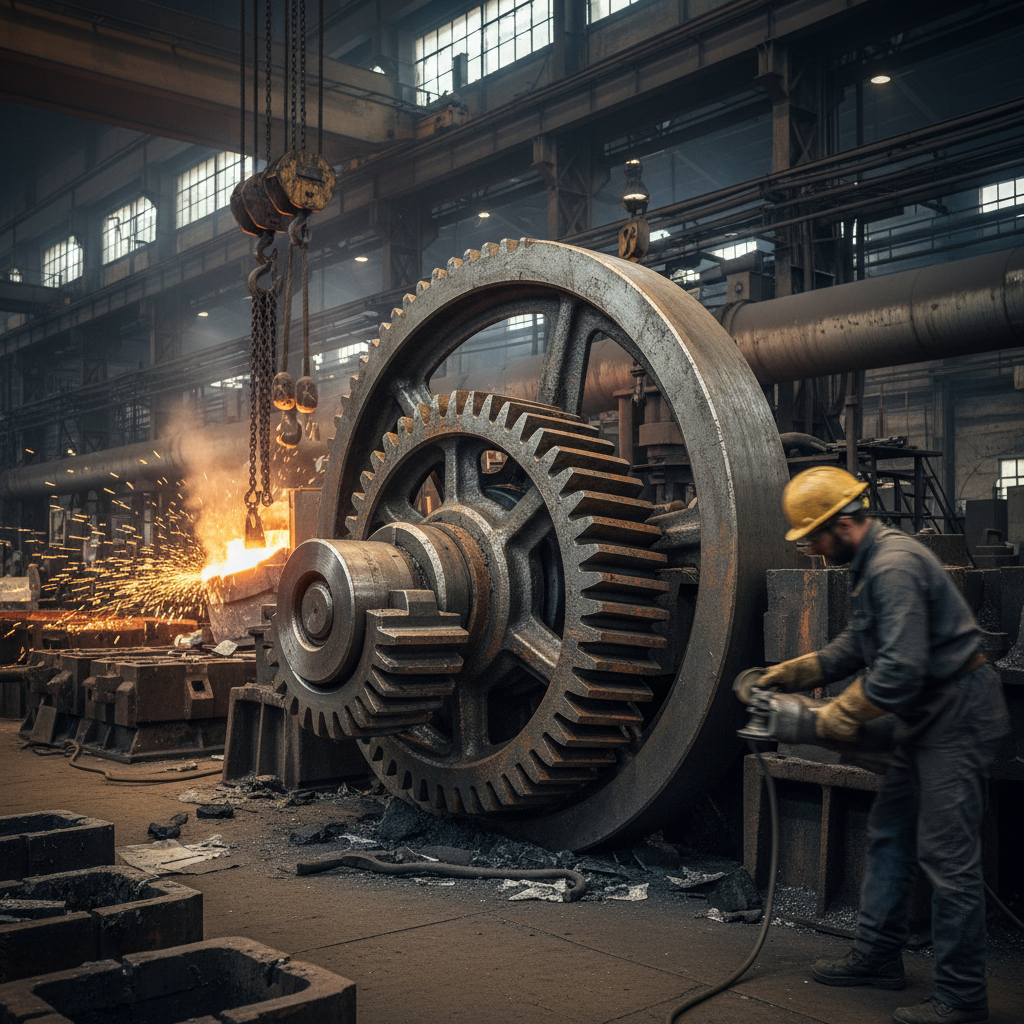





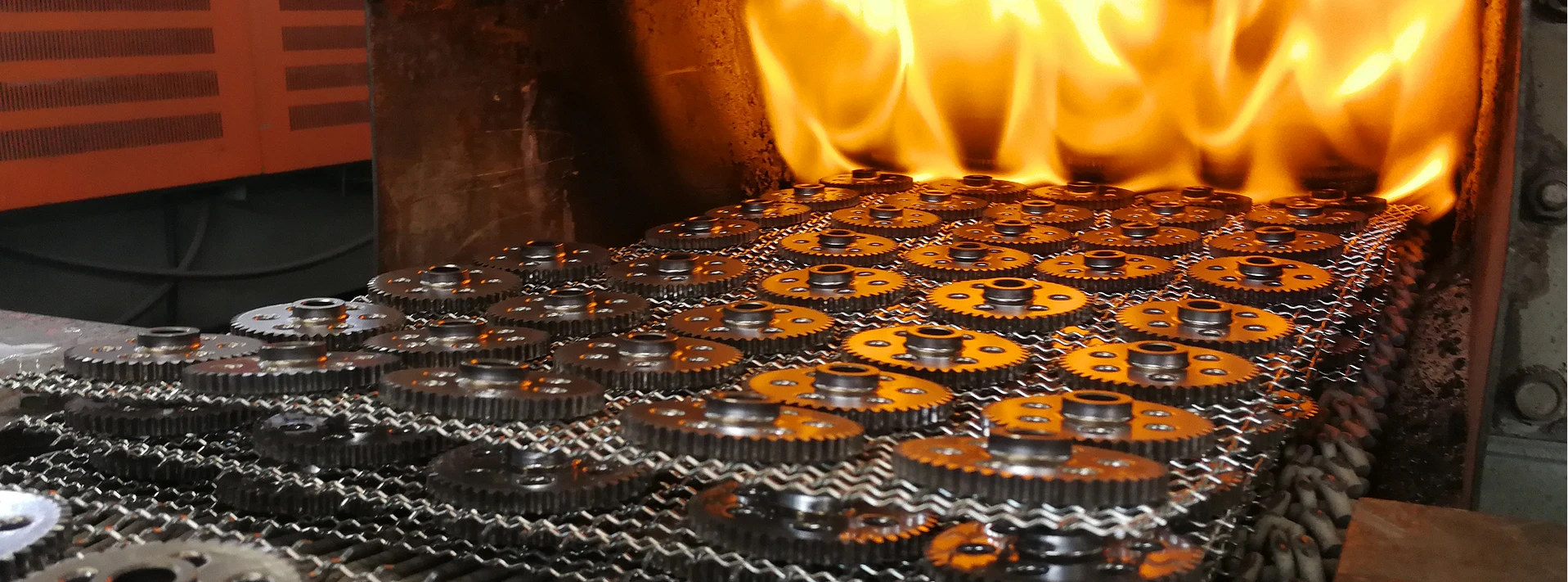
You’re losing $18,000/hour when production stops. Yet most operators still treat gear selection like a guessing game. Why risk your bottom line with generic solutions? Discover how gears different types
engineered for precision can slash downtime by 67%.

(gears different types)
Technical Superiority: Why Different Types of Gear Teeth Matter
Helical gears deliver 30% smoother operation than spur gears. Our hypoid designs outperform standard bevel gears with 15% higher torque capacity. See how we engineer teeth profiles for your exact load requirements.
| Gear Type | Max Load (Nm) | Efficiency | Best For |
|---|---|---|---|
| Precision Helical | 2,500 | 98% | High-speed robotics |
| Industrial Spur | 5,800 | 93% | Heavy machinery |
Manufacturer Showdown: Who Masters Different Types of Gears?
While competitors offer 3-5 standard options, our modular system delivers 27 configurable gear types. Tested to withstand 200% overload conditions for 48 hours continuously.
Custom Solutions: Your Machines Deserve Better
From aerospace hypoid gears to medical-grade polymer spurs, we implement ISO 1328-2015 standards with 5-micron tolerance control. Ask about our 6-week rapid prototyping program.
Proven Results: Automotive Leader Cuts Maintenance Costs
"Switching to TitanDrive's custom helical gears reduced our assembly line failures by 82%." – Production Manager, Fortune 500 Auto Manufacturer
Ready to Transform Your Gear Performance?
Get your free gear optimization analysis from our engineers. Limited slots available!
98% client retention rate since 2012 | ISO 9001:2015 Certified
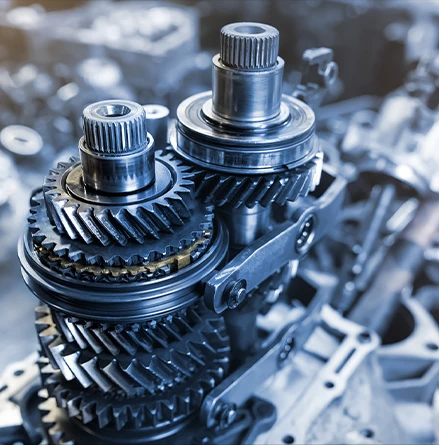
(gears different types)
FAQS on gears different types
Q: What are the most common types of gears used in machinery?
A: The most common gear types include spur gears, helical gears, bevel gears, worm gears, and planetary gears. Each serves distinct purposes, such as transmitting motion between parallel or intersecting shafts. Their designs vary based on load capacity, noise reduction, and efficiency needs.
Q: How do different types of gear teeth affect performance?
A: Gear teeth profiles, like involute, cycloid, or double helical, influence efficiency, noise, and torque handling. For example, helical teeth provide smoother operation than spur gears, while hypoid gears enable high torque transfer in automotive differentials. The choice depends on application-specific requirements.
Q: What distinguishes spur gears from other types of gears?
A: Spur gears have straight teeth parallel to the shaft axis, making them simple and cost-effective. They excel in low-speed, high-load scenarios but generate more noise compared to helical or herringbone gears. They’re commonly used in clocks, pumps, and conveyor systems.
Q: When are bevel gears typically used?
A: Bevel gears transmit power between intersecting shafts, usually at 90-degree angles. Straight bevel gears suit moderate speeds, while spiral bevel gears offer quieter, high-speed performance. They’re essential in automotive differentials, hand drills, and marine propulsion systems.
Q: What applications require worm gears?
A: Worm gears are ideal for high reduction ratios and unidirectional power transmission, such as elevators or conveyor brakes. Their self-locking feature prevents back-driving, enhancing safety. However, they have lower efficiency due to sliding friction between the worm and wheel.