




Understanding the Role and Impact of a Gears Factory in Modern Industry
When you hear "gears factory," what probably comes to mind is a bustling industrial hub where countless gears, those intricate toothed wheels, are produced for everything from cars to aerospace parts. But, frankly, the idea of a gears factory is far more pivotal to global manufacturing and supply chains than you might initially suspect. It’s not just about making mechanical parts; it’s about enabling the movement and power transmission that drive much of modern technology worldwide. Understanding gears factories matters because they sit at the beating heart of industries such as automotive, robotics, and energy — sectors crucial to economic development and innovation.
Globally, gears factories underpin numerous manufacturing ecosystems. According to the International Organization for Standardization (ISO), precision gear manufacturing must meet rigorous tolerances to ensure efficiency and longevity, impacting everything from the fuel efficiency of vehicles to the reliability of wind turbines. Moreover, as supply chain challenges ripple across continents, the resilience and adaptability of gears factories become essential to prevent disruptions that affect consumers everywhere.
What Is a Gears Factory and Why Does It Matter?
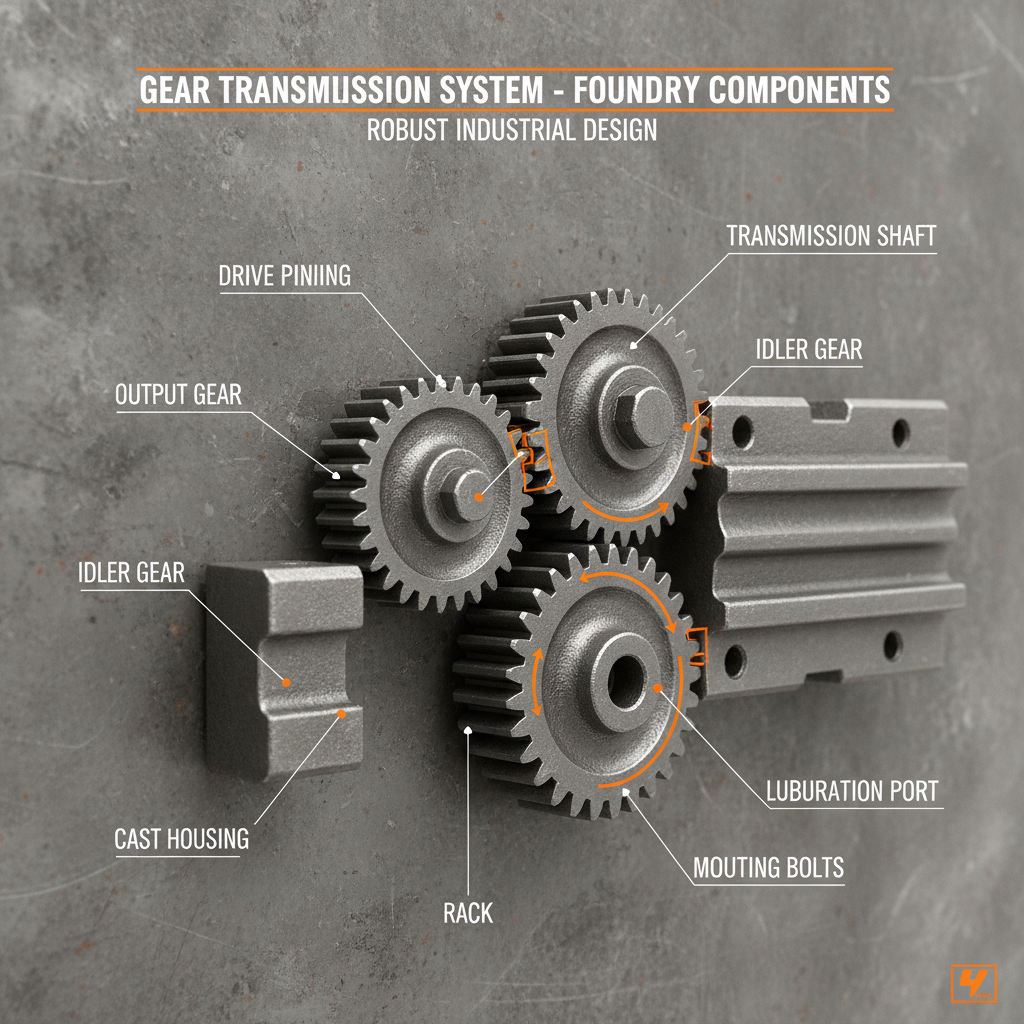
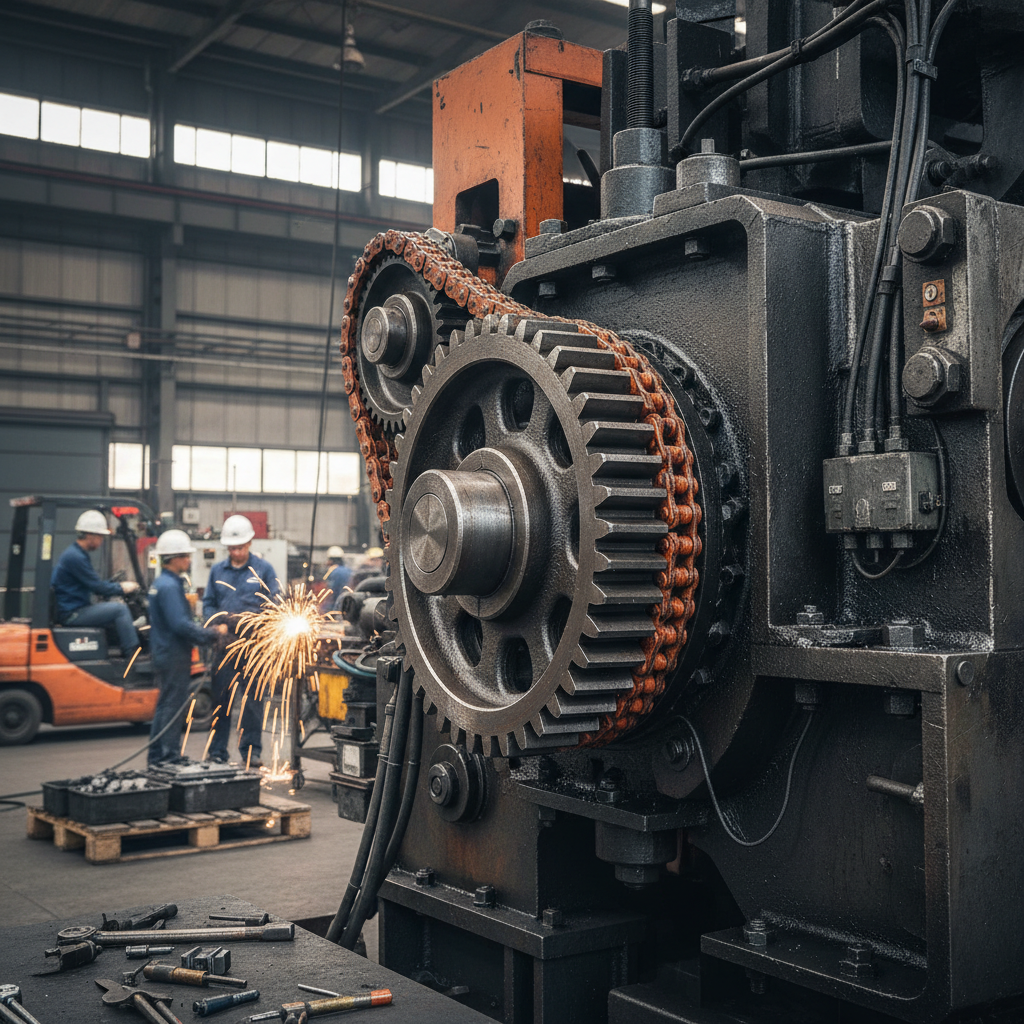
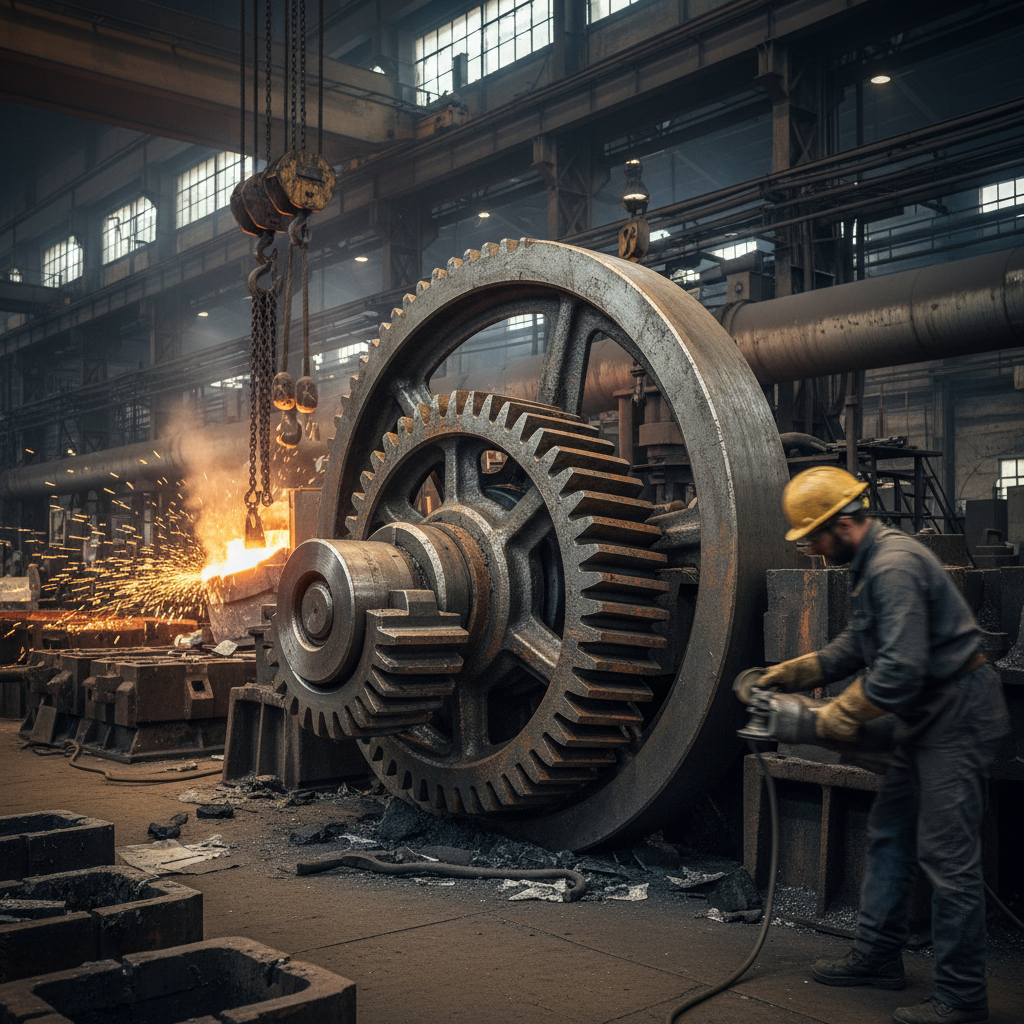
Simply put, a gears factory is a specialized manufacturing facility dedicated to the mass production of gears—those essential mechanical elements that interlock with other gears to transmit torque and speed in machines. The connection of gears translates rotational movement into practical outputs—whether that's moving a car’s wheels or operating industrial machinery. Their production demands high precision and quality control, factors critical to safety and performance in every application.
Beyond industrial use, gears factories indirectly support humanitarian efforts. For example, reliable agricultural machinery, which depends on gears, can enhance food production in developing regions, linking these factories to broader socio-economic benefits.
Core Components and Key Factors in Gears Factory Operations
1. Precision Engineering
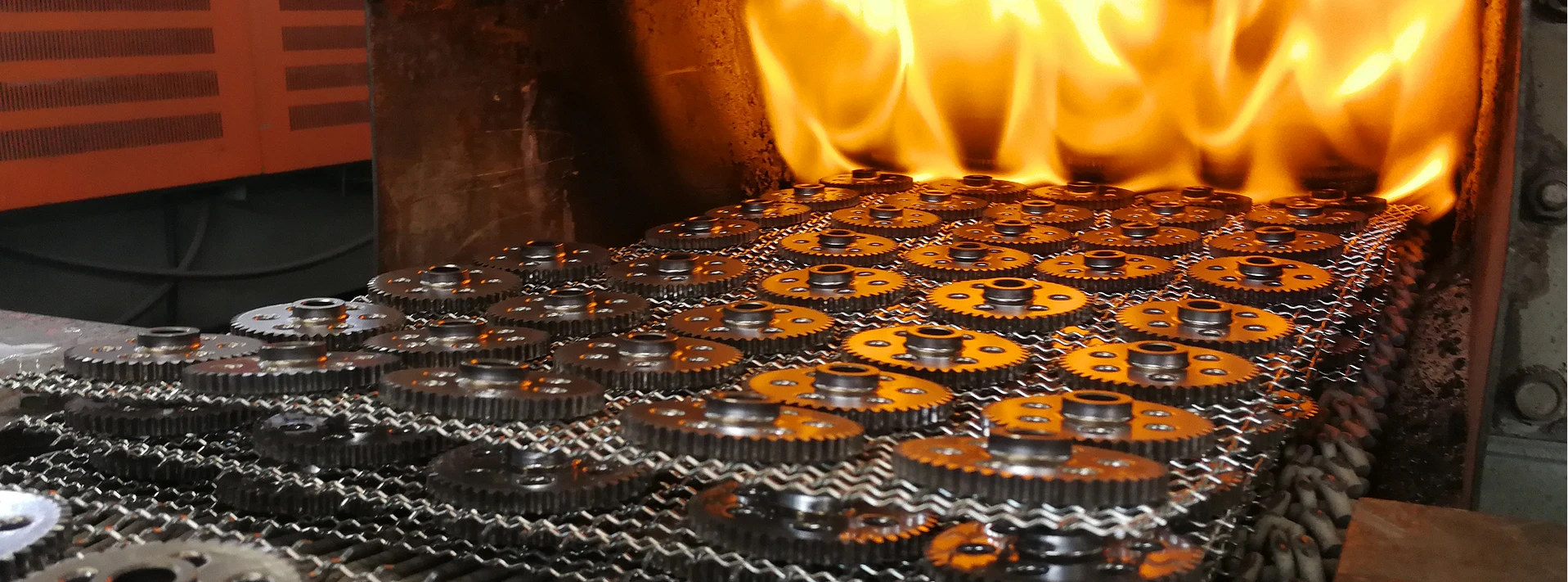
Gears require exact tooth geometry and smooth finishes to minimize energy loss and wear. This precision is often achieved with CNC machines and specialized heat treatments.
2. Durability and Material Selection
Choices, such as alloy steel or composite materials, influence the gear's strength and resistance to stress. Durability extends service life and reduces downtime in industrial applications.
3. Scalability of Production
A gears factory must balance between small custom orders and large volume output, employing modular machining centers adaptable to different types and sizes of gears.
4. Cost Efficiency
Streamlining production workflows and reducing waste directly affect unit cost, making gears more affordable without sacrificing quality.
5. Quality Control & Testing
Continuous inspection regimes, including 3D scanning and surface roughness analysis, ensure consistently high quality and compliance with standards.
Quick Takeaway:
Successful gears factories integrate precise engineering, smart materials, scalable processes, cost-effectiveness, and rigorous quality control — all to meet demanding industrial needs.
Global Applications and Real-World Use Cases
Gears are ubiquitous, but the factories that produce them often operate behind the scenes. In automotive hubs across Germany and Japan, gears factories feed assembly lines producing millions of vehicles annually. Meanwhile, in emerging markets, factories focused on agricultural machinery support critical food production systems.
Oddly enough, gears factories also serve remote industrial zones, such as mining operations in Australia or wind farms off the coast of Denmark, by manufacturing custom gears for harsh environments. During humanitarian crises, gears produced in factories might indirectly aid relief efforts through the machinery used for water pumps or temporary shelters.
Advantages and Long-Term Value of Investing in Gears Factory Solutions
- Reliability: High-quality gears reduce machine failure rates, ensuring operational stability.
- Cost Savings: Efficient gear production lowers maintenance and replacement expenses.
- Sustainability: Durable gears help extend equipment life, reducing waste.
- Innovation: Advanced gear designs enable breakthroughs in automation and energy efficiency.
- Social Impact: Supporting manufacturing hubs can boost local economies and job creation.
It feels like gears factories don’t get the spotlight they deserve, considering how much we rely on their output daily.
Future Trends & Innovations in Gears Factory Technology
The landscape is evolving with additive manufacturing (3D printing) making inroads, enabling rapid prototyping and parts customization. Digitally integrated factories use IoT sensors to monitor machinery health and automate adjustments in real time, boosting productivity while minimizing defects.
Materials innovation brings lighter, more wear-resistant composites into play, which also support green initiatives by improving energy efficiency in gear-driven systems such as electric vehicles.
Challenges and Solutions in Modern Gears Factory Operations
The challenges are, well, quite formidable: tight tolerances are hard to maintain at scale, machinery requires costly maintenance, and the workforce demands continual upskilling as CAD/CAM software grows more complex.
Innovations like AI-assisted quality checks and collaborative robots (cobots) help overcome these hurdles by increasing precision and reducing labor fatigue. Also, partnerships with suppliers and customers help gear factories co-develop custom solutions, tailoring processes to specific needs.
Technical Specifications of Typical Industrial Gears Produced
| Specification | Value |
|---|---|
| Material | Alloy Steel (e.g., 20MnCr5) |
| Heat Treatment | Carburizing and Quenching |
| Tooth Profile | Involute Spur or Helical |
| Diameter Range | 10 mm to 500 mm+ |
| Tolerance Grade | DIN 6 - 8 (ISO 1328) |
Vendor Comparison: Leading Gears Factory Solutions
| Factory | Precision Level | Production Capacity | Industry Focus | Automation Level |
|---|---|---|---|---|
| GearPro Inc. | DIN 6 | 100,000 units/month | Automotive, Aerospace | High |
| Precision Gears Ltd. | DIN 7 | 50,000 units/month | Industrial Machinery | Medium |
| EcoGear Systems | DIN 8 | 30,000 units/month | Renewable Energy, Robotics | High |
FAQ: Frequently Asked Questions About Gears Factory
Q1: What makes the quality control in a gears factory so critical?
Ensuring gears meet precise dimensional and surface finish standards is vital because minor deviations can cause significant mechanical failures, decreased efficiency, or noise in gear systems. Quality control processes such as CMM (Coordinate Measuring Machines) inspections help maintain this accuracy and reliability.
Q2: How do gears factories support sustainable manufacturing?
Many gears factories now incorporate energy-efficient machinery, recycle metal scrap, and optimize processes to reduce waste. Some also experiment with eco-friendly materials and coatings to extend gear life and performance, aligning with global sustainability goals.
Q3: Can gears factories handle custom orders for specialized industries?
Yes, modern gears factories often have flexible manufacturing setups capable of producing bespoke gears tailored to specific requirements—for example, specialized gears for aerospace or medical devices where unique sizes and materials are critical.
Q4: How long does it typically take to produce a batch of industrial gears?
The timeline varies by complexity and volume but generally ranges from a few days for small prototypes to several weeks for large production runs. Automated manufacturing and scheduling software help optimize these lead times.
Q5: Are gears from modern factories compatible with legacy machines?
In many cases, yes. Factories usually provide exact specifications and can produce replacement gears matching original dimensions and materials to ensure seamless integration with existing equipment.
Conclusion: Why Investing in Gears Factory Expertise Pays Off
To sum it up, gears factories are the unsung heroes enabling countless machines and vehicles to function efficiently and reliably. Their precision engineering, material science innovations, and smart automation bring long-term economic and ecological benefits. If your business or project depends on dependable mechanical parts, understanding the value and capabilities of a skilled gears factory is indispensable.
Curious to learn more about how industry-leading gears factories can help you achieve manufacturing excellence? Visit our website at https://www.jssintering.com for expert insights and solutions.
Final Takeaway:
Gears factories quietly power the industrial world — a remarkable blend of precision, innovation, and resilience that keeps machines turning and the economy moving forward.