






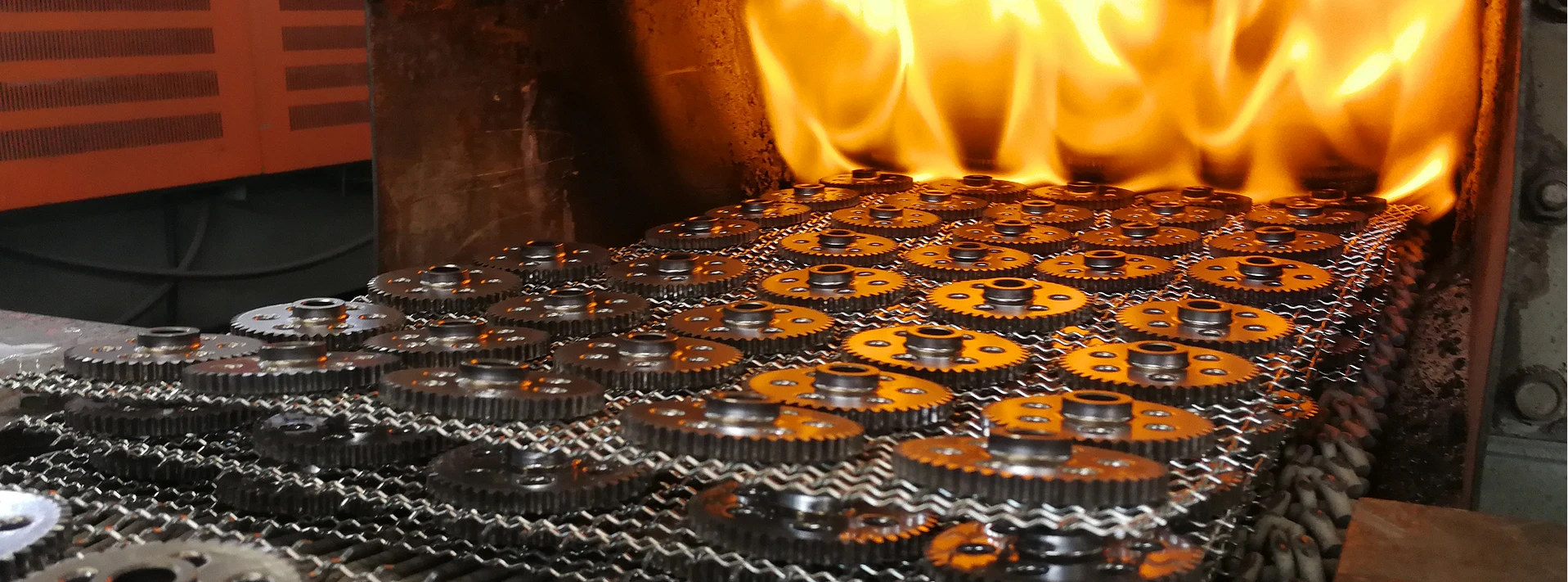
Understanding Hardened Gear: Why It Matters in a Connected World
If you haven’t stumbled across the term hardened gear before, you’re in for a small technical adventure. In essence, hardened gear refers to mechanical components that have undergone processes to increase their durability, wear resistance, and overall strength. Sounds rather straightforward, right? Yet its importance stretches far beyond just tougher parts spinning in machinery.
Globally, industries ranging from automotive manufacturing to humanitarian logistics rely on hardened gear systems to keep critical equipment running without failure. At a time when machinery uptime can directly influence supply chains, disaster relief efforts, and even infrastructure stability, understanding the benefits and applications of hardened gear isn’t just technical trivia — it’s a practical necessity.
Global Context: The Hidden Backbone of Industry and Relief Operations
To grasp the real-world impact of hardened gear, consider some eye-opening numbers. According to the International Organization for Standardization (ISO), component failure in essential machines can cause up to 20% production loss in heavy industries annually. Similarly, the United Nations Office for Disaster Risk Reduction highlights how equipment durability plays a pivotal role in rapid deployment of relief assets during emergencies.
Unfortunately, standard gears wear down quickly under demanding conditions — think about harsh weather, extreme loads, or corrosive environments. The industry’s challenge lies in preventing costly downtime without breaking the bank on replacements. That’s where hardened gear enters the scene as a solution, offering extended lifecycle and reliability across sectors worldwide.
Defining Hardened Gear: What Sets It Apart?
In simple terms, a hardened gear is a gear that has been heat-treated or surface-treated to increase its mechanical properties such as hardness, tensile strength, and resistance to wear and deformation. These gears can be found in everything from heavy machinery and automotive transmissions to renewable energy turbines and aerospace equipment.
What makes hardened gear particularly relevant today is its crucial role in modern industrial automation and humanitarian logistics. For example, reliable transmission gears in electric vehicle motors or robust conveyor components in medical supply chains depend on hardened gear technology to maintain smooth, uninterrupted operation—often in challenging environments.
Key Aspects of Hardened Gear and Their Practical Importance
Durability: Built to Last, Come What May
Hardened gears undergo processes like carburizing, nitriding, or induction hardening to improve their surface hardness. This treatment drastically reduces wear over time, an advantage that’s invaluable in heavy industry and remote installations where maintenance opportunities are scarce.
Precision: A Smooth and Quiet Operation
Thanks to specialized finishing techniques post-hardening, gears achieve tight tolerance levels and smoother surfaces. This translates into reduced noise, lower friction losses, and improved energy efficiency — all critical for applications like high-speed manufacturing lines or medical devices.
Cost Efficiency: Less Downtime, Lower Lifetime Costs
While upfront investment in hardened gears might be higher than standard ones, the extended lifespan and reduced failure rates make them cost-effective in the long run. Imagine replacing a gear every year versus once every five years — that’s not just equipment savings but also less disruption.
Corrosion Resistance: Ready for Harsh Environments
Many hardened gears incorporate surface treatments that also guard against corrosive elements — essential for marine, mining, or outdoor power generation equipment.
Scalability: From Small to Massive Systems
Hardened gear technology is adaptable to small precision gears used in robotics as well as large industrial gears driving heavy machinery — a flexibility that cuts across many industrial needs.
Customization: Tailored Solutions for Unique Challenges
Advanced manufacturing now allows gearmakers to customize hardening profiles and material blends according to specific workload demands and environmental conditions, ensuring optimal performance every time.
Global Applications of Hardened Gear: Where the Rubber Meets the Road
Industries across the globe depend heavily on hardened gear technology. Consider these diverse examples:
- Automotive Manufacturing: Hardened gears in transmission systems reduce wear from shifting stresses, leading to smoother rides and longer vehicle lifespans.
- Renewable Energy: Wind turbines use hardened gears to withstand constant rotational stress and harsh weather, especially in offshore installations.
- Humanitarian Relief: During post-disaster operations, equipment with hardened gears ensures reliable deployment of essential resources such as water pumps and heavy-load transport.
- Mining & Construction: Operations rely on hardened gears to survive abrasive conditions underground or on building sites.
- Aerospace: Precision hardened gears are critical in aircraft components, ensuring safety and performance at high altitudes.
Interestingly, regions like Asia-Pacific and Europe dominate in manufacturing and deploying hardened gear due to their strong industrial bases, but demand is growing rapidly in emerging markets supporting infrastructure expansion.
Advantages and Long-Term Value of Opting for Hardened Gear
One could argue hardened gear is not just a technical upgrade, but a strategic asset that brings both peace of mind and numerous tangible benefits:
- Reliability & Safety: Keeping machines running smoothly prevents accidents and costly failures.
- Cost Savings: Fewer replacements and less downtime translate into savings that protect a company’s bottom line.
- Sustainability: Longer-lasting parts reduce waste and resource consumption — an environmentally smart choice.
- Innovation Momentum: Companies adopting hardened gear technologies often lead in automation and Industry 4.0 initiatives.
- Social Impact: Reliable machinery in humanitarian and infrastructure projects improves lives, supports dignity, and fosters community resilience.
Hardened Gear Product Specifications
| Specification | Typical Value | Application Notes |
|---|---|---|
| Material | Alloy Steel (e.g. 8620, 4140) | Chosen for toughness and hardenability |
| Hardening Methods | Carburizing, Induction, Nitriding | Depends on gear size and function |
| Surface Hardness | 58-65 HRC (Rockwell Hardness) | Ensures wear resistance |
| Gear Size Range | 10mm - 2m Diameter | From small motors to industrial mills |
| Surface Finish | Ra 0.4 - 1.6 μm | Smoothness critical for quiet operation |
Vendor Comparison: Top Hardened Gear Providers at a Glance
| Vendor | Specialty | Typical Lead Time | Price Level | Customization Options |
|---|---|---|---|---|
| GearWorks Inc. | High-precision small gears | 2-4 weeks | Mid-range | Extensive metallurgical tailoring |
| PowerSpin Ltd. | Heavy-duty large gears | 6-8 weeks | Premium | Modular design & profile grinding |
| Global Gear Solutions | Mid-size industrial gears | 4-6 weeks | Competitive | Standard & custom heat treatment packages |
Future Trends: What’s Next for Hardened Gear?
As we step further into the era of Industry 4.0 and sustainability targets, hardened gear technology is evolving alongside. Researchers are exploring advanced surface coatings using nanomaterials to push wear resistance even further. Digital modeling (like finite element analysis) is accelerating custom gear design, reducing testing cycles and costs.
In green energy sectors, lightweight yet hardened composite gears may soon replace traditional steels, making turbines more efficient. At the same time, automation — including robotic assembly and condition monitoring — promises to make gear maintenance predictive rather than reactive.
Common Challenges and How They're Being Tackled
No technology is perfect. With hardened gears, challenges often include upfront cost barriers and difficulty in retrofit applications due to size constraints or heat treatment distortions.
However, manufacturers now offer more modular, cost-adjusted solutions and improved heat treatment methods that minimize distortion. Collaboration between gear makers and end users during the design phase also helps optimize lifecycle performance — an approach that’s being increasingly embraced worldwide.
FAQ: Your Hardened Gear Questions Answered
Q1: How does hardened gear improve machine longevity compared to standard gears?
A1: Hardened gear has a much tougher surface that resists wear, pitting, and deformation under load, extending the operational life by up to 3-5 times in many cases. This means fewer replacements and less downtime in critical applications.
Q2: Can hardened gears be customized for specific industrial uses?
A2: Absolutely. Modern heat treatment and metallurgical techniques allow manufacturers to tailor hardness depth, materials, and finishes based on factors like load, speed, and environment, ensuring optimal performance.
Q3: Are hardened gears cost-effective for small businesses?
A3: While initial costs might be higher, the reduction in maintenance and replacement expenses often makes hardened gears a smart investment, even for smaller operations looking to improve uptime.
Q4: Where can I find reliable manufacturers for hardened gears?
A4: Leading providers vary depending on your size and application needs. Checking specialized suppliers who offer custom solutions and quality certifications is key. Also consider local firms for quicker delivery and service.
Final Thoughts and Where to Go Next
Choosing hardened gear isn’t merely about picking tougher parts; it’s about investing in reliability, efficiency, and sustainability that benefits your operations and the communities they serve in the long run. It feels like a smart, forward-thinking decision — one that aligns with global trends towards stronger, safer, and more responsible industrial practice.
Want to explore quality hardened gear options? Visit our website: hardened gear for detailed product offerings and expert guidance.









