






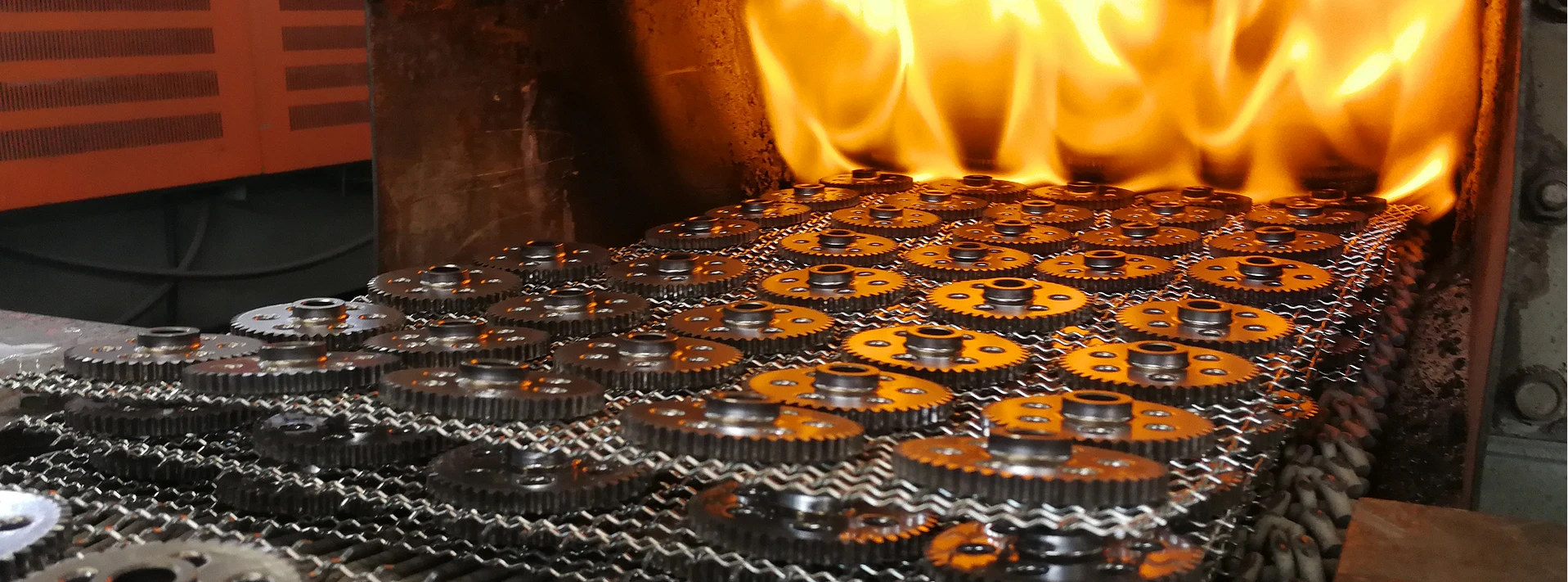
Gears for Machinery: The Unsung Heroes Powering Industries Worldwide
When you turn on a machine or feel the hum of industrial equipment, gears are silently at work behind the scenes. These seemingly simple components — gears for machinery — are central to countless industries globally, shaping economies and even humanitarian efforts. Understanding them is not just a matter of mechanics; it’s about appreciating how societies move, build, and progress.
Introduction: Why Do Gears for Machinery Matter Globally?
It might surprise you, but the global machinery market relies heavily on quality gears. According to a recent International Organization for Standardization (ISO) report, gears account for nearly 30% of mechanical components used in industrial manufacturing worldwide (1). This demand reflects growing industrialization in Asia, Europe, and the Americas. However, a big challenge remains: many regions struggle with sourcing durable, scalable, and cost-effective gears, hampering machinery reliability and maintenance downtime.
For instance, the World Bank highlights how manufacturing slowdowns in developing economies often link back to subpar gear components causing frequent breakdowns (2). In humanitarian scenarios, such as disaster relief and rebuilding, robust gear for machinery can literally save lives by powering mobile generators, water pumps, and construction equipment efficiently.
Mini takeaway: Gears are not just mechanical parts; they are vital cogs that keep industry, infrastructure, and humanitarian aid moving forward worldwide.Defining 'Gear for Machinery'
So, what exactly is “gear for machinery”? In simple terms, gears are toothed wheels that mesh with others to transmit torque and rotational motion within machines. Think of them as the translators between a motor’s power and actual movement in devices ranging from conveyor belts to agricultural tractors. The quality, design, and material of these gears dictate how smoothly and reliably machinery operates, often under intense stress and varying conditions.
In modern times, gears link not only to industrial processes but also to humanitarian needs. For example, robust gears power water extraction systems in remote areas or scale construction efforts for emergency shelters in post-disaster zones. Their role blends seamlessly between economic development and urgent global assistance.
Core Aspects of Gears for Machinery
1. Durability
Durability is king when it comes to gears used in heavy machinery. Whether it's mining equipment or automated factories, gears must resist wear, corrosion, and thermal stress. Many engineers swear by hardened steel and advanced surface treatments like carburizing or nitriding to extend gear life—roughly twice or thrice longer than untreated parts.
2. Scalability and Customization
Not all machinery uses the same size or type of gear. The ability to scale gear production—small precision gears or giant industrial ones, customized by tooth profile and pitch—can mean the difference between seamless integration and costly retrofit. Custom gear solutions enable sectors like aerospace, automotive, and construction to meet unique performance specs.
3. Cost Efficiency
Of course, cost plays a major role. But cost-efficiency isn’t just about low price tags; it’s about value over time. Durable gear reduces downtime, maintenance, and energy losses. Even small improvements—in tolerances or materials—can translate into significant savings at scale.
4. Material Innovation
Interestingly, advances in composite materials and 3D metal printing are beginning to reshape gear manufacturing. Lighter, stronger, or corrosion-resistant gears open new possibilities, especially in sustainable machinery designs looking to cut greenhouse gas emissions.
5. Precision & Testing
The precision of gear teeth alignment and finishing impacts noise, vibration, and overall energy transmission. Manufacturers often use laser-based measurements and finite element analysis (FEA) during design and quality control stages to ensure optimal function.
Mini takeaway: Developing gears is a balancing act of durability, customization, cost, materials, and precision — each a puzzle piece to reliable machinery.Versatile Applications of Gears for Machinery Around the Globe
Across continents and industries, gears are embedded in ways you might not realize:
- Manufacturing Hubs: Countries like Germany and Japan manufacture highly specialized gears that power automotive assembly lines and robotic arms.
- Agriculture in Africa: Durable gearboxes in irrigation pumps and harvesters support food security in drought-prone areas.
- Energy Sector: Wind turbines and hydroelectric plants rely on robust gearing systems to translate natural forces into electrical power.
- Disaster Response: Humanitarian NGOs deploy machinery loaded with reliable gears for water purification and mobile medical units during crises.
Oddly enough, some remote industrial zones prefer older but proven gear designs that are easier to maintain on-site, rather than cutting-edge tech which requires specialized tools.
Product Specification Table: Typical High-Performance Gear for Machinery
| Specification | Details |
|---|---|
| Material | Hardened alloy steel (AISI 4140) |
| Surface Treatment | Carburizing and quenching |
| Module (Tooth Size) | 3 mm to 10 mm (customizable) |
| Maximum Torque | Up to 5000 Nm |
| Operating Temperature | -40°C to +120°C |
| Expected Lifespan | Up to 15 years (with maintenance) |
Comparing Key Gear Vendors
Finding the right vendor is no small task. Here’s a quick comparison of notable suppliers in the machinery gear space:
| Vendor | Specialization | Minimum Order | Lead Time | Customization |
|---|---|---|---|---|
| JSS Sintering Technologies | High-performance sintered gears for machinery | 100 units | 4-6 weeks | Extensive (material, size, surface) |
| AlphaGear Industries | Custom automotive and industrial gears | 250 units | 6-8 weeks | Moderate |
| Global Gearworks | Mass production, economical gear sets | 1000+ units | 3-5 weeks | Limited |
Advantages and Long-Term Value of Quality Gears
Investing in strong, reliable gear for machinery pays dividends way beyond the bottom line. There’s an intangible peace of mind when machines run smooth, and workers can trust their tools daily. Companies save money by reducing downtime and cutting repair costs. More so, greener gear technologies reduce energy consumption, aligning with global sustainability goals.
In community terms, better gears empower local industries, create jobs, and improve infrastructure resilience. That connection between technical specs and social impact is what fascinates me, honestly — we often forget the human side of mechanical parts.
Looking Ahead: Future Trends and Innovations
The future for gears in machinery looks quite dynamic. Advances in additive manufacturing (3D printing) enable rapid prototyping and bespoke production with less waste. Additionally, materials science is exploring composites and ceramics for corrosion resistance and lightweight designs, critical for electric vehicles and renewable energy machines.
Digitally, “smart gears” embedded with sensors can monitor wear in real-time, predicting maintenance needs before failure. This ties into Industry 4.0 and the broader digital transformation sweeping manufacturing. Plus, many vendors now prioritize eco-friendly coatings and lubricants to reduce environmental impact.
Challenges and How Industry Experts Are Addressing Them
Of course, challenges remain—especially balancing cost and customization, or sourcing materials sustainably without driving prices up. Global supply chain disruptions also add complexity. Many companies now invest more in local sourcing and flexible manufacturing techniques.
Besides, maintenance of gear-driven systems in harsh environments can be tricky without skilled technicians. Training and digital support tools are increasingly filling that gap, helping even remote operators maintain top gear performance.
FAQ: Frequently Asked Questions About Gear for Machinery
- Q1: What factors should I consider when choosing gears for heavy machinery?
- A: Key factors include load capacity, material durability, precision, and the operating environment (temperature, humidity). Customization options and cost also play important roles depending on application scale.
- Q2: How does gear quality impact machinery maintenance schedules?
- A: Higher-quality gears typically reduce wear, leading to less frequent maintenance and longer intervals between overhauls. This minimizes downtime and operating costs over time.
- Q3: Can gears for machinery be customized for specific industries?
- A: Absolutely. Manufacturers often offer custom tooth profiles, sizes, and materials tailored to automotive, agricultural, or energy sectors to optimize performance and lifespan.
- Q4: What innovations are improving sustainability in gear manufacturing?
- A: Innovations include using recycled metals, advanced coatings to reduce lubricant needs, and additive manufacturing to minimize material waste.
Conclusion: Why Investing in Gears for Machinery Matters
In the long run, quality gear for machinery underpins industrial reliability, economic growth, and even humanitarian aid effectiveness. They’re small but mighty heroes that ensure everything from factories to disaster response units run smoothly and efficiently. Whether you're an engineer sourcing parts or a MRO planner, understanding the nuances of gears can make all the difference in your projects.
If you want to explore cutting-edge, customizable gear solutions, I highly recommend checking out gear for machinery specialists like JSS Sintering Technologies, who blend innovation with practical expertise.
Mini takeaway: Reliable gears power more than machines—they drive progress worldwide. Choosing wisely today means smoother operation tomorrow.References
- International Organization for Standardization. "Mechanical components usage statistics, 2023."
- World Bank. "Impact of component quality on manufacturing output, 2022."
- ISO 1328-1:2017 - "Cylindrical gears — ISO system of accuracy — Part 1: Definitions and allowable values of deviations relevant to corresponding flanks of gear teeth."









