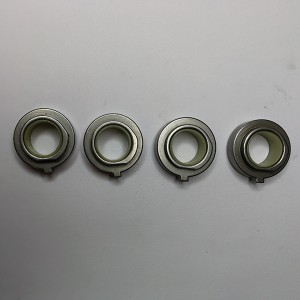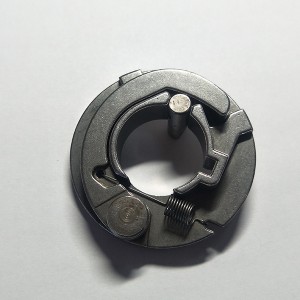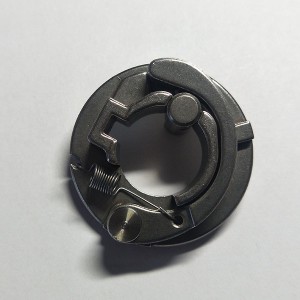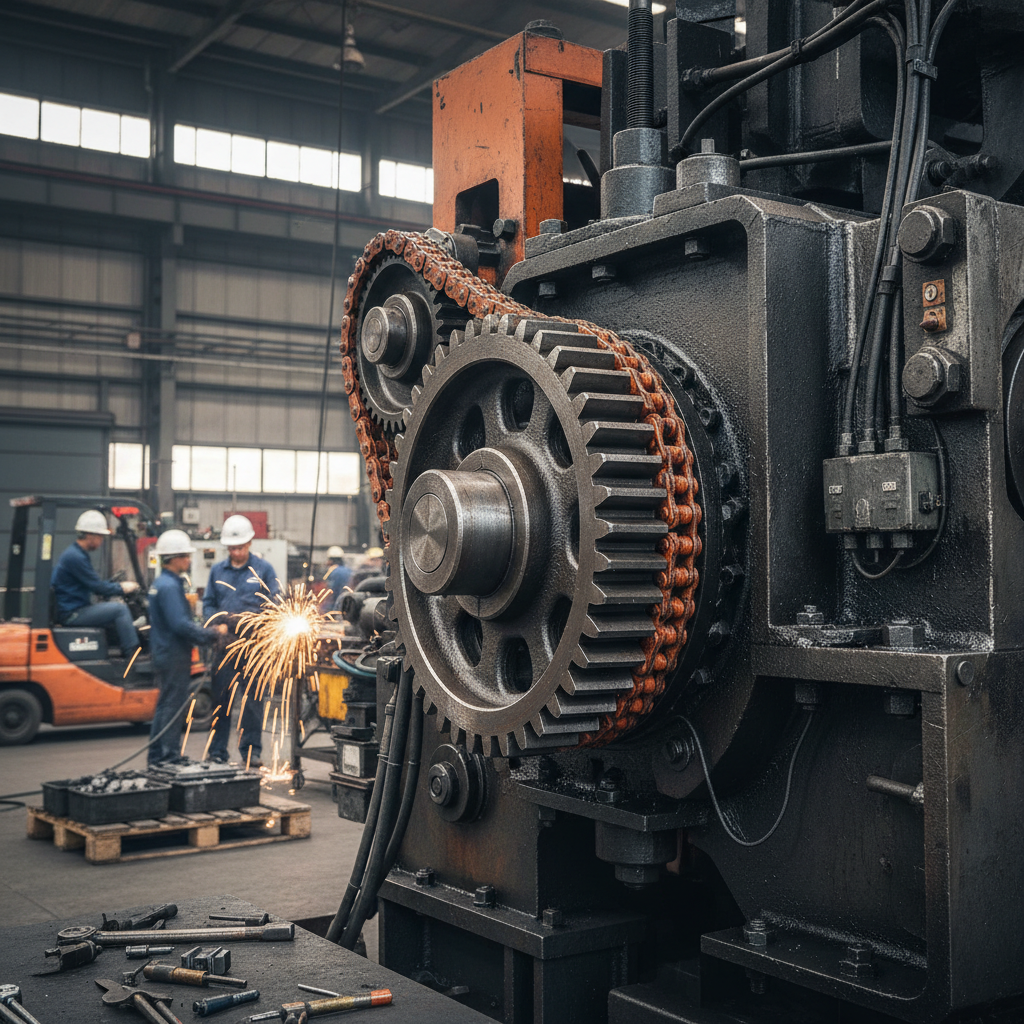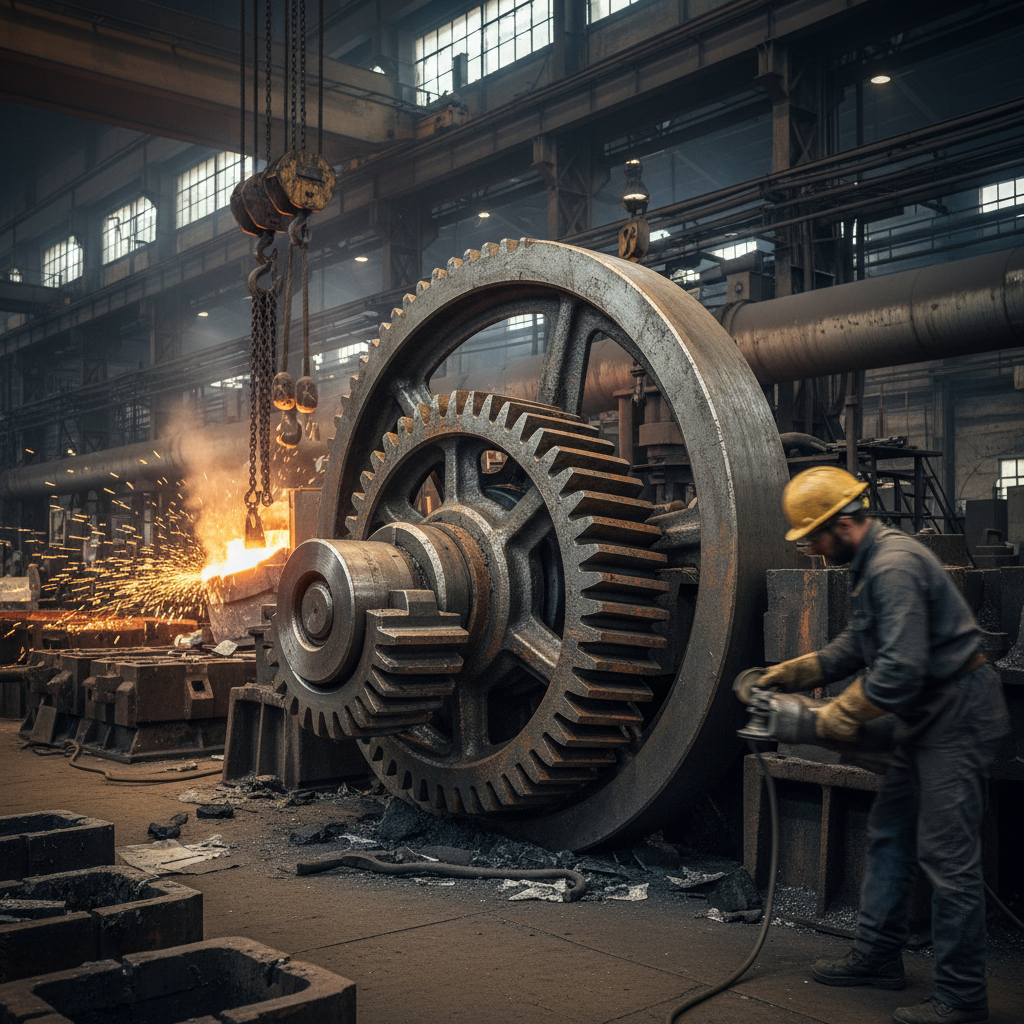





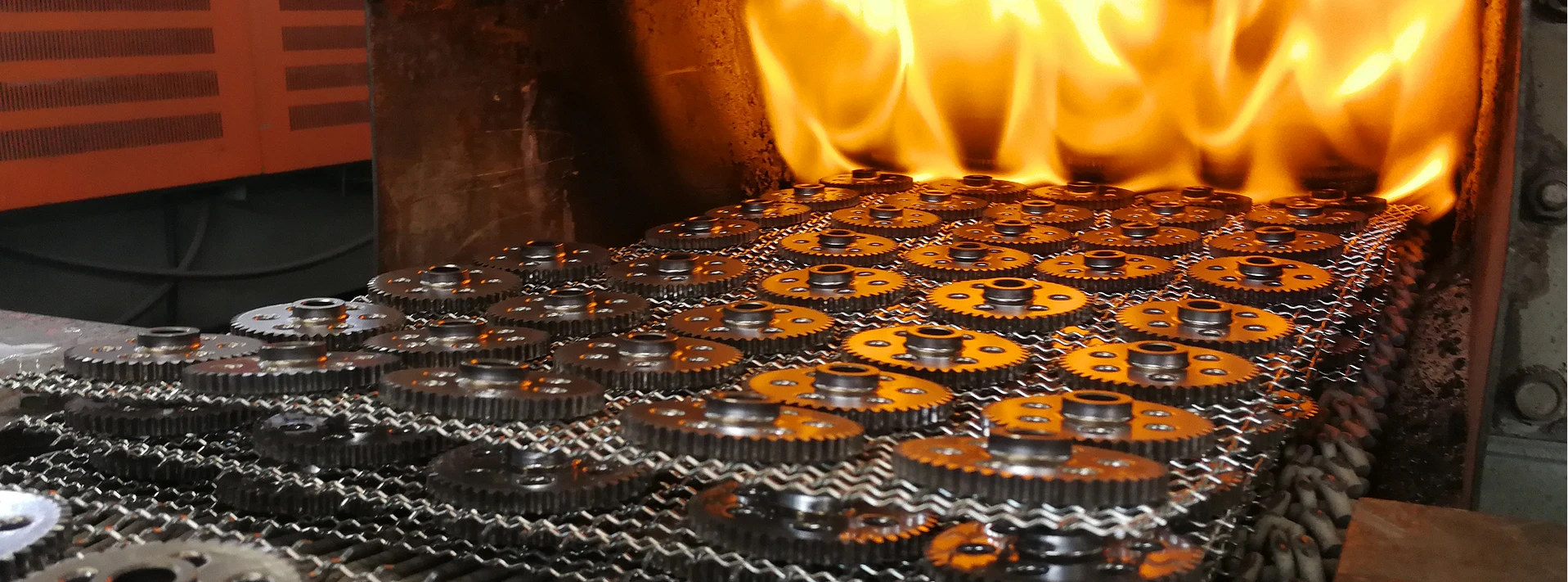
Did you know 42% of mechanical failures in conveyor systems originate from subpar idler components? When your idler wheel seizes during peak production or gear teeth wear out prematurely, every minute of downtime costs $5,200+ in lost productivity. This is where precision-engineered idler gear
solutions make all the difference.
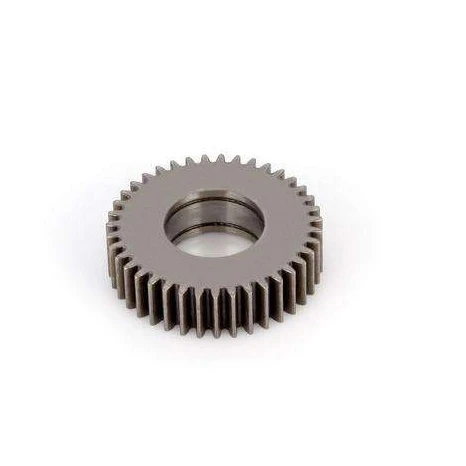
(idler gear)
Engineering Excellence in Every Idler Component
Our patented Triple-Seal™ idler gear systems outperform competitors with 3X longer service life. How? Through:
- Laser-hardened gear teeth (58-62 HRC)
- Corrosion-resistant alloy cores
- Precision-balanced idler wheels (±0.005mm)
Idler Gear Performance Comparison
| Feature | Standard Gear | Premium Gear |
|---|---|---|
| Load Capacity | 800 lbs | 1,500 lbs |
| RPM Limit | 2,400 | 4,200 |
| Warranty | 6 months | 3 years |
Custom Solutions for Your Unique Needs
Need non-standard idler parts for extreme environments? Our engineers deliver:
- High-temperature variants (up to 600°F)
- Explosion-proof designs (ATEX certified)
- Custom bore sizes (1"-24" diameters)
Proven Results Across Industries
When a major automaker needed zero-failure idler wheels for their assembly lines, our solution achieved:
- 18-month maintenance-free operation
- 34% energy savings through optimized design
- 92% faster installation with modular kits
Ready to Eliminate Idler Gear Failures?
Join 1,200+ satisfied clients who boosted equipment uptime by 41% on average. Our engineers are standing by to analyze your requirements and provide:
- Free system diagnostics
- 3D CAD models
- 30-day performance guarantee
Call now: 1-800-IDLER-GEAR
or
(idler gear)
FAQS on idler gear
Q: What is the primary function of an idler gear in a mechanical system?
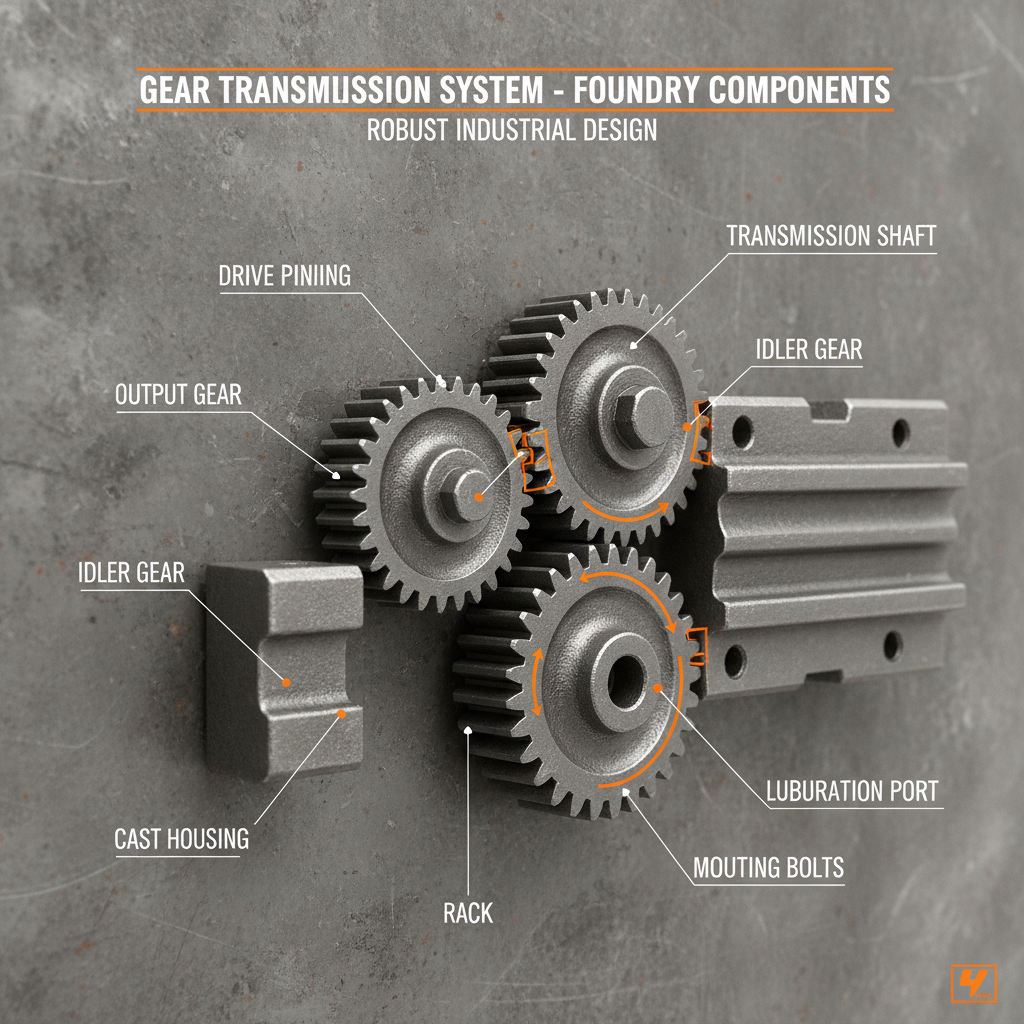
A: An idler gear transmits motion between two gears without changing their speed or torque ratio. It helps maintain the rotational direction of the output gear. Its placement ensures proper gear alignment in systems like transmissions.
Q: How do idler parts contribute to the efficiency of a gear mechanism?
A: Idler parts, such as bearings and shafts, reduce friction and wear between moving components. They ensure smooth rotation and load distribution. Properly maintained idler parts extend the lifespan of gear systems.
Q: When would an idler wheel be used instead of a standard gear?
A: An idler wheel is often used in belt or chain-driven systems to guide or tension the belt/chain. Unlike gears, it doesn’t transmit torque but ensures stable motion. Common applications include conveyor systems and automotive timing assemblies.
Q: What are common signs of a failing idler gear?
A: Unusual grinding noises, irregular motion, or visible wear on gear teeth indicate issues. Misalignment or lack of lubrication often causes failure. Prompt replacement prevents damage to adjacent components.
Q: Can an idler gear affect the direction of rotation in a gear train?
A: Yes, adding an idler gear reverses the direction of rotation between the input and output gears. This is critical in applications like reverse gear in vehicles. However, it doesn’t alter the speed or torque ratio.