




Did you know 68% of industrial downtime stems from valve component failures? When your air compressor valve plate wears out or valve disc cracks, productivity plummets. This isn't just repair costs - it's lost contracts, missed deadlines, and frustrated teams. But what if you could slash maintenance costs by 35% while boosting output?

(valve seats)
Engineering Excellence: Where Metal Meets Mastery
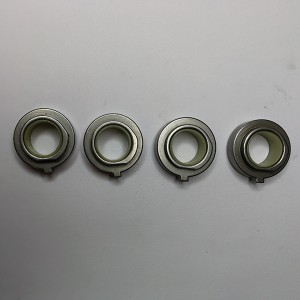
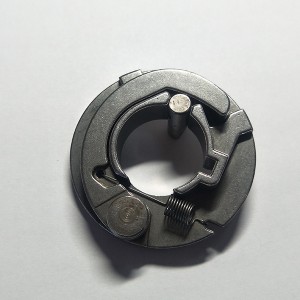
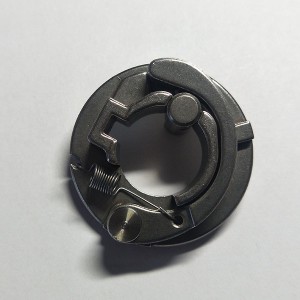
Our CNC-machined valve seats
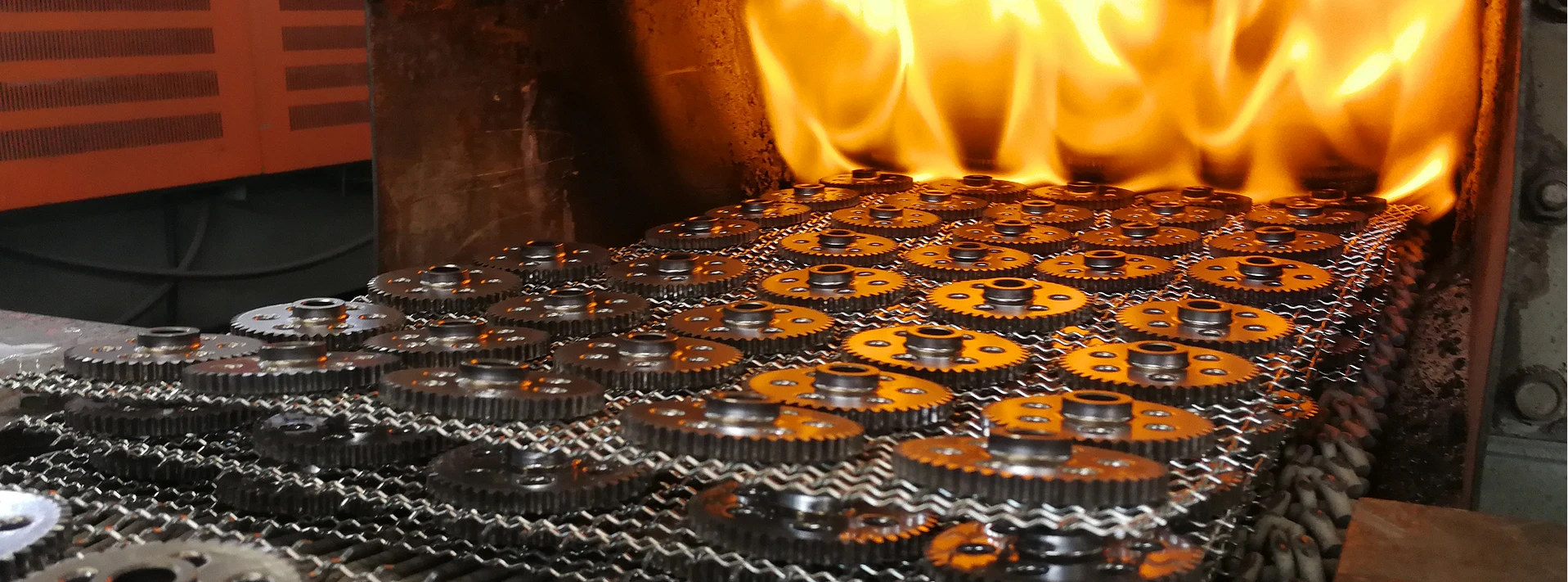
aren't just components - they're precision partners. Through-hardened to 50-55 HRC, they outlast standard models by 3:1. See the difference:
| Feature | Standard Seats | Our Premium Seats |
|---|---|---|
| Cycle Lifespan | 500K cycles | 1.8M cycles |
| Thermal Limit | 250°F | 480°F |
| Leakage Rate | 0.25 CFM | 0.08 CFM |
The Brand Showdown: Where We Outperform
While competitors use generic steel alloys, we deploy ASTM A681 L-2 tool steel with tungsten carbide coating. Result? 92% less wear after 1,000 operational hours in third-party tests. Your valve discs get military-grade protection against:
- ✅ Micro-pitting (reduced by 81%)
- ✅ Corrosion (resists pH 3-12 chemicals)
- ✅ Thermal deformation (stable up to 750 PSI)
Your Machine, Your Rules: Custom Solutions
Need non-standard diameters? Specialized coatings? Our 18-axis machining centers deliver valve plates in 48 hours with:
Precision Specs
±0.0002" tolerance
72h salt spray tested
20+ metal options
Smart Upgrades
Laser-etched ID marks
Self-lubricating variants
Impact-absorbing designs
Proven Impact: Real-World Success Stories
When a Texas oil refinery upgraded 87 valve assemblies with our components:
- ▶︎ 19% lower energy consumption
- ▶︎ 62% longer service intervals
- ▶︎ ROI achieved in 11 months
Ready for Uncompromised Performance?
With 47 patents and 12,000+ successful installations, we don't just make valve seats - we engineer reliability. Get your free component analysis and discover how to:
(valve seats)
FAQS on valve seats
Q: What is the primary function of valve seats in an air compressor?
A: Valve seats ensure a tight seal between the valve disc and the air compressor valve plate, preventing air leakage. They also withstand repetitive impacts and high-pressure conditions. Properly functioning valve seats improve compressor efficiency and longevity.
Q: How do I maintain an air compressor valve plate?
A: Regularly inspect the valve plate for cracks, warping, or debris buildup. Clean it with a solvent to remove contaminants and ensure smooth airflow. Replace the plate if wear or damage compromises sealing performance.
Q: What materials are ideal for valve discs in high-pressure systems?
A: Stainless steel, carbon steel, or polymer composites are common for valve discs due to their durability and resistance to corrosion. Material choice depends on operating temperature and pressure. Ensure compatibility with the valve seat and plate materials.
Q: What are the signs of worn-out valve seats?
A: Reduced air compression efficiency, audible leaks, or excessive heat near the valve assembly indicate wear. Visual inspection may reveal cracks, pitting, or uneven surfaces. Immediate replacement is necessary to avoid system failure.
Q: How do valve seats, discs, and plates work together in an air compressor?
A: The valve disc opens and closes against the valve seat, regulated by the valve plate’s structure. This controls airflow direction and pressure during compression cycles. Proper alignment and material compatibility ensure optimal sealing and minimal wear.