The Quiet Powerhouse: Understanding High Precision Double Gear
In the nuts and bolts of modern machinery, certain components quietly do the heavy lifting without much fanfare. Among these unsung heroes is the high precision double gear. Why should this matter to you—whether you’re in manufacturing, engineering, or even humanitarian logistics? Well, these gears form the very backbone of countless machines powering industries worldwide, from automotive to aerospace and beyond. Getting a grip on what high precision double gears mean opens a window into how we can optimize reliability, efficiency, and innovation in vital mechanical systems.
Why the World Needs High Precision Double Gears Now More Than Ever
Globally, the demand for high precision components only keeps rising, driven by the push for smarter, smaller, and more efficient machines. According to the International Organization for Standardization (ISO), manufacturing tolerance levels are tightening every year, reflecting a global push for quality and standardization. Plus, the World Bank recently highlighted how high-tech manufacturing contributes roughly 20% to global GDP in developed economies. Yet, a pressing challenge remains: how do we marry precision with cost-effectiveness and durability? Enter the high precision double gear—engineered to tackle exactly these issues, balancing ultra-fine tolerances with strength and scalability.
What Exactly Is a High Precision Double Gear?
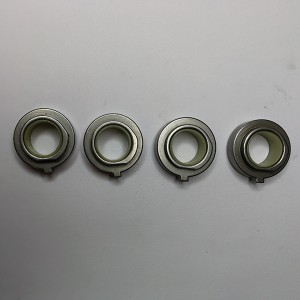
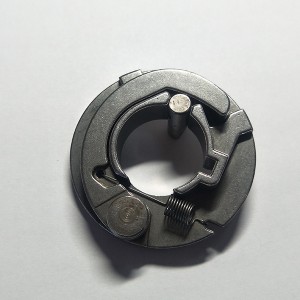
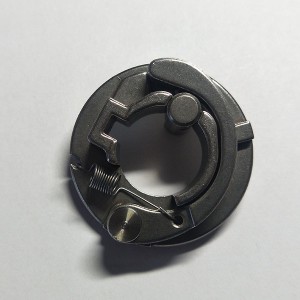
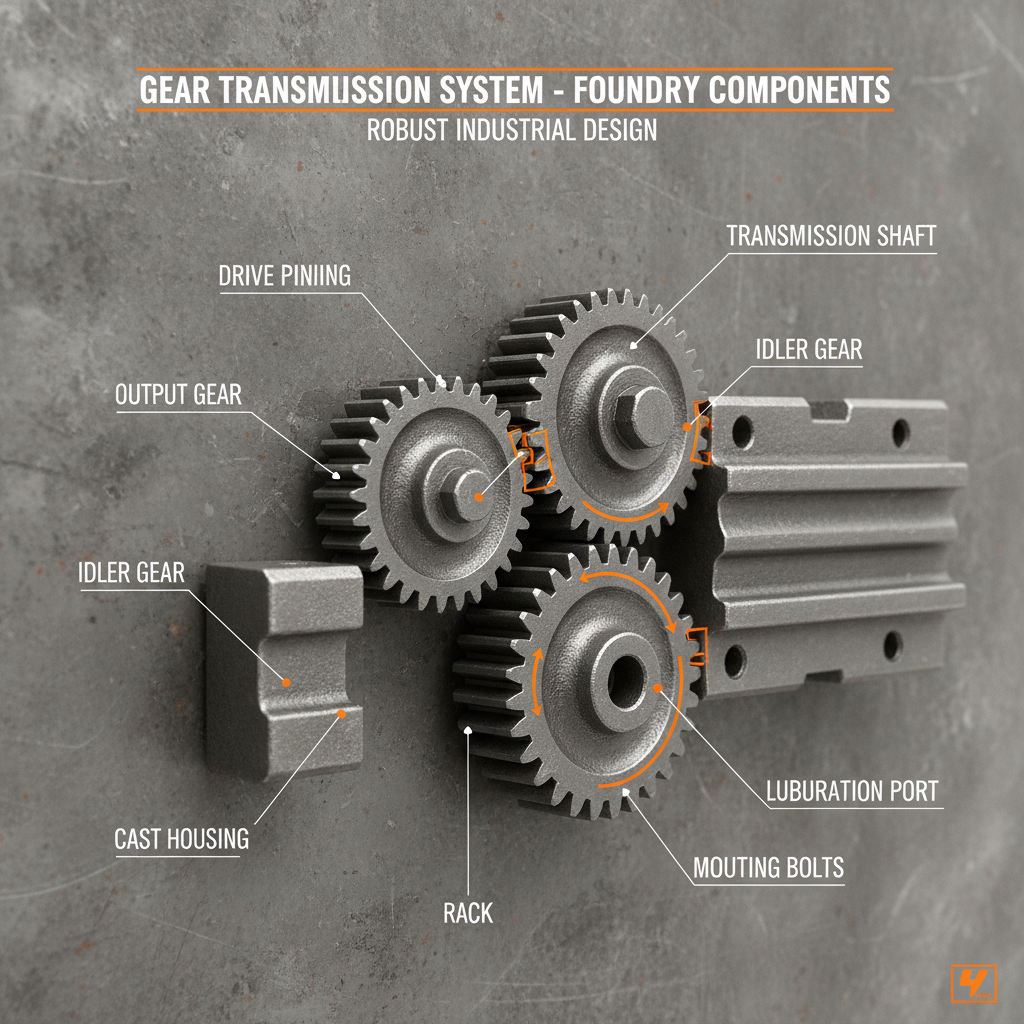
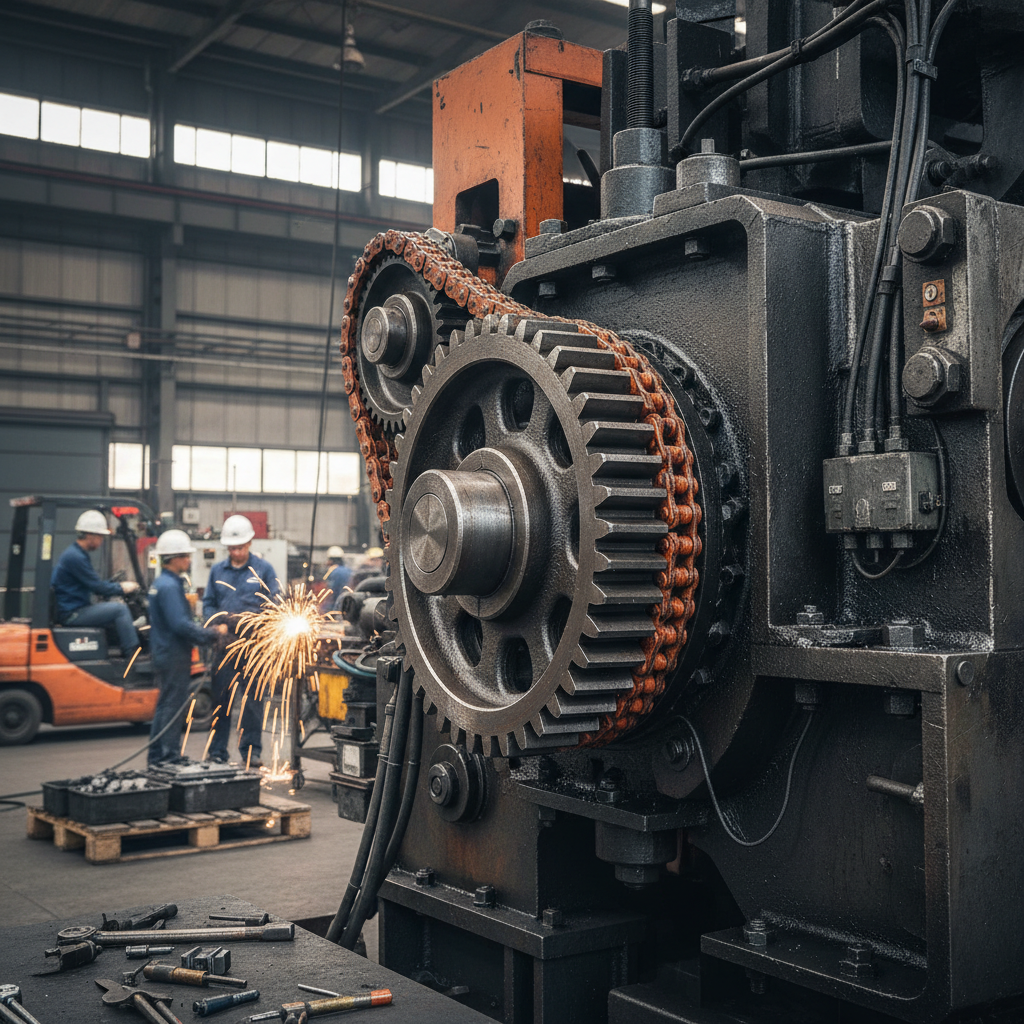
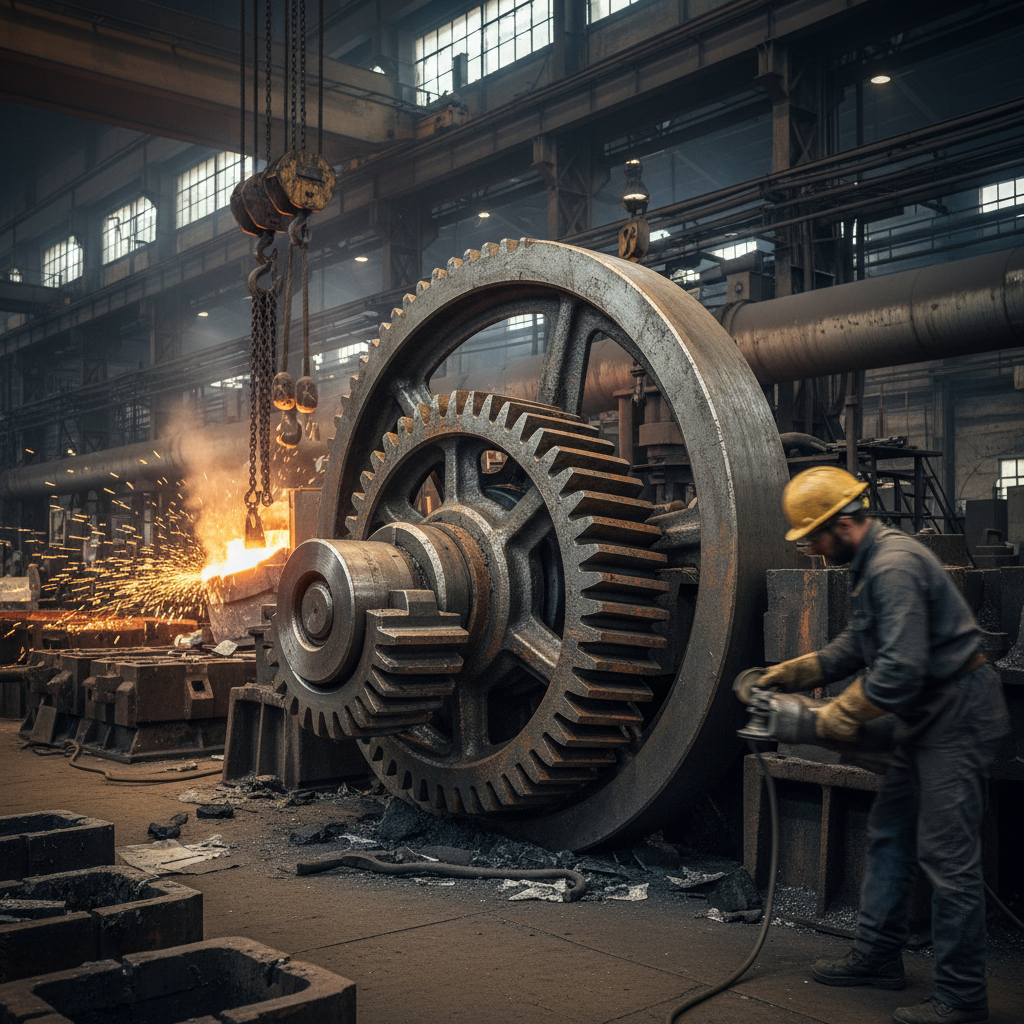
Put simply, a high precision double gear is a pair of finely machined gears designed to work in tandem, offering exceptional accuracy in torque transfer and rotational synchronization. Unlike single gears, these double assemblies help reduce backlash and increase load-bearing capacity, facilitating smoother motion in complex machinery. These gears aren’t just mechanical curiosities—they’re central to fields where precision impacts safety and performance, such as robotics, aerospace, and medical devices. Oddly enough, the humanitarian sector has also tapped these gears for aid equipment, such as rapid-response machinery in disaster zones, underscoring their broad relevance.
Key Components That Define High Precision Double Gears
1. Durability
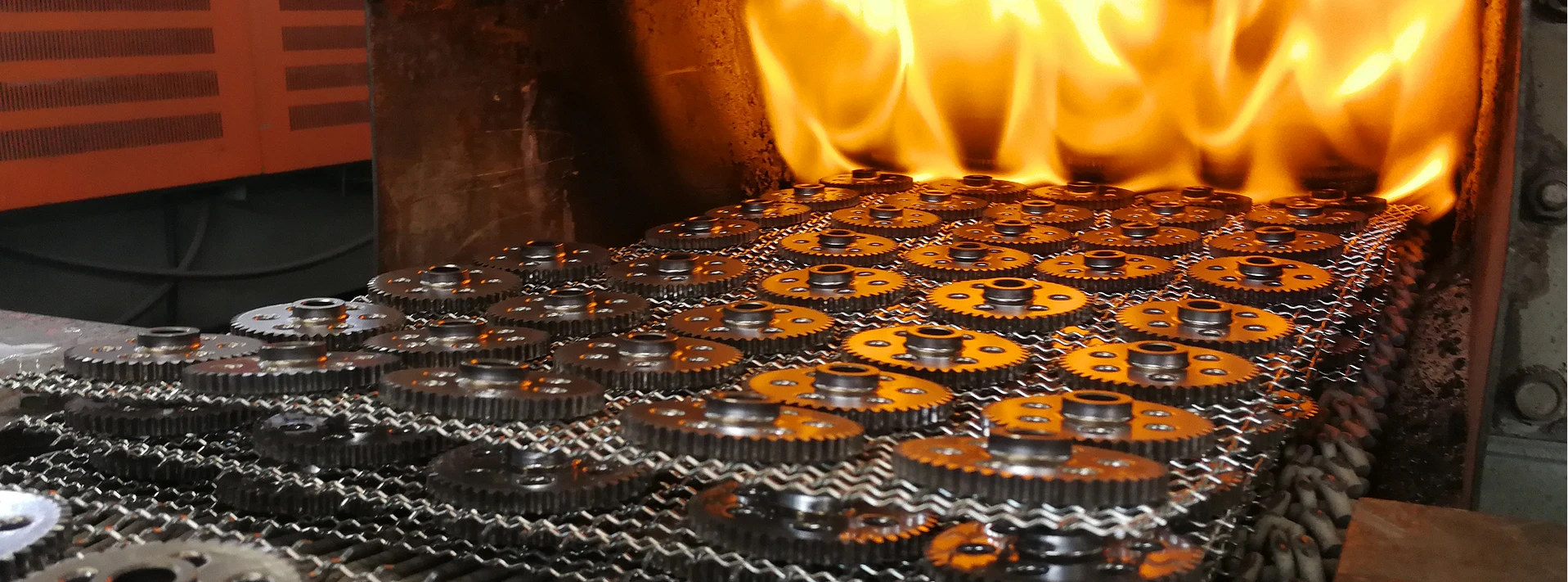
Engineers designing these gears obsess over materials. High precision double gears typically use hardened steel alloys with surface treatments to resist wear and corrosion, ensuring a lifespan surpassing that of ordinary gears by a wide margin.
2. Accuracy and Tolerance
The "high precision" part means machining accuracy often reaches micron-level tolerances. This accuracy minimizes noise, vibration, and heat generation, translating to better performance in precision machines.
3. Load Capacity
Using two gears working in unison almost doubles torque load capacity. This capability makes them ideal for heavy-duty operations without compromising smooth movement or causing gear damage.
4. Compact Design
By stacking or arranging gear pairs smartly, manufacturers manage to reduce the overall footprint. This is critical where space is at a premium, like handheld robotic tools or compact industrial drives.
5. Scalability & Customization
Depending on application needs, these gears can be scaled up for industrial gearboxes or miniaturized for medical instruments. Custom tooth profiles are common to suit specialized motion paths.
Mini Takeaway:
High precision double gears blend strength, accuracy, and adaptability in a compact form, making them indispensable for demanding mechanical environments.
Where High Precision Double Gears Make Their Mark Globally
From the busy assembly lines of Germany to the cutting-edge aerospace plants in Japan—and even in remote industrial zones in South America—these gears are everywhere. Take, for instance, automotive transmissions emphasizing smooth gear shifts; these cannot function without precision gearing. Also, in post-disaster relief operations, machinery equipped with robust double gears helps deploy heavy shelters and logistics equipment faster and more reliably. The high precision double gear thus transcends industries and continents, a subtle but pivotal factor in global development.
The Tangible Advantages of Using High Precision Double Gears
- Cost Efficiency: Higher durability means fewer replacements and maintenance interruptions, saving operational costs—especially over long-term use.
- Reliability: With tight tolerances and robust load handling, critical machines face less downtime, leading to smoother workflows.
- Sustainability: Longer-lasting gears mean less waste and better resource utilization—key in an age focused on green manufacturing.
- Safety and Trust: Precision reduces malfunction risks, crucial in high-stakes sectors like aerospace or medical devices, where failure isn’t an option.
Honestly, many engineers I’ve talked to say that investing in quality gearing feels like a form of insurance—quiet, sure, and endlessly valued, especially when downtime or recalls could cost a fortune.
Looking Ahead: Innovations Shaping the Future of High Precision Double Gears
The future is shiny, almost literally. Innovations include integrating advanced composite materials to reduce weight and enhance corrosion resistance. Additive manufacturing (3D printing) is enabling custom gear geometries that push past traditional machining limits. Digital transformation also plays a part—smart sensors embedded in gears can now monitor wear and predict maintenance, reducing unexpected failures. Green energy applications, like wind turbines, benefit from these developments because reliability and efficiency directly affect energy output.
Common Challenges and Smart Solutions
Despite the perks, challenges persist. Manufacturing at micron precision is costly and requires equipment that not all plants can afford. Plus, high precision double gears can be sensitive to misalignment, causing premature wear if installed improperly. But clever engineering and automated assembly lines are steadily lowering costs while improving assembly accuracy. Some companies are pioneering modular gear designs for easier on-site replacements—a comforting thought for clients operating in far-flung areas.
Product Specification Table
| Specification | Value | Notes |
|---|---|---|
| Material | Hardened Alloy Steel (AISI 4140) | Surface treated with nitriding for wear resistance |
| Tolerance | ±2 microns | Meets ISO 1328-1 Class 3 |
| Max Load Capacity | 5000 Nm | Varies by gear size |
| Gear Ratio | 1:1 to 10:1 | Customizable |
| Operating Temp | -40°C to 150°C | Suitable for most industrial environments |
Vendor Comparison: Selecting Your Ideal High Precision Double Gear Partner
| Feature | Vendor A | Vendor B | Vendor C |
|---|---|---|---|
| Precision Level | ±2 microns | ±5 microns | ±3 microns |
| Material Quality | Premium Steel Alloy | Standard Steel | Advanced Composite Hybrid |
| Delivery Time | 4 weeks | 6 weeks | 5 weeks |
| Customization Options | Extensive | Limited | Moderate |
| Price Range | $$$ | $ | $$ |
FAQ: Your Top Questions About High Precision Double Gears
- What distinguishes a high precision double gear from standard gears?
- High precision double gears boast much tighter manufacturing tolerances—sometimes down to ±2 microns—and paired gear sets that improve torque handling and reduce backlash. This results in smoother, more reliable mechanical performance.
- How long do high precision double gears typically last under heavy industrial use?
- With proper maintenance and the use of hardened steel alloys, these gears can last anywhere from 10 to 20 years, depending largely on operating conditions and load schedules.
- Are these gears suitable for automation and robotics?
- Absolutely. Their compact and accurate design makes them perfect for precise motion control required in robotics and automated machinery.
- Can I order customized gear ratios and sizes?
- Yes, most vendors offer customization. Considering your application's torque, speed, and space constraints is essential when specifying options for optimal results.
- How do I ensure quality when importing high precision double gears internationally?
- Work with ISO-certified manufacturers and request detailed material and tolerance certifications. Also, explore suppliers that provide testing reports like coordinate measuring machine (CMM) data.
Bringing It All Together: Why High Precision Double Gears Matter for the Future
We might take gears for granted, but the truth is that high precision double gear technology is quietly pushing industries toward greater efficiency, safety, and sustainability. Whether outfitting next-gen robots or keeping heavy machinery humming through long shifts, these gears are a smart investment that pays dividends in reliability and innovation. Curious to see how this critical component can elevate your projects? Visit our website: https://www.jssintering.com and dive deeper into a world where precision meets performance.
Final Thought
It’s funny how something so small and often overlooked like a double gear can carry such weight in the grand scheme of things. Something to remember next time you hear a machine purr smoothly—it’s all precision beneath the surface.