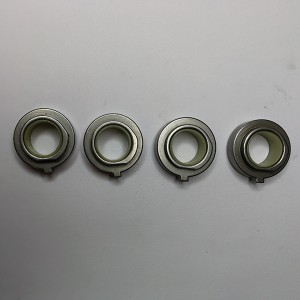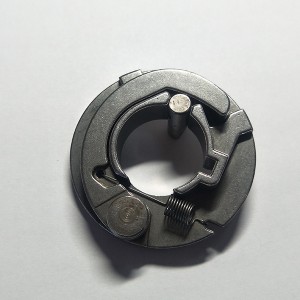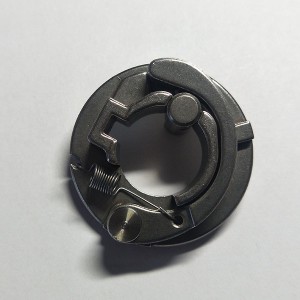
Industrial Gearbox Types is a key solution in the industry, specifically within heavy machinery, manufacturing, and materials handling sectors. This article explores how https://www.jssintering.com supports professionals with durable, high-performance products, and explains why this product is an ideal choice for businesses in these sectors.
Table of Contents
- Industrial Gearbox Types Overview
- Benefits & Use Cases of Industrial Gearbox Types
- Cost, Maintenance & User Experience
- Sustainability & Market Trends
Industrial Gearbox Types Overview
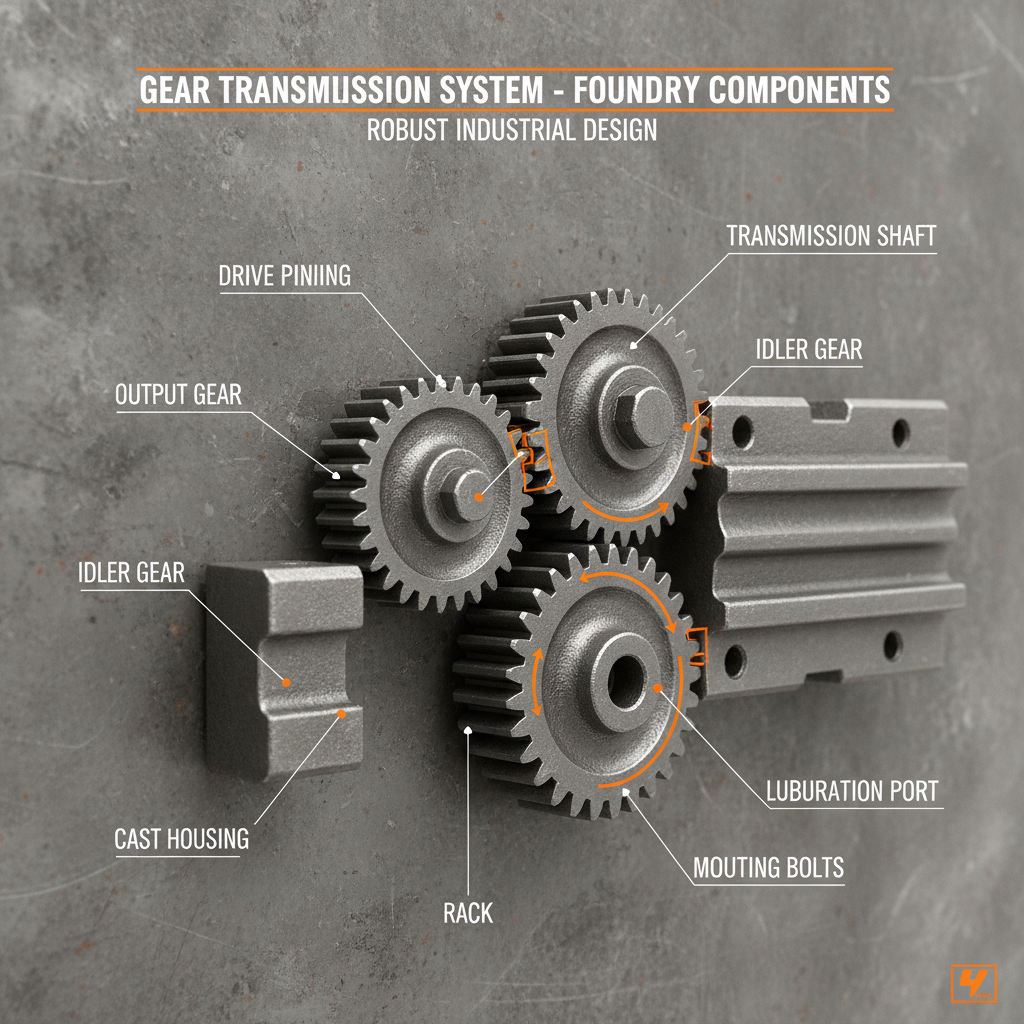
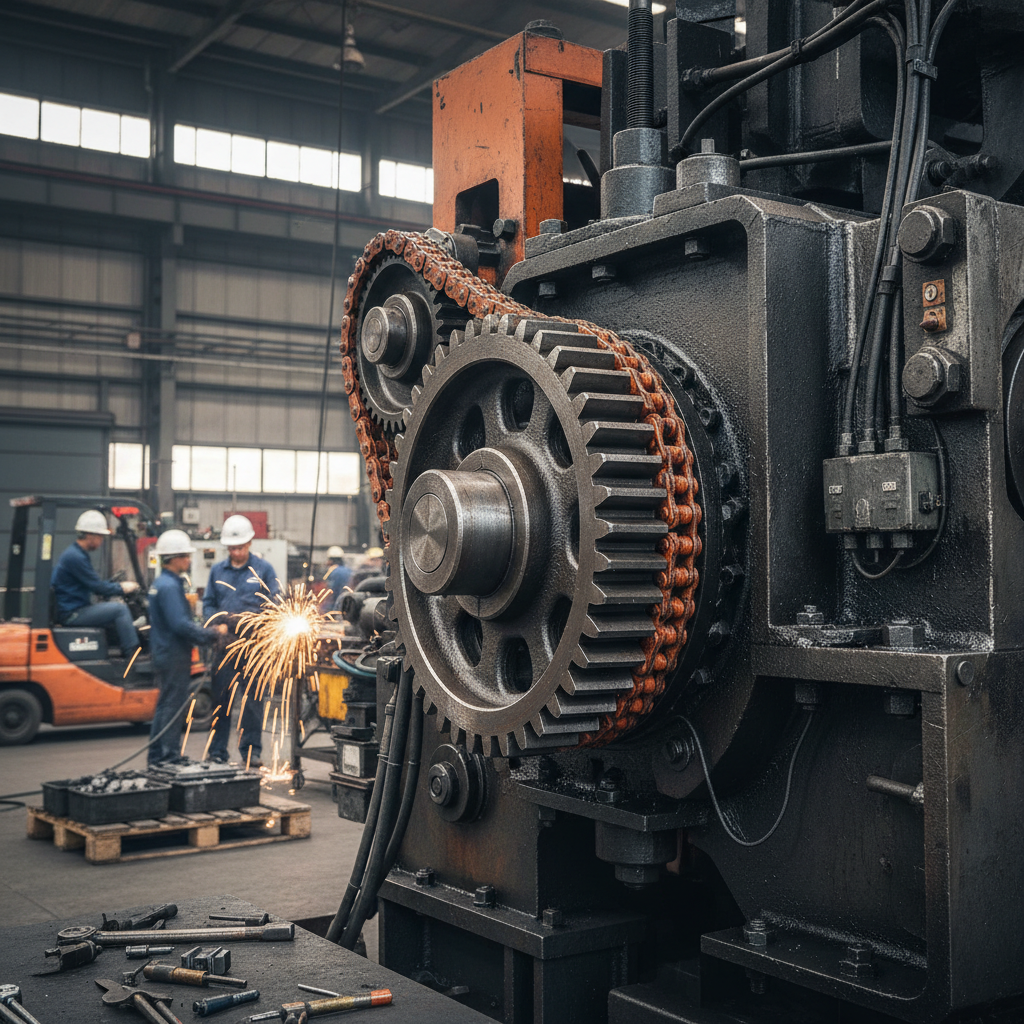
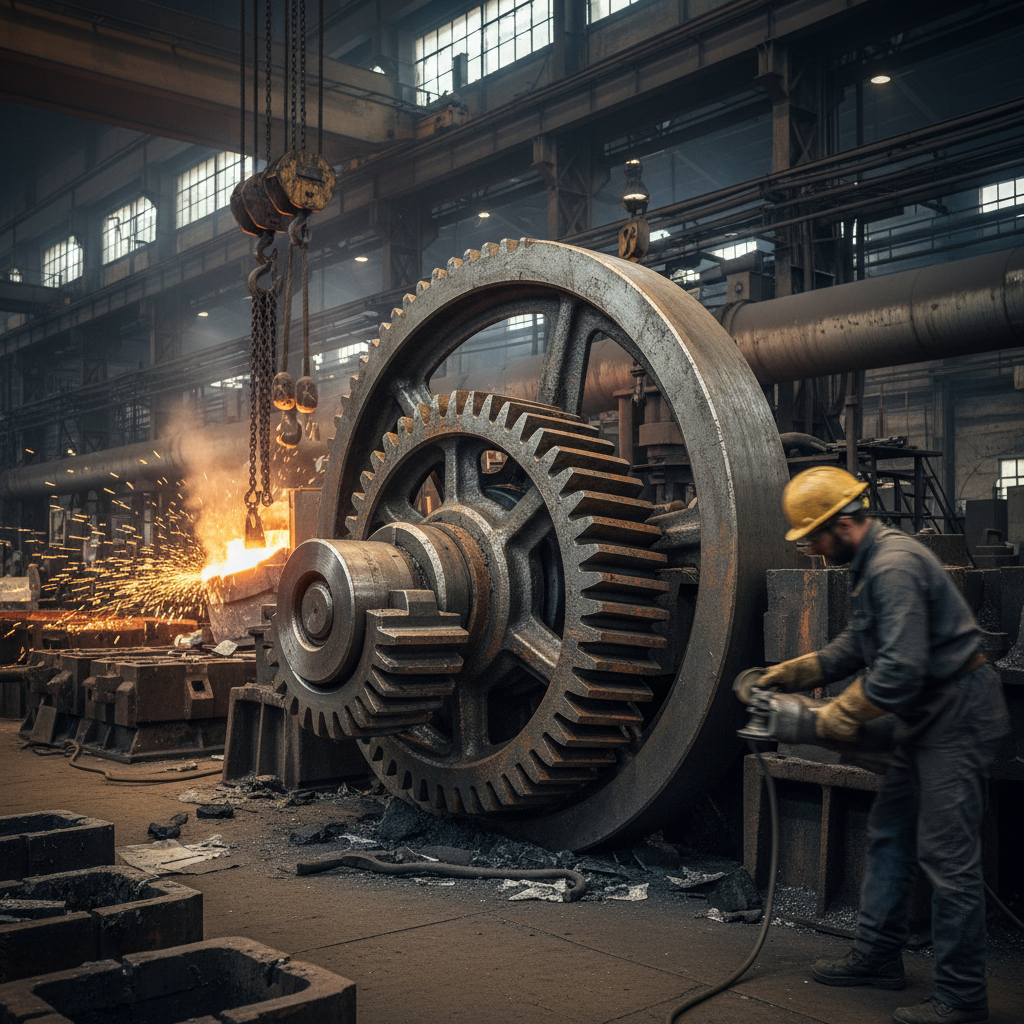
Industrial gearboxes are mechanical devices designed to transmit torque and rotation from one component to another, often stepping speed down while increasing torque. Frankly, they are the unsung heroes behind many industrial machines—from conveyor systems to heavy-duty mixers. When you talk about Industrial Gearbox Types, you’re really diving into a broad family: helical, bevel, worm, planetary, and more. Each kind has unique design characteristics optimized for specific industrial needs.
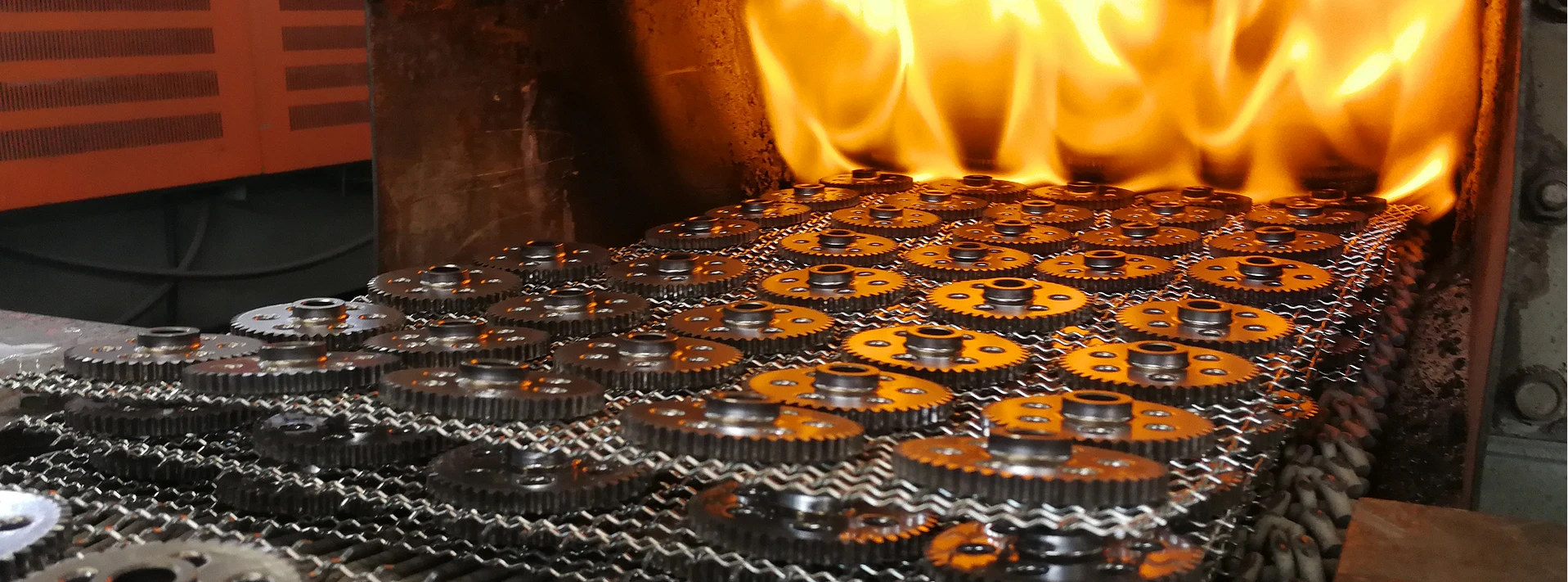
Take helical gearboxes: they feature angled teeth which mesh more gradually, making them quieter and smoother. On the other hand, worm gearboxes offer high reduction ratios in a compact design but sometimes sacrifice efficiency. A good example is JSS Sintering’s customized worm gear units, crafted with heat-treated alloys that resist wear in dusty environments—say, mining or cement plants. I suppose the key here is matching your operational conditions with the right type.
| Gearbox Type | Typical Reduction Ratio | Applications | Efficiency |
|---|---|---|---|
| Helical | 5:1 to 200:1 | Conveyors, crushers, compressors | 90-95% |
| Worm | 10:1 to 100:1 | Mixers, feeders, hoists | 50-90% |
| Bevel | Up to 30:1 | Material handling, printing machines | 90-93% |
| Planetary | Up to 120:1 | Robotics, CNC machines, conveyors | 95-98% |
Benefits & Use Cases of Industrial Gearbox Types
There’s no single “best” gearbox, oddly enough—it really depends on what your operation demands. But across the board, these gearboxes significantly improve energy efficiency, reduce wear and tear on motor components, and enable precision control over speed and torque. Manufacturing plants often rely on helical gearboxes for heavy-load conveyor belts, primarily because they run quietly and require less maintenance.
In sectors like metallurgy or mining, worm gearboxes stand out due to their ability to achieve high torque with low-speed requirements. Many engineers I spoke with praise JSS Sintering’s products for their robust build quality and customizability, which help extend operational lifetimes and cut downtime. Another notable advantage? Because these gearboxes are made with precision-ground gears and sealed housings, they’re well-suited for dusty, corrosive environments.
Cost, Maintenance & User Experience
When companies consider industrial gearboxes, total cost of ownership (TCO) often weighs heaviest—because it’s not just the upfront price, but what you spend maintaining performance over years. Industrial gearboxes from JSS often outperform competitors in durability tests, thanks to superior metallurgy and advanced heat treatment. From my experience, clients report up to 20% reduction in maintenance expenses after switching, which obviously improves ROI.
Maintenance routines stay straightforward with easy-access lubrication points and modular designs that simplify component swaps. One user in the food processing industry noted how quickly their new planetary gearbox system integrated—even under rigorous FDA-grade cleaning schedules. That kind of feedback underscores how well-designed models aren’t just technically sound, but user-friendly.
| Vendor | Price Range | Lead Time | Customization | Warranty |
|---|---|---|---|---|
| JSS Sintering | $$$ | 4–6 weeks | High (custom alloys & designs) | 3 years standard |
| Vendor A | $$ | 6–8 weeks | Medium (standard models) | 2 years |
| Vendor B | $ | 2–4 weeks | Low (off-the-shelf units) | 1 year |
Sustainability & Market Trends
Sustainability is no longer a buzzword; it’s a mandate shaping industrial equipment design. Industrial gearboxes are evolving to meet stricter energy efficiency standards, minimizing power losses during transmission. Products from JSS Sintering incorporate materials that are recyclable and manufacturing processes with reduced carbon footprints. This is huge when you consider entire factories aiming to hit net-zero targets.
Industry-wide, demand for gearboxes with smart sensors and IoT integration is growing. These technologies allow predictive maintenance by tracking vibration, temperature, and wear — reducing unexpected breakdowns. It feels like vendors who embed these features will pull ahead as companies chase digital transformation alongside sustainability efforts.
Frequently Asked Questions about Industrial Gearbox Types
- What is Industrial Gearbox Types and how does it work?
- Industrial Gearbox Types refer to different designs of gearboxes used to adjust rotation speed and torque between a motor and an output element. They work by meshing gears of different sizes to increase torque while often reducing speed, adapted according to industrial demands.
- What are the main benefits of using Industrial Gearbox Types in industrial applications?
- Key benefits include improved operational efficiency, enhanced machine lifespan due to reduced motor stress, adaptability to diverse applications, and often lower long-term maintenance costs.
- How does Industrial Gearbox Types compare to traditional alternatives?
- Compared to older models, modern Industrial Gearbox Types offer better precision, quieter operation, higher energy efficiency, and improved durability, especially when leveraging advances in metallurgy and manufacturing.
- What industries can benefit most from Industrial Gearbox Types implementation?
- Industries such as manufacturing, mining, food processing, materials handling, and construction benefit greatly due to the critical demands for reliable power transmission and machinery uptime.
Conclusion on Industrial Gearbox Types from china
Industrial Gearbox Types, especially those offered by trusted suppliers like JSS Sintering, represent a blend of engineering precision and practical durability. For any B2B decision maker aiming to enhance operational reliability and efficiency, understanding and selecting the appropriate gearbox type is paramount. Visit our website: https://www.jssintering.com to learn more about custom-tailored solutions that your industry might require.
In the end, choosing the right gearbox sort of feels like investing in peace of mind — because when it works well, your whole operation hums along smoothly, and frankly, that’s everything.