




Prototype Gear Manufacturing: An Essential Step in Modern Industry
Prototype gear manufacturing might sound niche, but frankly, it’s a cornerstone in the machinery of innovation worldwide. Whether it’s aerospace components, automotive transmissions, or robotics, the ability to produce a working prototype gear strikes at the heart of testing and development. Understanding this process sheds light on how industries minimize costly failures and speed up bringing new machines into real-world use.
Introduction: The Global Pulse of Prototype Gear Manufacturing
At first glance, you might wonder why the world cares about manufacturing gears that are, well, just prototypes. The answer lies in the scale and impact of mechanical systems. According to ISO standards on mechanical components, precision and reliability are paramount. Industry reports show that inefficient prototyping often leads to up to 30% longer product development cycles — which means delays, cost overruns, and lost competitive advantage globally.
In sectors ranging from renewable energy turbines to medical robotics, prototype gear manufacturing solves a critical puzzle: validating design integrity before full-scale production. This validation can determine whether the final product will endure under stress or fail unexpectedly—a challenge many enterprises face worldwide.
What is Prototype Gear Manufacturing?
Simply put, prototype gear manufacturing is the process of creating initial versions of gears used in machinery, allowing engineers to assess performance, fit, and durability before committing to mass fabrication. These prototypes provide tangible models for testing complex geometries and materials in a way digital simulations can only approximate.
This process is particularly vital in modern industries where customized or small-batch gears are common. Humanitarian efforts, like rapidly deploying machinery for disaster relief, also benefit — because quality prototype gears mean reliability in the field, not guesswork.
Key Components in Prototype Gear Manufacturing
1. Precision and Accuracy
Prototype gears require exceptional machining accuracy to match intended design specs. Even minor deviations can throw off entire gear trains, effectively breaking functional tests. Today, CNC machining and additive manufacturing are top technologies helping meet these tolerances.
2. Material Selection
Choosing the right material balances cost, strength, and wear resistance. Prototype gears often test new alloys or composites inspired by sustainability trends or weight reduction needs, as seen in aerospace or automotive prototypes.
3. Production Speed vs Quality
Since prototype iterations can be frequent, manufacturers juggle quick turnaround times with maintaining performance standards. Advanced digital workflows and rapid tooling support this effort.
4. Testing and Validation
Once produced, prototype gears undergo rigorous testing—load trials, vibration analysis, and thermal cycling—to flag any flaws early. These tests simulate real-world operational conditions, reducing costly recalls or failures post-deployment.
5. Scalability Potential
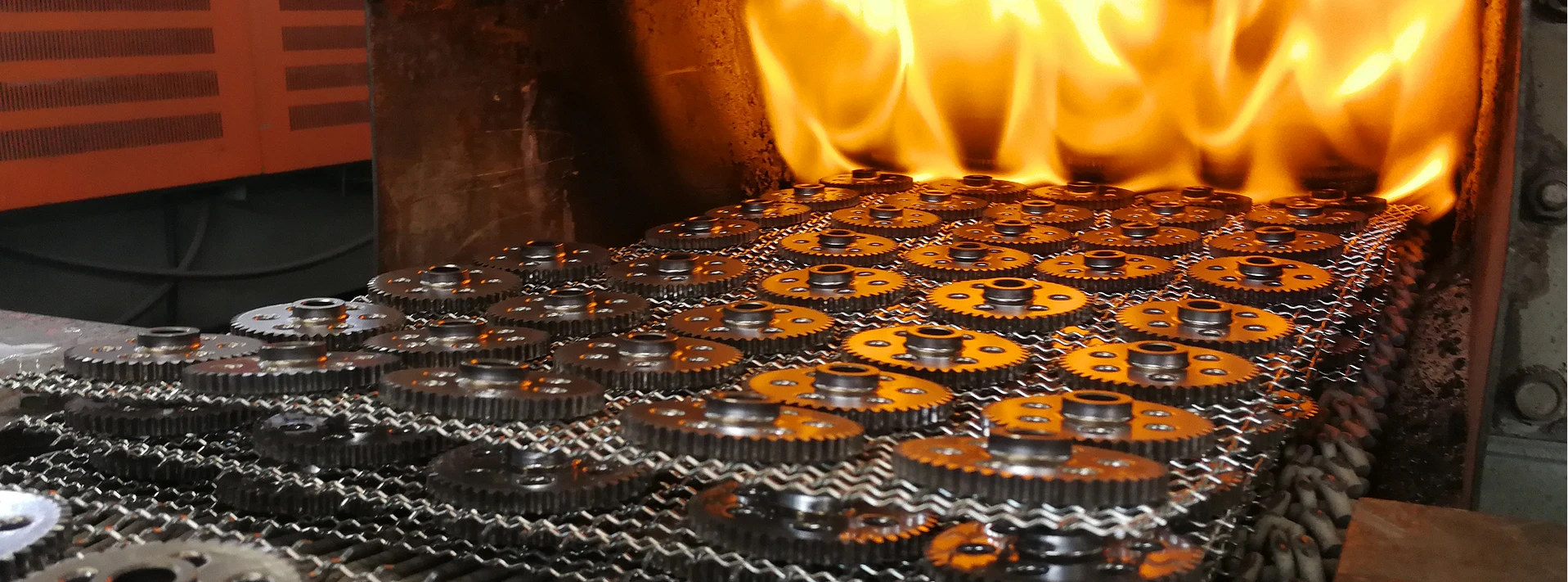
Though prototypes are often one-offs, the design must eventually scale to mass production. Manufacturers consider fabrication feasibility during prototyping, sometimes opting for methods like sintering that later scale well.
Prototype Gear Manufacturing Product Specifications
| Specification | Details |
|---|---|
| Gear Type | Spur, Helical, Bevel, Worm |
| Material Options | Steel Alloys, Aluminum, Composite Polymers |
| Manufacturing Methods | CNC Machining, 3D Printing (Additive), Sintering |
| Tolerances | Up to ±0.01 mm depending on gear class |
| Typical Lead Time | 1-3 weeks based on complexity |
Global Applications and Use Cases
Prototype gear manufacturing spans a diverse set of industries and regions. Aerospace hubs in the US and Europe rely heavily on prototyping for critical components. In Asia, where robotics manufacturing flourishes, rapid gear prototyping enhances automation speed. Oddly enough, even small-scale manufacturers in developing countries leverage prototype gears to customize agricultural machinery that suits local soil and terrain conditions.
Humanitarian operations also tap into prototype gear manufacturing. For example, in post-disaster relief, portable water pumps and power generators require tested gear assemblies to ensure functionality under pressure. Remote industrial zones in Africa or South America often engage custom prototyping to replace worn parts on-site, avoiding costly imports.
For those interested, there’s a detailed overview of prototype gear manufacturing solutions tailored to unique needs.
Vendor Comparison for Prototype Gear Manufacturing Services
| Vendor | Tech Expertise | Turnaround Time | Customization | Support & Testing |
|---|---|---|---|---|
| JSS Sintering | Additive Manufacturing & CNC | 1-2 Weeks | High | Comprehensive Load & Vibration Testing |
| GearWorks Inc. | Traditional & CNC Machining | 2-3 Weeks | Medium | Basic Quality Checks |
| ProtoGear Labs | 3D Printing & Rapid Tooling | 1 Week | High | Limited Stress Testing |
Advantages and Long-Term Value of Prototype Gear Manufacturing
The benefits are more than just mechanical — though durability and precision top the list, cost containment and design flexibility carry equal weight. By confirming gear designs early, industries avoid expensive tool reworks and assembly line shutdowns. Plus, it feels reassuring for engineers and managers alike to have a physical benchmark rather than relying purely on simulations.
From a sustainability viewpoint, prototyping allows testing of eco-friendly materials and lightweight designs that reduce fuel consumption downstream. Socially, it supports communities by deploying reliable machinery that requires less maintenance or frequent replacement — fostering trust and dependability.
Future Trends and Innovations
The horizon looks promising. Additive manufacturing keeps breaking barriers; new composite materials inspired by aerospace exploration bring unparalleled strength-to-weight ratios. Digital twins and AI-driven simulation increasingly integrate with physical prototypes to optimize designs faster.
Automation in prototyping workflows reduces human error and shortens delivery cycles — a crucial factor in sectors like automotive where time-to-market can make or break projects. Eco-conscious regulations are also nudging manufacturers toward greener materials and waste-reducing processes.
Challenges and Solutions
That said, prototype gear manufacturing is not without hurdles. Material limitations sometimes restrict testing realism. High costs of advanced machining and 3D printing equipment can exclude smaller players. And achieving quick iteration without sacrificing quality demands skillful balancing.
Solutions? Collaborative R&D across industry and academia helps spread costs and share knowledge. Flexible manufacturing cells improve adaptability. And digital integration—from CAD to CAM—creates seamless transitions that curtail error and delay.
Frequently Asked Questions
-
How long does it usually take to manufacture a prototype gear?
Typically, manufacturing a prototype gear can take from 1 to 3 weeks depending on complexity, materials, and the chosen fabrication method. Rapid 3D printing may shorten this to under a week, whereas sintering or CNC machining usually requires more time for precision finish. -
Can prototype gears handle real operational loads?
While prototype gears are designed for testing, their load tolerance depends on material and manufacturing accuracy. Properly tested prototypes can replicate real operational stresses, enabling meaningful validation before mass production. -
Is additive manufacturing a good option for prototyping gears?
Absolutely. Additive manufacturing offers design flexibility and speed, allowing intricate gear geometries that traditional machining might struggle with. However, surface finish and material strength can sometimes be limiting factors. -
Where can I find reliable prototype gear manufacturers?
Trusted vendors like JSS Sintering specialize in quality prototype gear manufacturing, combining tech expertise with rapid delivery and thorough testing. Vendor choice should factor in support, customization, and technology fit.
Conclusion
To conclude, prototype gear manufacturing plays an indispensable role in bridging design and reality across countless industries. It cuts risks, fosters innovation, and helps deliver reliable, efficient machinery that supports both commercial goals and humanitarian missions. Whether you're an engineer, manufacturer, or procurement professional, understanding this process unlocks smarter choices and better outcomes.
Interested in advancing your product development? Visit our website: https://www.jssintering.com to explore precision prototyping solutions tailored to your needs.
Mini takeaway: Prototype gear manufacturing is more than just technical work; it’s about accelerating innovation and ensuring reliability around the globe.