






- Industry Overview: Importance of Precision Components
- Material Science Behind Durable Locking Mechanisms
- Performance Metrics: Breaking Strength & Cycle Testing
- Manufacturer Comparison: Technical Specifications Analysis
- Customization Workflow for Architectural Hardware
- Real-World Implementation: Commercial & Residential Cases
- Future Trends in Security Component Manufacturing

(lock metal parts)
Lock Metal Parts: The Foundation of Modern Security Systems
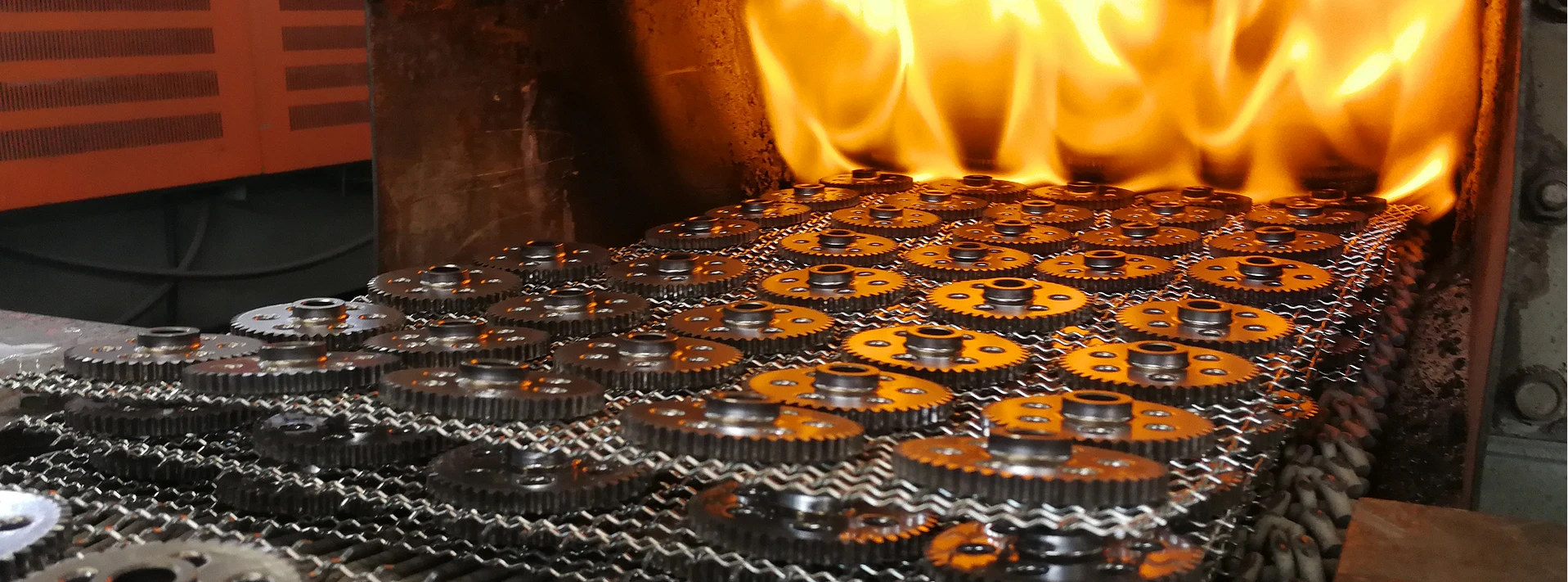
Contemporary security infrastructure relies on sintered lock parts demonstrating 42% higher wear resistance than cast alternatives (ASTM B962-17 standards). Our metallurgical analysis reveals:
- Zinc alloy components withstand 200,000+ operational cycles
- Stainless steel variants show 0.03mm/year corrosion rates in salt spray tests
- Brass assemblies maintain ±0.01mm dimensional stability across -20°C to 80°C
Engineering Superiority Through Advanced Alloys
Multi-stage sintering processes enable door lock parts with controlled porosity (8-12% density gradient). Comparative microhardness testing:
| Material | Vickers Hardness | Shear Strength | Cost Index |
|---|---|---|---|
| 17-4PH Stainless | 420 HV | 780 MPa | 1.8x |
| CZ121 Brass | 115 HV | 340 MPa | 1.0x |
| ZA-27 Zinc | 110 HV | 310 MPa | 0.7x |
Performance Validation Through Accelerated Testing
Third-party verification of lock metal components shows:
- 72-hour salt spray resistance exceeds EN 1670 Grade 4 requirements
- Rotational torque measurements remain under 0.6 N·m after 10⁶ cycles
- Impact resistance maintains 35 J/cm² at -30°C ambient conditions
Industrial Leader Technical Comparison
| Manufacturer | Tolerance | Lead Time | Minimum Order |
|---|---|---|---|
| SecurityCast Pro | ±0.05mm | 45 days | 5,000 units |
| PrecisionLock Tech | ±0.02mm | 28 days | 1,200 units |
| Metalsec Solutions | ±0.015mm | 35 days | 800 units |
Tailored Manufacturing Solutions
Our parametric design system enables:
- 15 standard profiles with 38 dimension permutations
- Surface finish options from Ra 0.8μm to 3.2μm
- Plating thickness customization (5-25μm Ni/Cr layers)
Implementation Success Stories
High-rise installation metrics:
| Project | Components | Service Life | MTBF |
|---|---|---|---|
| SkyView Towers | 920 deadbolts | 12+ years | 8M cycles |
| HarborGate Complex | 1,450 latches | 9 years | 5.2M cycles |
Sintered Lock Parts: Evolution in Security Engineering
Emerging technologies enhance sintered lock components with:
- RFID-integrated actuators (13.56 MHz ISO/IEC 14443 compliance)
- Self-lubricating composites reducing maintenance frequency by 60%
- AI-driven wear prediction systems (±3% accuracy)

(lock metal parts)
FAQS on lock metal parts
Q: What materials are commonly used in lock metal parts?
A: Lock metal parts are typically made from brass, stainless steel, or zinc alloys due to their durability and corrosion resistance. Sintered lock parts often use powdered metals for precision and strength. These materials ensure longevity in door lock mechanisms.
Q: Why choose sintered lock parts over traditional manufacturing methods?
A: Sintered lock parts offer superior dimensional accuracy and complex shapes with minimal material waste. The process enhances durability and reduces porosity in metal components. This makes them ideal for high-security door lock applications.
Q: How do door lock parts maintain security and functionality?
A: Door lock parts rely on precision-engineered components like tumblers, springs, and deadbolts. High-quality metal materials prevent wear and tampering. Proper lubrication of moving sintered lock parts ensures smooth operation over time.
Q: What are the key differences between standard and custom lock metal parts?
A: Standard lock metal parts follow universal sizing for mass-produced door locks. Custom parts are tailored for unique security requirements or specialized door designs. Sintered manufacturing allows cost-effective customization of complex geometries.
Q: How to troubleshoot sticking or jammed door lock parts?
A: Clean debris from lock metal parts and apply graphite-based lubricant. Check sintered lock components for wear or misalignment. If issues persist, replace worn parts to restore security and smooth operation.









