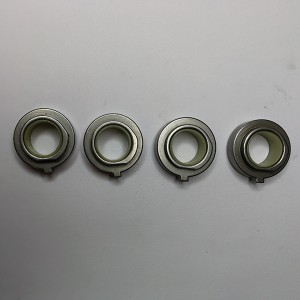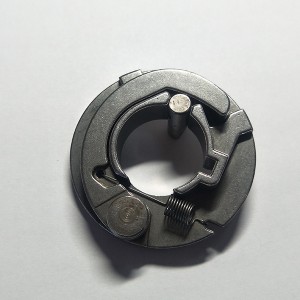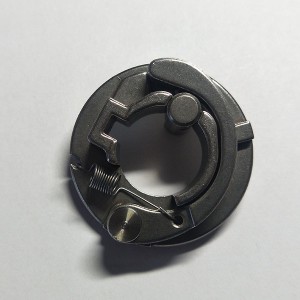





Mechanical Gear Manufacturers: Key Players in Global Industry
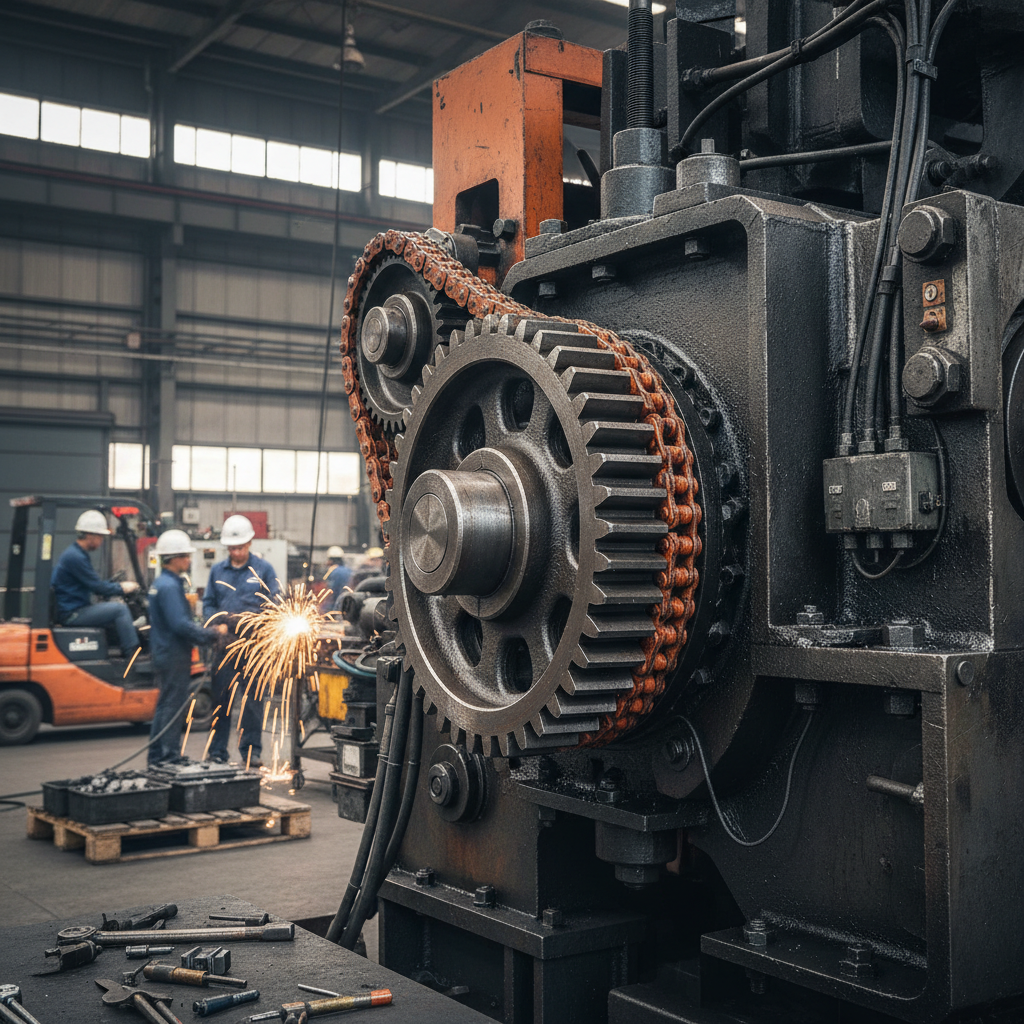
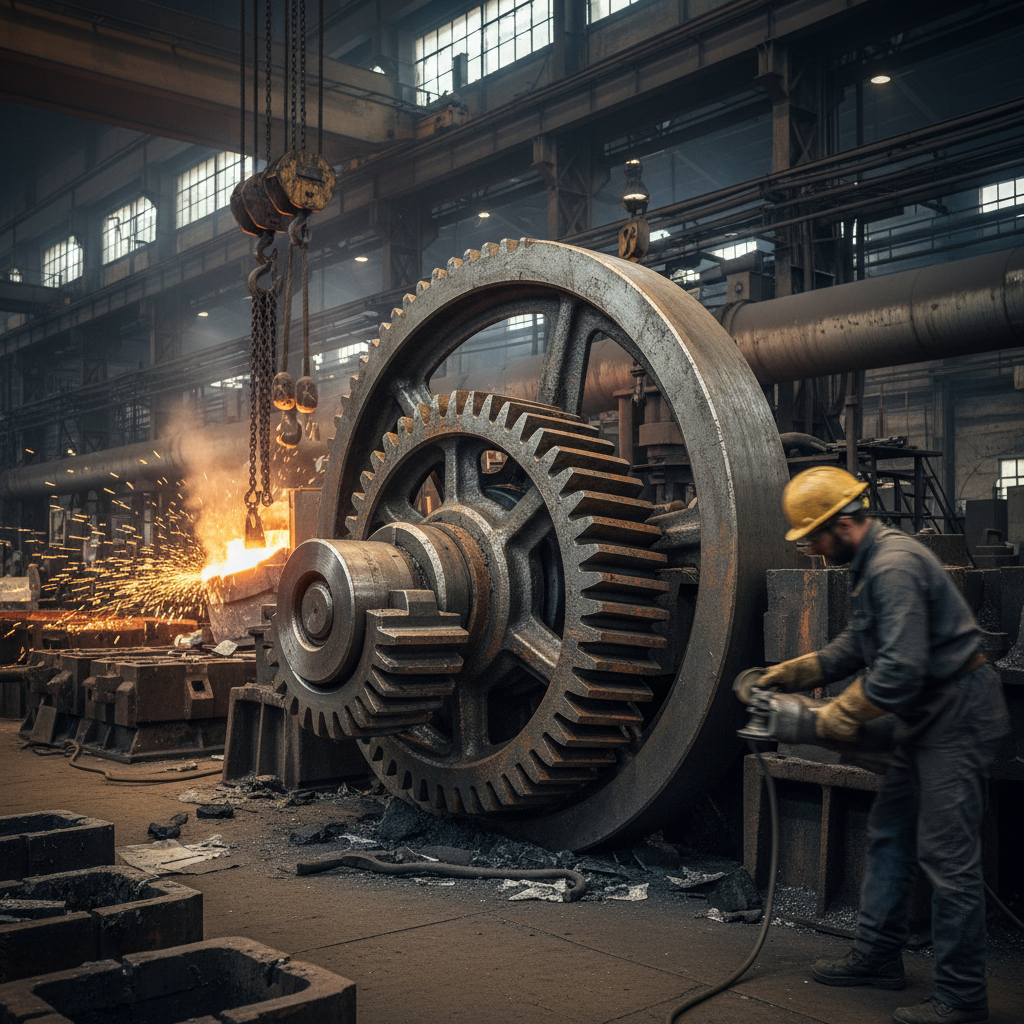
When we talk about mechanical gear manufacturers, we’re referring to a crucial backbone of countless industries around the world. These manufacturers design, produce, and supply the mechanical gears that keep machines running smoothly—from the smallest wristwatches to the biggest industrial machinery. Understanding the role and influence of mechanical gear manufacturers isn’t just niche engineering talk; it’s foundational to grasping how modern industry functions reliably and sustainably.
Introduction: Why Mechanical Gear Manufacturing Matters Globally
Globally, the mechanical gear market is projected to be worth several billion dollars, reflecting its indispensable nature. According to the International Organization for Standardization (ISO) and trade data reported by the World Bank, manufacturing sectors worldwide heavily rely on these parts for everything from automotive production to renewable energy turbines. Yet, the industry faces challenges in sourcing durable, cost-effective gears that can withstand increasing demands for precision and sustainability.
The need to innovate in gear manufacturing is pressing. For example, the growth in electric vehicles (EVs), which require specialized gearbox systems, shows how manufacturers must quickly adapt or risk falling behind. In real terms, that means mechanical gear manufacturers have to balance precision, durability, and production scalability.
What Are Mechanical Gear Manufacturers?
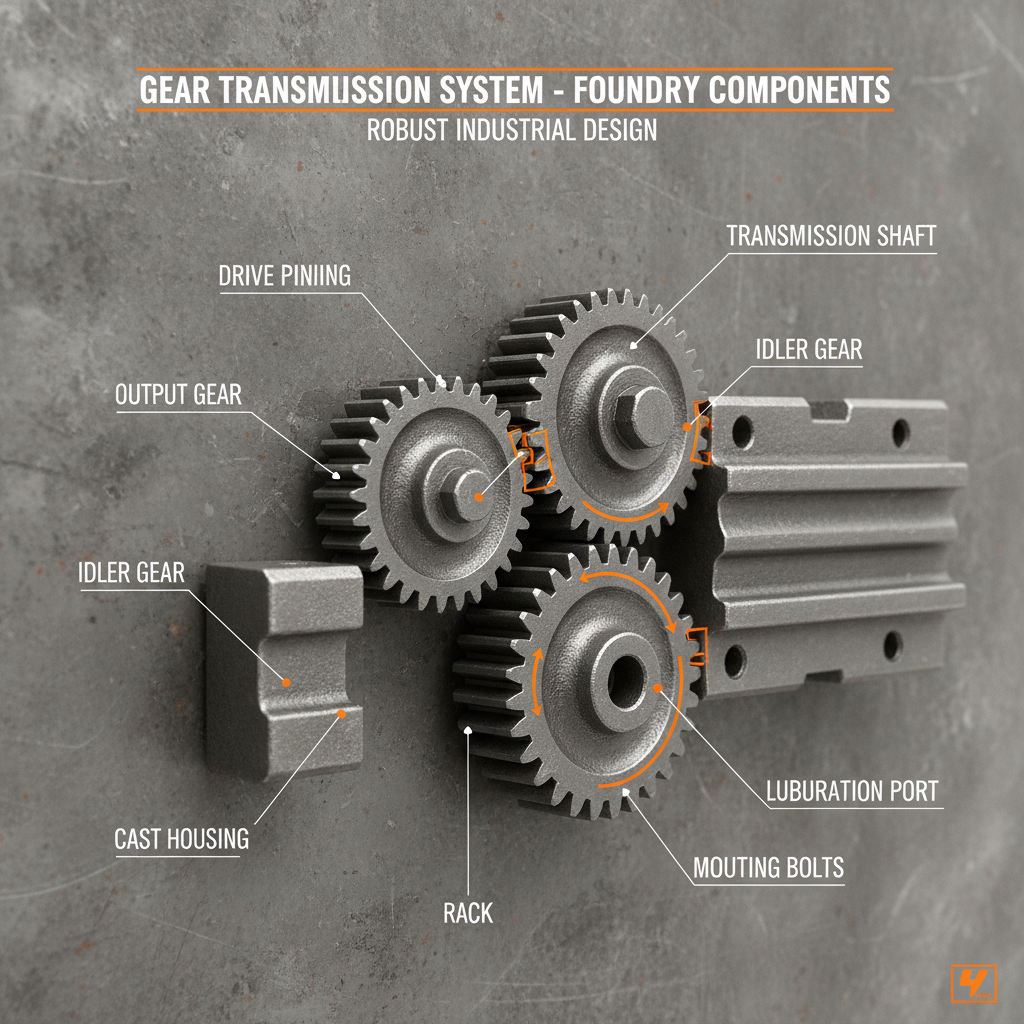
Simply put: mechanical gear manufacturers are companies that produce gears—the toothed wheels that transmit torque and motion in machines. These gears come in many shapes and sizes: spur gears, bevel gears, worm gears, and more. The precision and quality of these gears affect the efficiency and longevity of entire machines, from construction equipment to aerospace components.
They’re also intimately connected to humanitarian and industrial needs—consider how reliable gears contribute to critical infrastructure like water pumps or medical equipment in remote or disaster-stricken regions.
Core Components of Mechanical Gear Manufacturing
1. Durability
Durability isn’t just a buzzword. Gears undergo intense mechanical stress, so materials like hardened steel or advanced composites are commonly used. The goal is to minimize wear and tear, increasing both performance and safety.
2. Precision Engineering
If a gear isn’t precisely made, it can lead to higher energy consumption or even breakdowns. Manufacturers employ CNC machining, laser cutting, and computerized measurement systems to achieve micro-level accuracy.
3. Scalability
Whether producing thousands of small gears or a few large custom pieces, scalability is essential. Flexible manufacturing processes allow companies to switch or scale production depending on client needs.
4. Cost Efficiency
Raw materials, tooling, and labor all affect cost. Manufacturers are constantly innovating to reduce waste and increase yield—while ensuring quality. Oddly enough, cost efficiency often drives the choice of manufacturing location too.
5. Customization
Many industries require custom gear solutions to meet specific mechanical demands. The best manufacturers offer bespoke services, supporting everything from prototype design to volume production.
Product Specification Table: Typical Mechanical Gear Characteristics
| Specification | Value/Range | Notes |
|---|---|---|
| Material | Alloy Steel, Stainless Steel, Bronze, Composites | Depends on application and load |
| Module (tooth size) | 0.5 mm to 20 mm | Higher for heavy-duty gearboxes |
| Diameter | 10 mm to 500 mm+ | Varies widely with use case |
| Precision | ISO 1328 Grade 5–8 or better | Higher grades used in aerospace & robotics |
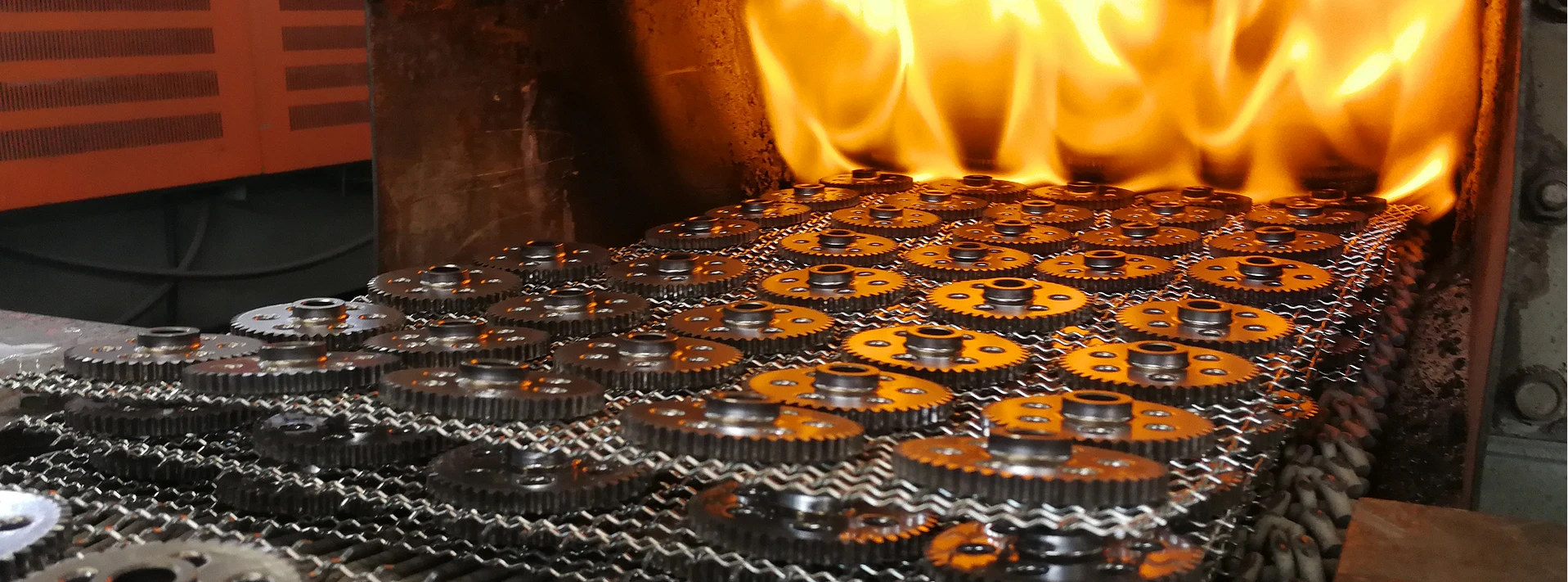
| Heat Treatment | Carburizing, Induction Hardening | Enhances wear resistance |
Global Applications & Use Cases
The diversity of mechanical gear applications is staggering. In Germany and Japan, precision gear manufacturers lead the way for automotive and robotics markets. In developing regions like Southeast Asia, robust gears are critical for water pumps or agricultural machinery—often essential for community livelihoods.
In disaster relief scenarios, reliable gears in portable generators or rescue equipment can literally save lives. Renewable energy sectors use gears extensively in wind turbines, needing durable components to endure variable weather for decades.
Moreover, the aerospace and defense industries demand gears that meet stringent safety standards, reflecting the high stakes involved.
Vendor Comparison Table: Leading Mechanical Gear Manufacturers
| Manufacturer | Main Market | Specialization | Sustainability |
|---|---|---|---|
| GearTech Inc. | Automotive & Industrial | Custom high-precision gears | ISO 14001 certified, eco-friendly processes |
| MechDrive Solutions | Renewables & Heavy Machinery | Heat-treated, long-lifespan gears | Focus on recycled materials |
| Prime Gear Works | Aerospace & Defense | Ultra-precision machining & testing | Lean manufacturing to reduce waste |
Advantages & Long-Term Value of High-Quality Gear Manufacturing
Investing in quality mechanical gears translates into tangible benefits—lower downtime, safer operation, and longer service intervals. Many engineers point out that when machines run reliably, workers stay safe, and productivity improves. From an emotional standpoint, companies and end-users alike value the trust that comes with durability and precision.
On sustainability, well-crafted gears reduce the need for frequent replacement, limiting raw material consumption and waste. The social implications are not trivial either—as better machinery supports economic development in weaker regions.
Emerging Trends & Innovations in Mechanical Gear Manufacturing
Frankly, the industry's future looks quite exciting. Additive manufacturing (3D printing) is making inroads, allowing for complex gear geometries previously impossible or too costly. Smart materials and coatings increase wear resistance and self-lubrication, cutting maintenance needs.
Green manufacturing policies, digital twins, and automation are increasingly standard. For example, some manufacturers now simulate gear performance using AI for faster design optimization. The push for lower carbon footprints also means more recycled steel and reduced energy consumption in processes.
Challenges & Solutions
Not everything is smooth sailing, of course. Key challenges remain: high upfront tooling costs, supply chain disruptions for specialty alloys, and balancing customization with mass production. Skilled labor shortages can also hurt quality consistency.
To address these, some manufacturers invest in workforce training and modular manufacturing cells to boost flexibility. Others partner closely with mechanical gear manufacturers worldwide to diversify sourcing and share innovation.
FAQ: Frequently Asked Questions About Mechanical Gear Manufacturers
- Q: What materials are best for gears in high-stress environments?
A: Alloy steels with carburizing or induction hardening treatments are commonly used due to their high strength and wear resistance. Bronze gears are sometimes preferred for quieter operation, but steel's durability usually leads in heavy-duty cases. - Q: How does precision affect the performance of mechanical gears?
A: Precision directly impacts how smoothly gears engage. Higher precision grades reduce vibration, noise, and wear, leading to better efficiency and longer machine life—especially critical in aerospace or robotics applications. - Q: Are mechanical gears environmentally friendly?
A: While manufacturing gears consumes resources, advances in sustainable materials, recycling, and efficient production methods help lower environmental impacts. High-quality gears that last longer also reduce waste overall. - Q: Can small manufacturers customize gears for niche markets?
A: Yes. Many smaller or regional manufacturers specialize in bespoke gear production, offering tailored solutions from prototyping through volume production—ideal for industries needing unique specifications.
Conclusion
In summary, mechanical gear manufacturers play a pivotal role well beyond simple part production. They enable modern industry to operate efficiently, sustainably, and at ever-higher standards. The combination of advanced materials, precision engineering, and evolving technologies suggests a robust future for this sector.
If you want to explore comprehensive solutions or connect with top-notch mechanical gear manufacturers, visit our website. Quality gears today make all the difference tomorrow.
Takeaway: Reliable mechanical gear manufacturing is the silent engine powering innovation, sustainability, and global industry progress.