






- Industry Overview & Market Demand
- Technical Advantages in Modern Gear Production
- Performance Comparison: Top 6 Global Manufacturers
- Custom Engineering Solutions Breakdown
- Case Study: Mining Sector Application
- Quality Certification Standards
- Future Trends in Precision Manufacturing
(metal gear manufacturer)
Meeting Industrial Demands Through Advanced Metal Gear Manufacturing
The global gear manufacturing market reached $152.3 billion in 2023, with compound annual growth of 4.8% projected through 2030. Industrial gear manufacturers now prioritize:
- Surface hardness exceeding 60 HRC
- Torque capacity up to 12 MN·m
- Thermal stability between -40°C to 450°C
Technical Superiority in Production Processes
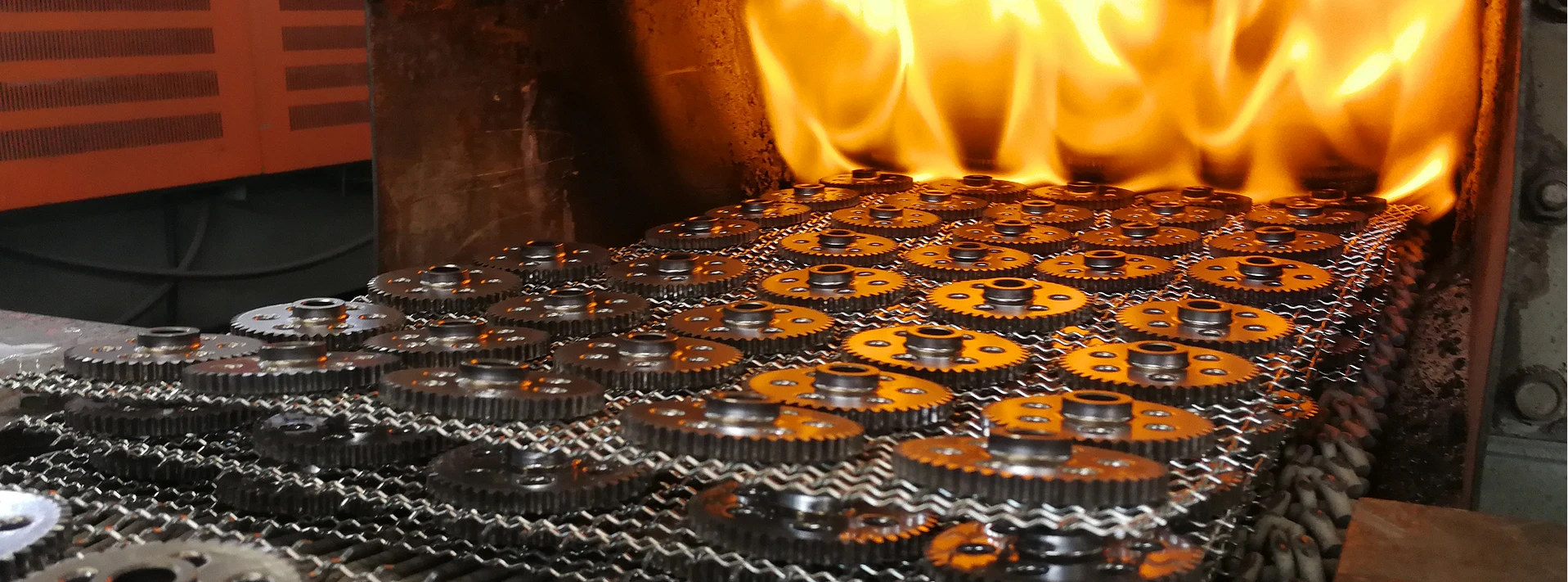
Leading girth gear manufacturers employ CNC hobbing machines achieving ±0.001mm positional accuracy. Advanced carburizing treatments enhance surface durability by 300% compared to traditional methods.
Global Manufacturer Capability Analysis
| Manufacturer | Max Diameter | Material Grade | Lead Time |
|---|---|---|---|
| Precision Gears Co | 8m | 18CrNiMo7-6 | 12 weeks |
| Industrial Drive Systems | 12m | 42CrMo4 | 16 weeks |
| Torque Solutions Ltd | 15m | 34CrNiMo6 | 20 weeks |
Customized Engineering Solutions
Specialized gear manufacturers offer:
- Modular tooth profiles (20°-35° pressure angles)
- Hybrid material compositions
- Integrated sensor-ready designs
Heavy Machinery Case Implementation
A Chilean copper mine achieved 23% energy reduction through custom 9.2m diameter girth gears, featuring:
- 620 HB surface hardness
- Modular replacement segments
- Real-time wear monitoring
Compliance and Certification Standards
Manufacturers must comply with:
- AGMA 2004-B89 (Accuracy Class 5)
- ISO 6336:2019 (Load Capacity)
- ASME B46.1 (Surface Texture)
Innovations Shaping Metal Gear Manufacturing
The industry is transitioning toward AI-driven predictive maintenance systems, with leading metal gear manufacturer
s investing 8-12% of revenue in digital twin technologies. Current R&D focuses on:
- Graphene-enhanced composites
- Additive manufacturing integration
- Smart surface coatings
(metal gear manufacturer)
FAQS on metal gear manufacturer
Q: What industries do metal gear manufacturers typically serve?
A: Metal gear manufacturers cater to industries like automotive, aerospace, mining, and heavy machinery. Their products are essential for power transmission systems requiring durability and precision.
Q: How do girth gear manufacturers ensure product reliability?
A: Girth gear manufacturers use advanced heat-treatment processes and precision machining. They adhere to strict quality standards like ISO certifications to guarantee performance in rotary kilns and mills.
Q: What materials are commonly used by gear manufacturers?
A: Gear manufacturers often use alloy steels, carbon steels, and specialized coatings. Material selection depends on application requirements, such as load capacity and environmental resistance.
Q: What factors should I consider when choosing a metal gear manufacturer?
A: Prioritize expertise in your industry, certifications, and custom design capabilities. Evaluate their production capacity and after-sales support for long-term reliability.
Q: Can gear manufacturers provide custom solutions for unique applications?
A: Yes, most gear manufacturers offer tailored designs using CAD/CAM technology. They collaborate closely with clients to meet specific torque, size, and operational demands.









