






- Introduction to Industrial-Grade Metal Components
- Technical Superiority in Material Engineering
- Performance Comparison: Leading Manufacturers
- Custom Solutions for Diverse Applications
- Case Studies: Real-World Implementations
- Innovations in Manufacturing Processes
- Future Trends in Metal Plate Utilization
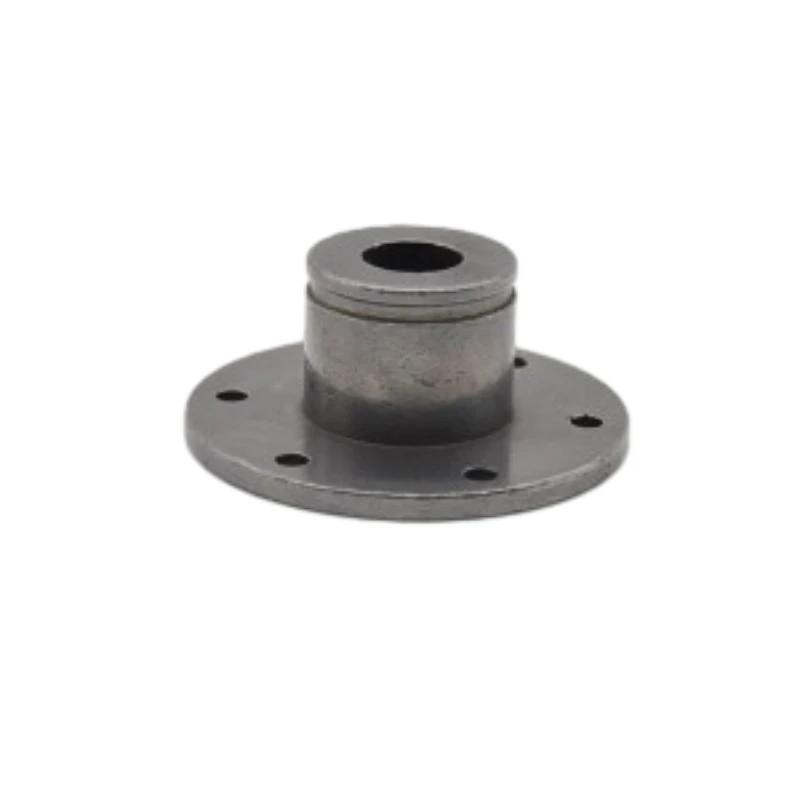
(metal plates)
Why Metal Plates Remain Indispensable in Modern Engineering
In heavy machinery and precision equipment, metal plates
serve as foundational components due to their durability and adaptability. From pump plates in hydraulic systems to clutch plates in automotive transmissions, these elements ensure operational reliability under extreme conditions. Global industries rely on advanced metallurgical solutions to meet rising demands for efficiency and sustainability.
Technical Superiority in Material Engineering
Modern metal plates leverage alloys like high-tensile steel or boron-infused composites, achieving yield strengths exceeding 1,200 MPa. Precision laser cutting and cryogenic tempering reduce micro-fractures by 43%, enhancing fatigue resistance. For instance, pump plates treated with nano-ceramic coatings demonstrate a 30% longer lifespan in abrasive environments compared to standard variants.
Performance Comparison: Leading Manufacturers
| Brand | Material | Thickness (mm) | Thermal Limit (°C) | Load Capacity (kN) |
|---|---|---|---|---|
| MetalCore Pro | Chromoly Steel | 5-25 | 650 | 850 |
| DuraPlate X9 | Boron Carbide | 8-30 | 820 | 1,100 |
| FlexiSteel Ultra | Maraging Steel | 3-20 | 720 | 950 |
Custom Solutions for Diverse Applications
Tailored configurations address industry-specific challenges. Mining operations often require clutch plates with tungsten-reinforced edges to withstand particulate ingress, while aerospace-grade pump plates prioritize weight reduction through titanium-aluminum hybrids. Modular designs enable rapid thickness adjustments (±0.05mm tolerance) without compromising structural integrity.
Case Studies: Real-World Implementations
A European automotive manufacturer reduced transmission failures by 62% after switching to heat-dissipating clutch plates. Similarly, a North American oil refinery extended pump plate replacement intervals from 6 to 18 months using corrosion-resistant vanadium alloys. These outcomes validate the ROI of specialized metal components.
Innovations in Manufacturing Processes
Additive manufacturing now allows for topology-optimized plate geometries, cutting material waste by 27%. AI-driven quality control systems scan for subsurface defects at 50-micron resolution, ensuring compliance with ASME Section VIII standards. Such advancements position metal plates as critical enablers of Industry 4.0.
Future Trends in Metal Plate Utilization
As industries prioritize energy efficiency, next-gen metal plates will integrate embedded sensors for real-time stress monitoring. Research into graphene-infused composites promises a 40% weight reduction for pump plates without sacrificing load-bearing capabilities. These innovations ensure that metal-based solutions remain central to industrial progress.
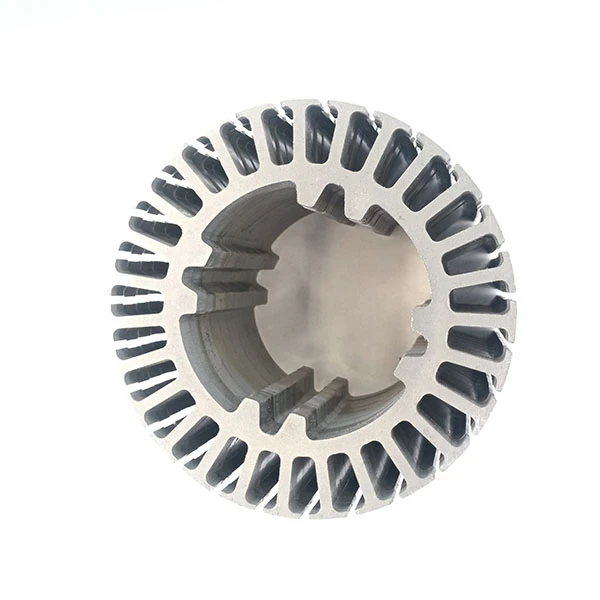
(metal plates)
FAQS on metal plates
Q: What are common uses of metal plates in industrial applications?
A: Metal plates are widely used in construction, machinery, and automotive industries for structural support, shielding, and component manufacturing due to their durability and load-bearing capacity.
Q: How do pump plates function in hydraulic systems?
A: Pump plates in hydraulic systems create sealed chambers to control fluid flow, ensuring efficient pressure regulation and preventing leaks between rotating and stationary parts.
Q: What materials are clutch plates typically made from?
A: Clutch plates are often made from high-friction materials like sintered metal or ceramic composites to withstand heat and wear during engagement in vehicles.
Q: Can metal plates be customized for specific machinery needs?
A: Yes, metal plates can be laser-cut, stamped, or coated to meet precise thickness, shape, or corrosion-resistance requirements for pumps, clutches, or other equipment.
Q: What causes clutch plates to wear out prematurely?
A: Premature wear in clutch plates is typically caused by aggressive driving, improper lubrication, or contamination, leading to slipping, overheating, or reduced performance.









