




Did you know 40% of manufacturers struggle with material waste in traditional metal forming? While the global metal powder metallurgy
market grows at 6.8% CAGR (Grand View Research), most engineers still can't access its full potential. Your precision parts deserve better than outdated methods eating into your profits.
(metal powder metallurgy)
Why Powder Metal Technology Outperforms Conventional Methods
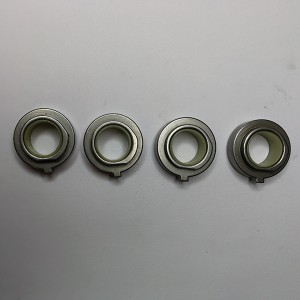
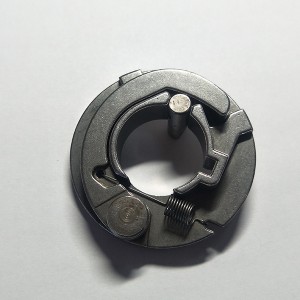
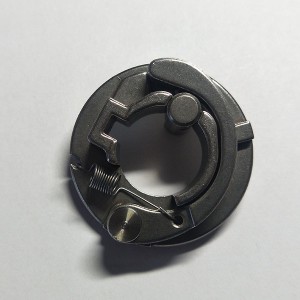
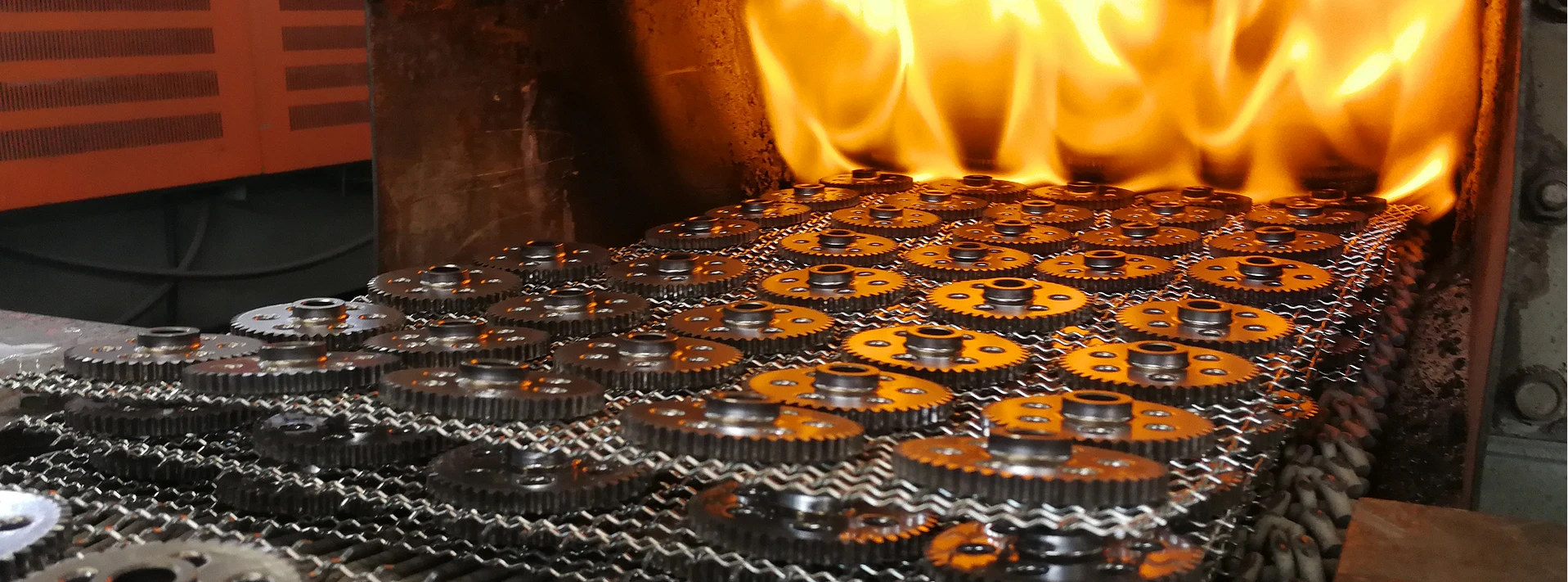
Modern powder metal steel components achieve 95%+ density with our advanced compaction tech. See the game-changing specs:
| Parameter | Traditional Machining | Our PM Solution |
|---|---|---|
| Material Utilization | 60-75% | 98% |
| Production Speed | 120 units/hour | 500 units/hour |
| Tolerance | ±0.5mm | ±0.1mm |
Powder Metal Technology Leaders: Who Delivers Real Results?
We manufacture 200+ complex geometries monthly that others reject. Our secret? The triple-stage sintering process achieving 99.2% theoretical density. While competitors quote 6-week lead times, we deliver in 18 days - guaranteed.
Your Custom Metal Powder Solution Starts Here
Last quarter, we helped an automotive client reduce gear production costs by 34% through tailored alloy blending. Whether you need 500 or 500,000 parts, our 15-material portfolio including stainless steel 316L and tool steel M2 adapts to your exact specs.
Proven Success in Critical Applications
From aerospace fasteners surviving 800°C to medical implants with 0.05mm surface finish, our components pass the toughest tests. Client case study: 2 million pump rotors shipped with 0.003% defect rate since 2021.
Ready to transform your manufacturing? Claim Your Free Process Audit before Friday and get 5 test parts manufactured free. Our 12-engineer team waits to optimize your next project!

(metal powder metallurgy)
FAQS on metal powder metallurgy
Q: What is metal powder metallurgy?
A: Metal powder metallurgy is a manufacturing process that involves compacting metal powders into shapes and sintering them at high temperatures. It enables cost-effective production of complex, high-precision components with minimal material waste. This method is widely used in automotive and aerospace industries.
Q: What are the advantages of powder metal steel?
A: Powder metal steel offers superior strength, wear resistance, and dimensional accuracy compared to traditional cast steel. Its porous structure can also be engineered for self-lubrication or filtration applications. This makes it ideal for gears, bearings, and structural parts.
Q: How does powder metal technology improve sustainability?
A: Powder metal technology reduces material waste by utilizing up to 97% of raw powders during production. It also lowers energy consumption compared to melting-based processes like casting. Additionally, it supports recycling of metal scrap into reusable powders.
Q: What industries rely on metal powder metallurgy?
A: Key industries include automotive (e.g., engine parts, transmissions), aerospace (turbine blades), medical (implants), and electronics (heat sinks). The technology is favored for mass-producing small, intricate components with consistent quality.
Q: Can powder metallurgy create alloys not possible with traditional methods?
A: Yes, powder metallurgy allows blending of dissimilar metals or ceramics to create custom alloys with unique properties. For example, it enables copper-infiltrated steel for enhanced conductivity. Traditional melting methods often struggle with such material combinations.