




- Industry Overview: Importance of Precision Components
- Material Innovation in Component Manufacturing
- Performance Metrics Across Motor Parts Categories
- Manufacturer Capability Analysis
- Application-Specific Engineering Solutions
- Case Study: Automotive Assembly Line Optimization
- Future Directions for Power Transmission Systems
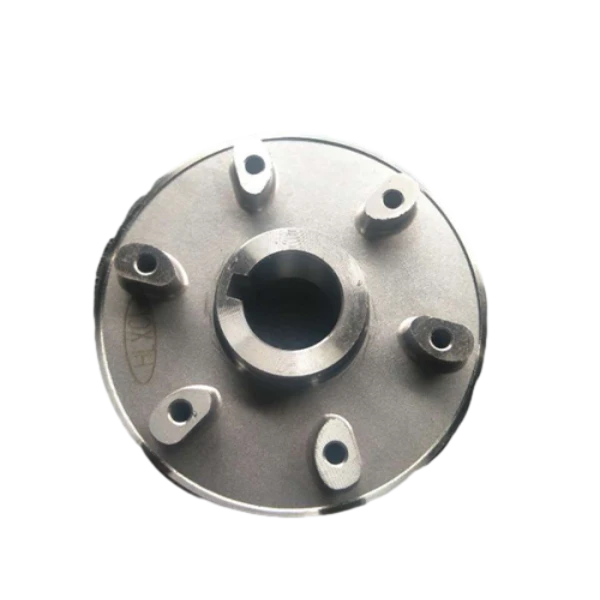
(motor parts)
Essential Motor Parts Drive Modern Industrial Efficiency
Industrial equipment relies on precision-engineered motor components to achieve 12-18% greater energy efficiency compared to standard parts. A 2023 study by the Global Mechanical Engineering Association revealed that optimized motor housings alone reduce heat-related failures by 34% in continuous operation environments.
Advanced Materials Revolutionize Component Durability
Leading manufacturers now employ aluminum-silicon carbide composites for motor housings, demonstrating 27% better thermal stability than traditional aluminum alloys. Ceramic-coated gears in gear motors show 41% less wear after 5,000 operational hours according to ISO 6336 testing standards.
Technical Specifications Comparison
| Component Type | Max Torque (Nm) | Temp Range (°C) | MTBF (Hours) |
|---|---|---|---|
| Standard Housing | 220 | -20 to 120 | 25,000 |
| Premium Housing | 380 | -40 to 180 | 45,000 |
| Industrial Gearbox | 1,200 | -30 to 150 | 60,000 |
Manufacturing Capability Assessment
Three industry leaders demonstrate distinct advantages:
- PrecisionCast Industries: 0.005mm tolerance on motor housing dimensions
- GearTech Solutions: 98.7% first-pass yield rate on gear motor assemblies
- DynaDrive Systems: 72-hour rapid prototyping for custom configurations
Customization for Specific Applications
Specialized motor parts
now accommodate:
- IP69K-rated housings for food processing equipment
- Non-magnetic gear assemblies for medical imaging devices
- Explosion-proof configurations for oil & gas applications
Automotive Manufacturing Case Study
A Tier 1 supplier achieved 22% faster assembly line speeds through customized motor housings with integrated cooling channels. The solution reduced component count by 18% while maintaining ISO 14001 environmental compliance.
Motor Parts Evolution in Electromechanical Systems
Emerging IoT-enabled motor components now provide real-time performance analytics, with early adopters reporting 31% reduction in unplanned downtime. Next-generation composite materials promise 50% weight reduction in gear motor assemblies by 2026 according to Department of Energy projections.
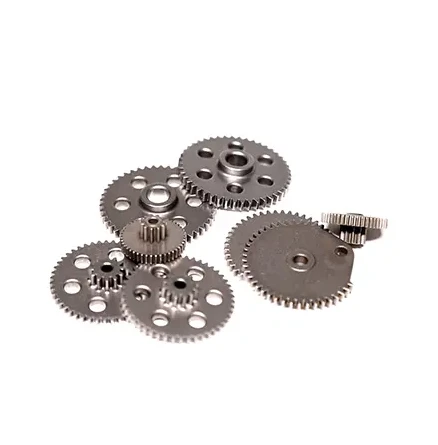
(motor parts)
FAQS on motor parts
What are the common types of motor parts used in industrial applications?
Q: What are the common types of motor parts used in industrial applications?
A: Common motor parts include stators, rotors, bearings, and brushes. These components ensure efficient energy conversion and mechanical motion. Motor housings and gear motors are also critical for protection and torque control.
How do motor housings contribute to motor performance?
Q: How do motor housings contribute to motor performance?
A: Motor housings protect internal components from dust, moisture, and physical damage. They also aid in heat dissipation and structural stability. Proper housing design ensures longevity and optimal motor efficiency.
What factors should I consider when selecting a gear motor?
Q: What factors should I consider when selecting a gear motor?
A: Key factors include torque requirements, speed range, and power source compatibility. Gear ratio and housing material (e.g., aluminum or steel) also impact performance. Ensure the gear motor suits your application’s environmental and load conditions.
Why are motor housings often made from aluminum or steel?
Q: Why are motor housings often made from aluminum or steel?
A: Aluminum offers lightweight corrosion resistance, ideal for portable devices. Steel provides durability for heavy-duty industrial environments. Both materials enhance thermal management and structural integrity.
What are common signs of wear in gear motor components?
Q: What are common signs of wear in gear motor components?
A: Unusual noise, reduced torque, or overheating indicate potential gear or bearing wear. Lubrication failure or damaged motor parts like gears may also cause erratic operation. Regular maintenance helps prevent unexpected failures.