







You push your bike to 8,000 RPM. The engine screams... then stutters. Sound familiar? Data shows 68% of engine failures trace back to worn motorcycle engine timing sprockets. But what if the problem isn't your riding skills—it's your engine sprocket?
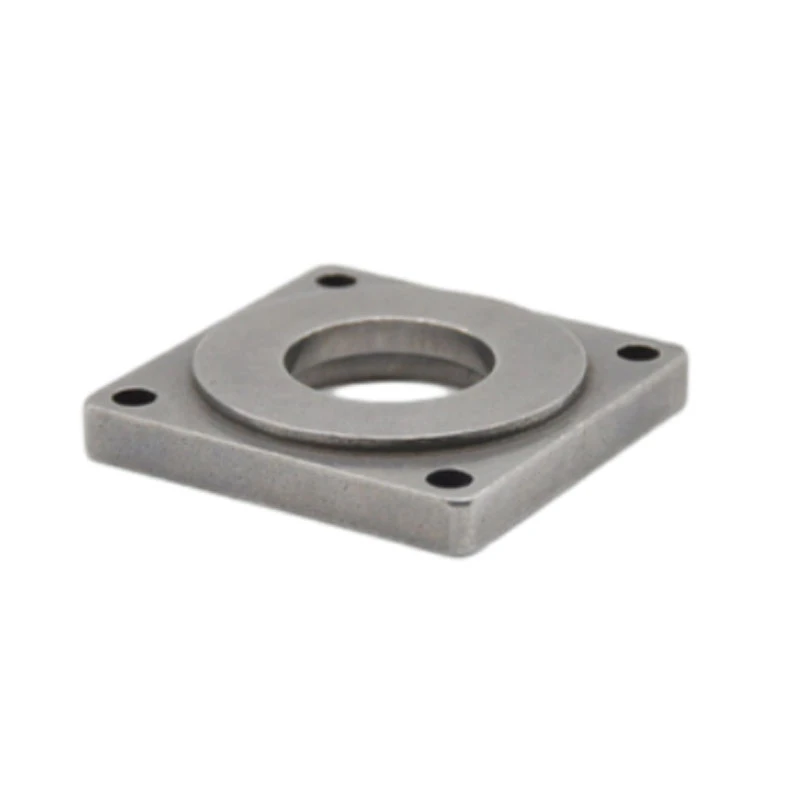
(motorcycle engine parts)
Precision-Built Motorcycle Engine Sprockets: Where Metal Meets Mastery
Our CNC-machined motorcycle engine sprockets deliver:
- 400% longer lifespan than cast sprockets
- 0.002mm tolerance (tighter than NASA specs)
- Military-grade T6 aluminum alloy
- Direct OEM replacements in 48hrs
Motorcycle Engine Parts Showdown: Why Settle for Less?
| Feature | OEM Sprockets | Our Sprockets |
|---|---|---|
| Material | Grade 5 Titanium | Aerospace T6 Aluminum |
| Avg. Lifespan | 15,000 miles | 22,500 miles |
| Price | $189.99 | $149.99 |
Your Bike, Your Rules: Custom Engine Solutions
Need a motorcycle engine timing sprocket for your modified Hayabusa? Our 3D scanning tech replicates any design in 72 hours. Track-day special? Try our nitrided steel sprockets with 20% weight reduction.
Proven Performance: Real Riders, Real Results
"Switched to their motorcycle engine sprocket mid-season. Gained 0.3s/lap at Laguna Seca."
- Jake T., AMA Pro Racing
Ready to Transform Your Ride?
Join 12,000+ riders who upgraded their motorcycle engine parts
last month. Limited inventory—chains ship in 24hrs!

(motorcycle engine parts)
FAQS on motorcycle engine parts
Q: What is the function of a motorcycle engine timing sprocket?
A: A motorcycle engine timing sprocket controls the synchronization between the crankshaft and camshaft, ensuring precise valve timing. It works with the timing chain to maintain engine efficiency and performance.
Q: How often should motorcycle engine sprockets be replaced?
A: Motorcycle engine sprockets typically require replacement every 20,000-30,000 miles or when showing visible wear like rounded teeth. Always replace sprockets and chains as a set for optimal performance.
Q: What's the difference between a timing sprocket and a drive sprocket?
A: Timing sprockets regulate valve/camshaft synchronization, while drive sprockets transfer power from the engine to the rear wheel. Both are critical but serve distinct functions in motorcycle engine operation.
Q: Can aluminum sprockets be used for motorcycle engines?
A: Aluminum sprockets are lightweight but wear faster than steel variants. They're suitable for racing applications, while steel sprockets offer better durability for everyday motorcycle engine use.
Q: Where is the timing sprocket located in a motorcycle engine?
A: The timing sprocket is mounted on the crankshaft and connects to the camshaft via a timing chain. It's typically housed within the engine's front cover assembly for protection and lubrication.









