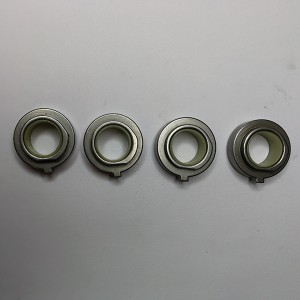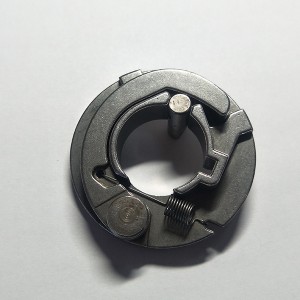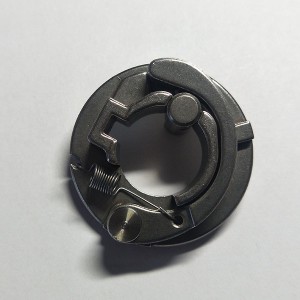
Inside the Sintered Oil Pump Rotor: What’s Really Driving Your Lubrication System
If you’ve ever torn down an engine at 2 a.m. (been there), you know the quiet hero is the oil pump gear and its rotor. This small, dense component decides whether bearings live a long life or get an early retirement. Lately, the market has been moving hard toward precision powder metallurgy rotors—mainly for tighter tolerances, quieter operation, and cost stability even when steel prices wobble.
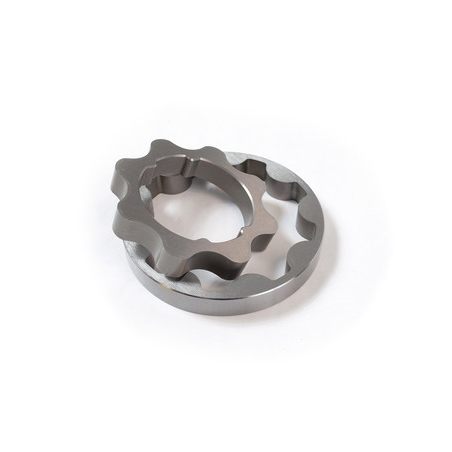
Product snapshot: Sintered Oil Pump Rotor (OEM)
Origin: TIANSHAN INTERNATIONAL MANUFACTURING INDUSTRY PARK NO.57, YUANSHI, SHIJIAZHUANG CITY, HEBEI PROVINCE, CHINA. Brand: OEM. Certificates: ISO9001, TS16949. Many customers say the rotors “just drop in” and run quietly after a short bedding-in period—no drama.
Specifications (typical, real-world use may vary)
| Material Standards | SMF Series (F/FC/FN) per MPIF 35; DIN 30910; JIS Z2550 |
| Density | ≈ 6.4–7.9 g/cm³ |
| Hardness | HRA 55–79 |
| Tensile Strength (max) | ≈ 1250 MPa |
| Yield Strength (max) | ≈ 700 MPa |
| Weight Range | 1 g – 1.5 kg |
| Surface | No crumbling, cracks, exfoliation, voids, pitting; Steam oxidation / Oil impregnation / Polishing |
| Inspection | 100% full inspection; CMM/roundness/profile as needed |
| Capacity | ≈ 100,000 pcs/month |
How it’s made (quick process flow)
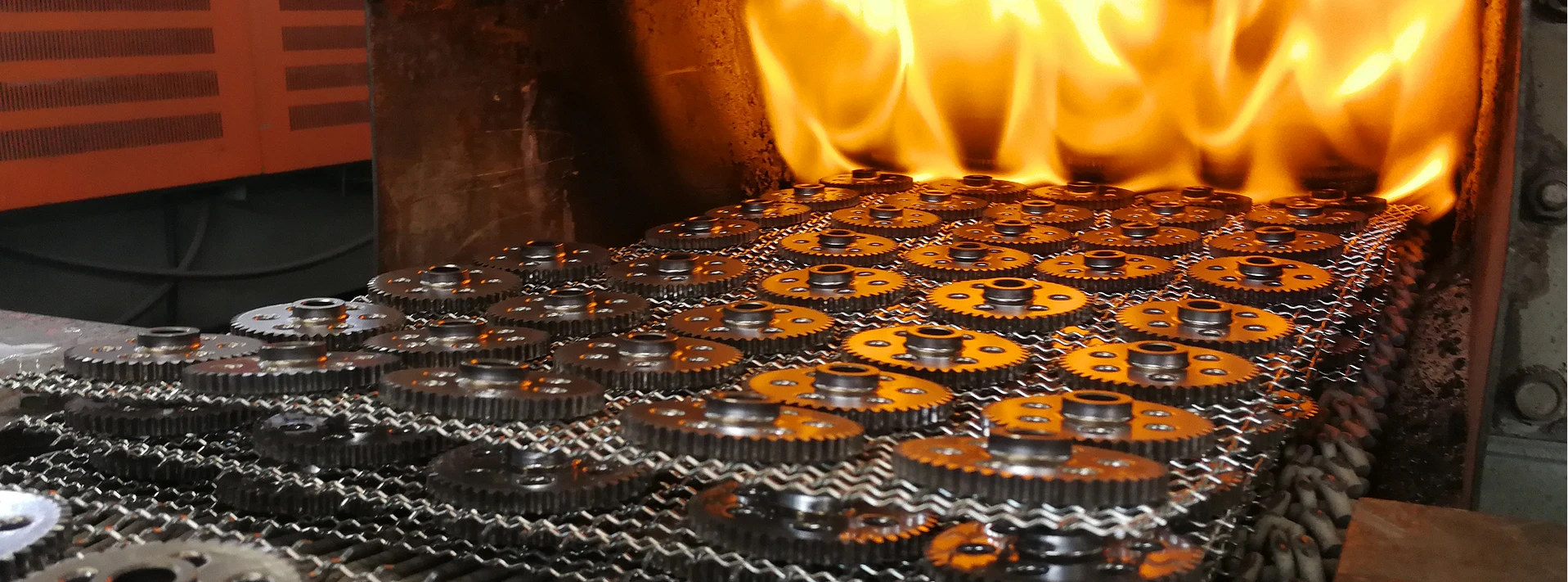
Powder selection (F/FC/FN grades) → tooling and cold compaction → controlled-atmosphere sintering → sizing/coin for accuracy → optional heat treat → steam oxidation for wear/corrosion balance → oil impregnation for startup lubrication → polishing → 100% inspection. Testing follows MPIF 35 sampling, density checks (Archimedes), hardness HRA, tensile bars, and dimensional Cmk. To be honest, the steam-oxidized finish still feels underrated for scuff resistance.
Where it works
- Automotive and motorcycle engine pumps (primary)
- Compact hydraulic transfer pumps
- Small diesel, agricultural, and garden equipment
- Marine auxiliaries where quiet cavitation control matters
Service life in typical passenger vehicles: ≈150,000–300,000 km, assuming clean oil and normal ΔP. In fleet duty, we’ve seen longer—but contamination is the silent killer of any oil pump gear-rotor set.
Advantages I’ve seen in the field
- Tight clearances with repeatable porosity, so priming is reliable
- Lower NVH compared to cut gears—surprisingly noticeable at idle
- Cost stability and lower scrap vs. machined profiles
- Fast customization for tooth/gerotor profiles and keyways
Customization levers
Geometry tweaks (inner/outer rotor profile), density targets, anti-scuff finishes, traceability (laser codes), and balanced pairs per ISO 1940-1 if the pump design is sensitive. If you’re pairing with an existing oil pump gear, ask for matched rotor-stator sets and actual Cp/Cpk data.
Vendor comparison (snapshot)
| Vendor | Certs | Inspection | Lead Time | Customization |
|---|---|---|---|---|
| JSSintering (Hebei) | ISO9001, TS16949 | 100% full inspection; CMM, hardness, density | ≈ 4–6 weeks after tooling | High; profiles, density, finishes |
| Supplier A | ISO9001 | Sampling-based | 6–8 weeks | Medium |
| Supplier B | ISO9001/ISO14001 | SPC on key dims | ≈ 8–10 weeks | Medium–High |
Field case: cutting pump noise and scrap
A Tier-2 pump builder swapped a machined inner rotor for a sintered design with steam oxidation. Result after PPAP: idle noise down by ≈1.8 dB(A), cold-start pressure rise improved by ~6%, and scrap in the pairing operation dropped from 2.3% to 0.6%. The only change? Rotor porosity control and a tighter fit to the oil pump gear profile.
Standards and test data anchors
Conformance guided by MPIF 35 for ferrous P/M, DIN 30910 and JIS Z2550 for classification. PPAP/TS16949 routines apply, and we’ve seen customers request ISO 1940-1 balance checks on paired rotors. For hardness, HRA testing per applicable ASTM/ISO methods; density via Archimedes. Honestly, the best predictor is still process capability—ask for Cpk ≥ 1.67 on critical fits.
If you’re troubleshooting pressure ripple or cavitation, don’t just blame the oil pump gear. Look at rotor side clearances, oil viscosity at start-up, and any micro-burrs in the cover plate. It’s usually a stack-up story.
References
- Metal Powder Industries Federation (MPIF) Standard 35: Materials Standards for PM Structural Parts [1]
- ISO/TS 16949 Automotive Quality Management Requirements [2]
- DIN 30910 and JIS Z2550 classifications for sintered metals; ISO 1940-1 balancing guidance [3]
[1] mpif.org | [2] iso.org | [3] din.de / jis.org / iso.org