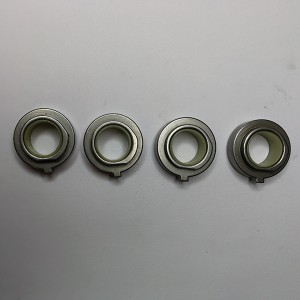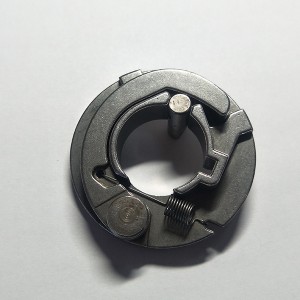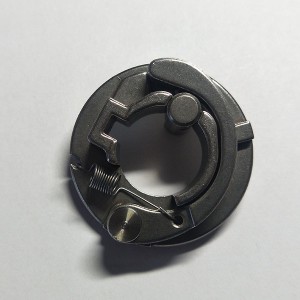





Pump plates and the quiet revolution in oil pump hardware
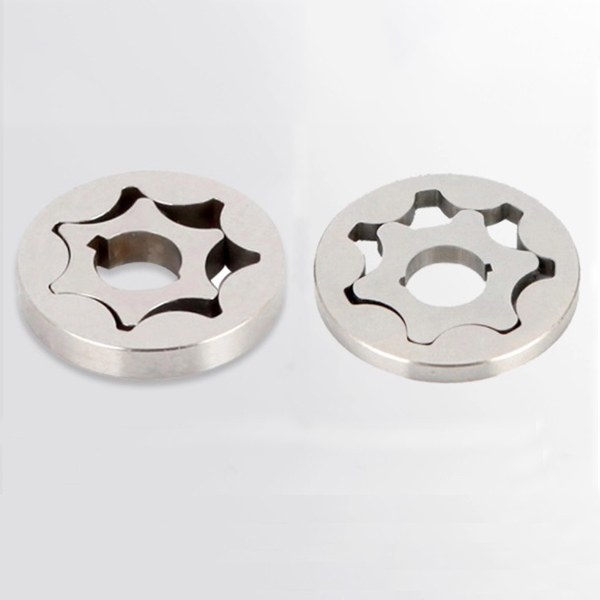
If you spend time on shop floors, you notice the small parts do the heavy lifting. Case in point: pump plates. They’re often paired with high-strength rotors inside oil and hydraulic pumps, and—believe it or not—the geometry and surface finish of these components can make or break a powertrain’s NVH and efficiency story. I’ve seen designers obsess over tooth profiles, then quietly admit the “flat” components taught them more about leakage than any CFD run.
What’s trending (and why it matters)
Electrification hasn’t killed oil pumps; it’s changed them. Hybrid transmissions, e-axle thermal loops, and compact hydraulic units want thinner pump plates, higher hardness rotors, and tighter leakage control. Noise caps are stricter, and OEMs now ask suppliers for porosity control and steam oxidation as standard—because durability data talks.
Flagship component: Customized High Strength Oil Pump Rotor
Made in TIANSHAN INTERNATIONAL MANUFACTURING INDUSTRY PARK NO.57, YUANSHI, SHIJIAZHUANG CITY, HEBEI PROVINCE, CHINA, this OEM rotor sits right beside your pump plates and governs volumetric efficiency. The manufacturer works to ISO9001 and TS/IATF 16949 expectations, which—frankly—is table stakes for automotive, but still worth stating.
| Spec | Details (≈ values; real-world use may vary) |
|---|---|
| Product name | Customized High Strength Oil Pump Rotor (mates with pump plates) |
| Material standards | SMF Series; F/FC/FN series; MPIF 35; DIN 30910; JIS Z2550 |
| Weight range | 1 g – 1.5 kg |
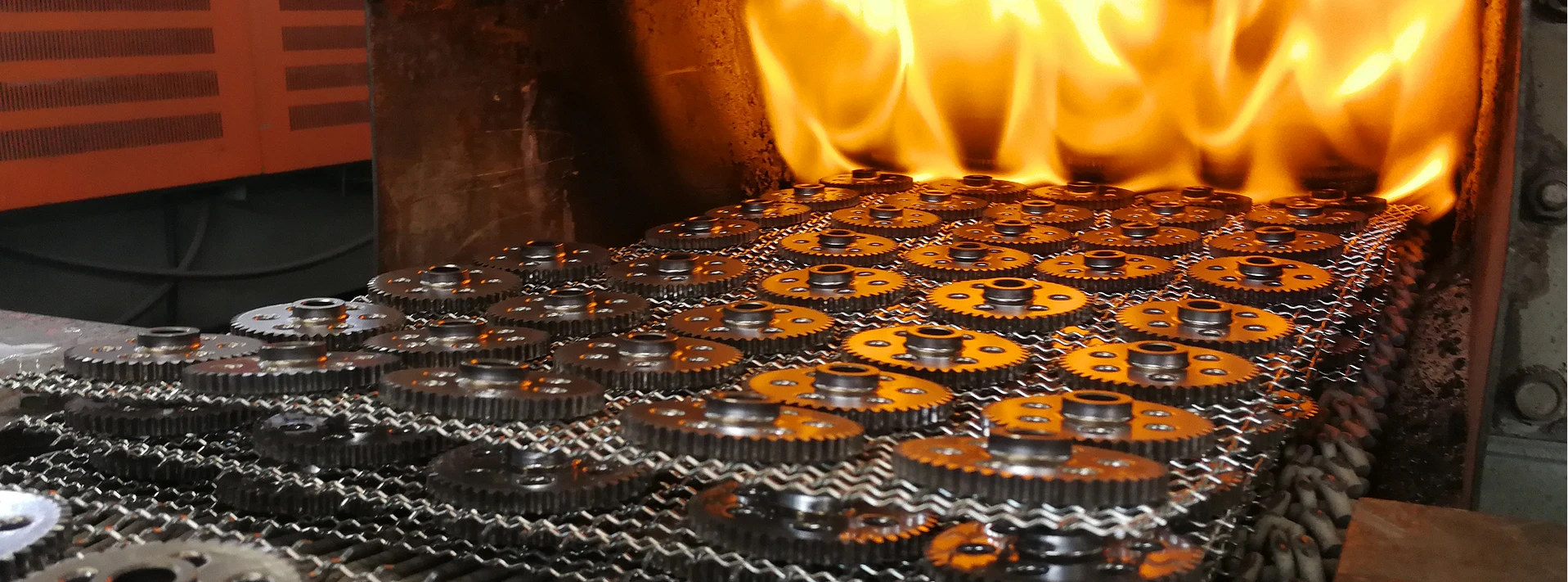
| Process | Powder Metallurgy → Sintering → Sizing → Machining → Heat Treatment → Surface finishing |
| Surface treatments | Quenching, steam oxidation, oil impregnation, e-coating, vibration grinding |
| Tolerances | ISO 2768-m; H14/h14; ± IT14/2 |
| Typical properties | Density 6.7–7.3 g/cm³; Hardness ≈ HRC 35–58 (post-quench); Ra ≈ 0.8–1.6 μm (after grind) |
| Service life | ≈ 8,000–12,000 h in engine oil duty with proper filtration (ISO 4406 cleanliness), oil-dependent |
| Appearance | No crumbling, cracks, or exfoliation; edges blended per drawing |
Process flow, testing, and standards
- Materials: Fe, Fe-Cu, Fe-Ni per MPIF 35; custom alloying for wear vs. cost balance.
- Methods: PM compaction → controlled-atmosphere sintering → sizing/calibration → CNC finish.
- Treatments: Steam oxidation to seal porosity; quench/temper for hardness; oil impregnation for lubricity—great for pump plates pairing.
- Testing: Dimensional per ISO 2768; microstructure per MPIF guidelines; hardness per ISO 6508; endurance bench (e.g., 400 h duty cycles); leak-down and NVH checks.
- Certifications: ISO 9001; TS/IATF 16949 conformance for automotive PPAP routines.
Applications and advantages
Automotive oil pumps, transmission pumps, e-axle thermal loops, light industrial hydraulics. Advantages: tighter internal leakage with matched pump plates, improved scuff resistance post-steam oxidation, and predictable porosity for oil film retention. In fact, several customers report 0.5–1.2 dB(A) NVH reductions after re-profiling the plate/rotor interface—small, but audible.
Vendor snapshot (quick reality check)
| Vendor | Process | Certs | MOQ | Lead time | Customization |
|---|---|---|---|---|---|
| OEM (Hebei) | PM + machining + steam oxidation | ISO9001, TS/IATF 16949 | ≈ 1,000 pcs | 4–6 weeks | Tooth profile, plate thickness, surface finish |
| Vendor A | Investment casting + grind | ISO9001 | ≈ 500 pcs | 6–8 weeks | Moderate |
| Vendor B | Full CNC from bar | ISO9001 | ≈ 100 pcs | 2–4 weeks | High, but $↑ per unit |
Customization notes
We’ve seen the best gains by co-developing rotor-lobe geometry with pump plates thickness and flatness (≤ 10 μm TIR on sealing faces). Also: specify oil cleanliness targets early; it saves you from over-hardening and brittleness later.
Mini case files
- EU Tier-1 hybrid pump: plate/rotor redesign + steam oxidation cut start-up scuffing by ≈ 38% in a 500 h cold-cycle bench.
- China ag-equipment pump: thicker pump plates (by 0.3 mm) stabilized backlash; field failures dropped from 0.8% to 0.2% over one harvest season, per customer QA.
Citations: