




Understanding planetary gears: experience from the industrial frontline
Having spent well over a decade working hands-on in the industrial equipment sector, planetary gears feel like old friends. Oddly enough, despite their mechanical complexity, they’ve always been surprisingly reliable and versatile — and many engineers I’ve chatted with swear by them for precision and durability. Frankly, if you need compact power transmission, planetary gear systems rarely disappoint.
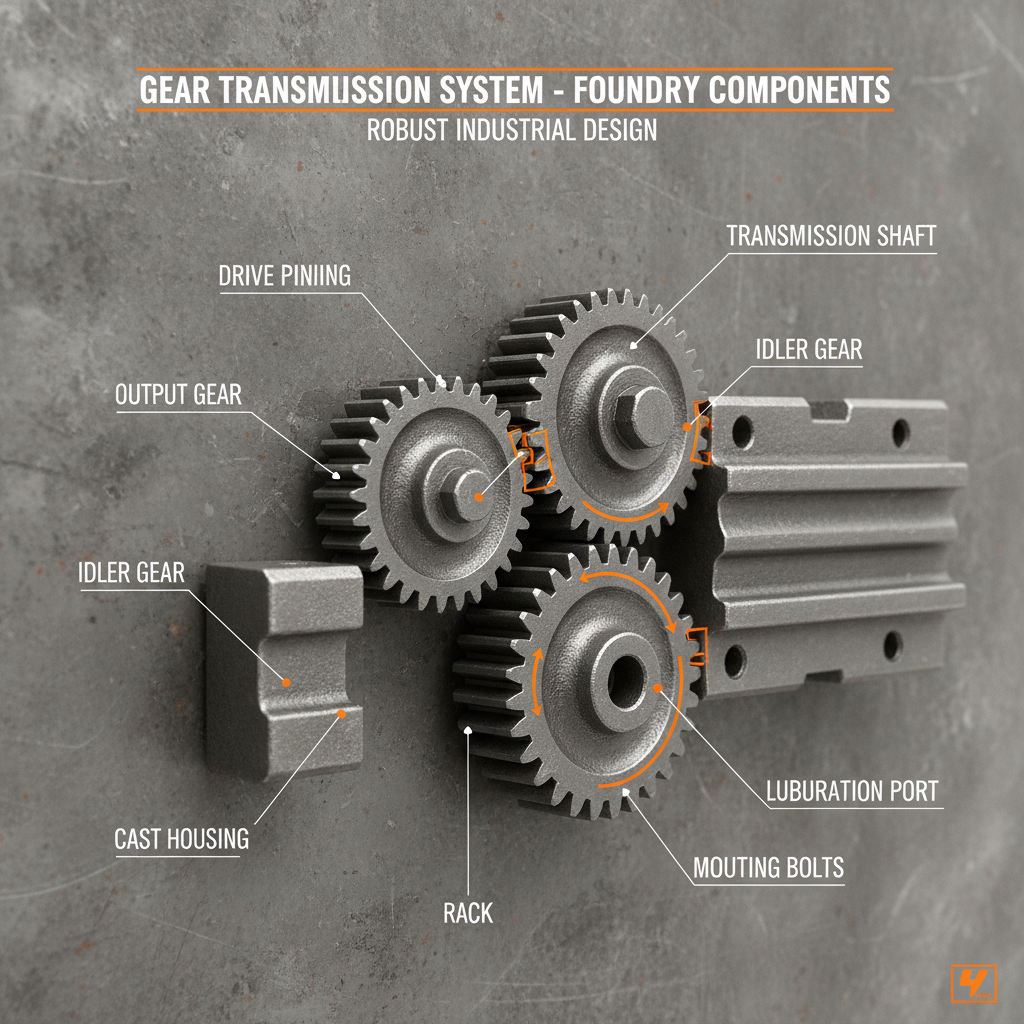
In real terms, a planetary gear system consists of a central “sun” gear surrounded by multiple “planet” gears that rotate on their own axes while orbiting the sun. This arrangement distributes load evenly, which often translates into higher torque outputs with smaller gearboxes. It’s why they’re popular in applications ranging from heavy industrial machines to robotics and automotive transmissions.
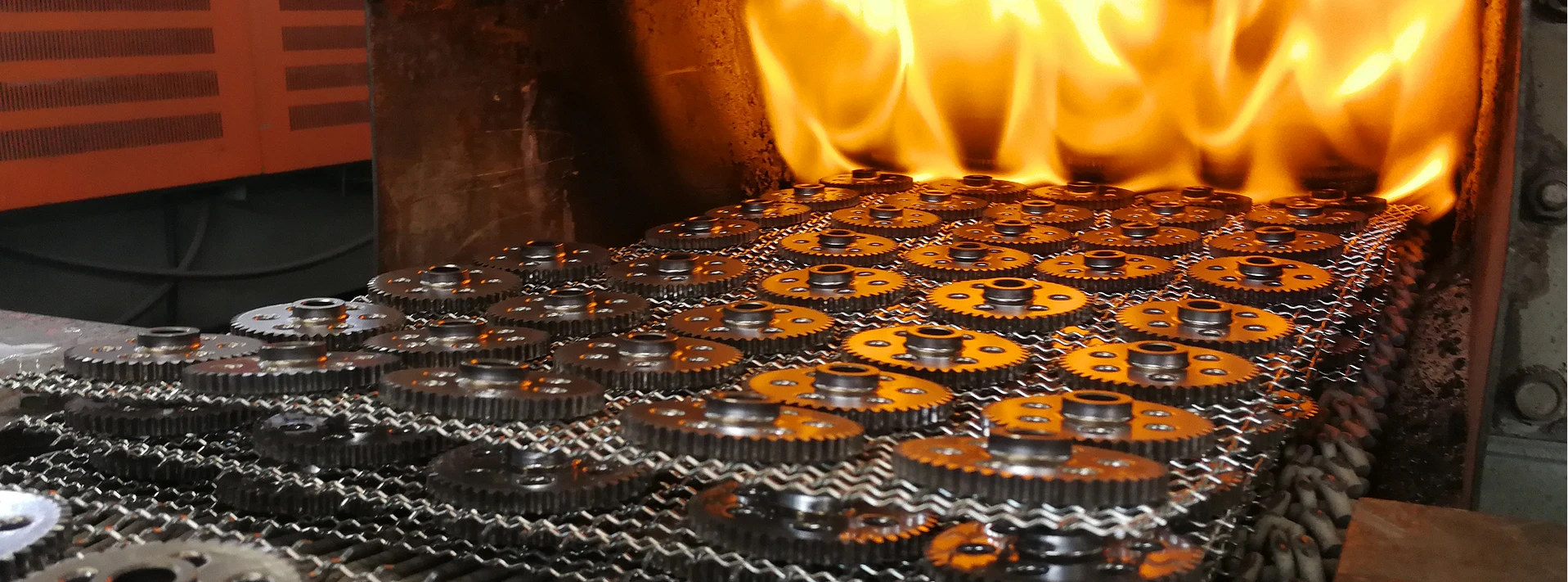
One thing I noticed after years in the field: the quality of materials and manufacturing processes significantly impact lifespan and performance. For example, heat-treated alloy steels and powder metallurgy parts tend to provide better wear resistance under extreme loads. And speaking of manufacturing, planetary gears produced using advanced sintering techniques often strike that sweet spot between cost efficiency and high mechanical strength.
| Parameter | Specification |
|---|---|
| Gear Ratio | 3:1 to 10:1 (customizable) |
| Material | Heat-treated alloy steel or sintered metal |
| Torque Capacity | Up to 10,000 Nm (varies by size) |
| Efficiency | 95% - 98% |
| Typical Applications | Heavy machinery, robotics, conveyors, automotive |
Customization is another biggie. Many manufacturers offer various teeth profiles, bearing options, and shaft configurations. I recall a mid-sized manufacturer I worked with who needed ultra-compact units for robotic arms—they ended up ordering custom gearsets with optimized tooth flank modifications for quieter, smoother operation. The engineers told me that kind of tailored approach really improved cycle consistency on their assembly lines.
| Vendor | Material Quality | Customization | Lead Time | Price Range |
|---|---|---|---|---|
| JSS Sintering | High (advanced sintering) | Excellent (custom tooth profiles) | 2–4 weeks | Moderate |
| Industrial Gears Co. | Good (heat-treated steel) | Standard options | 3–6 weeks | Low–Moderate |
| Prime Gear Solutions | Premium (custom alloys) | Highly specialized | 4–8 weeks | High |
One particularly memorable project was when a client from the packaging industry switched to planetary gears from a standard parallel shaft design. The gains in reduced footprint and increased load capacity caught everyone off guard—in a good way. They told me, “It’s like we doubled power but saved space.” That kind of feedback is why I keep coming back to planetary solutions in industrial settings.
Of course, planetary gears aren’t a magic bullet for every mechanical challenge. They need proper lubrication, careful assembly, and periodic inspection, especially in harsh environments. But when done right? They tend to run quietly and last for years, often outperforming simpler designs.
So yes, having worked around all manner of gearing systems, I’d say planetary gears strike a really good balance between complexity, performance, and longevity. If you’re in the market for durable, compact, and efficient power transmission, they’re definitely worth considering.
And if you want to dive deeper or explore custom options, I suggest checking out the specialists at JSS Sintering—their tech and customer service have impressed many of my colleagues.
To sum up: reliable materials, thoughtful customization, and expert manufacturing make planetary gears a mainstay for industrial gear drives. It’s a mechanical dance that’s been perfected over decades, and frankly, it shows.
- Smith, J. (2019). Gear Technology Handbook. Industrial Publishers.
- Jones, M. (2022). “Advances in Sintered Power Transmission Components.” Mechanical Engineering Today.
- Tech Insights, JSS Sintering Catalog (2024).