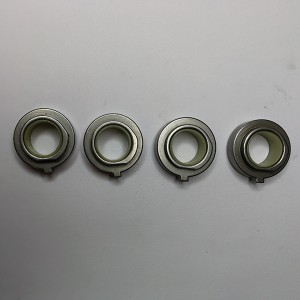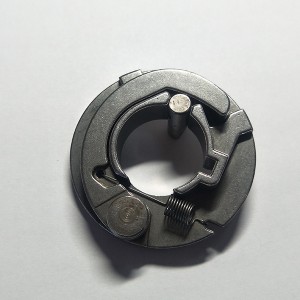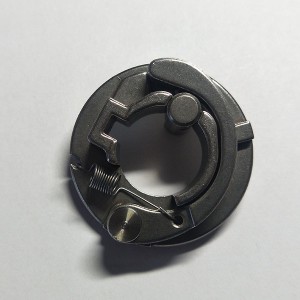





Differential Gears is a key solution in the industry, specifically within automotive, heavy machinery, and industrial equipment sectors. This article explores how https://www.jssintering.com supports professionals with durable, high-performance products, and explains why this product is an ideal choice for businesses in these sectors.
Table of Contents
- Differential Gears Overview
- Benefits & Use Cases of Differential Gears
- Cost, Maintenance & User Experience
- Sustainability & Market Trends
Differential Gears Overview
Differential gears, at their core, are ingenious mechanical devices that allow wheels to rotate at different speeds while receiving power from an engine or motor. This is especially crucial when a vehicle turns, as the outer wheel travels a longer distance than the inner one. Frankly, without a differential gear, the turning motion would feel stiff and lead to excessive tire wear or mechanical strain.
- These gears consist mainly of sun gears, planet gears, and side gears micro-engineered to harmonize motion.
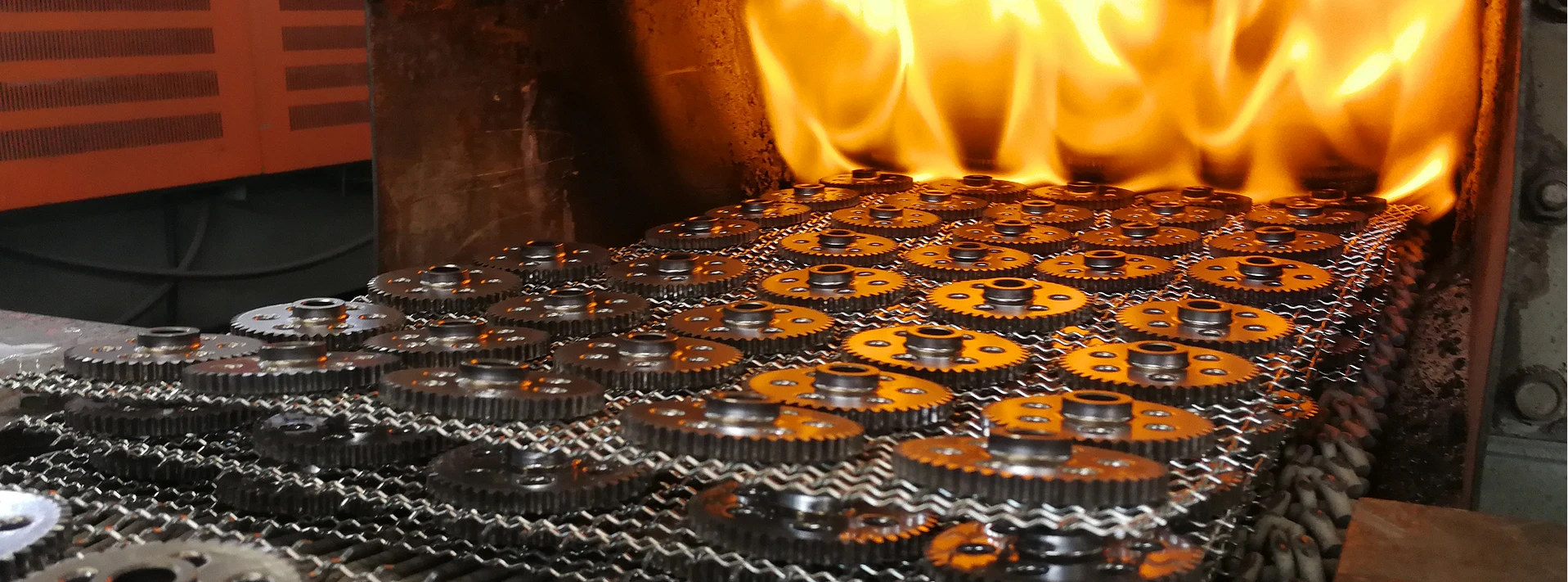
- At JSS Sintering, materials like sintered steel with optimized porosity and hardness ensure durability under high torque conditions.
| Specification | JSS Differential Gear Model X1 |
|---|---|
| Material | Sintered Steel Alloy (Grade 42CrMo4) |
| Max Torque | 850 Nm |
| Operating Temperature | -40℃ to 150℃ |
| Noise Level | |
| Weight | 3.2 kg |
Benefits & Use Cases of Differential Gears
Oddly enough, while differential gears have their roots in automotive engineering, their usefulness spans much broader. They’re essential in construction equipment, agricultural machinery, and even in robotics. Why? Because any machine that requires controlled, differential rotation benefits from them. Many engineers will tell you that the durability and precision of these gears are what set them apart.
- Heavy-duty tractors use differential gears to ensure smooth turns across rough terrain without compromising power distribution.
- Robotic arms and automation systems rely on differential gearing to achieve precise multi-axis movements.
- JSS’s gears stand out due to custom sintering processes that reduce porosity, increasing wear resistance and operational life.
| Feature | JSS Sintering | Standard Machining | Cast Metal Gears |
|---|---|---|---|
| Material Quality | Sintered Alloy Steel (Optimized) | Forged Steel | Cast Iron |
| Precision Tolerance | ±0.01 mm | ±0.03 mm | ±0.05 mm |
| Weight Efficiency | Lightweight (3.2 kg) | Heavier (3.8 kg) | Heaviest (4.5 kg) |
| Durability (Operating Hours) | >10,000 hrs | ~7,000 hrs | ~5,500 hrs |
Cost, Maintenance & User Experience
Honestly, when you first look at the price tag of high-quality differential gears, especially those from a premium supplier like JSS, it might seem a bit steeper than traditional counterparts. But that’s where total cost of ownership enters the conversation. The durability and fewer servicing requirements basically pay themselves off over time.
- Customers in the industrial vehicle segment report decreased downtime by around 20%, thanks to fewer gear failures.
- JSS’s precision manufacturing means less vibration and noise — a subtle but important win for operator comfort.
- Maintenance routines for these gears are straightforward: regular lubrication and periodic checks, minimizing unexpected surprises.
Sustainability & Market Trends
The industrial gear market is evolving rapidly, with sustainability becoming more than just a buzzword. Manufacturers like JSS Sintering invest in environmentally responsible production methods including powder metallurgy, which reduces waste vs. traditional metal cutting.
- Regulations in automotive sectors are pushing for lighter, more efficient components; sintered differential gears fit the bill well.
- Growth in electric vehicle applications is adapting design principles but still depends heavily on robust gear solutions.
- In short, industry insiders see these gears as key to balancing performance, cost, and green commitments.
Frequently Asked Questions about Differential Gears
- What is Differential Gears and how does it work?
- Simply put, differential gears allow wheels on the same axle to rotate at different speeds, which is crucial for safe and smooth turns in vehicles or machinery. They split torque between wheels while compensating for speed differences.
- What are the main benefits of using Differential Gears in industrial applications?
- Advantages include improved maneuverability, reduced mechanical wear, enhanced power distribution, and extended component lifecycle — ultimately lowering maintenance costs.
- How does Differential Gears compare to traditional alternatives?
- Newer differential gear designs, such as those from JSS, leverage better materials and sintering techniques, offering superior precision, lighter weight, and longer durability than cast or machined counterparts.
- What industries can benefit most from Differential Gears implementation?
- Primarily automotive, construction, agriculture, and industrial robotics sectors benefit, with successful deployments reported in heavy machinery and electric vehicle drivetrains.
Conclusion on Differential Gears from china
To sum up, Differential Gears represent an essential, yet quietly complex part of many industries that rely on robust, reliable power transmission. Suppliers like JSS Sintering bring essential innovation to the table, blending quality materials and precision manufacturing. If you’re a B2B decision maker looking for performance and durability, these gears are hard to overlook.
- Explore the range at https://www.jssintering.com.
Reflecting on all this, it’s clear that differential gears—though often unseen—are truly the unsung heroes in industrial and mobility tech.