




- Introduction to Modern Manufacturing Techniques
- Technical Advantages of Material Science Innovations
- Industry Benchmarking: Leading Suppliers Compared
- Tailored Solutions for Diverse Applications
- Real-World Success Stories Across Sectors
- Cost Efficiency and Sustainability Metrics
- Future Directions in Powder Metal Casting
(powder metal casting)
Revolutionizing Production with Advanced Material Solutions
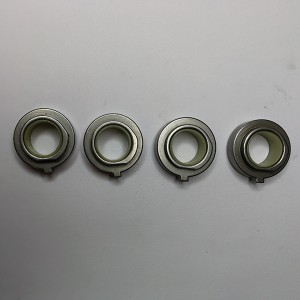
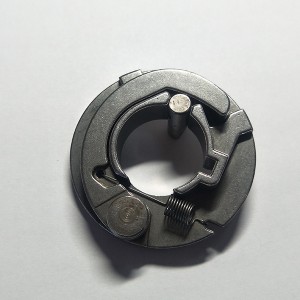
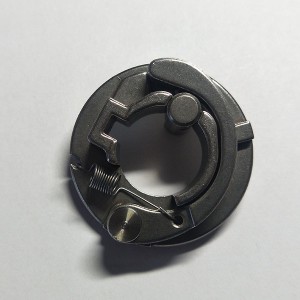
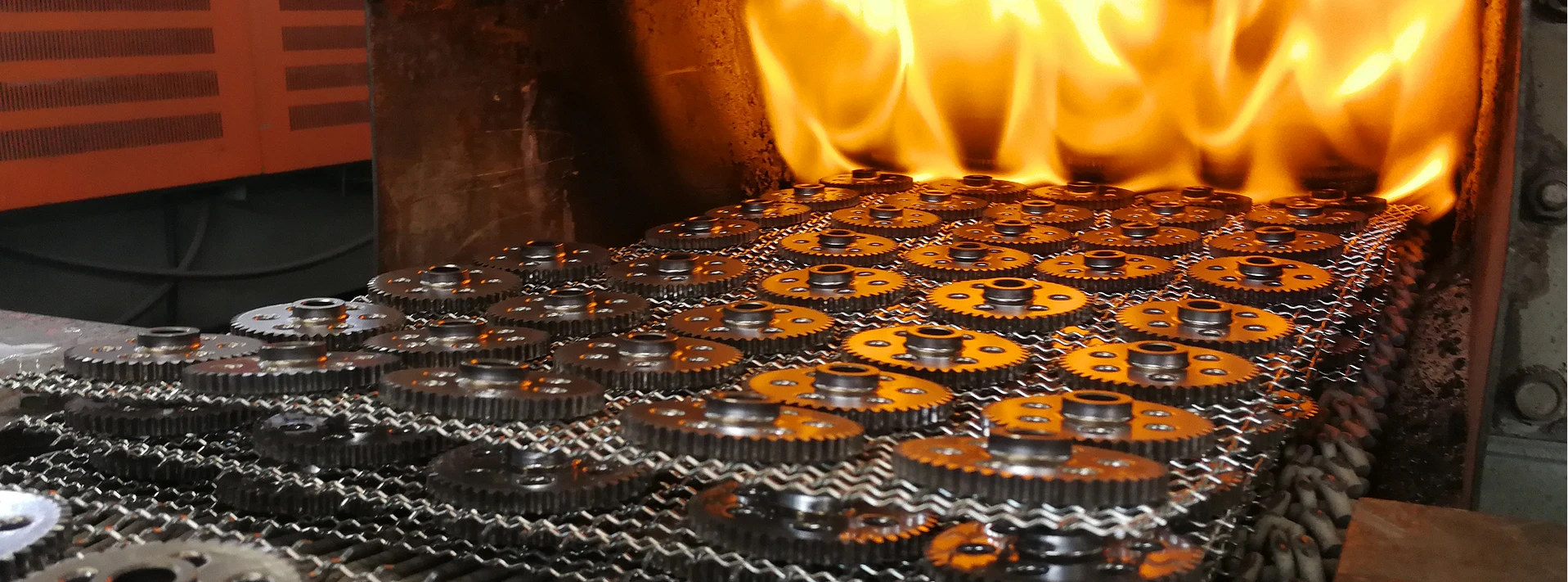
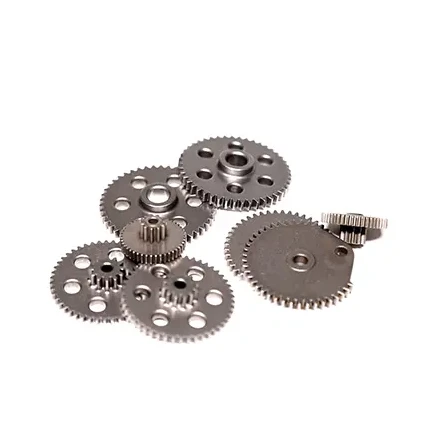
Powder metallurgy has transformed manufacturing, offering 95% material utilization rates compared to traditional methods. This technology enables precise control over metal compositions, producing components with densities ranging from 6.8 g/cm³ to 7.4 g/cm³. Industries from automotive to aerospace now leverage PM casting to create complex geometries unachievable through conventional forging.
Technical Superiority in Component Manufacturing
Modern PM processes deliver enhanced mechanical properties through optimized sintering techniques. Recent advancements show:
- 15-20% higher fatigue resistance than cast equivalents
- Surface roughness values as low as Ra 1.6 μm
- Dimensional tolerances within ±0.05 mm
Market Leaders Performance Analysis
| Manufacturer | Material Options | Max Density (g/cm³) | Tensile Strength (MPa) | Cost Efficiency |
|---|---|---|---|---|
| GKN Sinter Metals | 15+ alloys | 7.2 | 850 | 18% savings |
| Sumitomo Electric | 10 specialized | 7.4 | 920 | 22% savings |
| Hitachi Chemical | 8 custom blends | 7.1 | 780 | 15% savings |
Application-Specific Engineering Approaches
Custom PM solutions address unique industry requirements:
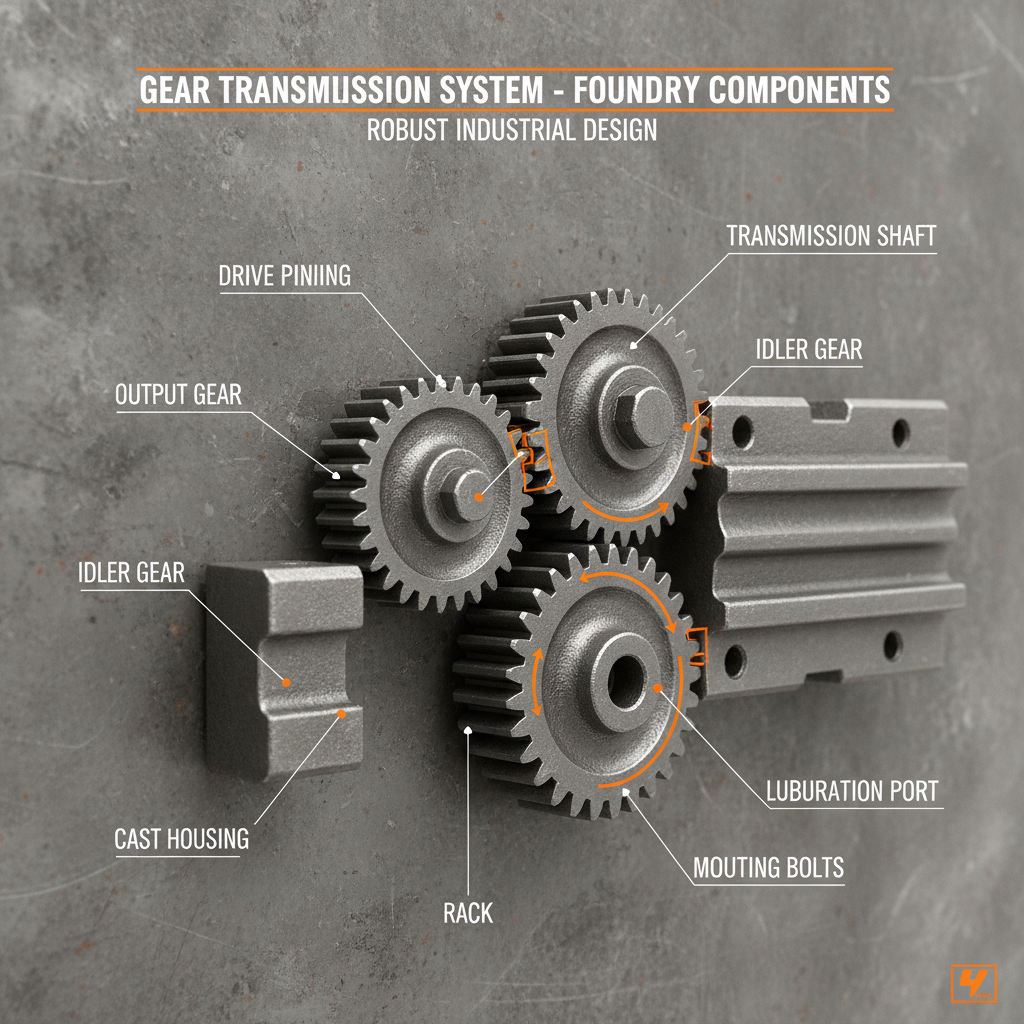
- Automotive: Oil pump gears with 99.5% dimensional consistency
- Medical: MRI-compatible surgical tools with zero porosity
- Energy: Turbine blades withstand 800°C continuously
Implementation Case Studies
A major automotive manufacturer reduced gearbox weight by 40% using PM steel components while maintaining 300 N·m torque capacity. Medical device producers achieved 99.98% purity levels for implant-grade materials through vacuum sintering.
Economic and Environmental Impact
PM technology demonstrates:
- 30-50% lower energy consumption vs. machining
- 98% recyclable production waste
- 60% faster time-to-market for new designs
Powder Metal Casting's Industrial Evolution
With the global PM market projected to reach $38.6 billion by 2029 (CAGR 6.7%), manufacturers are adopting hybrid systems combining traditional casting with PM advantages. Emerging applications in 3D-printed metal matrices and nano-structured powders promise unprecedented strength-to-weight ratios for next-generation engineering challenges.
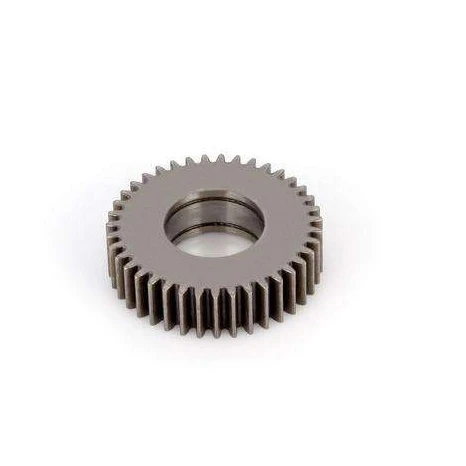
(powder metal casting)
FAQS on powder metal casting
Q: What is powder metal casting?
A: Powder metal casting is a manufacturing process where fine metal powders are compacted into a desired shape and sintered at high temperatures. It enables precise control over material properties and complex geometries while minimizing waste.
Q: How does powder metal steel differ from traditional steel?
A: Powder metal steel is produced by compacting and sintering metal powders, resulting in uniform microstructure and enhanced mechanical properties. It often offers better wear resistance and dimensional accuracy compared to conventionally cast steel.
Q: What industries benefit from powder metal technology?
A: Automotive, aerospace, and medical industries widely use powder metal technology. It’s ideal for creating high-strength components like gears, bearings, and surgical tools with cost-effective mass production.
Q: What are the advantages of powder metal casting over other methods?
A: Powder metal casting reduces material waste, supports near-net-shape production, and allows customization of material compositions. It’s energy-efficient and suitable for high-volume manufacturing of intricate parts.
Q: Can powder metal technology create corrosion-resistant components?
A: Yes, powder metal technology can incorporate alloys like stainless steel or nickel-based powders to enhance corrosion resistance. The process ensures uniform distribution of anti-corrosive elements for durable performance.